Rabbit Pellet Making Machine

What is the Rabbit Pellet Making Machine
RICHI rabbit feed pellet mills offer significant advantages in pellet production. Many people wonder if there’s a machine that can process all the rabbit feed ingredients they want. This machine can. Not only is the entire rabbit feed pellet mill made of stainless steel, but it can also withstand the erosion from various conventional grains, such as soybeans and corn, during processing.
More importantly, the thickened and lengthened softener allows coarse fiber ingredients like hay meal to soften quickly, producing nutritionally complete feed pellets suitable for meat rabbits, Angora rabbits, and pet rabbits.
With a rabbit feed pellet mill, you can also produce feed for poultry and other livestock. Just adjust the ring die size to get the pellet diameter you need. If you’d like to learn more, please feel free to contact us.
This video provides a detailed look at the Rabbit Pellet Making Machine and its materials. It can help you better understand rabbit feed pellet mills.
The Structure Composition Of Rabbit Pellet Making Machine
Many people may not be very familiar with the performance of the RICHI rabbit feed pellet mill. Don’t worry. This article will introduce the basic components of the equipment. You will see how each component works together to ensure stable and efficient pelleting, helping you better understand whether this is the right equipment for your needs.
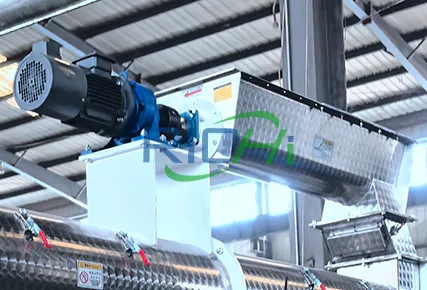
Feeding system
There are at least 50 different ingredients in rabbit feed, each with its own characteristics. To accommodate these differences, a standard variable frequency feeder is usually sufficient when the formula is mainly grain-based. However, if the formula contains a high proportion of roughage, RICHI will equip the machine with a forced feeder and an arch-breaking feeder to ensure smooth and stable feeding.
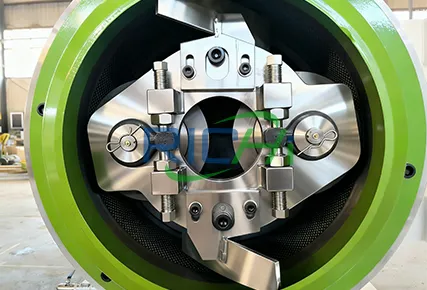
Precision Machining
The process of turning rabbit feed into pellets mainly takes place in the pelleting chamber. The key pelleting components here, such as the ring die and cutter, are adjustable. This allows us to offer die aperture options from 1–12 mm to suit rabbits at different growth stages, helping reduce your equipment investment.
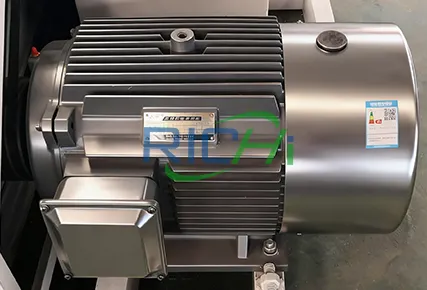
Drive System
Choosing the right power source for your rabbit feed pellet mill is a crucial decision. Ultimately, Siemens motors emerged as the winner due to their high efficiency and low energy consumption. For example, a pellet mill with a capacity of 5 tons per hour requires only 55 kW. Compared to ordinary motors, this allows for significant energy cost savings while maintaining the same or even higher output.
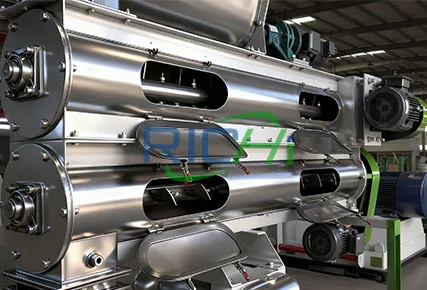
Conditioning System
As mentioned above, a pellet mill is essential for processing different raw materials, ensuring they are in optimal pelleting condition. This is achieved through high-temperature steam conditioning. Furthermore, for an even better pellet texture, honey or oil can be sprayed on at this stage.
Working Principle of the Rabbit Pellet Making Machine
First, the feeder delivers the raw material to the conditioning unit for softening. The number of layers in the conditioning unit can be selected based on your desired pellet quality.
For rabbit feed, one or two layers of conditioning units are generally recommended. Shrimp feed pellet machines require a three-layer conditioning unit to ensure the pellets’ water resistance.
Next, the ring die and pressure rollers in the pelleting chamber compress the raw material into strips. Then, a cutter cuts it into the desired pellet size. The cutter’s length can also be adjusted. It’s very simple; just rotate the handle.
Application of the rabbit pellet making machine
If you’re still wondering if your materials can be made into high-quality feed pellets, consider the following:
Moisture content of the raw materials
If your raw materials are too wet, the pellets will be difficult to form. Rabbit feed pellet mills can only press materials with a moisture content not exceeding 20%. For example, if your raw materials contain fresh grass, you’ll need to dry them first. Alternatively, you can use our dryer, which allows for faster pelleting.
Consider the size of the raw materials
Before making rabbit feed pellets, you must check if your prepared raw materials are too long or too large. If so, the raw materials will not only be difficult to form but may also cause machine jamming. Therefore, it is recommended that you grind the raw materials into a fine powder of 3-5mm before pelleting.
For meat rabbits, you can add more high-protein ingredients to their feed formula; wool rabbits require more coarse fiber ingredients to maintain healthy fur; and for small pet rabbits, low-calorie food is more suitable. Although different breeds of rabbits require different formulas, if you want better pellet formation, it is recommended to add ingredients with high starch content as a binder, especially for feed formulas with high grass content.
Common rabbit feed ingredients:
- Roughage ingredients: Alfalfa, Timothy grass, Forage, etc.
- Energy ingredients: corn, wheat bran, barley, etc.
- Protein ingredients: soybean meal, peanut meal, etc.
- Additives: limestone, premixes, probiotics, etc.
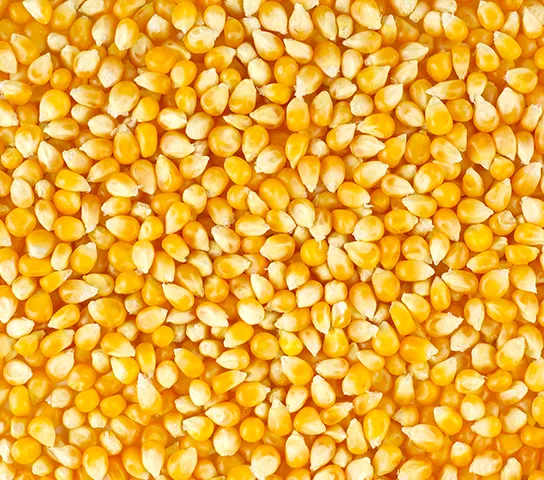
Corn
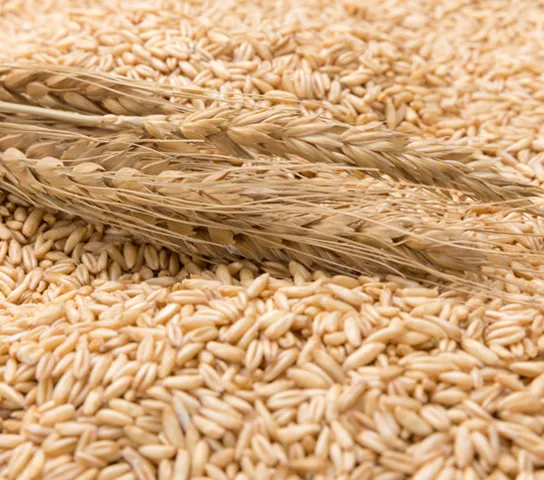
Wheat
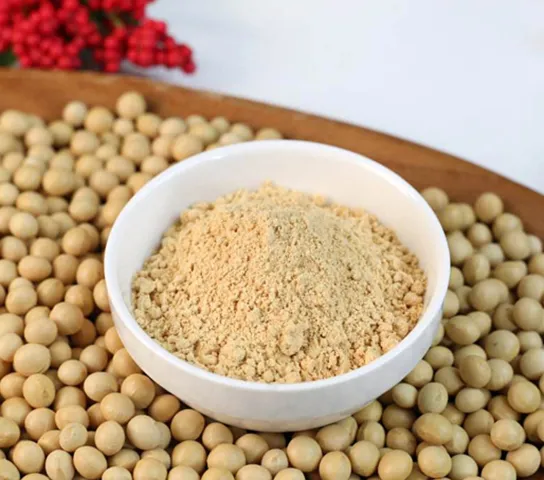
Soybeans

Peanuts
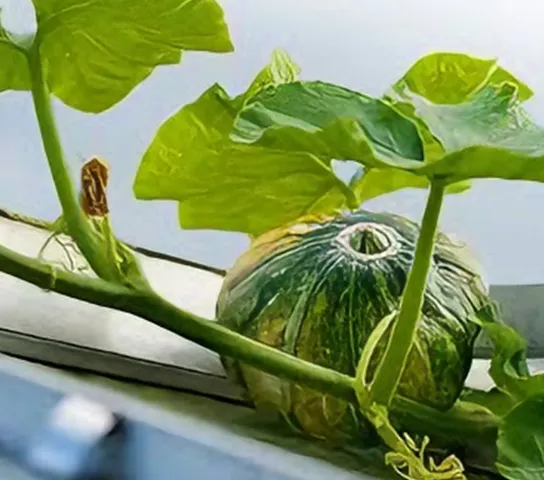
Pumpkin vines

Alfalfa
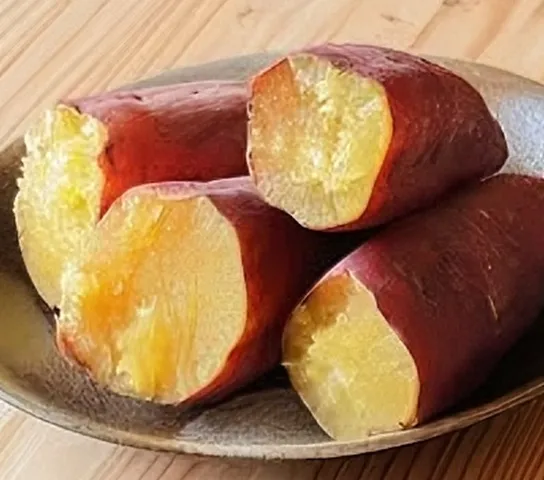
Sweet potatoes

grass
The Parameters of the rabbit pellet making machine
Below are the specific parameters of the rabbit feed pellet making machine, which you can use as a reference. For more detailed data, you can directly consult us.

| rabbit pellet making machine | ||||||||
| Model | SZLH250 | SZLH320 | SZLH350 | SZLH420 | SZLH508 | SZLH558 | SZLH678 | SZLH768 |
| Main Motor Power (kW) | 22 | 37 | 55 | 110 | 160 | 185 | 250 | 315 |
| Feeder Power (kW) | 1.1 | 1.5 | 1.5 | 1.5 | 1.5 | 1.5 | 1.5 | 2.2 |
| Modulator Power (kW) | 1.5 | 4 | 4 | 7.5 | 7.5 | 11 | 11 | 11 |
| Die Inner Diameter (mm) | 250 | 320 | 350 | 420 | 508 | 558 | 673 | 762 |
| Finished Pellet Diameter (mm) | 2~12 | |||||||
| Output (T/H) | 1.0-1.5 | 3-4 | 5-6 | 10-12 | 15-16 | 20-22 | 30-33 | 38-40 |
Advantages of pellets produced by the rabbit pellet making machine
Using a rabbit pellet making machine is beneficial for rabbit farms, as it produces feed pellets that promote healthier rabbit growth. For manufacturers looking to process feed pellets, the machine itself is energy-efficient and produces high-quality pellets that are popular in the market. Ultimately, all of this leads to higher profits.
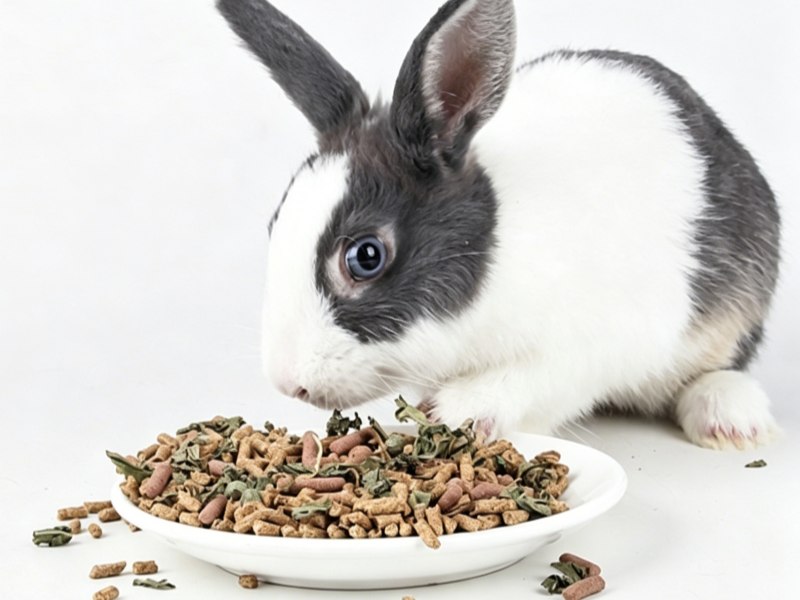
Rabbits are easier to digest
High-temperature conditioning increases the cookedness of the pellets, making them more suitable for rabbits’ digestion and absorption.
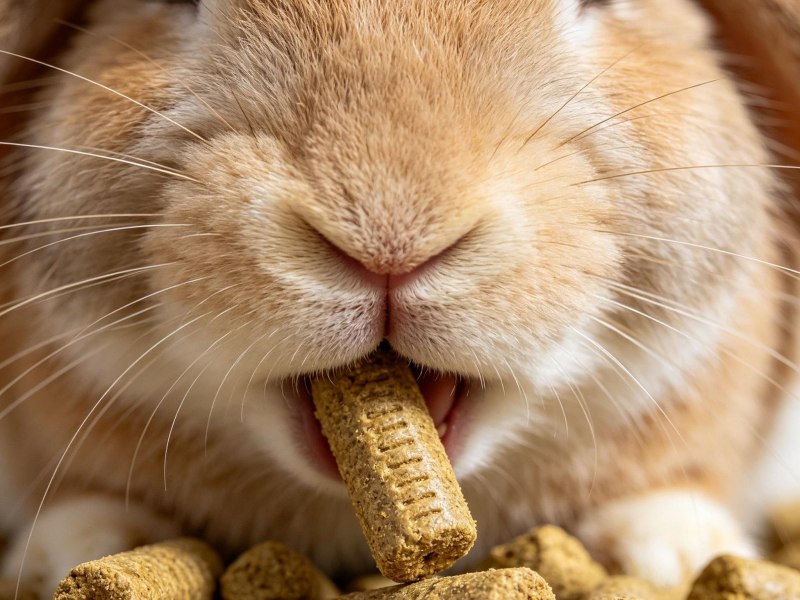
Better for Chewing
The pellets are more compact and durable, perfectly suited to rabbits’ natural inclination to gnaw on food, helping them to better grind their teeth.
Supports Disease Prevention
High-temperature conditioning effectively kills pathogens and insect eggs in raw materials. It also locks in the nutrients to the maximum extent.
Easier to transport and store
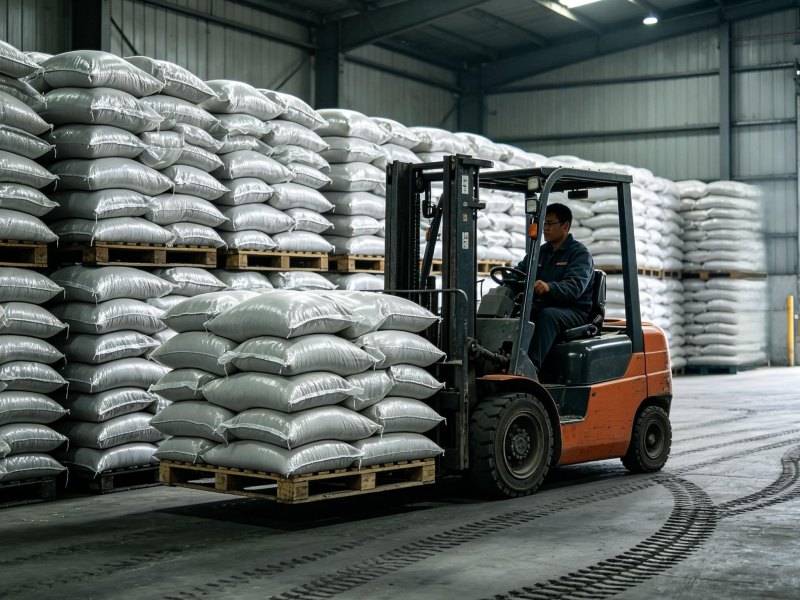
The granules are not easily spilled during transportation, and they take up little space, allowing for the transport of more goods at once. They also do not mold.
Case studies of the rabbit pellet making machine
RICHI Machinery is not just a rabbit feed pellet mill provider, but also a professional rabbit feed equipment service provider. For over 30 years, we have provided customized solutions to more than 2,000 clients. These are some of our rabbit pellet machine case studies, allowing you to more intuitively understand the equipment’s operational performance and application value. For more case studies, please click the button below.
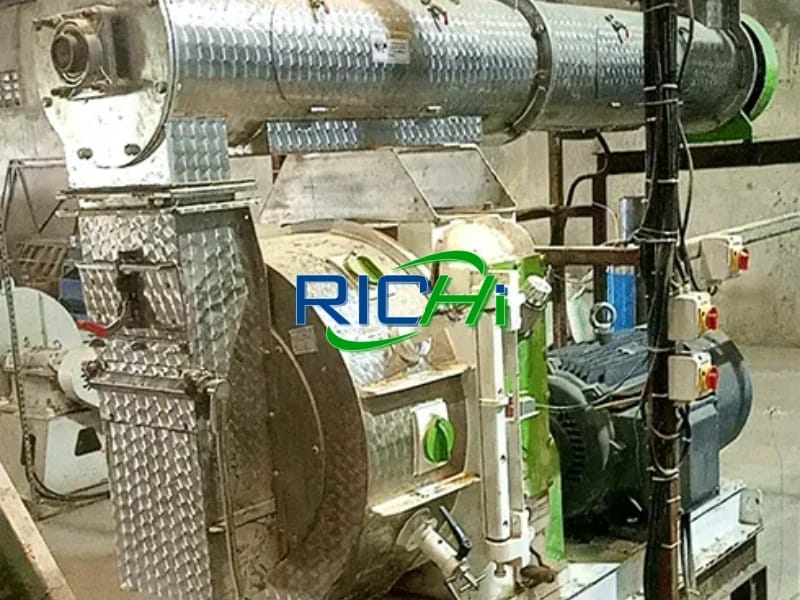
Cuba1.5-2T/H rabbit Pellet Making Machine
- Date: July 2, 2023
- Application: Medium-sized rabbit feed plant. The produced feed pellets are mainly supplied to large-scale meat rabbit farms in the surrounding area.
- Raw material: Alfalfa meal, corn, soybean meal, wheat bran, timothy grass meal, premix, limestone powder, salt, cellulase
- Customer pain points: The customer’s feed formula contains a lot of grass meal, making it difficult to form pellets.
- Feed pellet size: 2.5 mm–3 mm
- Solution: RICHI Machinery configured an SZLH250 rabbit pellet machine for the customer. The equipment is equipped with a forced feeder and an arch-breaking device, which help the raw material enter the pellet mill more smoothly, thereby reducing material loss.
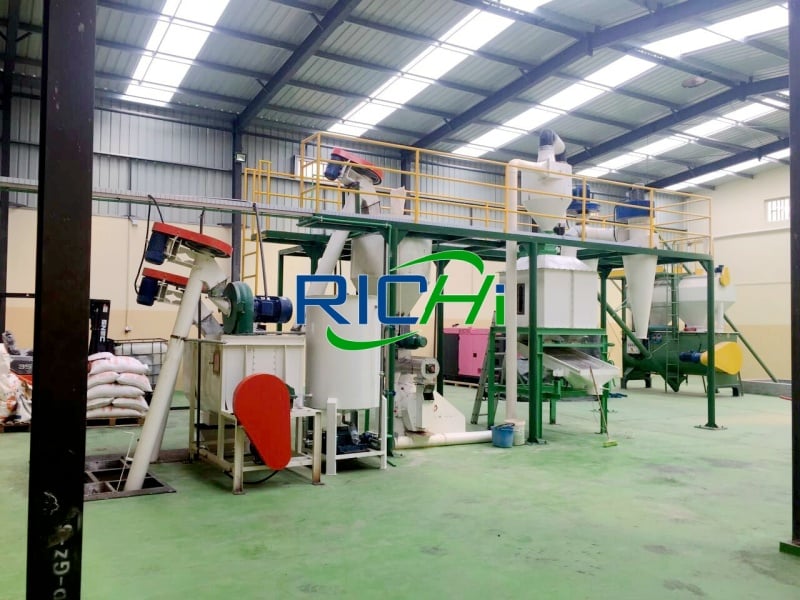
Netherlands Eco-friendly Rabbit Feed Plant
- Date: September 13, 2022
- Capacity: 3T/H
- Application: The client operates a large-scale ecological farm that combines planting and animal husbandry. In addition to rabbits, the farm also raises ruminants such as dairy cows.
- Raw material: Ryegrass meal, Rop Maize, Faba Beans, White Clover meal, Chicory meal, Wheat bran, Mineral Premix
- Customer needs: Previously, the client purchased animal feed. But the cost was too high, so they wanted to find a feed pelleting system from RICHI that could utilize their own raw materials.
- Feed pellet size: 2mm rabbit feed pellets, 6mm dairy cow pellets
- Equipment: SZLH320 rabbit food pellet maker, Crusher, Dryer
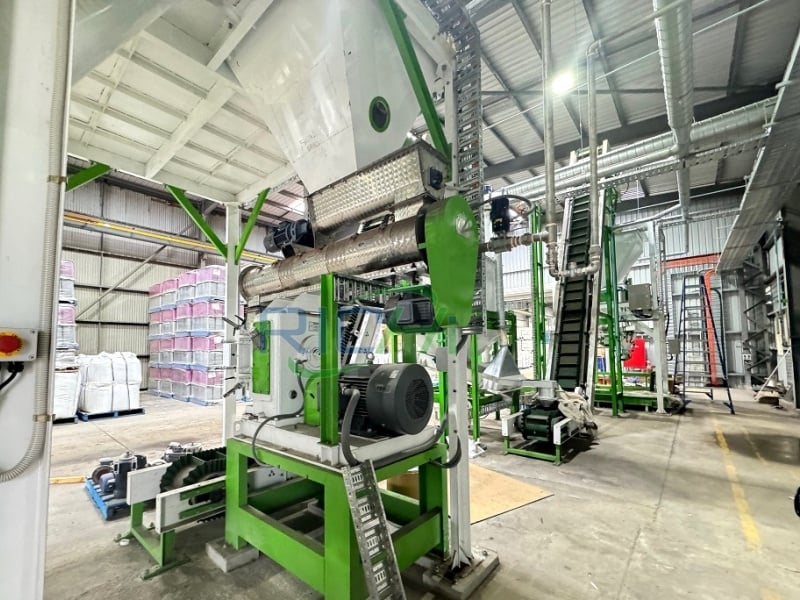
Vietnam 3-4T/H Rabbit Feed Pellet Machine
- Date: March 12, 2021
- Application: The customer sells rabbit feed products from their feed mill to overseas markets.
- Raw material: Alfalfa meal, corn, wheat bran, sunflower meal, limestone powder, salt, organic acid premix, probiotics
- Customer pain points: The customer previously had a production line. However, the pellets break easily. As a result, this caused significant raw material loss during transport.
- Feed pellet size: 2.5mm rabbit feed pellets
- Production line equipment: SZLH320 rabbit feed pellet mill, Crusher, dryer, cooler, screening system, packaging system
- Customer reviews: RICHI Machinery is very professional. They helped us adjust the feed formulation and built a complete production line that fits our needs. So the pellets are firm and do not break easily.
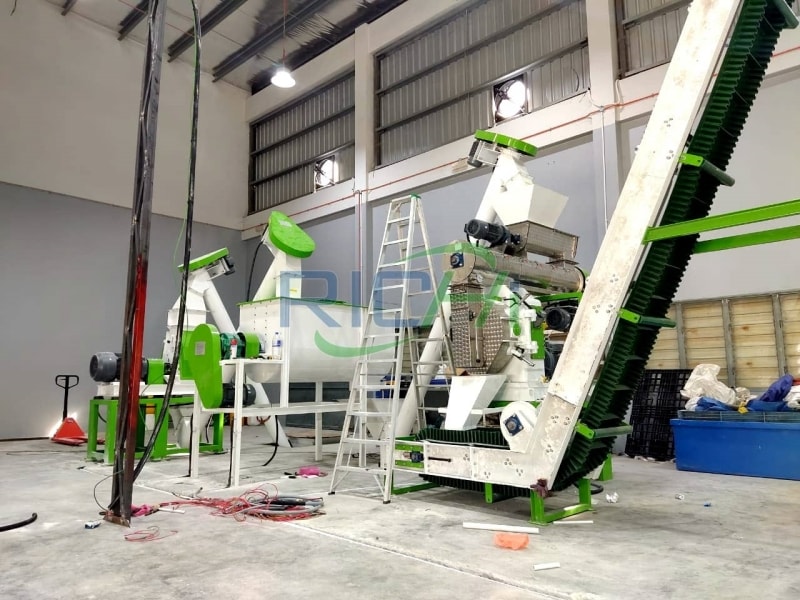
German 4-5T/H Automated Rabbit Feed Machine Line
- Date: March 23, 2023
- Application: German large chain feed mill, producing various types of animal feed
- Customer needs: As a large-scale commercial feed processing plant, the client wanted to build a fully automated production line. This would allow for more stable output, while also minimizing labor costs.
- Feed pellet size: 2-12mm animal feed pellets
- Production line equipment: SZLH350 animal feed pellet mill, Crusher, dryer, cooler, automatic screening and packaging system
- Customer feedback: This production line has been running for two years now and still operates stably even under continuous 24-hour high-load production. More importantly, only 1 to 2 people can now operate the entire feed pellet production line, which significantly reduces labor costs.

How to Apply to a Rabbit Pellet making Machine Line
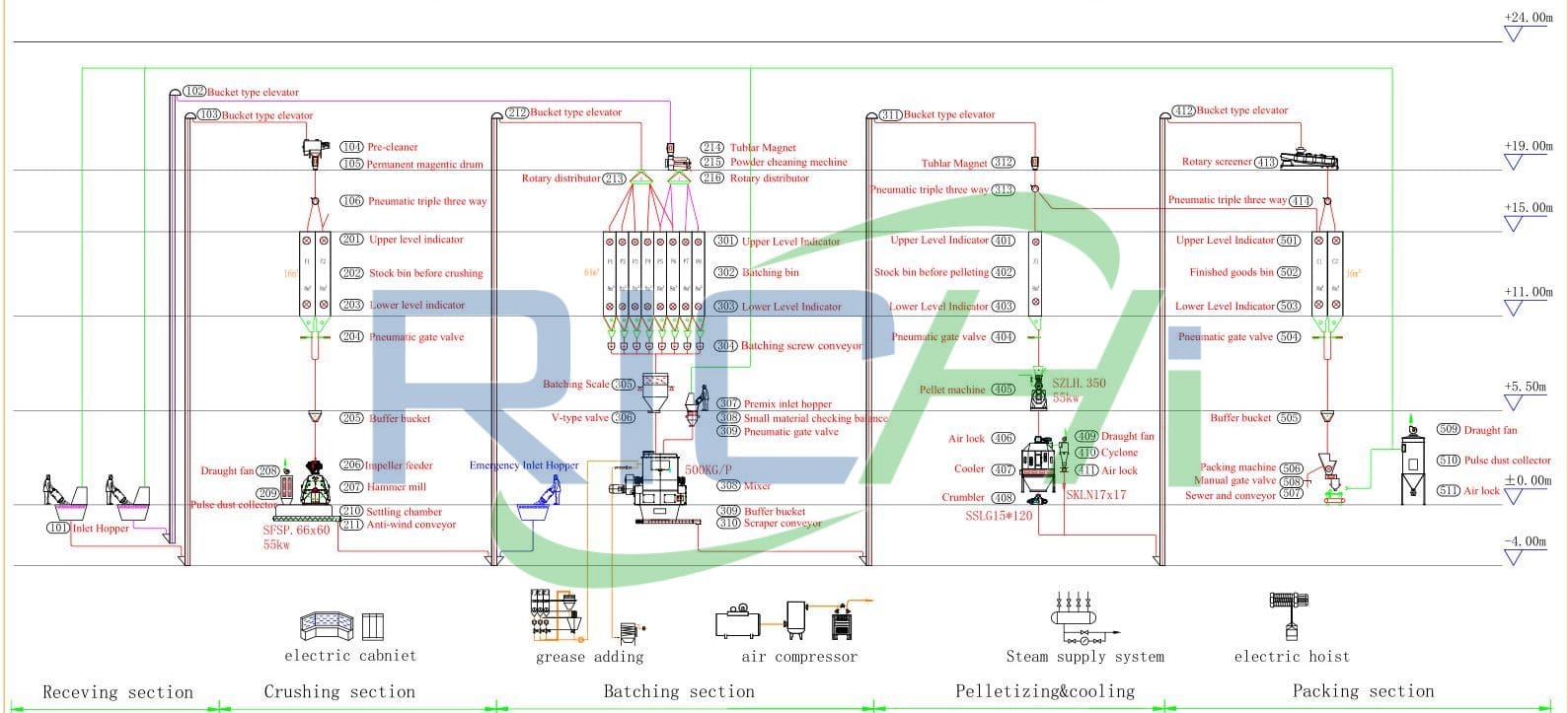
The following section will introduce the basic process of a rabbit feed production line. Of course, each step is not fixed. Our engineers will design a solution tailored to your specific production needs. Therefore, please feel free to contact us if you have any special requirements. Please contact our sales team.
1
Raw Material Cleaning and Processing
We understand that, to produce high-quality rabbit feed pellets, strict cleaning and impurity removal are essential right from the raw materials. Therefore, each stage of the line includes a cleaning step for the raw materials.
2
Grinding Section
This step involves crushing large or long raw materials into fine powder. Of course, if your raw materials have already been processed, you can skip this step.
3
Batching and Mixing
After the raw materials are processed, the mixer uniformly blends the materials. At this stage, the main equipment includes a single-shaft paddle mixer and a double-spiral belt mixer.
4
Pelletizing section
Now we can begin pelleting. The Conditioner of the will first lock in the nutrients of the raw materials, and finally form high-quality rabbit feed pellets.
5
Cooling section
Pellets fresh from the pellet mill are very hot, so they cannot be directly bagged and stored. A cooling machine will lower the feed pellets to room temperature to prevent mold growth.
6
Screening and Packaging
Before packaging and shipping, the screening system checks the finished pellets. If any particles do not meet the required size, operators send them back to the production line for further processing, helping to reduce waste.
Real video of the rabbit Pellet making Machine
Below is a real video of a RICHI feed production line. You can gain a more intuitive understanding of the actual performance and application effects of our complete solution in a real project.
1-2 Ton Feed Production Line in Indonesia by RICHI
RICHI Feed Production Line in Canada
Peru 5 TPH Feed Production Line
Why Choose RICHI?
By choosing RICHI Machinery, you work with a manufacturer with over 30 years of experience in animal feed equipment production and gain a reliable long-term partner. We provide affordable and transparent pricing, along with efficient and comprehensive after-sales service, so you can carry out your feed production with confidence.

Excellent after-sales service

After the rabbit pellet machine arrives, we will carry out professional commissioning and acceptance. Our technicians will repeatedly commission the equipment in each production section to ensure the equipment operates up to standard. Additionally, if you are unfamiliar with our equipment, RICHI technicians will provide one-on-one on-site training until your team can operate the entire production line independently.
Customized design

RICHI has a dedicated R&D and design team to provide you with customized services. We offer over 200 products to meet all types of chicken feed production needs. In addition, we provide full-process design services, including site planning and equipment layout. Whether you are new to the feed industry or already operating a mature production line, just share your requirements with us, and we will deliver a tailored solution based on your actual situation.
High-quality equipment production

The rabbit pellet making machine for sale production stage is the core link of the entire project implementation. We own two modern intelligent manufacturing bases and operate a strict quality control system. Every piece of equipment meets international first-class standards. The company has passed BV certification, ISO9001 International Quality Management System Certification, European CE Certification, and Swiss SGS Certification, among others.
Frequently Asked Questions
We have listed some frequently asked questions about rabbit pellet making machines. Hopefully, this will help you better understand the equipment.
If I use a rabbit pellet maker to produce feed for rabbits at different growth stages, such as kits and adult rabbits, what pellet sizes are suitable?
+
RICHI Machinery produces feed pellets ranging from 1 to 12 mm. Depending on the growth stage of rabbits, you can choose the appropriate pellet size from the options below. Of course, these are not absolute values. You can adjust them flexibly according to your raw material formula, feeding habits, and rabbit breeds.
| Recommended pellet sizes for rabbits at different growth stages | ||
| Growth Stage | Required Particle Diameter (mm) | Required Particle Size (mm) |
| Weaned rabbits (0–1 month) | 1.5–2.0 | 3–6 |
| Young rabbits (1–3 months) | 2.0–2.5 | 5–8 |
| Growing rabbits (3–6 months) | 2.5–3.0 | 6–10 |
| Adult rabbits (over 6 months) | 3.0–4.0 | 8–12 |
How should I choose a suitable rabbit pellet making machine?
+
First, you can check your production scale
- Small farms: You can choose the SZLH250 model with a capacity of 1-2 tons per hour, which is not only the most flexible and convenient but also affordable, making it ideal for personal use.
- Medium-sized farms or small to medium-sized feed processing plants: The SZLH320/350 model rabbit feed pellet making machine with a capacity of 3-6T/H is very suitable. You can use it for your own consumption or sell the produced feed on the market.
- Large farms or feed processing plants: For commercial sales or large-scale animal feeding, we recommend choosing the SZLH420 model or higher pellet mill, which has a production capacity of over 10 tons per hour.
Next, look at your ingredients
- Pure grain formula: If your raw material formula mainly consists of grains such as corn and wheat bran, then a standard animal feed pellet mill (SZLH) model is very suitable.
- Herbal formula: In rabbit feed production, roughage such as hay is essential. We have a hay pellet mill specifically designed and manufactured for the characteristics of this material. It features a larger pelleting hopper and higher pressure, which helps the hay-containing pellets to exit the mold more easily.
Let us help you understand your budget.
The price of RICHI rabbit pellet-making machines ranges from $7,000 to $10,000. Prices vary depending on each customer’s specific needs. For example, customers in the US and the Philippines may purchase the SZLH350 model pellet mill, but the final price will differ due to variations in transportation distance, configuration options, and other factors. Please feel free to contact us for your final quote.