Dry Type Fish Feed Extruder

Introduction to dry type fish feed extruder
The dry type fish feed extruder is a type of floating fish feed extruder. It requires no additional steam system. Through high temperature and pressure generated by its own mechanical friction, it processes various grains into feed pellets suitable for fish, shrimp, and crabs. Actual testing shows that these pellets can remain submerged in water for up to 24 hours, effectively extending the fish’s feeding time and reducing feed pollution to the water.
This equipment offers high flexibility. It can produce sinking or floating fish feed pellets ranging from 0.5-50mm. This means you can use one machine to flexibly adjust the feed formula and produce feed suitable for different fish species. At the same time, the dry-type fish feed extruder is easy to operate and has low maintenance costs. This is undoubtedly an ideal piece of equipment for feed processing plants that want flexible aquatic feed production but lack sufficient investment capital.
In addition to dry type fish feed extruders, we also offer wet type fish feed extruders. Before formal granulation, it uses a steam conditioning system to gelatinize the raw materials. While this increases costs, this pre-conditioning pelleting method ensures better pellet quality and higher yield. It is commonly used equipment in large feed mills. If you have any questions about equipment selection, please feel free to contact us. We will provide you with professional answers and detailed solutions within a short time.
Related videos about dry fish feed extruders
The following videos will demonstrate the application of the dry type fish feed extruder machine in actual production scenarios. These videos will more intuitively showcase the machine’s stable processing capabilities and excellent forming results.
1.5-2 TPH Floating Fish Feed Line in Russia
5-6 TPH Aquatic Feed Pellet Line in Italy
1.5-2T/H Fish Feed Extruder & 5-6T/H Animal Feed Production Line in Iran
Why choose a dry type fish feed extruder?
RICHI dry type fish feed extruder machines have been a primary piece of equipment for processing fish feed for over 40 years. Therefore, they possess mature technology and operate more stably. Combined with simple operation, low investment cost, and excellent pellet formation rate, this equipment offers a cost-effective solution for small and medium-sized feed processing plants.
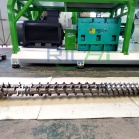
wear-resistant materials
The screw sleeve and screw are crucial for pelleting. They are all made of alloy steel, offering high wear resistance and high-temperature resistance, effectively extending the equipment’s service life.
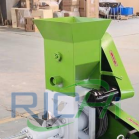
Adjustable feeding system
Our machine is equipped with an adjustable feeder, ensuring stable feeding regardless of the raw material formula, provided the appropriate rate is set. This is crucial for ensuring high output.
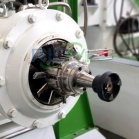
Precision cutter
Not only is the pellet diameter adjustable, but you can also obtain fish feed pellets of different lengths by adjusting the spacing between the cutter and the ring die. Furthermore, the cut pellets have a smooth surface without any burrs.
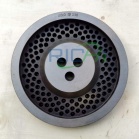
Easy to operate
When you want to produce particles of different sizes, simply change the template with the corresponding aperture. No additional equipment is needed, which saves money.
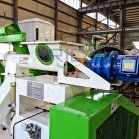
Better molding effect
The dry-type fish feed extruder features a unique pressure-boosting die device. Simply put, it allows for stronger extrusion pressure during pelleting. This naturally leads to a significant improvement in both pellet quality and yield.
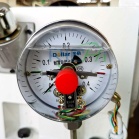
pellets are healthier
The high-temperature environment of the extruder can eliminate most toxins and harmful substances in the material. Animals are less likely to get sick from eating it.
Working Principle of Dry Type Fish Feed Extruder
The feeder delivers the material to the screw extrusion chamber. Here, the screw compresses, rubs, and shears the material. Mechanical friction gradually converts into heat energy, reaching temperatures of 120-140 degrees Celsius within the barrel. Starch gelatinization and protein denaturation are completed in 3-7 seconds. Furthermore, the dry type fish feed extruder is equipped with an electric heating device to assist in temperature control and adapt to different raw material formulations.
As the material is extruded instantly from the die, the pressure drops sharply, internal moisture evaporates rapidly, and the volume expands rapidly, forming a porous structure. Finally, under the action of the cutter, it forms uniform and smooth granules.
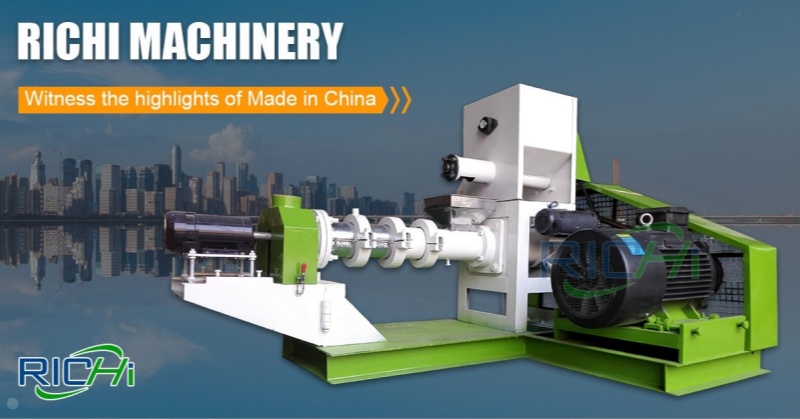
Specific parameters of dry type fish feed extruder
Dry fish feed extruders offer capacities ranging from 200 kg to 1 ton. If you require even greater production capacity, we also offer twin-screw fish feed pellet mills, which are more suitable for continuous large-scale production.

| Model | DGP-90B | DGP-120B | DGP-160B |
| Main Motor Power (kW) | 37 | 55 | 90 |
| Feeding Motor Power (kW) | 0.75 | 202 | 3 |
| Cutting Motor Power (kW) | 0.55 | 1.1 | 1.5 |
| Screw Diameter (mm) | 90 | 120 | 160 |
| Overall Dimensions (mm) | 2100*1450*1350 | 2400*1950*1600 | 3100*2650*1800 |
| Capacity (T/H) | 0.2-0.4 | 0.5-0.6 | 0.8-1.0 |
Dry type fish feed extruder adapts to various raw materials
Dry type fish feed extruders can process not only various common grain raw materials, but also be flexibly adapted to oil and protein formulations. Through precise control of the process configuration, you can produce nutritionally balanced, water-resistant fish feed pellets.
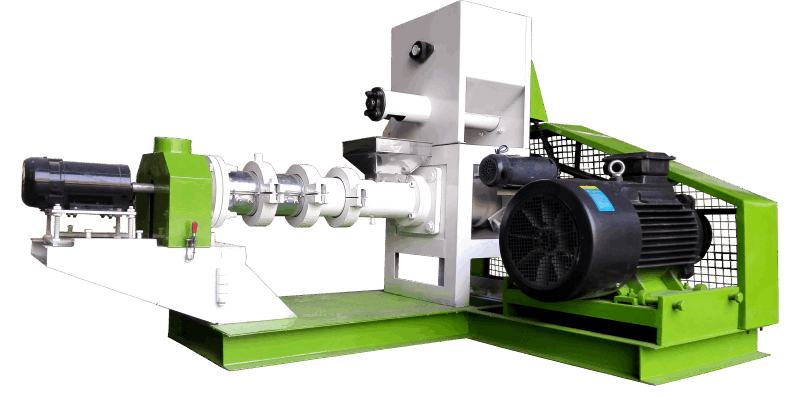
During pelleting, dry fish feed extruders rely heavily on friction between the screw, the feed material, and the barrel. This requires the raw material to be neither too wet nor too slippery. In other words, the moisture and oil content of the raw material must be carefully controlled. Otherwise, insufficient friction can lead to slippage. If you wish to process a high-oil formulation, you can use a spraying system after pelleting to improve the feed’s palatability. Alternatively, using a twin-screw extruder is also a good option.
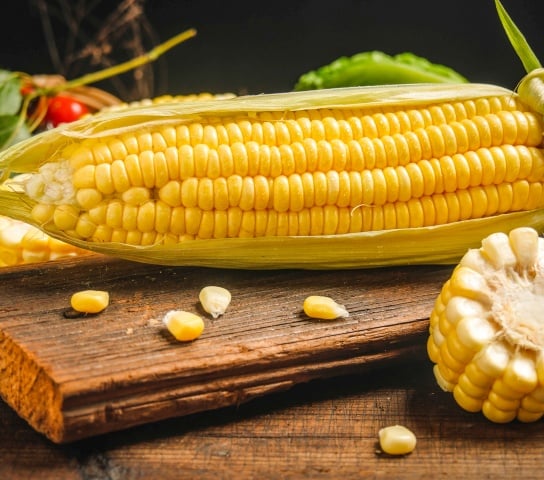
Corn
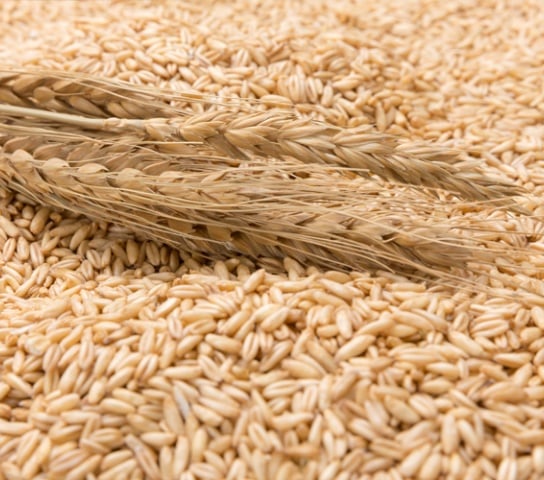
Wheat
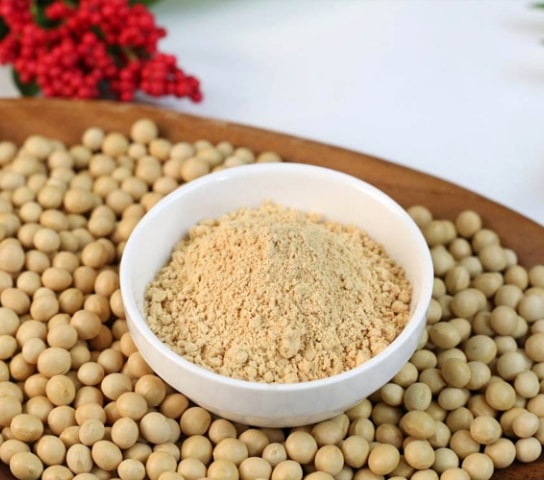
Soybeans
Peanuts
Pumpkin vines

Alfalfa
Sweet potatoes

grass
Application of dry type fish feed extruder
This extrusion expansion process is suitable not only for processing various aquatic feeds, but also for processing various pet foods and livestock feeds. High temperature extrusion breaks down anti-nutritional factors in the raw materials, making them more easily digestible and absorbable by animals. Furthermore, the porous structure facilitates the adsorption of oils and nutritional additives, thereby improving feed quality.
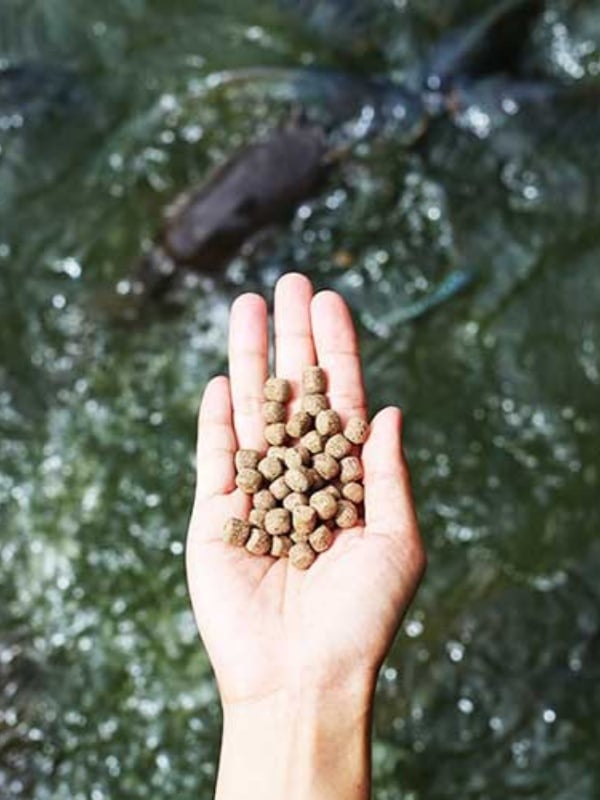
Producing fish feed
Dry type fish feed extruder can produce sinking or floating fish food with a diameter of 1-6mm.
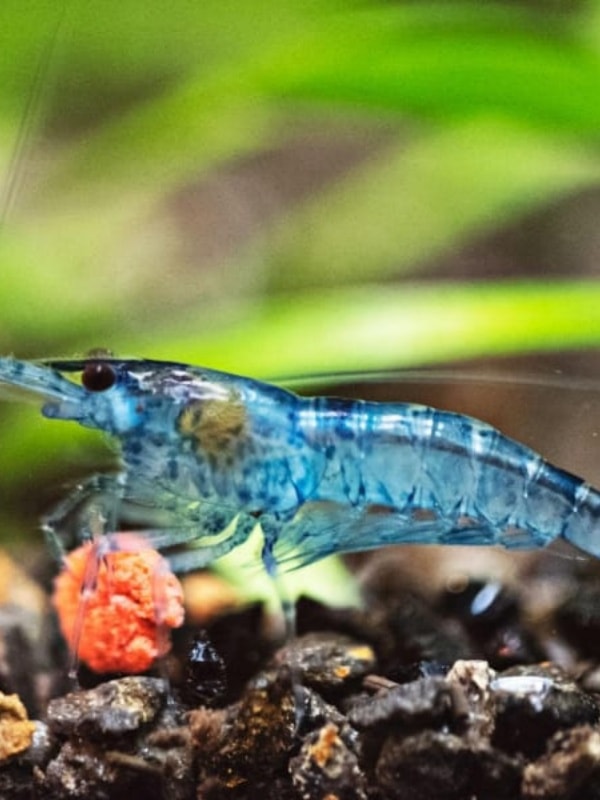
Shrimp feed production
The size is generally 1-4mm. Customers usually have the raw materials ultra-finely ground to suit the feeding habits of shrimp.
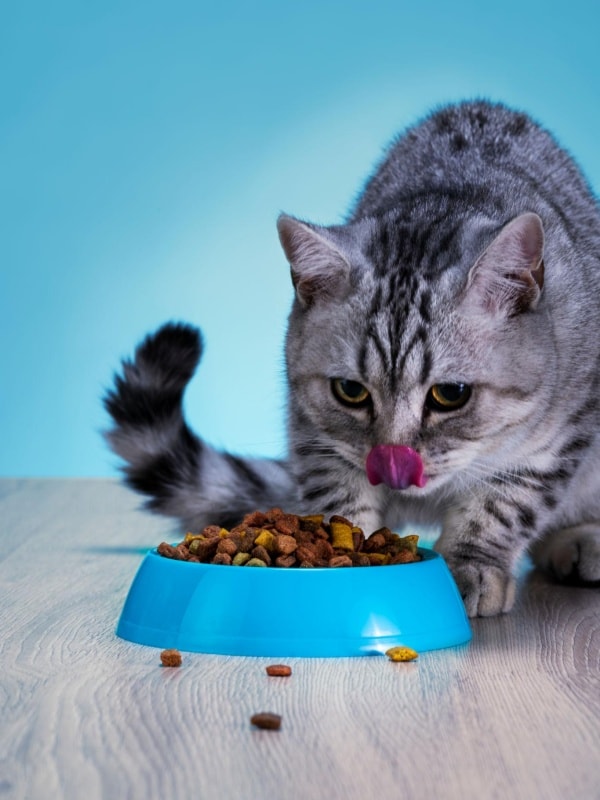
pet food
We can use this equipment to produce low-to-medium oil extruded pet food. It can easily produce kibble sizes of 2-12mm, suitable for the nutritional needs of dogs and cats at all stages.
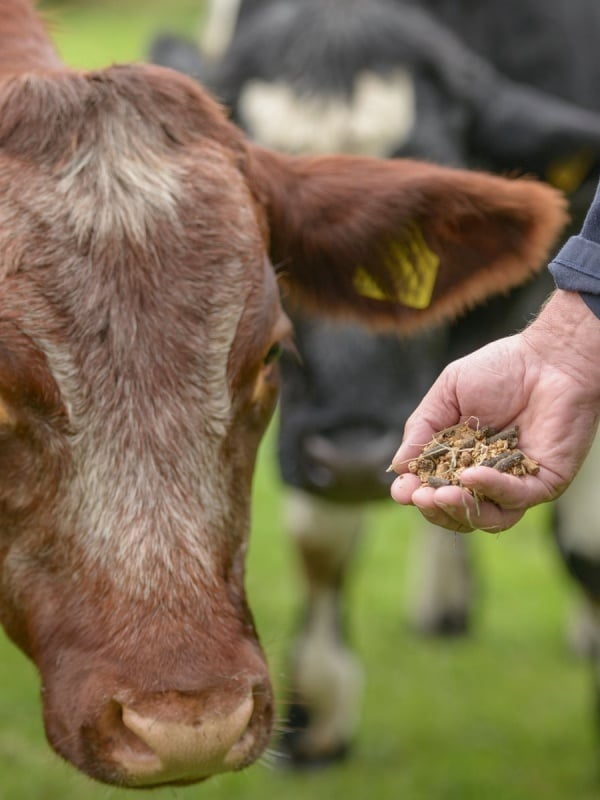
Livestock and poultry feed
Compared to animal feed pellet mills, this equipment produces feed that is crisper and more porous, with a natural grain aroma. This makes it more appealing to young or breeding animals, thus promoting their growth.
Global Case Studies of Dry type Fish Feed Extruders
— Richi Machinery —
RICHI has provided high-quality fish feed extruders to over 140 countries worldwide. However, we are more than just an equipment manufacturer. Based on our clients’ specific needs, our professional team will customize the production line equipment, process flow, and plant configuration. After the equipment arrives, you will receive on-site training, installation, and other after-sales support to ensure your fish feed production project can be started quickly.
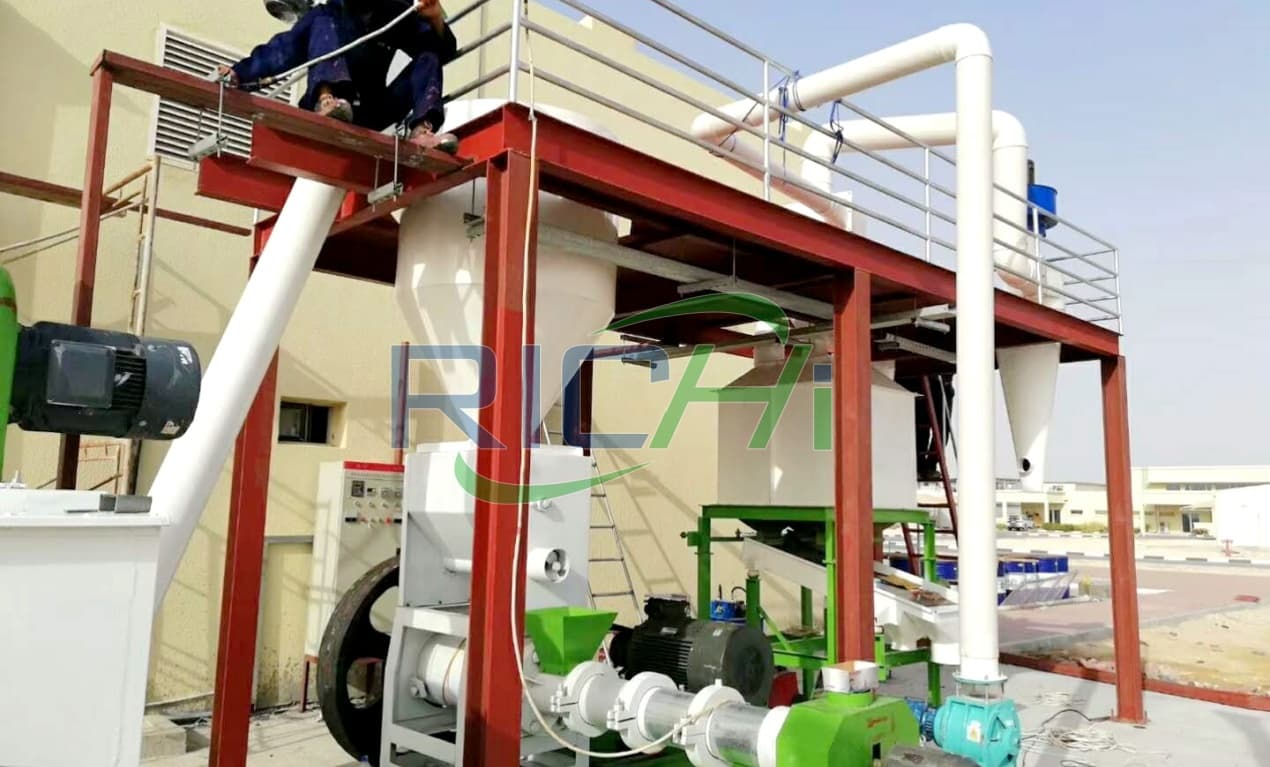
1T/H dry type fish feed extruder in Qatar
- Project Background: This is a tilapia farm. The client wants to reduce their reliance on imported feed and plans to establish a floating fish feed production line to achieve self-sufficiency.
- Client Requirements: The investment cost should not be too high. They also specifically emphasized that the feed should be able to float on the water surface for an extended period, allowing for timely observation of the fish’s feeding behavior.
- Raw Materials: Wheat, corn, soybean meal, fishmeal, spirulina, vitamin premix
- Main Equipment: DGP-160B dry fish feed extruder, crusher, mixer, dryer, cooler, packaging machine
- Pellet Diameter: 1.5-3mm floating fish feed
- Pellet Performance: Stable floating on the water surface for 8 hours without disintegration
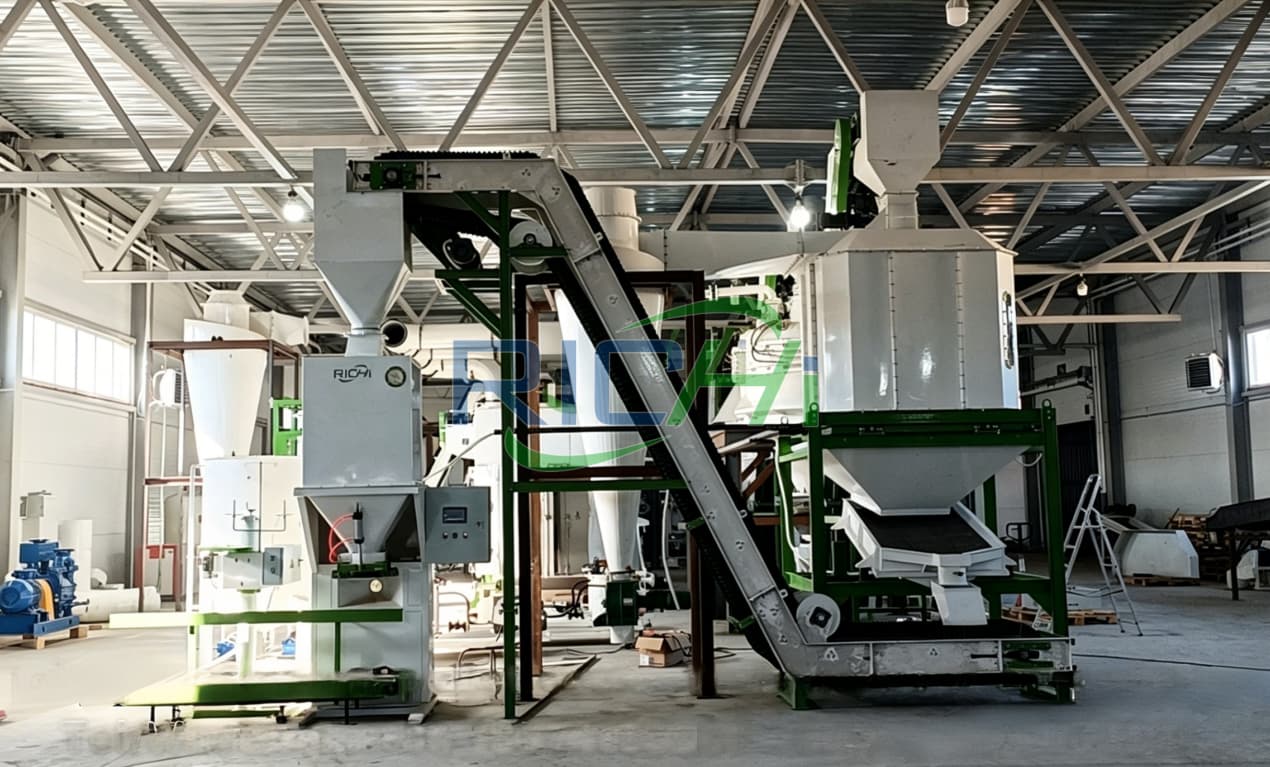
1-1.2T/H dry fish feed making extruder in Russia
The client primarily operates a rainbow trout and carp farm. They commissioned us to build a 1-1.2/H floating fish feed production line, requiring ease of operation and low investment costs.
Considering that using a wet-type fish feed extruder would incur additional boiler construction costs and significantly increase fuel consumption in winter. A dry fish feed extruder was chosen as the core equipment for pelleting.
- Raw Materials: Wheat bran, corn, sunflower meal, fish meal, premix
- Pellet Diameter: 1-2mm starter feed, 4-6mm adult fish feed
- Main Equipment: DGP-120B×2 dry type fish feed extruder, ultrafine grinder, mixer, dryer, cooler, baler
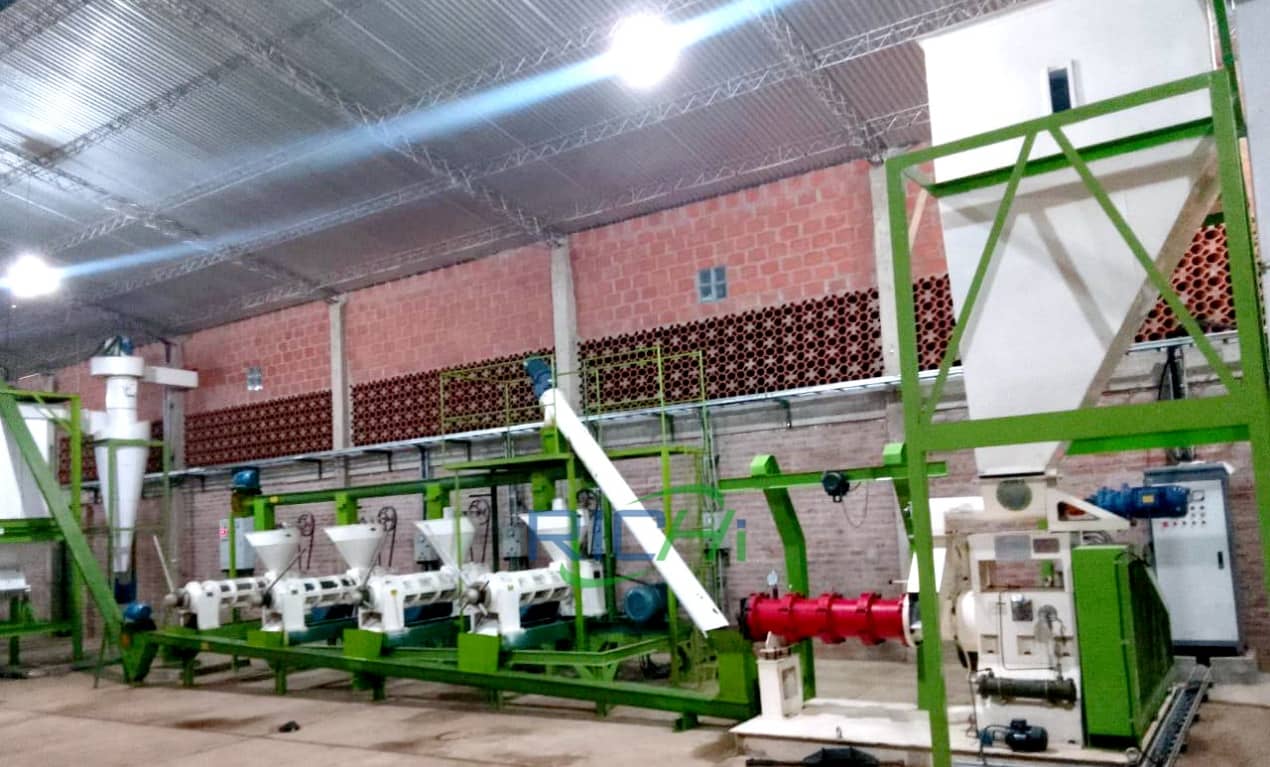
6T/H dry fish feed extruder machine in Bolivia
- Project Type: Grain Extrusion + Pelletizing Pig Feed Production Line
- Project Background: Previously, many farmers in Bolivia fed their pigs directly with grains or purchased feed from external suppliers. However, with rising feed costs, many farmers are increasingly demanding high-energy, affordable feed.
- The client manages an integrated crop and pig farm. Driven by this need, they plan to utilize extrusion technology to process corn and soybeans. High-temperature extrusion will further improve feed conversion ratio. This will then be followed by mixing and pelleting to produce high-quality pig feed.
- Raw Materials: Corn, soybeans, wheat bran, fishmeal, cassava residue.
- Equipment: Dry type fish feed extruder, crusher, mixer, pig feed pellet machine, cooler, automatic packaging machine.
Complete Dry-Type Fish Feed Extrusion Production Process
In fact, producing high-quality fish feed requires more than just a single extruder. This is because each customer’s raw material condition, feed formulation, and production volume requirements are different. Depending on the specific circumstances, a series of auxiliary equipment, such as drying, mixing, and re-drying machines, is typically needed to ensure that the pellets and production capacity reach the ideal state.
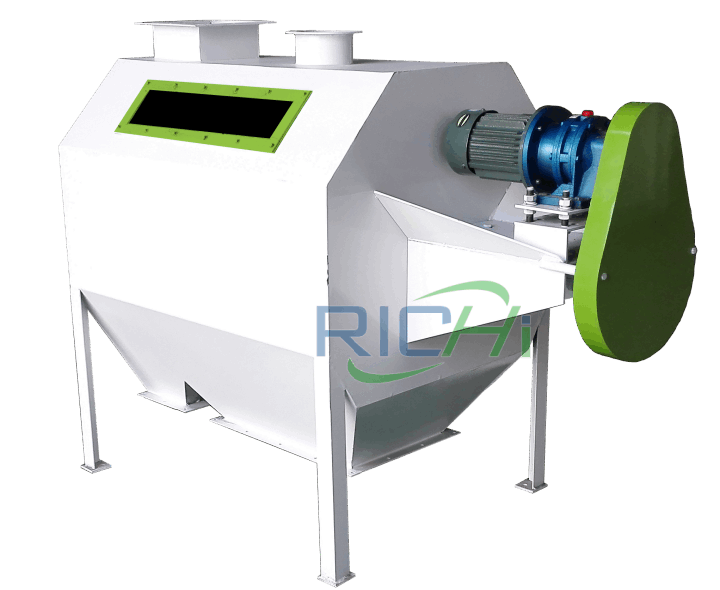
Raw material preparation
The first step, of course, is to prepare the raw materials. Ensure that none of the materials are moldy or spoiled. Then, a cleaning machine removes impurities from the qualified raw materials.
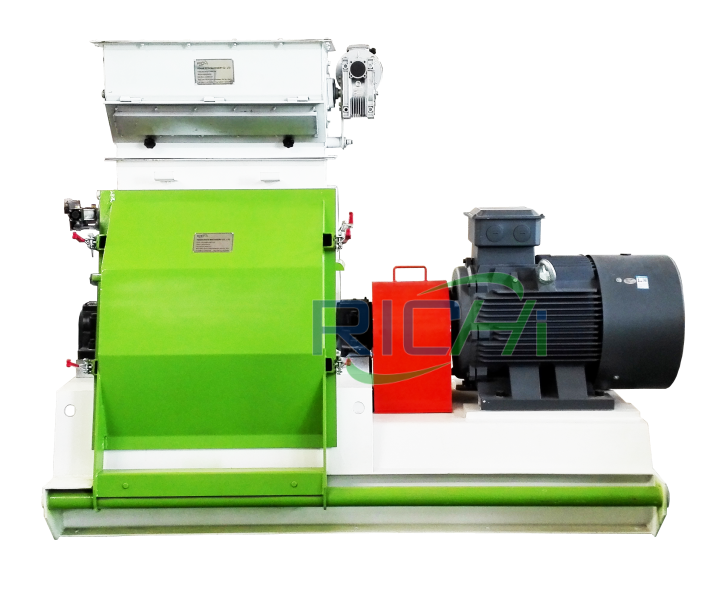
Crushing
Finely ground powder is easier to extrude and causes less wear on the extruder. In addition, fish have shorter intestines, and finer powder can better expose the nutrients in their feed. Fish can then fully absorb nutrients in less time.
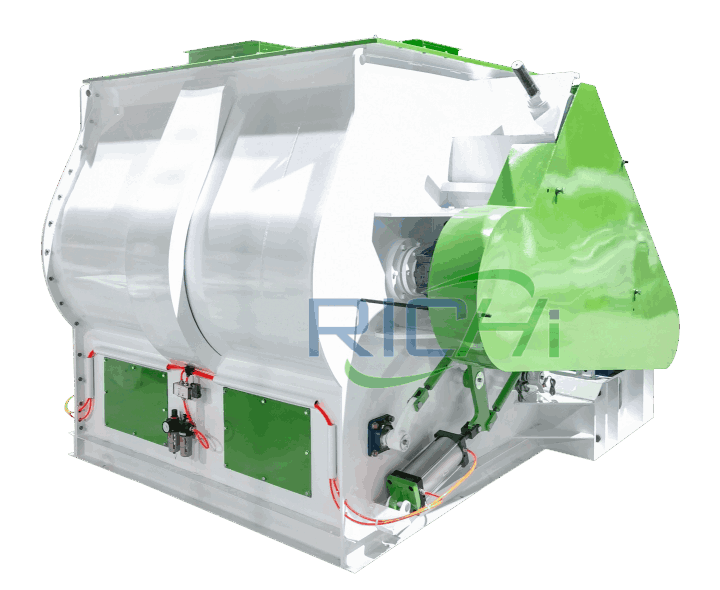
Mixed raw materials
To maintain a balanced diet, feed often requires multiple sources of ingredients, such as grains, protein, fat, and vitamins. At this point, the mixer will thoroughly mix them, ensuring that each particle has a consistent nutritional content.
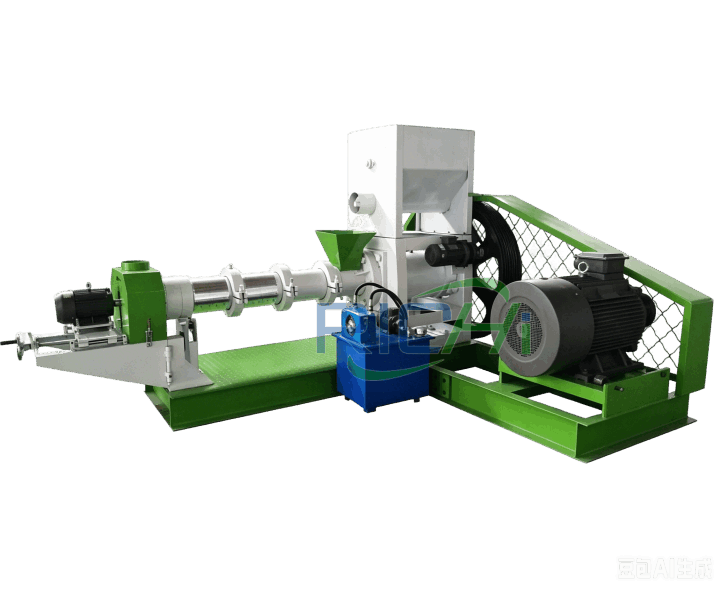
Extruded pellets
Screw of dry type fish feed extruder adopts a modular design, including feeding, compression, curing, shearing, and homogenization. Adjustments to each component allow for excellent adaptation to the needs of different formulations.
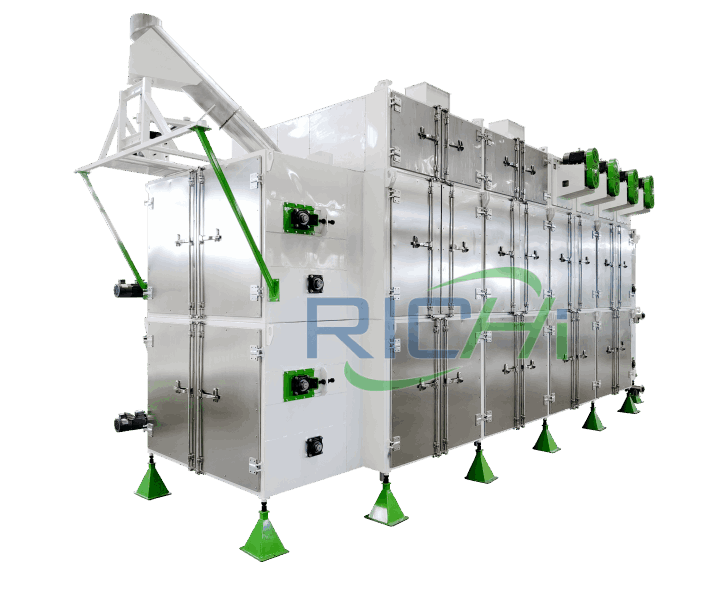
Drying process
Freshly produced granules typically have a high moisture content (around 20%-30%), requiring a dryer to remove surface moisture. On the one hand, it can prevent the growth of mold. In addition, dried particles are better able to absorb oil.
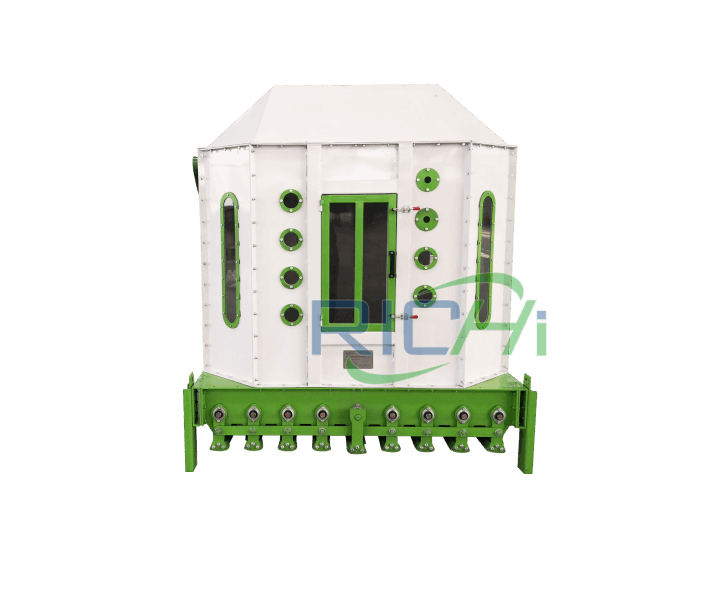
Cooling section
High temperatures are also a major factor in mold growth. This is where a cooling machine comes in handy, as it can cool the granules to room temperature in a short time. During this process, the granules gradually harden and become less prone to crumbling.
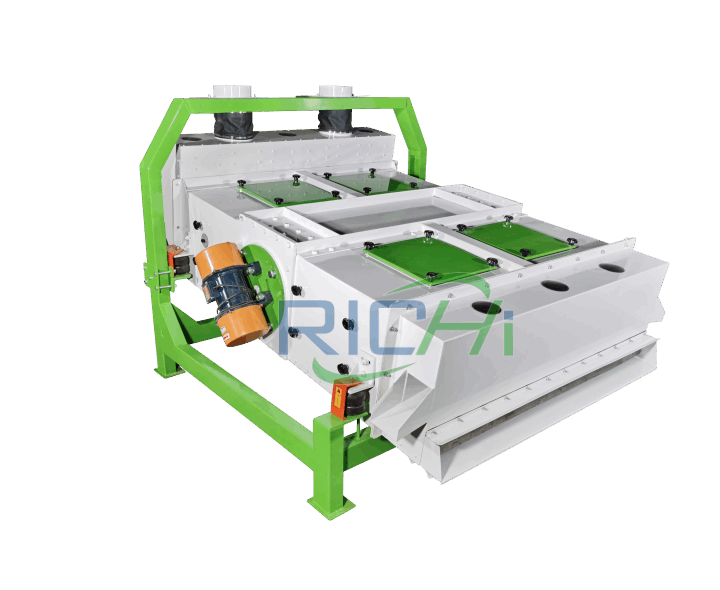
Screening system
The screening machine removes powder from the granules, ensuring granule quality. The screened-out powder is not wasted. It is re-extruded and granulated.
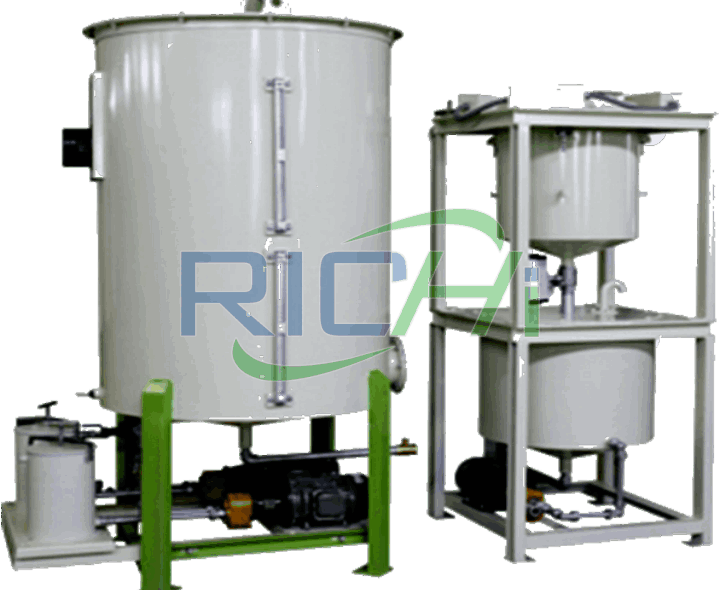
Spraying
To improve the palatability and nutritional value of feed, you can add oils or vitamins to the sprayer. This equipment can evenly spray these liquids onto the surface.
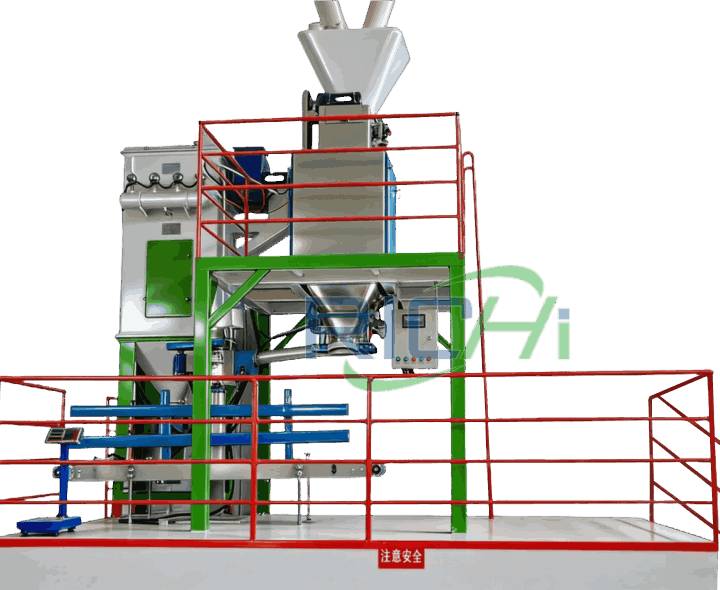
Packaging
You can choose manual packaging or an automatic packaging machine. This depends on your specific circumstances.
Why Choose RICHI?
By choosing RICHI Machinery, you work with a manufacturer with over 30 years of experience in animal feed equipment production and gain a reliable long-term partner. We provide affordable and transparent pricing, along with efficient and comprehensive after-sales service, so you can carry out your feed production with confidence.

Excellent after-sales service

After the dry type fish feed extruder arrives, we will carry out professional commissioning and acceptance. Our technicians will repeatedly commission the equipment in each production section to ensure the equipment operates up to standard. Additionally, if you are unfamiliar with our equipment, RICHI technicians will provide one-on-one on-site training until your team can operate the entire production line independently.
Customized design

RICHI has a dedicated R&D and design team to provide you with customized services. We offer over 200 products to meet all types of chicken feed production needs. In addition, we provide full-process design services, including site planning and equipment layout. Whether you are new to the feed industry or already operating a mature production line, just share your requirements with us, and we will deliver a tailored solution based on your actual situation.
High-quality equipment production

The production stage is the core link of the entire project implementation. We own two modern intelligent manufacturing bases and operate a strict quality control system. Every piece of equipment meets international first-class standards. The company has passed BV certification, ISO9001 International Quality Management System Certification, European CE Certification, and Swiss SGS Certification, among others.

Frequently Asked Questions
Here are some frequently asked questions. You can also contact us at any time for answers.
Which fish species are suitable for dry type fish feed extruders?
This equipment can produce feed for various fish species.
Firstly, the dry type extruder can produce floating feed, making it suitable for freshwater fish such as grass carp, common carp, crucian carp, tilapia, and silver carp.
For carnivorous fish such as perch, mandarin fish, and snakehead, which require high-protein feed, the extruder can quickly mature the protein, promoting changes in protein structure and facilitating absorption by the fish.
Furthermore, the equipment can also process feed for ornamental fish such as koi and goldfish.
What are the requirements for raw materials for this equipment?
The main requirements are the oil and moisture content of the raw materials.
Unlike ring die pellet mills, dry type fish feed extruders primarily achieve material extrusion through friction and compression driven by a screw. Therefore, the moisture content doesn’t need to be too low; 24%-25% is a suitable range, reducing friction between the material and the machine and ensuring smoother operation.
However, the oil content must be controlled, generally recommended to be below 8%. Otherwise, it will reduce friction and affect the puffing effect. If you want to increase the oil content, you can do so after pelleting. At this stage, the pellets have a porous structure, allowing for better oil absorption, and the final oil content can reach 15%-16%.
How much does this equipment cost?
The price of a dry-type fish feed extruder ranges from $5,000 to $30,000. Of course, different configurations and capacities will result in price variations. Overall, it requires less investment and is well-suited for feed manufacturers with limited budgets but a high demand for high pellet formation rates.
Do you have installation instructions?
Of course, our equipment comes with detailed installation manuals and videos. For complex projects, our engineers will also go to the site to provide installation guidance and operation training.