Peanut shell Pellet machine

Introduction to the Peanut shell Pellet machine
Using a peanut shell pelletizer, you no longer need to discard peanut shells; instead, you can transform them into a high-value, marketable product.
Peanut hull pellets are dense and compact, directly replacing coal or wood. While their calorific value is comparable, burning peanut shell pellets emits only one-fifteenth the carbon dioxide of traditional fuels. The remaining ash can also be used to generate organic fertilizer. In short, this equipment truly helps you achieve a dual improvement in environmental protection and economic benefits.
RICHI Machinery peanut shell pellet machine can also be used to process various biomass raw materials. Our sales staff will design a suitable and cost-effective production plan for you free of charge, based on your raw material characteristics, production needs, and investment budget.
What raw materials can a peanut shell pellet machine process?
A peanut shell pellet machine is a specialized piece of equipment for processing peanut shells. However, it can also process various agricultural or forestry wastes. In short, the raw material application range of a peanut shell pelleter is very wide.
Therefore, you can flexibly choose the most affordable and stable-source raw materials based on local resources, effectively reducing your input costs.
- Straw: Corn stalks, peanut vines, wheat straw, peanut vines, etc. The most important agricultural waste. Processed into fuel or feed pellets.
- Shell materials: Peanut shells, rice husks, millet husks, palm shells, coconut shells, etc. High in ash content, ideal for fuel pellets or animal bedding.
- Wood materials: Wood chips, sawdust, branches, furniture waste. Contains natural lignin. After being softened at high temperatures in biomass pellet machines, it can act as a binder for pellet formation. No additional chemical binders are needed.
- Grass materials: Alfalfa, hay, etc. Rich in crude protein, vitamins, and other nutrients, suitable as ruminant feed for cattle and sheep.
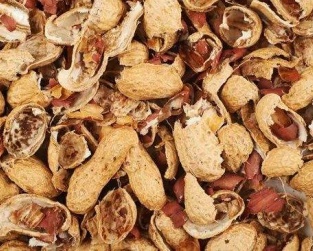
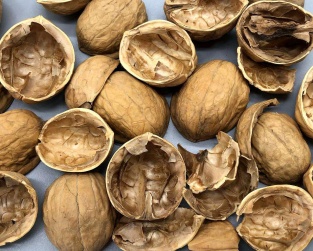
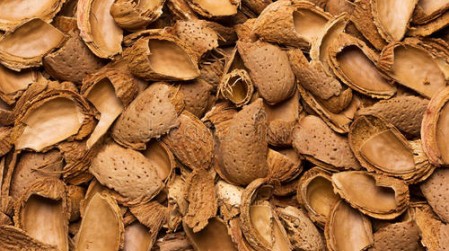

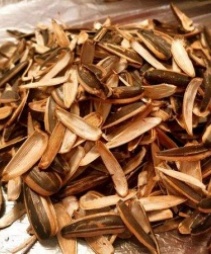


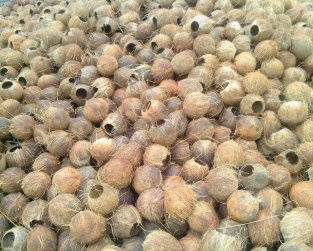
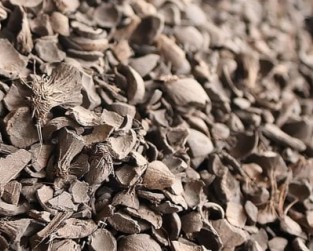
When processing raw materials using a pellet machine, two conditions must be met: The raw material size must be appropriate. Especially for longer materials like straw or wood, it’s necessary to pulverize them into 3-5mm powder.
Moisture content must be within the optimal range. 10%-15% moisture content is highly recommended. This prevents the raw material from being too wet, resulting in overly loose pellets, while also preventing it from being too dry, making it difficult to demold.
How does a peanut shell pellet machine work?
Next, we’ve included a test video of the peanut shell pellet machine. Once you place your prepared raw materials into the machine, a precise and efficient pelleting process begins in the pelleting chamber.
The feeder smoothly and steadily delivers the raw materials to the pelleting box.
Next, we’ve included a test video of the peanut shell pellet mill. Once you place your prepared raw materials into the machine, a precise and efficient pelleting process begins in the pelleting chamber.
Core components of the peanut shell pellet machine
The peanut shell pellet machine mainly consists of a feeding system, a pelletizing system, a transmission system, and a protection system. We select high-quality materials and ingenious design to maximize the use of every raw material, precisely and efficiently producing uniform, high-quality pellets.
- Wear-resistant stainless steel material extends equipment life.
- Modular design facilitates timely maintenance.
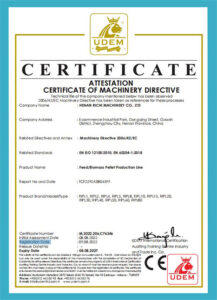
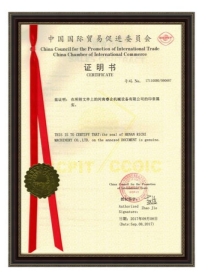
- Certified by international CE and ISO authorities, quality is guaranteed.
- Factory direct sales, affordable prices.
- Lifetime technical support ensures worry-free production.
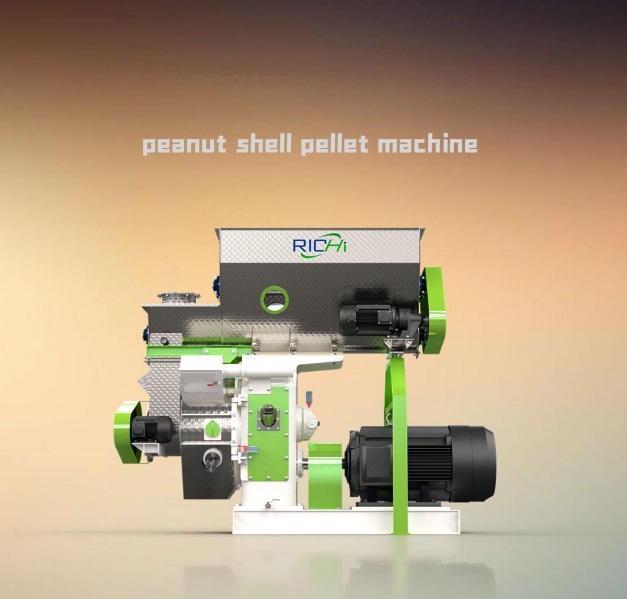
Feeding system
The peanut shell pellet making mill is equipped with an arch-breaking feeder and a forced feeder. They use external force to break up the raw materials and force them into the pellet mill, effectively reducing material loss.
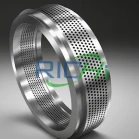
Ring die
If you want to process particles of different diameters, we have die holes ranging from 4 to 12 mm to choose from. When changing ring dies, the ring die lift can easily assist with loading and unloading. You only need to press a button.
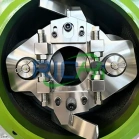
Granulation system
The ring die, pressure roller, and cutter are key components in pellet formation. To maximize their service life, we use 42CrMo to manufacture these components, which can withstand prolonged wear from the raw materials.
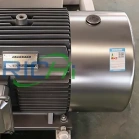
Siemens Motors
The Siemens motor, paired with a frequency converter system, powers the entire equipment. The operating speed is quickly adjusted according to the characteristics of the raw materials. For processing biomass raw materials such as peanut shells, we generally recommend using a 6P or 8P motor.
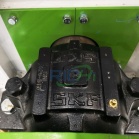
SKF bearings
Under long-term high-load operation, SKF bearings can ensure stable torque output. The multi-layered sealed dustproof structure completely prevents the intrusion of raw material dust, avoiding wear on critical components.
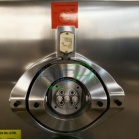
Safety pin
The safety pin is an emergency braking device. If the machine is overloaded or impurities enter, the safety pin will automatically break, shutting off the main switch and effectively ensuring granulation safety.

Various models of peanut shell pellet machines
RICHI Machinery’s peanut shell pellet machine offers flexible capacity options ranging from 1 to 10 tons per hour. Whether you’re using it at home or processing in a large factory, this machine can meet all your needs. Furthermore, we also provide customized production line services to suit specific capacity requirements.
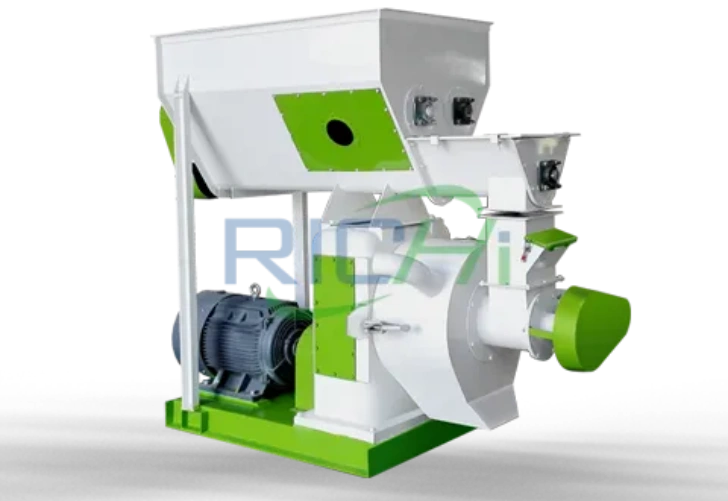
Compact Peanut Shell Granulator(0.2-0.5T/H)
- Equipment Models: MZLH-320, MZLH-350 Peanut Shell Pelletizer
- Features: Compact structure, small footprint.
- Price: 15,000-19,000
- Suitable for: Ideal for small biomass pellet plants, wood processing plants, or individual processing users.
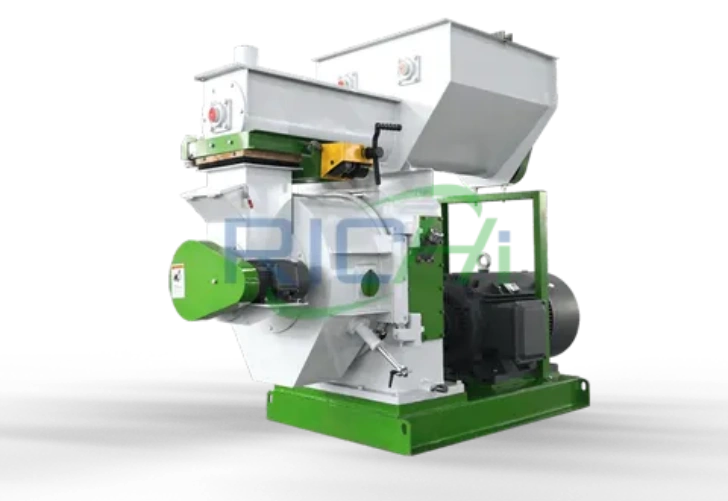
Commercial Peanut shell pellet press(1-2T/H)
- Equipment Models: MZLH-420 and MZLH-520Peanut Shell Pellet making machine
- Features: It is the main model for mass production, operates smoothly, and is very suitable for continuous production.
- Price: $20,000-$34000
- Application scenarios: Suitable for medium-sized pellet fuel plants or energy projects
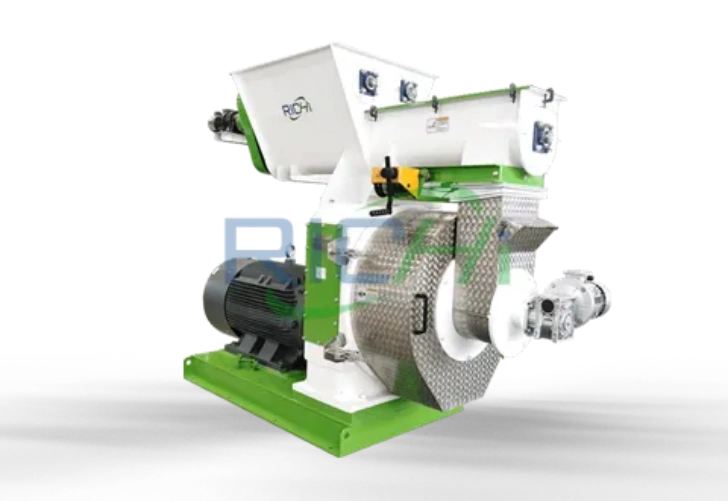
Industrial peanut shell pellet machine(2.5-4T/h)
- Selected Equipment: MZLH-678, MZLH-768 Peanut Shell Pellet mill
- Price:$45,5000 – $46,5000
- Features: It is an industrial ring die pellet mill. It has high output and strong stability.
- Application: Ideal for large-scale biomass pellet processing plants that prioritize output.
Peanut shell pellet machine parameters
| Model | CZLH320 | CZLH350 | CZLH420 | CZLH520 | CZLH678 | CZLH768 |
| Main Motor Power (kW) | 22 | 37 | 90 | 132 | 200 | 250 |
| Arch-Breaking Feeder Power (kW) | 2.2 | 2.2 | 3 | 3 | 3 | 4 |
| Forced Feeder Power (kW) | 0.75 | 0.75 | 1.5 | 1.5 | 1.5 | 1.5 |
| Die Inner Diameter (mm) | 320 | 350 | 420 | 520 | 673 | 762 |
| Finished Pellet Diameter (mm) | 4~12 | |||||
| Output (T/H) | 0.5-0.6 | 1.0-1.2 | 1.8-2.0 | 2.8-3.0 | 4-5 | 6-8 |
(Standard output may vary depending on the condition of the raw materials. Specific parameters need to be determined based on actual production conditions.)
Global Case Studies of Peanut Shell Pellet Machine
RICHI peanut shell pellet machines have been applied to numerous successful biomass pellet projects. We provide scientific and reliable production solutions tailored to our clients’ specific needs, successfully helping customers worldwide achieve waste resource utilization and stable income. Below are some classic case studies for your reference.
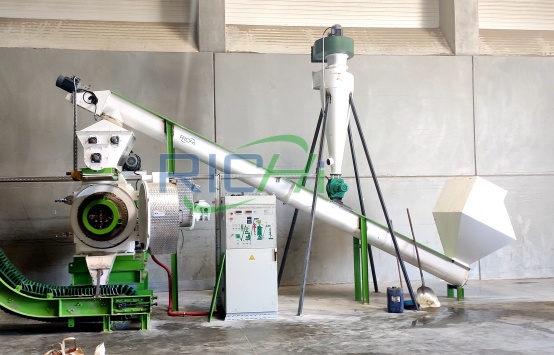
1-2T/h peanut shell pellet machine in Nigeria
- Installation Date: July 13, 2023
- Project Type: Industrial Boiler Combustion Pellet Production Line
- Application: Utilizing locally sourced waste peanut shells to generate clean combustion pellets for sale to local food factories, textile mills, etc.
- Raw Materials: Peanut shells, palm shells, sawdust, tapioca starch.
- Pellet Diameter: 6-8mm cylindrical pellets
- Equipment: MZLH-520 peanut shell pellet machine for sale, crusher, dryer, packaging equipment, etc.
- Custom Drawings: Flowchart, production line layout diagram
- Installation Period: 30 days
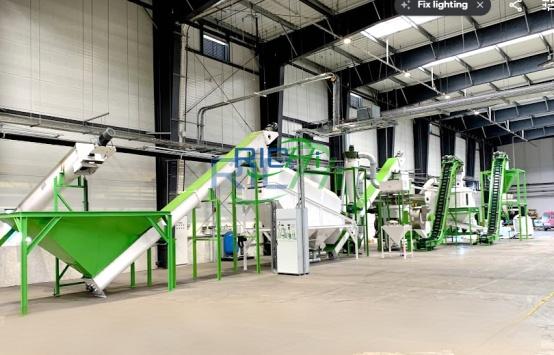
Congo3-4/H Peanut Shell Granulator
- Installation Date: June 12, 2022
- Project Type: Peanut Shell Organic Fertilizer Production Line
- Project Background: The client owns a planting base. He wants to use peanut shells to produce organic fertilizer. A portion will be used as fertilizer for crops, and the remainder will be sold to surrounding farms or plantations
- Raw Materials: Peanut shells, cow and sheep manure, cassava residue, etc.
- Particle Diameter: 4-6mm
- Equipment: MZLH350 peanut hull pellet mill, crusher, mixer, turner, dryer
- Installation Period: 10 days
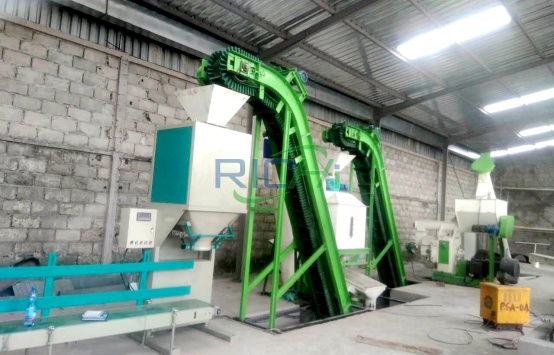
Mexican 2-3 ton/hour peanut shell pellet press
- Project Date: March 12, 2023
- Project Type: Peanut Shell Biomass Energy Production Line
- Client Background: A biomass energy company wants to produce alternative energy pellets. Its main raw material is locally sourced peanut shells.
- Raw Materials: Peanut shells, fruit shells, corn stalks
- Pellet Diameter: 6-8mm
- Main Equipment: MZLH-678 peanut shell pelletizer, crusher, mixer, dryer, and automatic packaging equipment
- Custom Drawings: Production line flow chart, workshop layout diagram, equipment installation drawings, control cabinet drawings
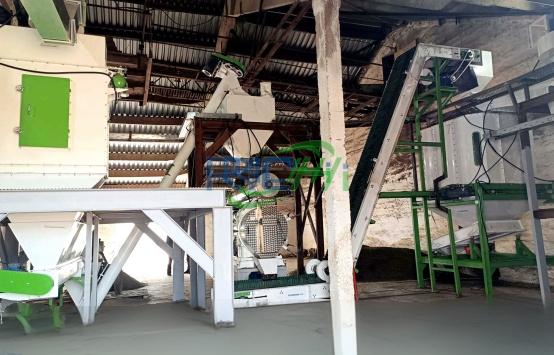
Indian 3-4 ton/hour peanut shell pelleter
- Installation Date: September 2, 2018
- Project Type: Peanut Shell Animal Bedding Pellet Production Line
- Customer Needs: To produce livestock bedding for cattle and sheep using agricultural waste such as peanut shells.
- Raw Materials: Peanut shells, rice husks, sawdust
- Pellet Diameter: 6-8mm
- Production Line Equipment: MZLH-768 peanut shell pellet press, crusher, dryer, etc.
- Installation Period: 15 days
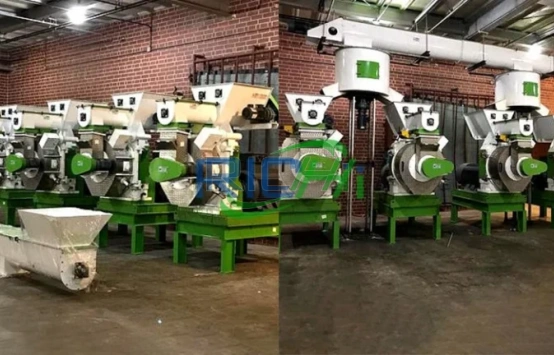
8-ton/hour peanut shell pellet machine in the United States
- Start Date: April 12, 2023
- Project Type: Automated Peanut Shell Pellet Production Line
- Production Requirements: The client wants an automated production line capable of continuous operation.
- Applications: Pellets for industrial boilers and residential heating.
- Raw Materials: Peanut shells, sawdust, corn stalks
- Pellet Diameter: 6-10mm
- Equipment: MZLH-768×2 peanut shell pelletizer, crusher, dryer, cooler, automatic baling scale, PLC intelligent system
- Operators: 4-5
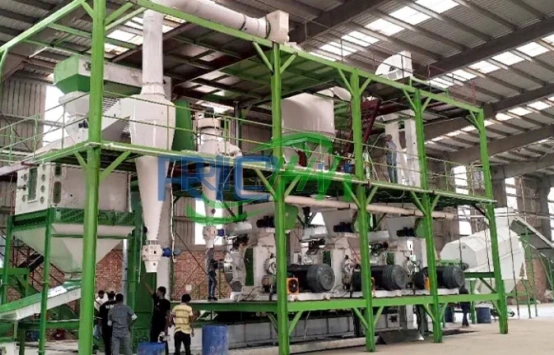
Argentina 10 tons/hour peanut shell pellet mill
- Project Type: Peanut Shell Export Biomass Energy Project
- Project Background: Argentina has abundant peanut shell resources. The client wants to sell the processed peanut shells globally. Therefore, they want the product to have high density, low moisture content, and be suitable for long-distance transportation.
- Production Equipment: Dryer, crusher, MZLH-678×4 peanut shell pellet making mill, cooler, and automatic packaging system.
- Raw Materials: Peanut shells, sawdust, wheat straw, corn stalks
- Pellet Diameter: 6-8mm
- Final Result: After 30-60 days of sea or land transportation, the peanut shell pellets have a stable structure and are largely unbroken.

Peanut shell pellet production line
A peanut shell feed production line includes cleaning, crushing, drying, cooling, and packaging sections. However, the production line configuration is not static. Based on your production situation, we can adjust the process to the most suitable solution to maximize your production efficiency.
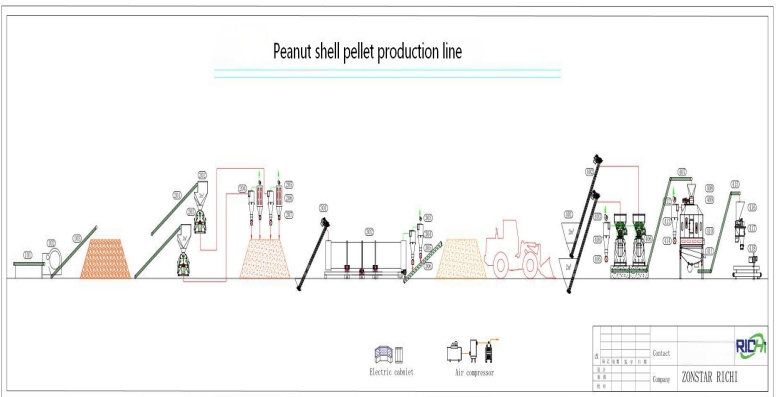
1
Raw material cleaning
Peanut shells may contain stones, silt, and other impurities. Directly adding them can damage both the machinery and the finished product. Therefore, we install peanut shell cleaning equipment to remove these impurities.
2
Peanut shell crusher
This step is optional depending on the size of your raw materials. If your raw materials are already 3-5mm powder, you can granulate them directly. Otherwise, you will need to crush the raw materials in a grinder.
3
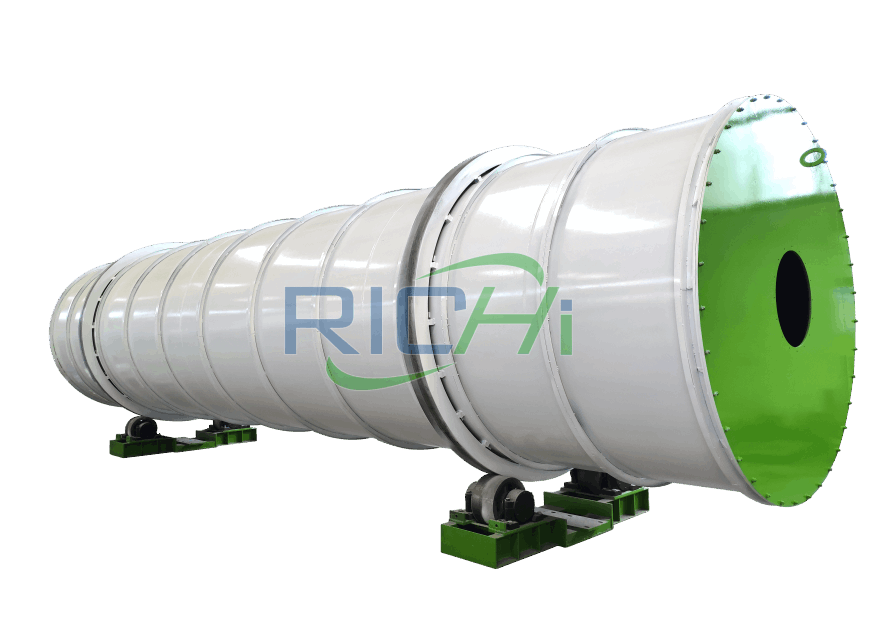
Raw material drying
This step ensures that the raw materials entering the pellet mill are at the optimal pelleting humidity. After the damp raw materials are thoroughly mixed with the hot air inside the dryer, the moisture will gradually evaporate and drop to the ideal range (10%-15%).
4
Pelletizing section
Peanut shell pellet machines are ideal equipment for biomass pellet production. They transform loose peanut shells into usable pellets, helping you rapidly expand your energy market.
5
Cooling section
The freshly produced granules are hot and soft. Cool air from inside the cooler rises from the bottom up, quickly removing heat from the granules’ surface and moisture from within. This helps the granules cool and set quickly, extending their storage and transportation time.
6
Finished product packaging
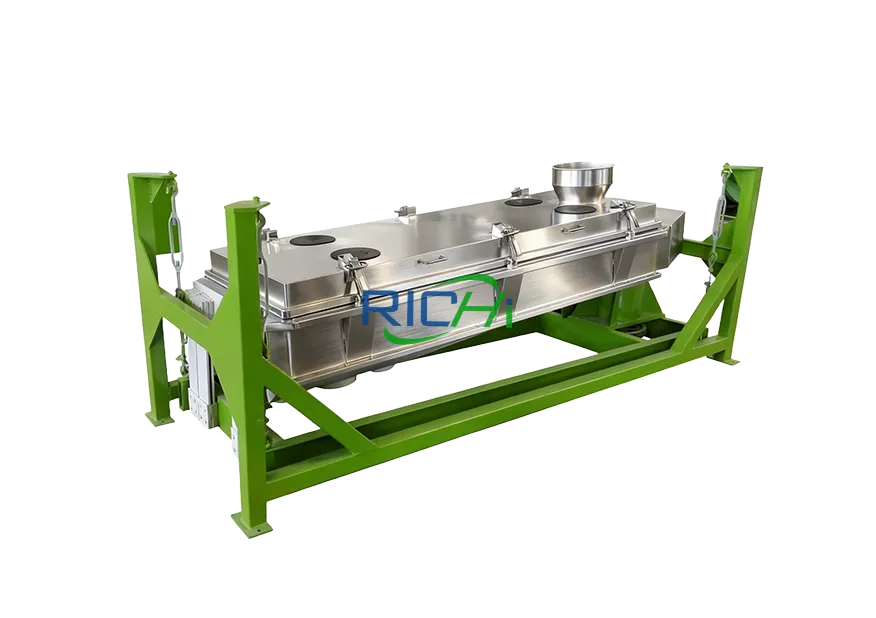
The screening machine separates uniformly sized, dense, and compact particles. These qualified particles can then be directly packaged into bags.
Other equipment in the peanut shell pellet production line
In addition to peanut shell pellet machines, we also offer a variety of high-quality supporting equipment. These can be used not only for production line setup, but also for individual selection to meet diverse production needs.
Cylinder Pre-Cleaner
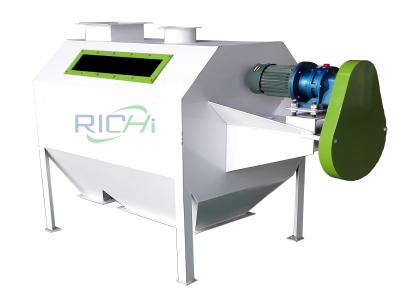
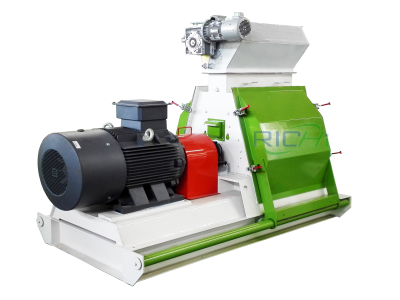
Peanut shell crusher
Rotary drum dryer
Counterflow cooler

vibrating screen
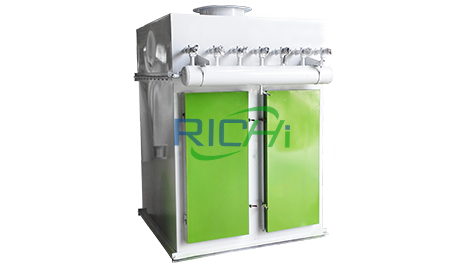
pulse dust collector
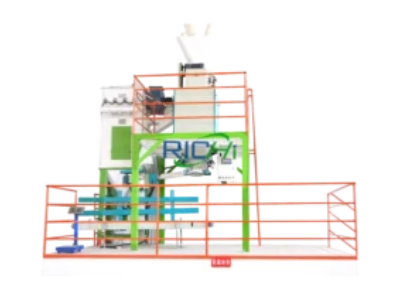
Automatic Packing Scale
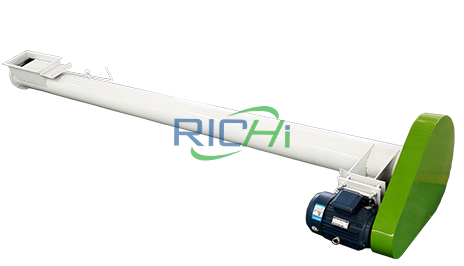
conveyor
Why Choose RICHI Machinery
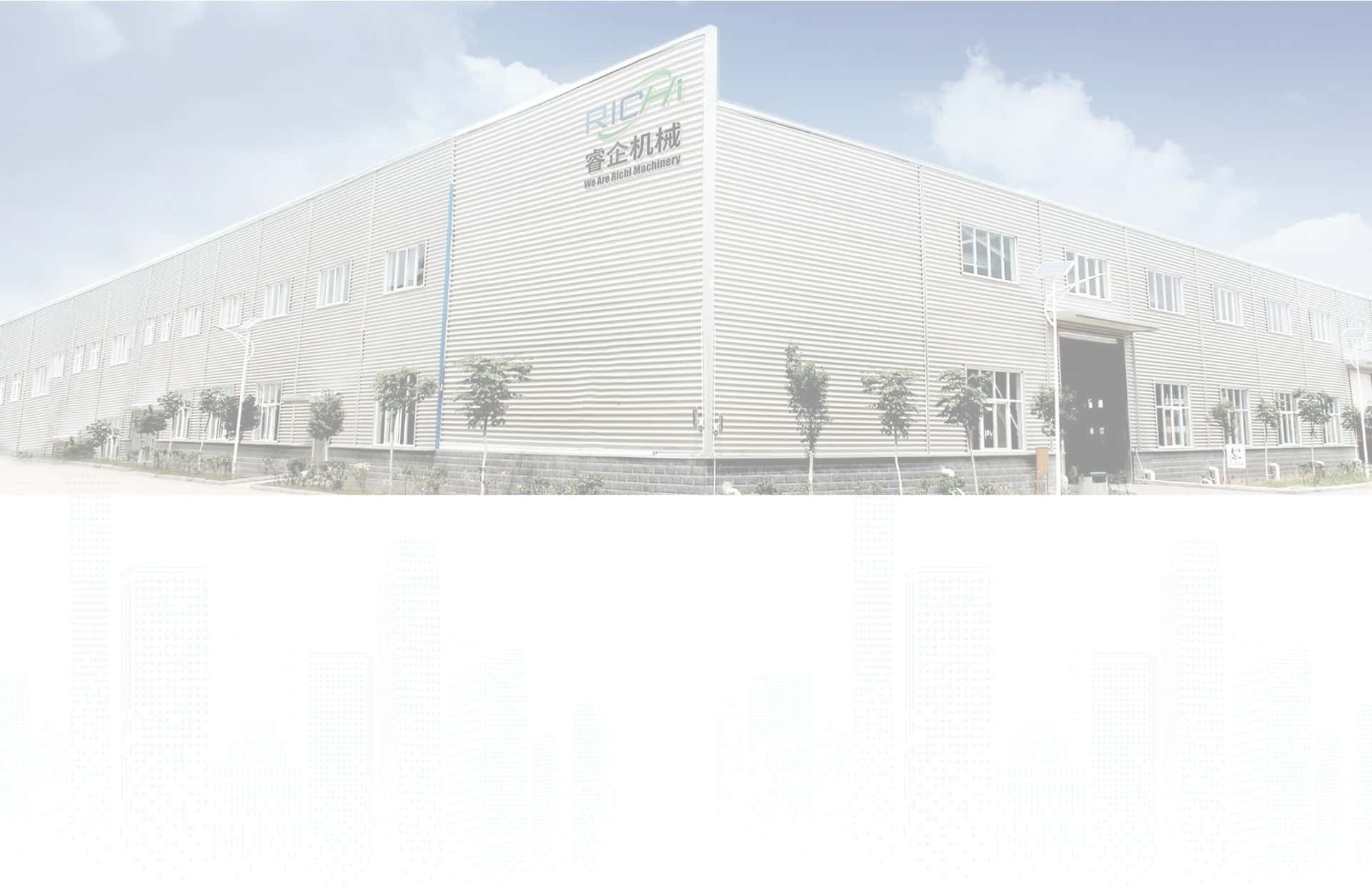
Choosing RICHI Machinery means not just acquiring a single machine, but teaming up with a reliable partner with nearly 30 years of expertise in Biomass pellet equipment. We look forward to joining hands with you to shape a new future for the industry.
Excellent after-sales service
After the peanut shell pellet machine arrives, we will carry out professional commissioning and acceptance. Our technicians will repeatedly commission the equipment in each production section to ensure the equipment operates up to standard. Additionally, if you are unfamiliar with our equipment, RICHI technicians will provide one-on-one on-site training until your team can operate the entire production line independently. For any questions, our technicians can provide online guidance.
Customized design
RICHI has a dedicated R&D and design team to provide you with customized services. We offer over 200 products to meet all types of chicken feed production needs. In addition, we provide full-process design services, including site planning and equipment layout. Whether you are new to the feed industry or already operating a mature production line, just share your requirements with us, and we will deliver a tailored solution based on your actual situation.
Our Honors
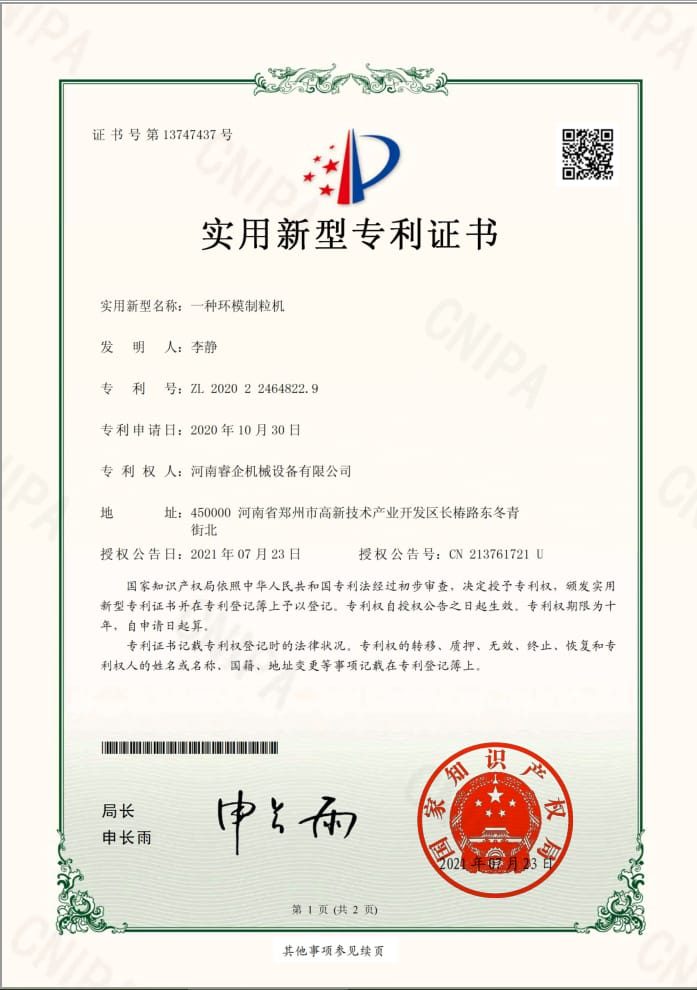
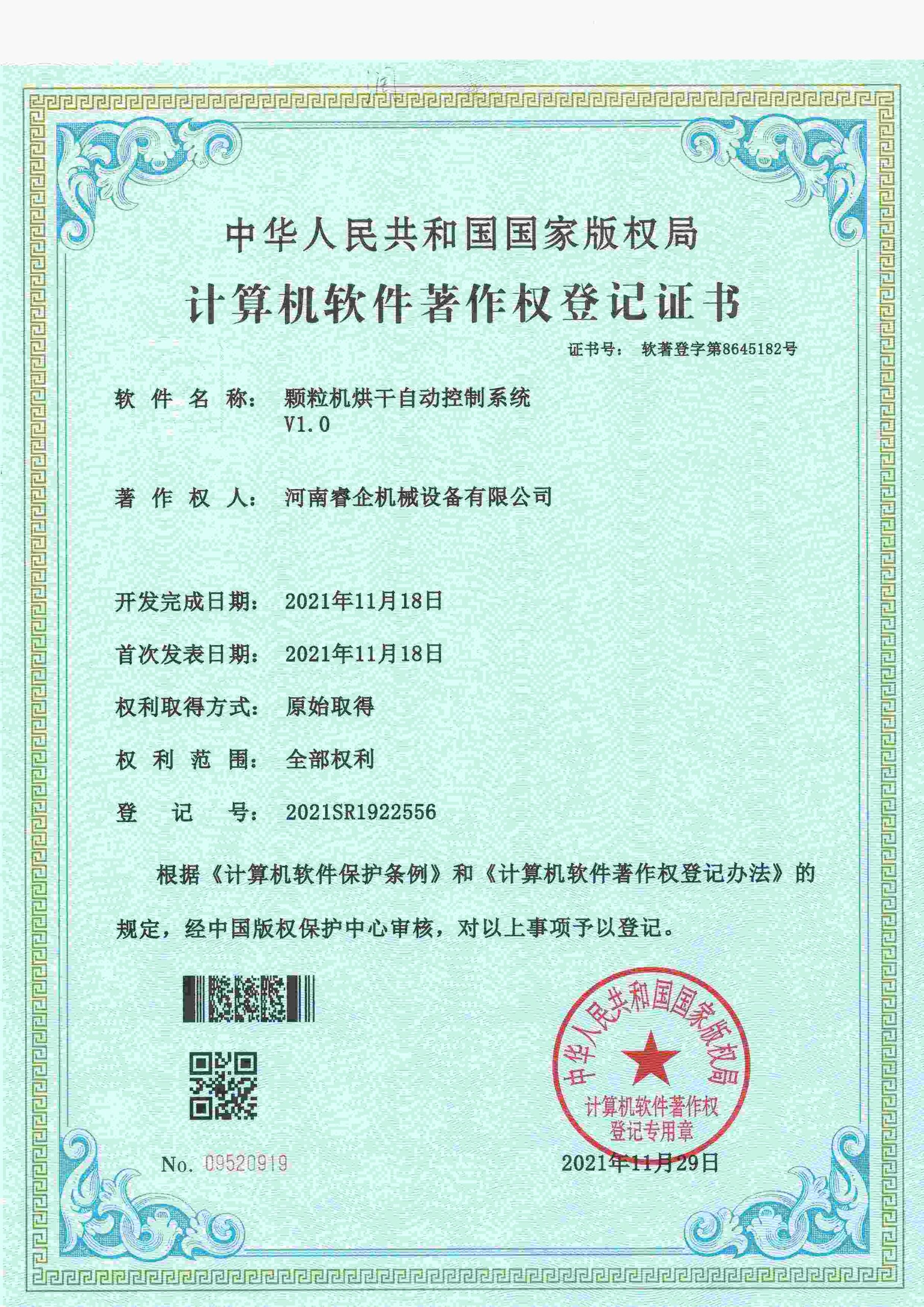
At RICHI Machinery, we believe that stable performance and real results matter more than slogans. Over the years, we have earned a number of international certifications and national patents, especially in equipment design and quality control. This means our feed and biomass pellet machines are not only well-designed, but also proven in real projects. We welcome the opportunity to work with you and support your business growth with reliable and efficient solutions.
High-quality equipment production
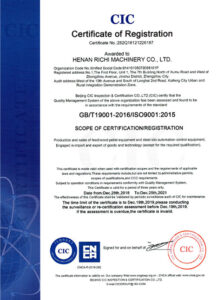
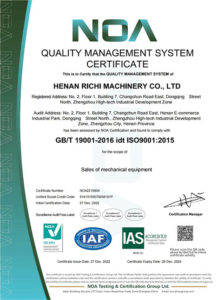
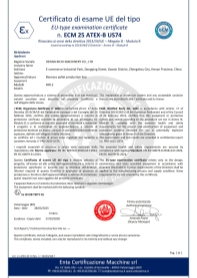
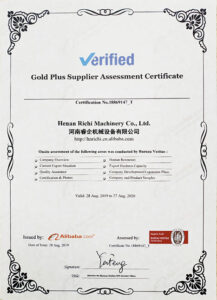
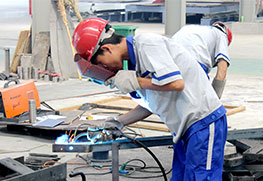
The machine production stage is the core link of the entire project implementation. We own two modern intelligent manufacturing bases and operate a strict quality control system. Every piece of equipment meets international first-class standards. The company has passed BV certification, ISO International Quality Management System Certification, European CE Certification, and Swiss SGS Certification, among others.


consultation
cooperation
production
transportation

Frequently Asked Questions
Here are some frequently asked questions. You can also contact us at any time for answers.
In which fields can peanut shell pellet machines be used?
Peanut hull pellet machines have a wide range of applications.
Firstly, they can be used in the energy market. After compression, peanut shells form high-calorific-value, low-dust combustion pellets. Compared to bulk peanut shells, they burn more efficiently, making them ideal for industrial boilers, combustion, and residential heating, among other applications.
The ash left after combustion can be used to make organic fertilizer for crop cultivation.
This equipment can also be used to produce animal bedding. Peanut shells have natural water absorption and deodorizing properties. After compression into pellets, there is no dust irritation, making them more popular than traditional sawdust bedding.
What is the price of a peanut shell pellet machine?
The price of a peanut shell pellet press typically ranges from $15,000 to $50,000. However, it varies depending on the production configuration and output. Generally, the higher the output, the higher the price.
You can inform our sales staff of your raw materials and production needs in detail. They will provide a detailed production plan and the most affordable quote based on your requirements.
Do peanut shell pelleting processes require the addition of binders?
Normally, this is not necessary.
Peanut shells naturally contain lignin. Under the high-temperature extrusion of a peanut shell pellet machine, the lignin gradually softens and creates a binding effect. This binds the loose material together, forming smooth, compact pellets.
However, if your material is drier, or if you want to further increase the hardness of the pellets, you can add a small amount of starch, tapioca flour, etc., to aid in pellet formation.
How is your after-sales service?
We have a comprehensive after-sales service system.
Before shipping, we conduct rigorous testing on each machine to ensure it reaches you in optimal condition.
Furthermore, the equipment comes with a one-year warranty and lifetime technical support. If any problems arise with the equipment, we will dispatch specialists to resolve them within 24-72 hours.
After installation, our engineers will provide one-on-one training to your team. Under normal circumstances, each employee can become proficient in operation within 1-2 days.