

Feed
Goat Feed Pellet Making Machine
A goat feed pellet making machine can process powdered raw materials into feed pellets for goats. The finished product is nutrient-rich, compact, and easy to digest, meeting the nutritional requirements of goats at various growth stages—including lambing, fattening, and breeding.
RICHI offers customized production solutions tailored to your specific needs. Widely applicable to family farms, professional breeders, and commercial feed mills.

Major Challenges in Goat Feed Pellet Production
Selecting a goat feed pellet making machine involves more than just comparing prices and capacities. Factors such as raw material characteristics, pellet quality, production requirements, and maintenance costs all influence your final decision. Understanding these challenges is the first step toward finding the right pelletizing solution for your farm or feed business.
Difficulty Processing Diverse Materials

Does your goat pellet machine struggle to process high-fiber grass, hay, and mixed feed ingredients smoothly?
Poor Pellet Quality
Are your pellets too loose or brittle, with excessive fines that affect feed quality and increase production waste?
Insufficient Production Capacity
Does your goat feed pellet making machine struggle to meet your growing production demands?
Frequent Maintenance
Are frequent and unexpected maintenance downtimes disrupting your production schedules and increasing your operating costs?
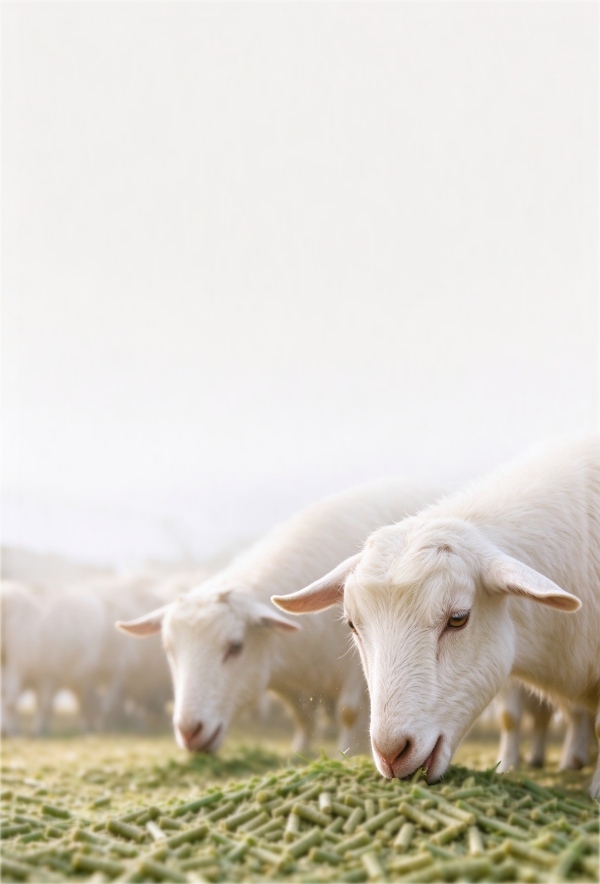
High-quality RICHI goat feed pellet mills for sale
When purchasing a feed pellet machine, you should examine details regarding raw material requirements, mechanical design, model specifications, and construction materials. This will help you quickly determine whether a particular brand’s pellet mill can help you avoid the four issues mentioned earlier.
The most reliable and convenient approach is to request precise, relevant data directly from the manufacturer you are considering.
The RICHI goat feed pellet mill addresses all the aforementioned issues, ensuring a superior pelletizing experience.
High-quality goat feed manufacturing machine for sale
RICHI Machinery has developed a dedicated goat feed pellet making machine that transforms low-value, high-fiber agricultural waste into high-standard, high-value commercial feed, allowing you to obtain higher value at a lower cost.
Furthermore, during our 30 years of research and development, our equipment has achieved a maximum service life of 25 years.
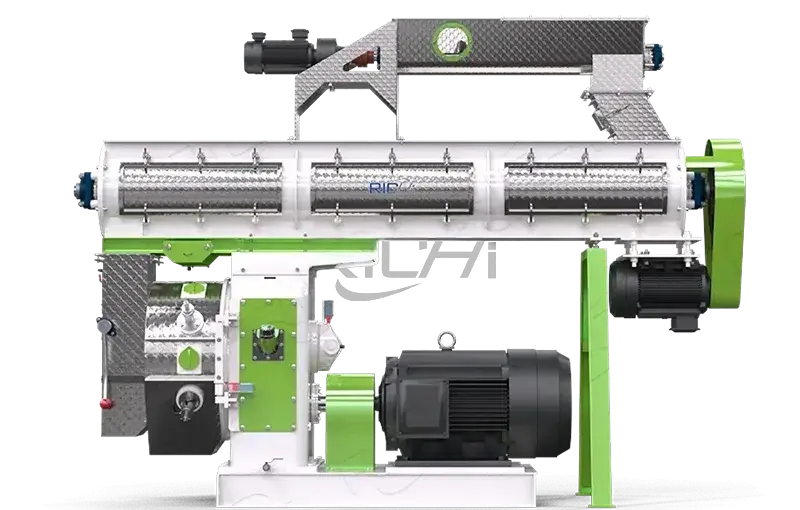

High Adaptability
The goat feed pellet making machine uses a high-compression ratio and a wear-resistant special ring die, quickly and easily adapting to high-fiber materials. At the same time, the 40CrMnTi alloy press rollers ensure better molding of fibrous materials and tighter pellets.

Stable Transmission
Output capacity options ranging from 1 to 45 tons per hour cater to diverse production requirements, powered by an efficient gear drive system. The entire pelletizing system operates with high efficiency, smooth performance, and quiet operation.

Ultra-Durable
The complete goat feed pelletizing system features thickened steel, robust welding, and German SKF bearings in core rotating components, ensuring reliable high-load operation and reducing cost losses caused by downtime.
More secure
When equipment operates under an overload, the safety pin can rapidly trip the main switch, preventing further damage to core components and the motor, while safeguarding the production process and workers.

Watch real project videos
Rather than just hearing about how great goat feed pellet making machines are, why not see one in action through videos of actual projects? We have included three such videos below—take a look to see the quality of the pellets produced and whether the equipment’s performance meets your requirements.
If you would like to see more videos, you can find them directly on YouTube.
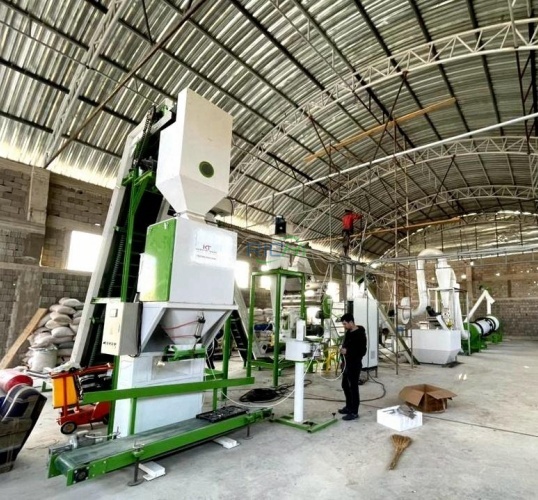

Uzbekistan
1-2 t/h goat feed production line in Uzbekistan
A small-scale production line, with forage accounting for 50%–80% of the input, comprises a crushing and drying system, a mixing and pelletizing process, and a cooling and packaging system. The final product consists of 4–6 mm pellets for goats.
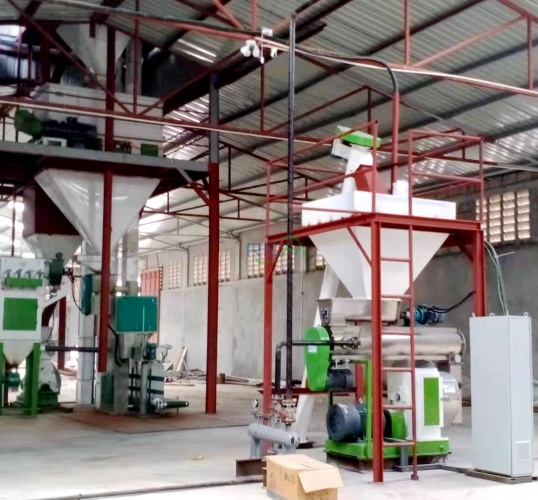

India
3T/H Goat Feed Pellet Making Machine in India
This livestock feed production line is primarily designed to produce feed pellets for cattle and sheep. To ensure a clean production environment, the system is equipped with a cyclone and pulse-jet dust collection system, which effectively captures coarse particles, grass meal, and fine dust.
Goat pelleting projects similar to yours
RICHI goat feed pellet making machines have been exported to numerous countries, including the United States, Argentina, and New Zealand. Rather than applying a one-size-fits-all template, RICHI develops customized production solutions by carefully assessing each client’s specific requirements—such as raw materials, production capacity, and pellet specifications—ensuring the systems are well-suited to even the most demanding environments and complex operational needs.
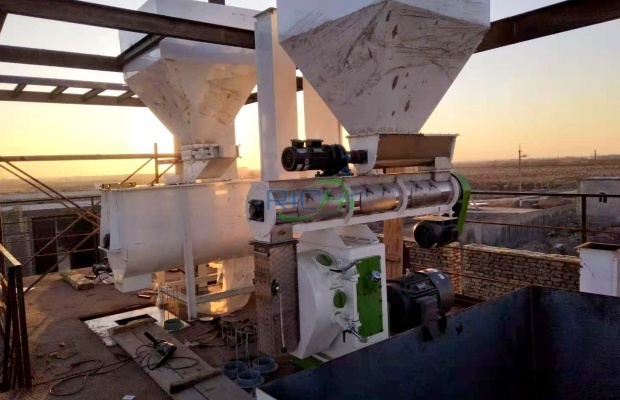
3-4 t/h goat feed making machine in Argentina
The project commenced in October 2021, with an overall installation period of 50 days. The customer’s main raw materials contain 50%-60% forage. Therefore, ensuring smooth feed intake and increasing yield has become a key consideration.
- CZLH678 Pellet Mill Configuration: An anti-bridging and forced-feeding mechanism agitates and pushes the material, ensuring a smooth flow into the goat feed pellet mill (designed for goat feed production). After one year of trial operation, the client reports a stable pellet output of 3.8 tons per hour (T/H).
- Pellet Size: 6mm
- Auxiliary Equipment: Bale breaker (for loosening baled forage), hammer mill, dryer, mixer, cooler, and packing scale.
- Total Cost: $85,000
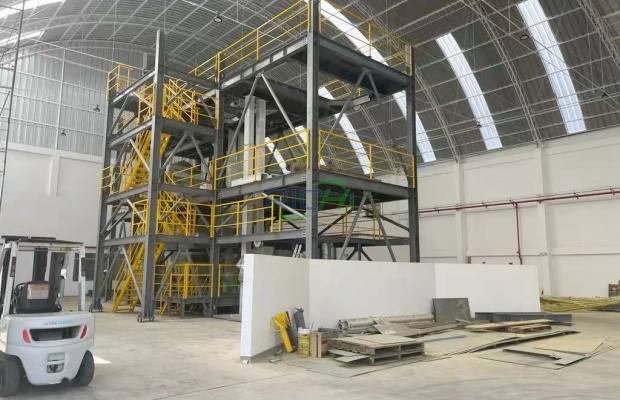
4–5 t/h Goat Feed Pellet Machine in Ethiopia
The Ethiopian pelleting project primarily produces 4-6mm goat pellets. The goat feed pellet making machines are equipped with temperature gauges to precisely control the conditioning temperature between 65-70 degrees Celsius, minimizing heat damage to vitamins and other nutrients.
- Main Ingredients: Corn, wheat bran, nut seed biscuits, vitamins, minerals, and salt
- Goat Pelletizer Model: SZLH350
- Other Equipment: Batching scale, corn crusher, animal feed mixer, cooler, and bagging scale
- Six months after production began, the client happily shared with us that the pellets being produced have excellent palatability, are firm and resistant to breakage, and maintain a stable PDI (Pellet Durability Index). As a result, they have secured a large volume of feed orders from local farms.
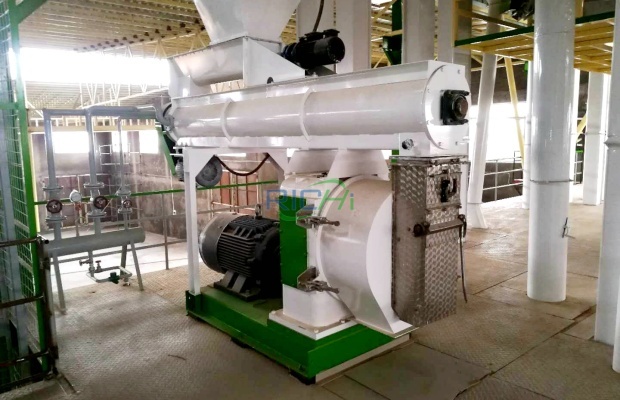
10–12 t/h Goat Feed Pelletizing Machine in the USA
The primary challenge in this livestock feed production line lies in accommodating various feed formulations and pellet sizes. The client, a specialized feed manufacturer, intends to produce feed pellets for cattle and sheep using ingredients such as corn, soybean meal, molasses, and premixes.
- Production Type: Multi-recipe Feed Production
- Pellet Mill Configuration: Model SZLH420. The end customer has specified a pellet size of 4mm for sheep feed and 6–8mm for cattle feed. Consequently, the equipment is supplied with three sets of ring dies; switching between products simply requires changing the ring die.
- Additional Equipment Includes: an automatic batching scale, mixer, cooler, screener, and automatic bagging scale. The system features an intelligent PLC control (enabling real-time monitoring and one-touch recipe switching).
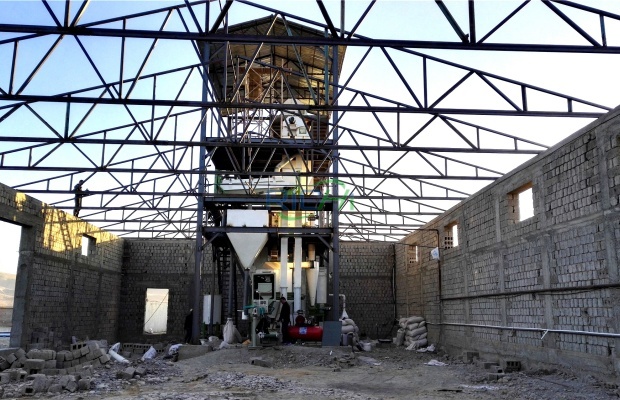
15 t/h goat feed pellet making machine in Türkiye
This project is a mixed animal feed production line capable of flexibly switching between the production of complete-feed pellets for goats (at a capacity of 15 t/h) and premixes for cattle and goats.
- Main Ingredients: corn, wheat bran, alfalfa, hay, and trace minerals.
- Pelleted Feed Production: mixing → high-temperature conditioning → pelletizing (using an SZLH508 pellet mill) → counterflow cooling → screening → packaging.
- Production Of Premix: once the ingredients have been ground and mixed, the material is diverted via a bypass directly to the premix packaging scale.
- Design For Preventing Cross-Contamination: Features include a quick-cleanout structure

Choose Your pelletizing Solution
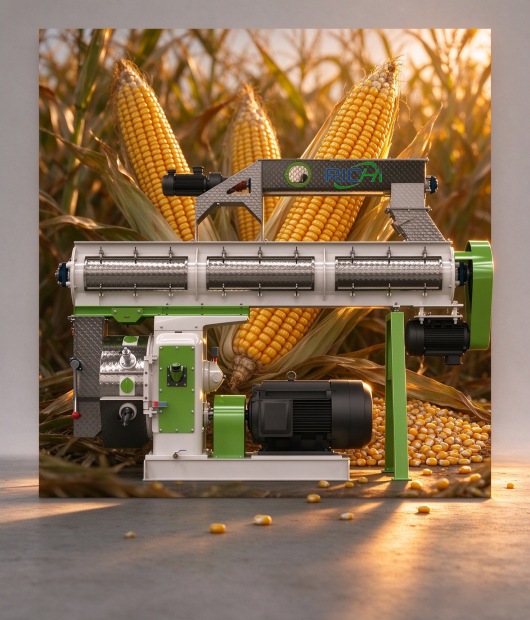
Goat diets consist of a combination of forage, grains, protein sources, and premixes. To accommodate diverse ingredient formulations and achieve superior pelletizing results, RICHI has developed two types of goat feed pellet making machines—categorized based on whether or not the formulation includes forage.
Grain-based goat pellet making machine
It offers higher yield and consistent pellet formation. High-temperature steam facilitates starch gelatinization and softening, which improves the digestibility of the pellets and promotes growth and weight gain in goats.
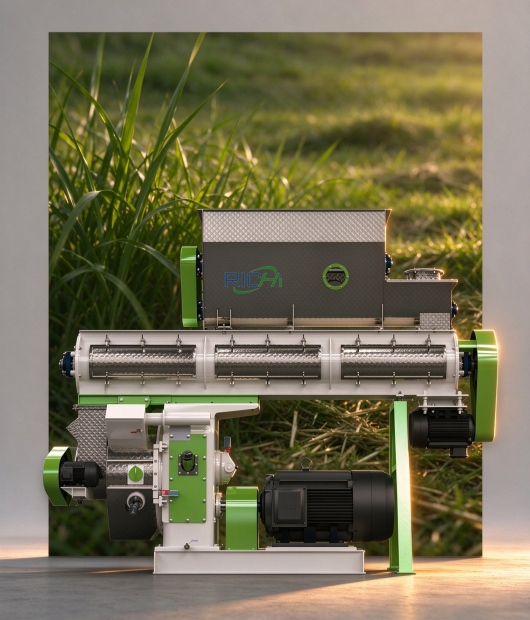
Forage-Based Goat Feed Pellet Mill
This model of goat feed pellet making machine excels at processing formulas containing forage. It features increased torque and a reinforced drive system, which helps overcome the extrusion resistance caused by bulky, coarse-fiber materials.
Technical Specifications
The specific specifications for two types of goat feed pellet making machines are provided below. Forage raw materials—characterized by high crude fiber content and a loose, bulky texture—are more challenging to process into pellets. If your feed formula contains a high proportion of forage, the actual production output will be lower. Consequently, when producing pellets, it is crucial to carefully consider how to adjust the formula to strike the right balance between production capacity and nutritional value.
goat feed pellet machine price: $7,000–$100,000
| Grain-based goat pellet making machine | |||||||||
| Model | SZLH250 | SZLH320 | SZLH350 | SZLH420 | SZLH508 | SZLH558 | SZLH678 | SZLH768 | SLZH858 |
| Main Motor Power (kW) | 22 | 37 | 55 | 110 | 160 | 185 | 250 | 315 | 355 |
| Feeder Power (kW) | 1.1 | 1.5 | 1.5 | 1.5 | 1.5 | 1.5 | 1.5 | 2.2 | 2.2 |
| Modulator Power (kW) | 1.5 | 4 | 4 | 7.5 | 7.5 | 11 | 11 | 11 | 15 |
| Die Inner Diameter (mm) | 250 | 320 | 350 | 420 | 508 | 558 | 673 | 762 | 858 |
| Finished Pellet Diameter (mm) | 2~12 | ||||||||
| Output (T/H) | 1.0-1.5 | 3-4 | 5-6 | 10-12 | 15-16 | 20-22 | 30-33 | 38-40 | 40-45 |
| Forage-Based Goat Feed Pellet Mill | ||||||
| Model | CZLH320 | CZLH350 | CZLH420 | CZLH520 | CZLH678 | CZLH768 |
| Main Motor Power (kW) | 22 | 37 | 90 | 132 | 200 | 250 |
| Arch-Breaking Feeder Power (kW) | 2.2 | 2.2 | 3 | 3 | 3 | 4 |
| Forced Feeder Power (kW) | 0.75 | 0.75 | 1.5 | 1.5 | 1.5 | 1.5 |
| Die Inner Diameter (mm) | 320 | 350 | 420 | 520 | 673 | 762 |
| Finished Particle Diameter (mm) | 4~12 | |||||
| Output (T/H) | 0.5-0.6 | 1.0-1.2 | 1.8-2.0 | 2.8-3.0 | 4-5 | 6-8 |
Related devices you may be interested in
Precision Components
Goat feed ingredients often contain a large proportion of roughage, such as peanut vines, soybean stalks, and grass meal. RICH has developed a specialized goat feed pellet making machine, with a structural design optimized for the production of goat feed pellets.
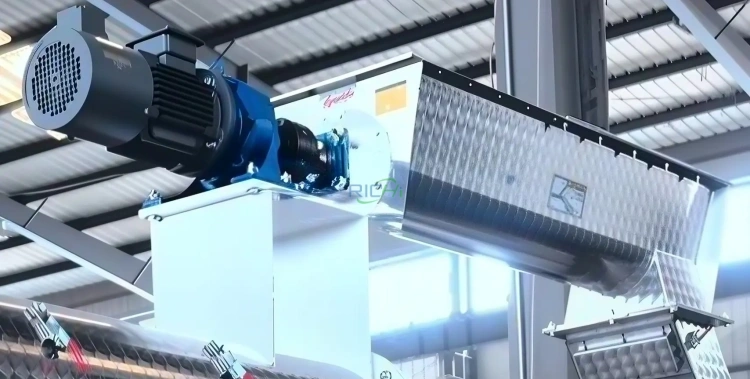
Feeding system
Goat feed raw materials contain relatively high levels of corn, soybean meal, and grass powder, which can easily cause feeding difficulties.
Variable-frequency feeder
The variable frequency feeder, through automatic adjustment, achieves stable and precise material conveying, making the goat feed pelletizing process smoother.

Conditioning System
The unique characteristics of the goat’s rumen digestion enable it to make better use of gelatinized starch.
Stainless Steel Conditioner
Through hydrothermal treatment, the conditioning system can soften the fibers and starch within the raw materials, improving their gelatinization characteristics and plasticity.
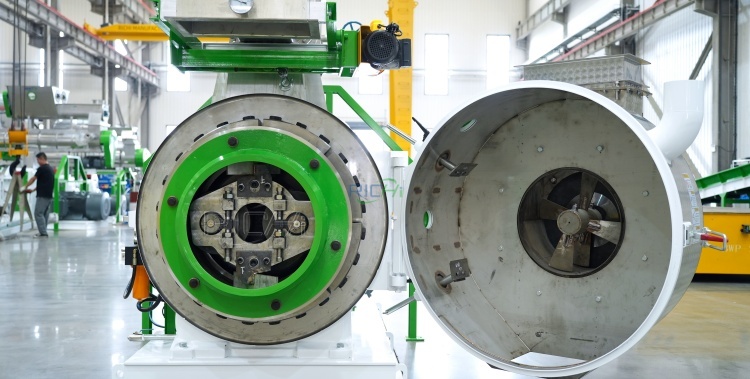
pelletizing System
Goats often prefer to push aside softer, easily crumbled feed pellets in favor of consuming firmer, more intact pellets.
pelletizing System
The pellet mill utilizes a meticulously optimized, intensive conditioning process and highly durable, wear-resistant rollers to ensure superior pellet hardness and a lower breakage rate.

Forced feeder
When long-fiber, bulky forage is held at a temperature of 80–85°C for 30–90 seconds, the material—upon falling into the chute below—tends to form a pile.
Forced feeder
The forced feeder uses a turbine motor to continuously break up the arches, providing sufficient material for the pelletizing chamber.

Multi-specification ring die
RICHI offers a variety of ring dies and electric cranes to make changing dies easy for operators.
Wear-resistant ring die
Forage for goats contains silica, which places higher demands on ring dies. RICHI ring dies are manufactured using high-chromium alloy and undergo a carburizing heat treatment process. High surface hardness, wear-resistant and durable.

Drive System
Equipped with a heavy-duty gearbox drive, it achieves a transmission efficiency of up to 95%.
Drive System
The machine utilizes a three-phase asynchronous motor and a gearbox for efficient power transmission, resulting in higher torque, more stable operation, and easier maintenance.
Working Principle
The goat feed pellet making machine primarily utilizes the heat and moisture from a conditioner, combined with the triple pressure action of dual pressure rollers. It physically modifies and restructures materials with low cohesiveness, such as straw and forage.
Ultimately, it sterilizes and softens the raw materials and then rolls them into compact pellets, resulting in a high-quality feed product that promotes rumination and saliva secretion in goats.
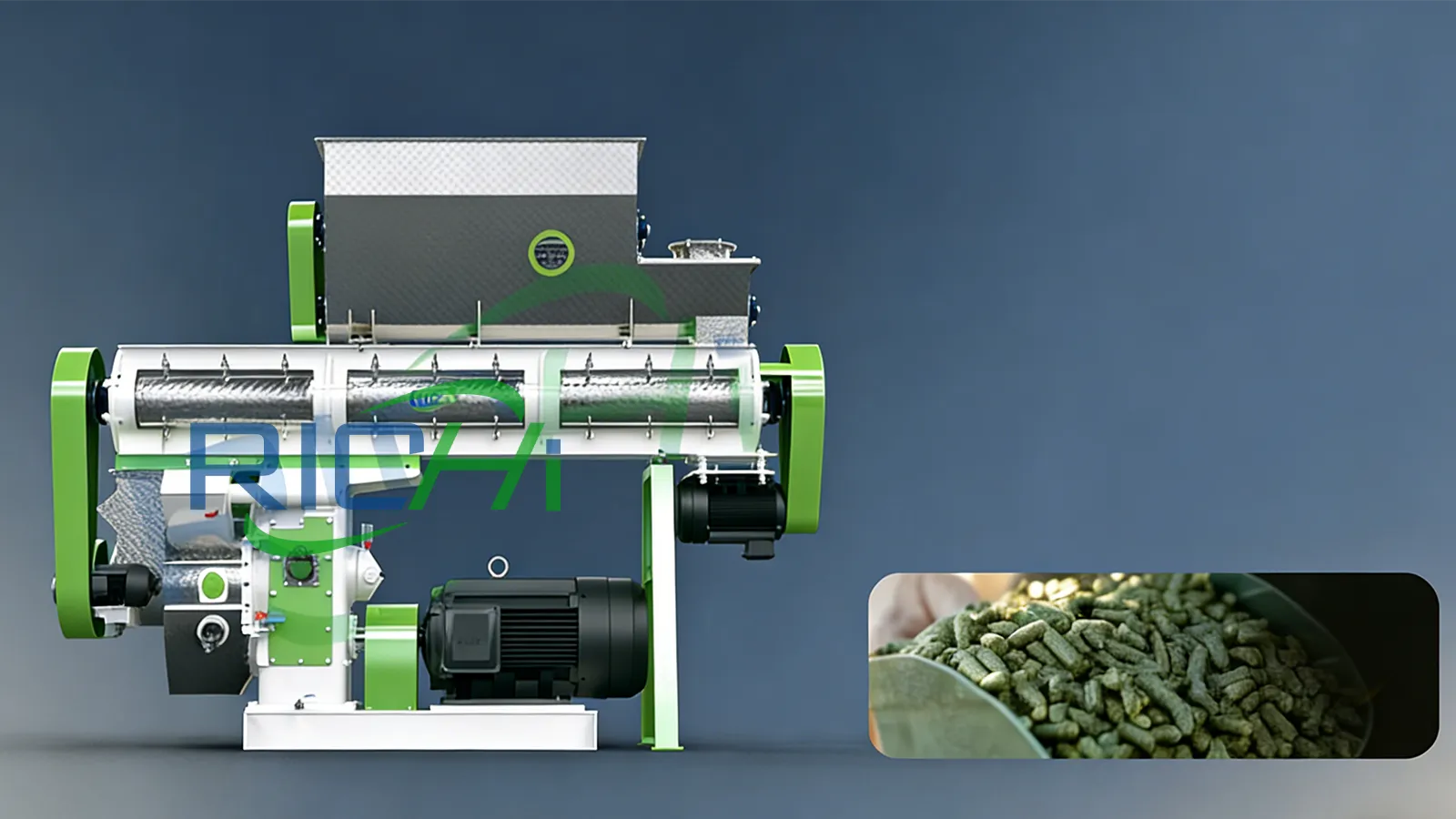
The pelletizing process of a goat feed pellet machine
What kind of pellets would you like?
Goat feed pellet making machines are capable of producing pellets ranging from 2 to 12 mm in diameter, meeting the nutritional requirements of goats at various growth stages—from lambs to adults. For multi-category commercial feed mills, different aperture ring dies and feed formulations can be flexibly changed to simultaneously produce cattle feed and other ruminant feed. This helps reduce the capital investment otherwise required for purchasing separate equipment.
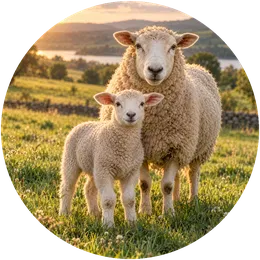
2–3 mm
Lamb
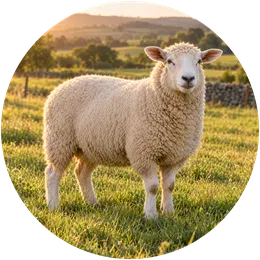
4mm
Young Sheep And Ewe
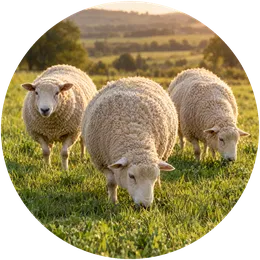
5-6mm
Adult Sheep
8mm
Fattening Sheep

10mm
Large Meat Goats
How to make goat feed pellets?
●
Drying
This step can be adjusted based on the moisture content of the raw material. If the moisture content of your raw material exceeds 15%, we recommend using a rotary dryer to reduce it.
●
Crushing
The crushing stage primarily involves breaking down corn, cottonseed meal, feed, and straw into 2–3 mm particles to ensure the materials can be mixed uniformly.
●
Mixing
When your raw materials contain multiple ingredients such as grains, proteins, and premixes, the mixing process ensures consistent nutritional content across batches of pellets.
●
Pelletizing
The prepared powder is evenly compressed within the goat feed pellet making machine, forming dense, easily digestible feed pellets.
●
Cooling
Cooling not only lowers the temperature of pelleted feed but also removes excess moisture, effectively preventing the growth of mold in the finished feed.
●
Packaging
The qualified pellets will then proceed to the packaging system. At this stage, you may choose between fully automated packaging or manual packaging.
Why Produce Sheep Feed Pellets?
Traditionally, sheep feeding has relied primarily on natural forage, hay, crop straw, and loose, mixed feed. However, these methods often present challenges such as difficult transportation, low intake rates, and demanding daily management.
In contrast, processing feed ingredients into pellets offers an ideal solution to these issues. Below is a comparison of the two feed forms for your reference.
Feeding rate
Nutrient absorption rate
Storage and Transportation
Feed Hygiene
Feeding convenience
cost-effectiveness

Goat Mash Feed

Choose preferred feed

lower

Easy to raise dust
Contains Bacteria
Need to stir
high cost

Goat Feed Pellets

Less feed selection

higher
Less Loss
Reduce bacteria
Direct feeding
low cost
Auxiliary Equipment for Goat Feed Pelleting
As a professional feed equipment manufacturer, RICHI provides complete production line equipment, including cleaning machines, grinders, dryers, mixers, coolers, screening machines, and packaging machines.
In addition, we provide complete turnkey solutions to ensure proper equipment configuration and smooth operation throughout the pelletizing system.
Feed hammer mill
Animal feed mixer machine
Rotary drum dryer
Spray painting machine
Pellet Cooler
Screening machine
Packaging scale
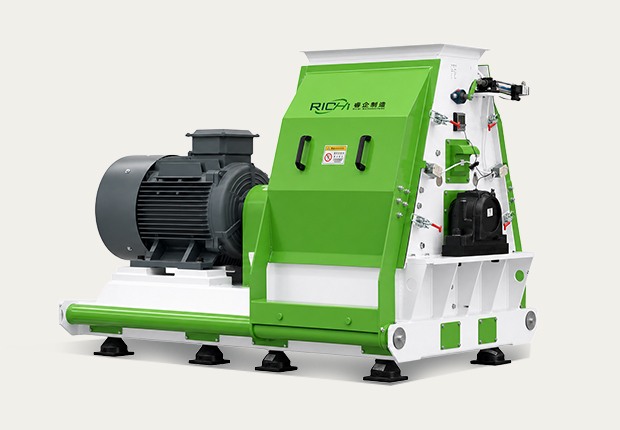
Feed hammer mill
We can provide suitable crushing equipment based on the state of your raw materials—such as corn crushers, forage bale shredders, and more—with the primary objective of reducing the raw materials into a uniform powder.

Animal feed mixer machine
Mixing equipment includes ribbon mixers and paddle mixers. They are capable of uniformly blending a wide variety of granular, powdery, and viscous materials, with the entire process taking only 6–15 minutes.
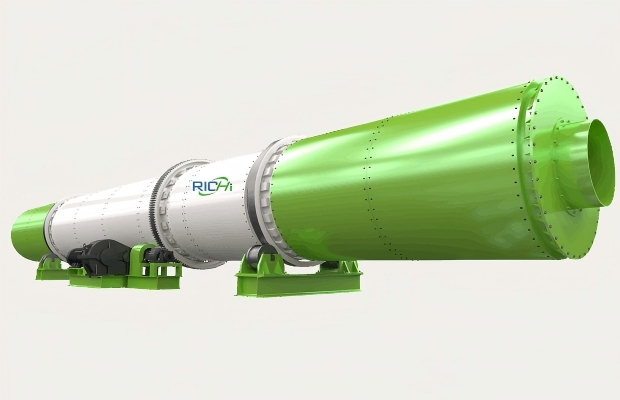
Rotary dryer machine
Typically used in production lines for forage-based feed, its primary function is to dry high-moisture forage to a target moisture content. It offers stable operation and high efficiency.
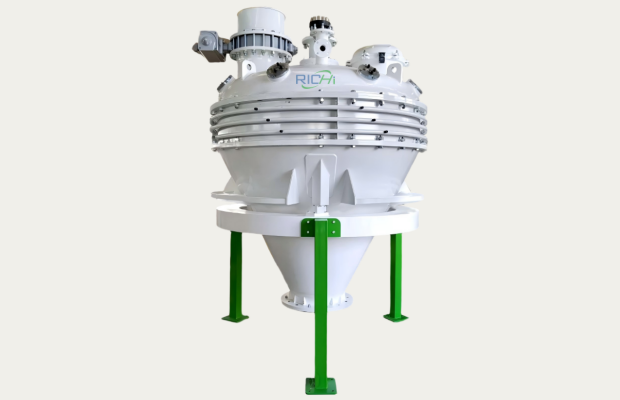
Spray painting machine
To enhance the palatability and competitiveness of their pellets, many manufacturers incorporate ingredients such as molasses or vitamins—either before or after the granulation process. For this purpose, you can utilize specialized liquid-addition equipment, which offers a high degree of automation and ensures uniform mixing.

Pellet Cooler
The newly produced granules are hot and soft, so they typically need to pass through a cooling machine to be rapidly cooled and solidified. The equipment features an octagonal housing, which minimizes material residue.

Screening machine
Its primary function is to screen out dust and non-conforming particles from granular materials, yielding three categories of finished products: large, medium, and small.

Packaging scale
It is capable of packaging the final product into 10–50 kg bags, with a packaging accuracy of up to ±0.1%.
Goat Feed Pellet Industry Prospects
The prospects for the goat feed production industry are bright.
With the scaling up and concentration of goat farming, goat breeders are demanding higher quality and nutritional value in finished feed products. This indicates an urgent need for standardized, high-quality goat feed production.
Our goat feed pellet making machine can be used not only to produce goat feed but also ruminant feed for cattle, camels, and other animals.
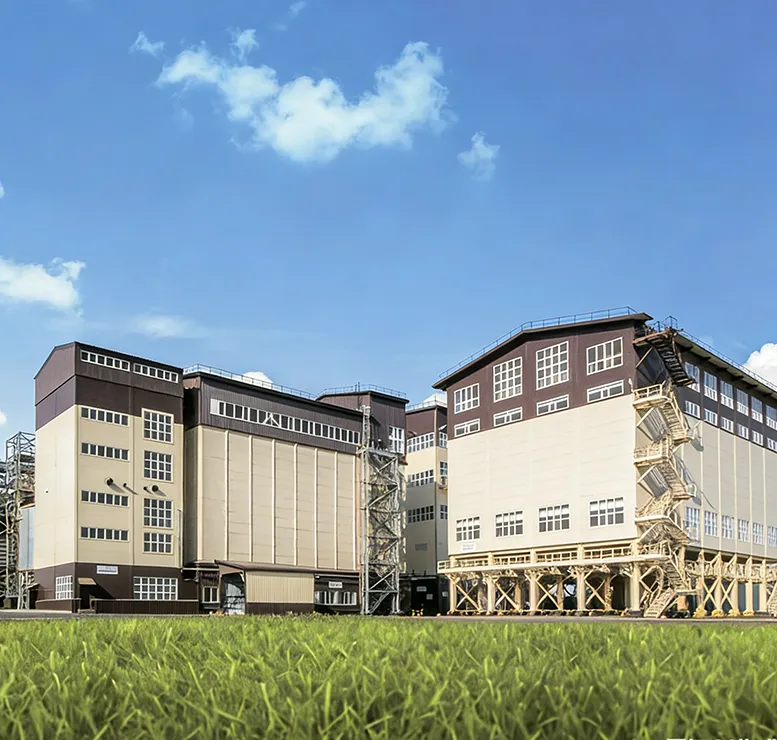
Prospects for Specialized Goat Feed Factories
There are over 300 different breeds of goats, and even within the same breed, the nutritional needs for pellets vary depending on the growth stage.
Farms and breeders are increasingly looking for feed that provides precise fiber requirements and protein supplementation for their goats.
Based on our experience, it takes approximately 2-5 years for a goat feed factory to recoup its investment. Typically, the specific return on investment time depends on the size of the factory, your cost structure, and the final marketing profits.
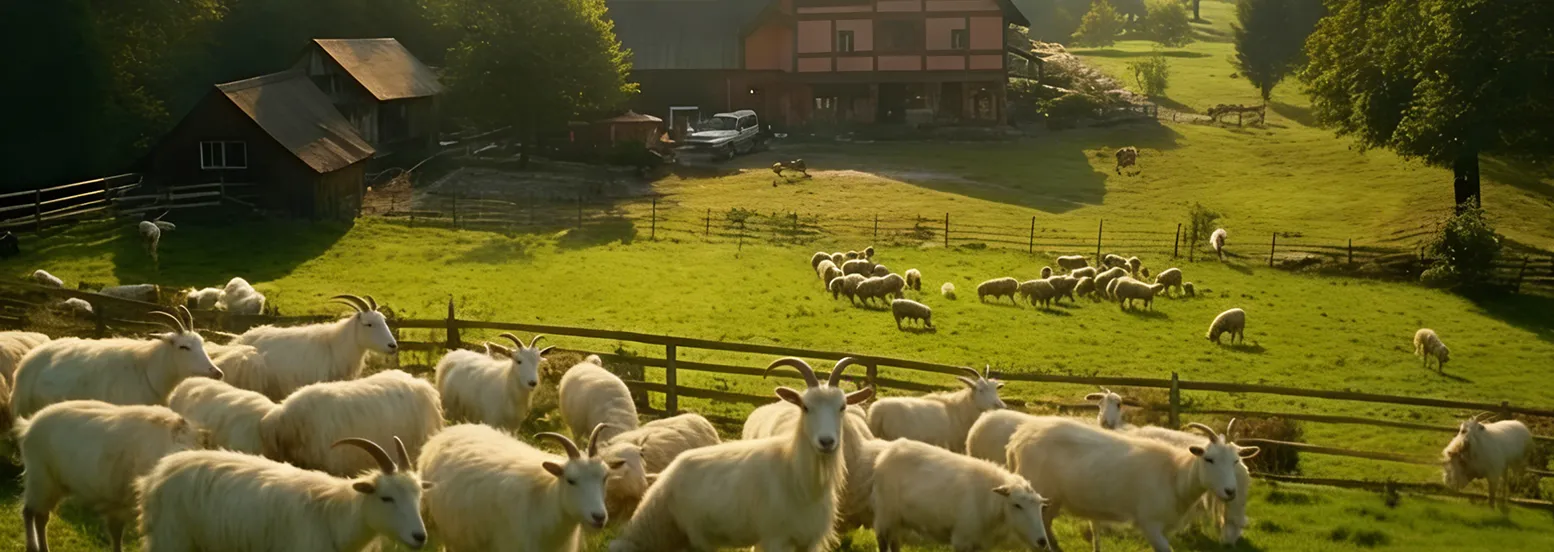
Prospects for Goat Farms
With the increasing demand for healthy eating, the demand for lamb meat, wool, goat milk, and related dairy products is constantly growing.
At the same time, the shift from dispersed farming to large-scale, branded production has brought new development models to farms.
Prospects for Ruminant Feed Factories
Goat feed is just one type of ruminant feed, and there is a large global market for cattle and sheep.
In particular, North America and Western Europe have concentrated cattle and sheep farming, leading to a greater focus on the value of specialized feed.
Why Choose RICHI?
By choosing RICHI Manufacturer, you work with a manufacturer with over 30 years of experience in equipment production and gain a reliable long-term partner. We provide affordable and transparent pricing, along with efficient and comprehensive after-sales service, so you can carry out your feed production with confidence.

Customized design
RICHI has a dedicated R&D and design team to provide you with customized services. We will conduct a comprehensive assessment of your requirements regarding raw materials, production capacity, and pellet type to ensure that all equipment configurations and production processes meet your actual needs.

High-quality equipment production
We own two modern intelligent manufacturing bases and operate a strict quality control system. Every piece of equipment meets international first-class standards. The company has passed BV certification, ISO9001 International Quality Management System Certification, European CE Certification, and Swiss SGS Certification, among others.

Excellent after-sales service
After the goat feed pellet making machine arrives, our professional engineers will assist with installation and commissioning. They will also provide one-on-one operation training until your team can operate it proficiently.
Frequently Asked Questions
Here are some frequently asked questions. You can also contact us at any time for answers.
Can your goat feed pelletizer process 100% alfalfa?
Yes. Our goat feed pellet making machines are mainly divided into two types: one is the SZLH series, designed for grains such as corn, wheat, and beans; the other is the CZLH series, specifically designed for processing forage and alfalfa.
Although our pellet mill can process 100% alfalfa, we do not recommend feeding your goats with only one type of feed, as this can easily lead to nutritional imbalances.
If you are specifically using it to supplement fiber feed for your goats, then it is perfectly suitable.
What is the recommended moisture content for the raw material before pelletizing?
The recommended moisture content is between 15% and 18%. The moisture content of the material in the pelletizing chamber greatly affects the quality of the finished pellets. Ideally, the moisture content should be between 15.5% and 17%, with a minimum of 14% and a maximum of 20%.
Why should I use a goat feed pellet making machine to make feed?
The simplest reason to use a feed pellet machine to make goat feed is that it can bring you greater profits.
Whether you are a goat farm owner or a feed producer, purchasing a goat pellet machine as the core equipment for making goat feed is a necessary choice.
This is due to the picky eating habits of goats; they won’t actively eat stalks, but instead choose the tender leaves. At the same time, goats have a certain herd mentality; when a few goats start eating the new feed, other goats will follow suit. This means that your manufactured feed will have a higher acceptance rate.
If we don’t use a machine to make feed pellet, it will result in most of the raw materials not being consumed, and a lot of your costs will be wasted. It will also lead to goats becoming weaker due to picky eating, resulting in poorer nutritional value of their fur and meat, ultimately leading to a decrease in value.
Secondly, if you are a feed producer, a RICHI goat pellet machine can produce goat feed, poultry feed, ruminant feed, etc., simultaneously. However, you need to note that goats require more copper than other animals, so you need to pay attention to this in your raw material formulation. Of course, if your investment budget allows, and you want to produce multiple types of feed, we recommend purchasing two pellet mills for pelletizing different types of feed.
How to maintain a goat feed pellet making machine?
You need to perform regular cleaning, timely lubrication, and adjust the position and parameters of the mechanical parts as needed. Furthermore, if you can keep a record of the goat feed pellet mill’s operation, you can contact us immediately if any issues arise, and we will contact you within 48 hours.
How long is the warranty period for pellet machine?
We offer a 12-month warranty. RICHI will repair any product defects or damage not caused by improper use, free of charge. Even after the warranty expires, you will still receive lifetime after-sales service.

