Cat Litter Pellet Machine

Environmentally friendly cat litter pellet machine
RICHI Machinery’s cat litter pellet machine is specifically designed for low-dust cat litter. It uses a ring die to press expanded clay, tofu residue, sawdust, and other materials into smooth, compact, and environmentally friendly cat litter pellets. In practical applications, these pellets have excellent water absorption and quickly clump together, making them highly competitive in the market.
Furthermore, this cat litter pellet mill is available in various models with hourly capacities ranging from 1 to 40 tons. If your production scale is small, you can choose a compact, small-scale cat litter processing machine. For large-scale commercial feed production, we can provide industrial-grade pellet mills to ensure stable pelleting.
Of course, RICHI Machinery also offers customized production line services. From factory setup to delivering the best cat litter pelleting solutions, we ensure your production runs at optimal levels.
Working principle of the cat litter pellet machine
A cat litter pellet machine is a biomass pelleting machine. The production of cat litter mainly involves two steps: extrusion and pelleting.
This equipment has a larger pelleting chamber and stronger extrusion pressure than animal feed pellet mills. Fiber raw materials can be quickly formed into long strips under the high-intensity compression of ring dies and pressure rollers.
Once the strips exit the die holes, the cutter precisely and quickly cuts them into smooth, compact kitty litter pellets.
However, it’s worth noting that when making tofu or mineral cat litter, the pellet mill usually needs to be equipped with a modulator to gelatinize the raw materials, improve the pelleting rate, and reduce dust and fragments.
Applications of cat litter pellet machines
Cat litter pellet machines can process various cat litter raw materials, including mineral, plant-based, silica-based, and biomass-based materials. Not only can they produce from single raw materials, but combinations of multiple raw materials can also be processed using this equipment. Simply selecting the appropriate model and adjusting the parameters, high-quality cat litter can be obtained.
- Mineral cat litter: Bentonite cat litter, mineral litter, crystal litter, etc.
- Plant-based cat litter: tofu, corn, bamboo fiber, etc.
- Biomass cat litter: pine wood cat litter, pellet cat litter, paper scrap cat litter
- Mixed cat litter: Bentonite + tofu, bentonite + activated charcoal, etc.
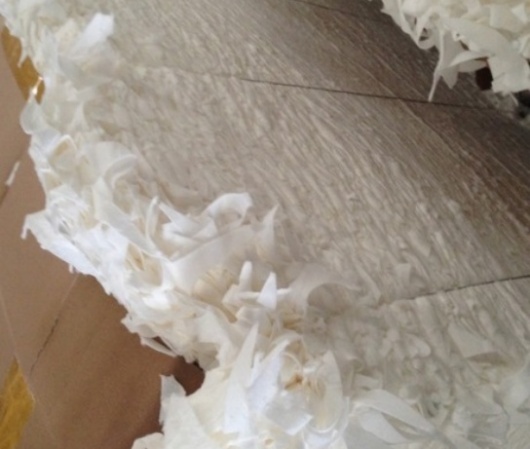
paper
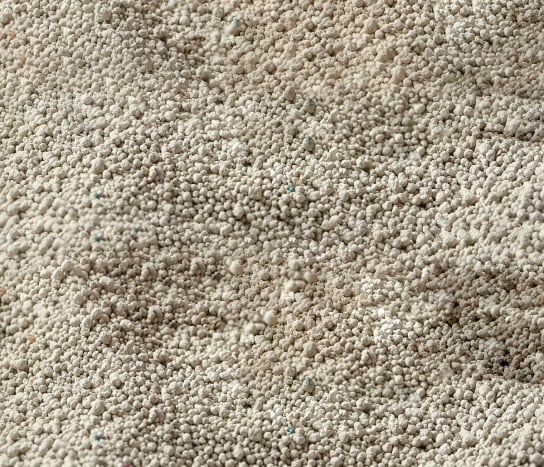
Bentonite
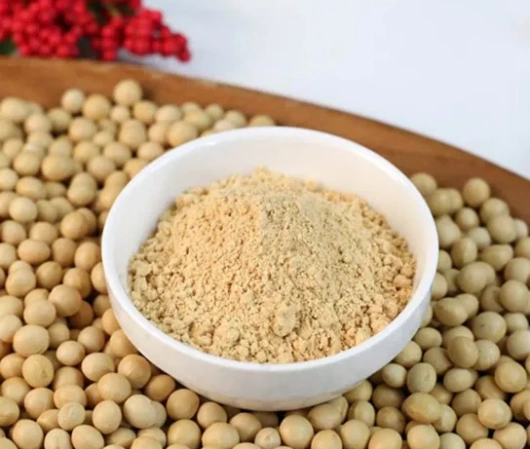
Soybeans
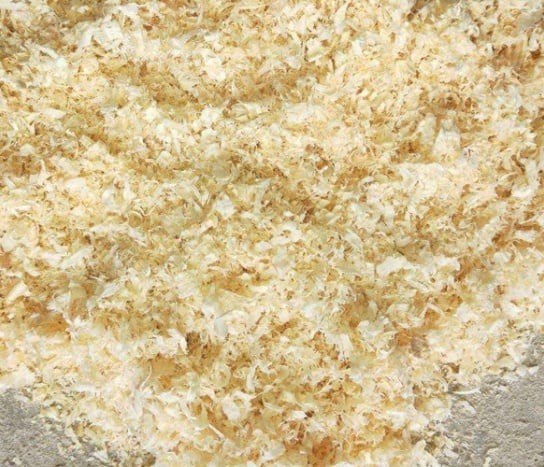
wood
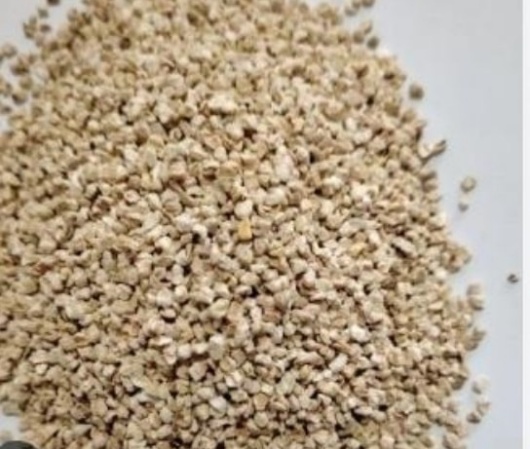
corn cob
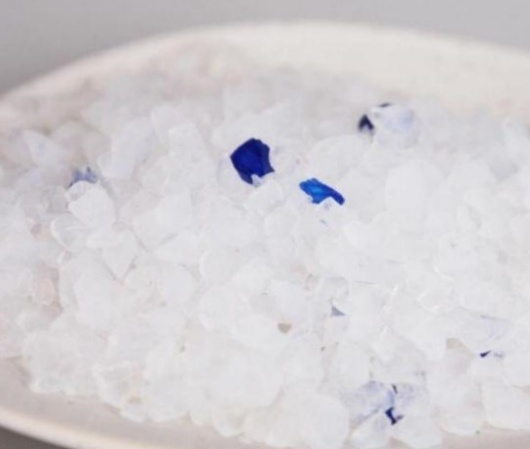
silicone
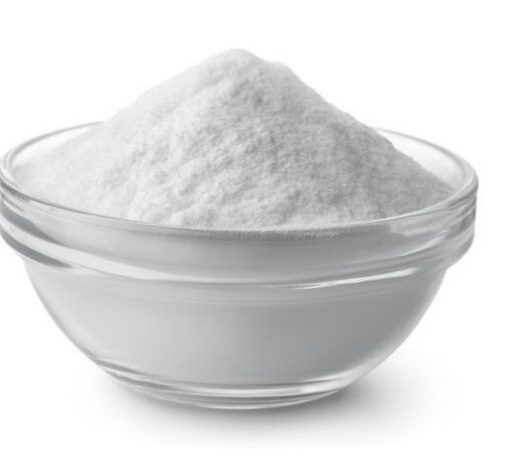
baking soda
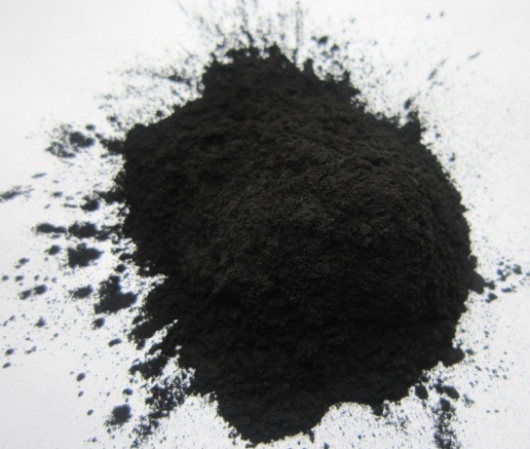
activated carbon
You can send us your raw material requirements at any time, and we will provide you with the most suitable cat litter pelleting equipment.
How the Cat Litter Pellet Machine Ensures High-Quality Cat Litter Pellets
Choosing the right raw materials is only the first step in producing high-quality cat litter. More importantly, you need a method to process these materials into cat litter pellets. This requires a properly configured and appropriately sized cat litter pellet machine. Suitable production equipment can help you complete production efficiently and smoothly. Below are some common cat litter pelleting solutions. In addition, you can contact us for customized solutions.
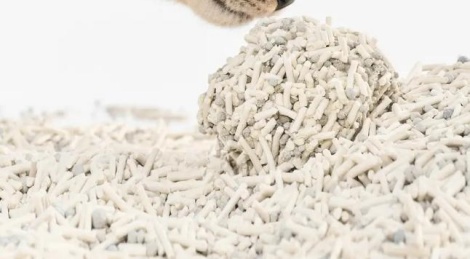
Tofu cat litter
- Output: 1.5-14T/H
Plant-based cat litter, such as tofu cat litter, uses natural ingredients. It produces very little dust, making it very gentle on a cat’s respiratory system.
When producing this type of cat litter, it is highly recommended to equip the cat litter pellet mill with a modulator to increase the viscosity and maturation of the raw materials. This results in smoother, more compact pellets that clump together quickly after absorbing water.
When using raw materials such as soybean residue, precise control of the moisture content is usually necessary. If the moisture content exceeds 60%, drying equipment is required to reduce the moisture and ensure proper pellet formation.
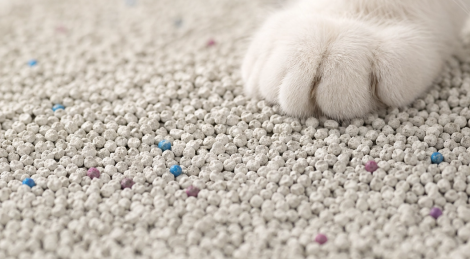
Bentonite Cat Litter
- Output: 3-28 T/H
Bentonite cat litter is one of the mainstream cat litter options on the market. This mineral raw material is inexpensive and has a strong ability to absorb odors, quickly encapsulating cat urine. However, it contains a lot of dust, which may cause allergies in some cats.
To address this issue, cat litter pelletizing machines are also equipped with a modulator. Internal steam compresses the bentonite dust, reducing dust generation at the source.
Furthermore, bentonite itself has a certain degree of stickiness. Therefore, cat litter pellet machines only need to compress the raw material for a short time to quickly produce shaped pellets. Compared to plant-based cat litter, this results in higher output and is more suitable for industrial production.
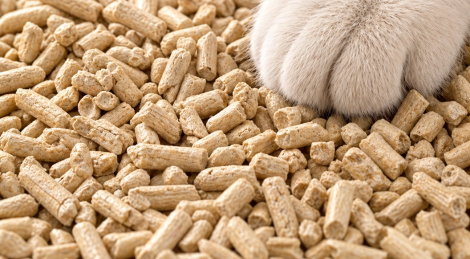
Wood pellet Cat Litter
- Output: 0.3-4.5 T/H
The natural fragrance of wood effectively masks the odor of cat feces. Furthermore, pine pellet cat litter is environmentally friendly and safe, and is widely used in bedding for small pets such as hamsters and rabbits.
However, wood is lightweight and prone to arching. Therefore, we have equipped the equipment with anti-arching feeders and forced feeders to ensure smooth pelleting.
The wood pellet mill has a larger pelleting hopper, providing ample buffer space for raw materials, making it ideal for continuous 24-hour large-scale production. This wood pellet mill can also produce various biomass energy fuels.
Mixed cat litter
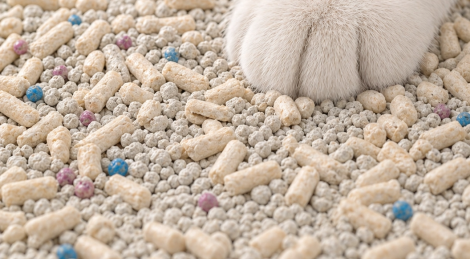
Blended cat litter combines the advantages of mineral and plant-based ingredients, resulting in less dust and faster clumping. You can flexibly adjust the formula ratio to suit different cats’ habits.
For small-batch production, a ring die pellet mill equipped with a mixer can handle the process. If you have higher requirements for the quantity and quality of blended cat litter, then you will need to set up a production line, using mixing and drying equipment to ensure stable material distribution and moisture content, resulting in uniform granules.
The yield of blended cat litter is also related to the proportion of raw materials. Formulas with higher mineral content are easier to form and yield higher output. In actual production, it is important to maintain a proper balance between the cat litter’s production capacity and performance.
Real videos of the cat litter pellet machine
3-4 TPH Cat Litter Pellet making Machine in Italy – Eco-Friendly & Efficient Production
Core components of the cat litter pellet machine
To produce a variety of high-quality cat litter, a high-performance pellet mill is indispensable. This cat litter pellet machine uses premium materials and energy-efficient technology. In the long run, it can reduce your production costs while flexibly producing multiple types of cat litter.
Anti-arching feeder
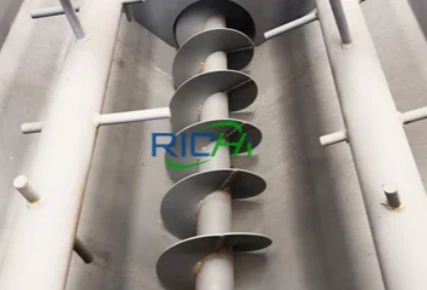
The anti-arching device is mounted on the top of the pellet mill. Lightweight raw materials such as sawdust and paper scraps have poor flowability and are easily compressed and arched during feeding. Therefore, our anti-arching feeder continuously disperses the raw materials by rotating two shafts while feeding a fixed amount. This reduces the problem of inconsistent feeding and fully utilizes the pellet mill’s maximum capacity.
Stainless steel modulator
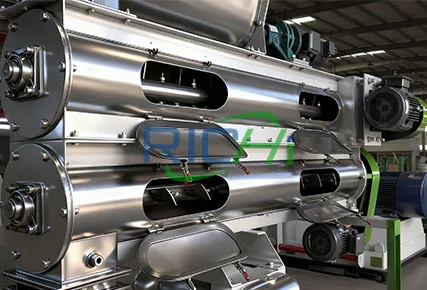
The mixer is made of 306 stainless steel both inside and out. This wear-resistant and smooth material is ideal for processing cat litter. It can withstand the abrasion of hard materials such as mineral sand, while preventing high-starch materials from sticking to the mixer. This makes cleaning very convenient over extended use.
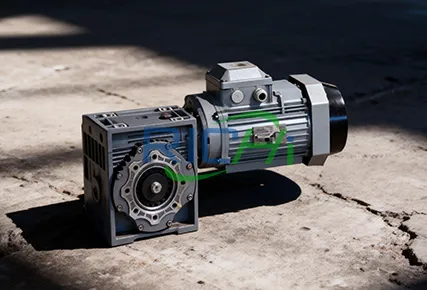
Forced Feeder
The forced feeder is also designed for lightweight cat litter materials prone to caking. When these materials cannot enter the pelleting hopper on their own, the forced feeder uses its own stirring shaft to push them forward, ensuring the smooth progress of the pelleting process.
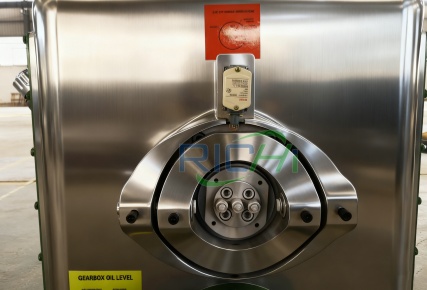
Safety protection devices
In the cat litter production process, if a jam or overload occurs, the safety pin on the pellet mill will automatically break, shutting off the main switch. This effectively prevents further damage to core components and extends the equipment’s lifespan.
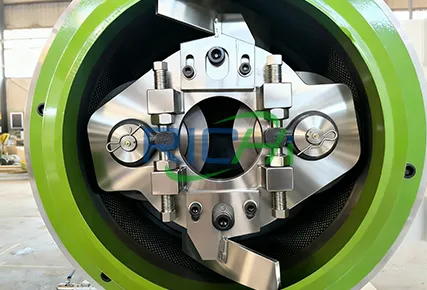
High wear-resistant pelleting silo
The ring die and pressure rollers in the pelleting hopper are highly susceptible to wear. Frequent replacement of these parts can easily disrupt production. Therefore, the ring dies in our cat litter pellet machines are all made of industrial-grade alloy steel 42CrMo, with a surface that has undergone carburizing heat treatment. Compared to traditional carbon steel, this extends their service life by 2-3 times, effectively reducing cat litter production costs.
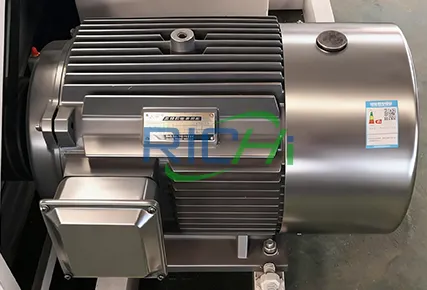
High-efficiency Siemens motors
The cat litter pellet mill is driven by a Siemens motor. It meets ultra-high energy efficiency standards, saving 10%-15% more electricity than ordinary motors over long-term use, making it ideal for continuous cat litter production. The motor features multiple sealing designs at both the front and rear ends, completely preventing the entry of dust and moisture, making it perfectly suited for the dusty production environment of cat litter.
The Parameters of the cat litter pellet machine
Here are the specific parameters for different models of cat litter pellet machines, which you can use as a basic reference. For more detailed information, please contact us directly.

| Model | MSZLH250 | MSZLH320 | MSZLH350 | MSZLH420 | MSZLH508 | MSZLH558 | MSZLH678 | MSZLH768 |
| Main Motor Power (kW) | 22 | 37 | 55 | 110 | 160 | 185 | 250 | 315 |
| Feeder Power (kW) | 1.1 | 1.5 | 1.5 | 1.5 | 1.5 | 1.5 | 1.5 | 2.2 |
| Conditioner Power (kW) | 1.5 | 4 | 4 | 7.5 | 7.5 | 11 | 11 | 11 |
| Ring Die Inner Diameter (mm) | 250 | 320 | 350 | 420 | 508 | 558 | 673 | 762 |
| Finished Pellet Diameter (mm) | 2~12 | |||||||
| Output (T/H) | 1.0-1.5 | 3-4 | 5-6 | 10-12 | 15-16 | 20-22 | 30-33 | 38-40 |
Actual production capacity will fluctuate depending on the type of raw materials, moisture content, and formula. If you have specific needs, please inform our sales staff, who will provide a tailored solution based on your individual circumstances.

Case studies of cat litter pellet machines
RICHI Machinery can tailor-make cat litter pelleting production solutions for you. Currently, their solutions have been implemented in over 140 countries and regions, including the United States, Poland, Japan, Russia, and Italy. Below are some benchmark cat litter pelleting projects to help you experience the real-world operation of equipment and production lines.
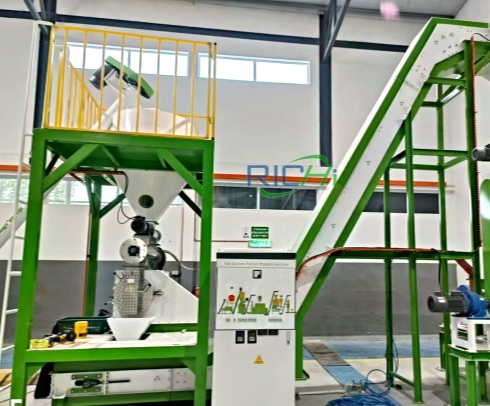
1-1.2T/H tofu cat litter pellet making machine in Thailand
- Client Needs: The client wanted to utilize local soybean resources to establish a low-energy, environmentally friendly tofu cat litter production line, reducing dust emissions during the production process.
- Raw Materials: Tofu residue, soybean flour, soybean pulp, corn starch, and deodorizer
- Equipment: Crusher, MZLH420 cat litter pellet machine, drying equipment, screening system, cleaning equipment
- Pellet Diameter: 3-5mm cylindrical
- Product Performance: eco-friendly cat litter. The pellet shedding rate of eco-friendly cat litter is less than 3%, and rapid moisture retention within 10 seconds. The product successfully passed pet product safety standards and entered the market.
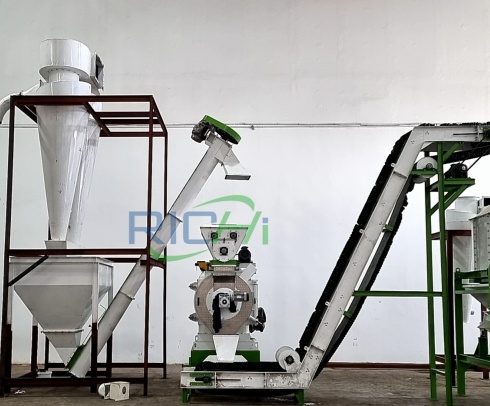
1.5-2T/H Paper cat litter pellet machine in Japan
- Raw materials: Food-grade recycled pulp, corn starch
- Particle diameter: 2-3mm, irregular oval shape
- Core requirement: Japanese pet-owning households primarily have small cats. The customer wants cat litter granules that are soft and won’t trap claws.
- Core equipment: MZLH420 cat litter pellet mill, hammer mill, mixer, dryer, sieve, automatic bagging scale, etc.
- Process features: During cat litter production, the pelletizer is adjusted to a low compression ratio of 1:5-1:6. This range ensures the produced granules are soft yet not crumbly, allowing for rapid water absorption.
- Raw material moisture content: 12–14%
- Dust content of paper pellet cat litter: ≤0.1% (Japanese low-dust standard)
- Flake rate: ≤2%
- Water absorption speed: 5–8 seconds
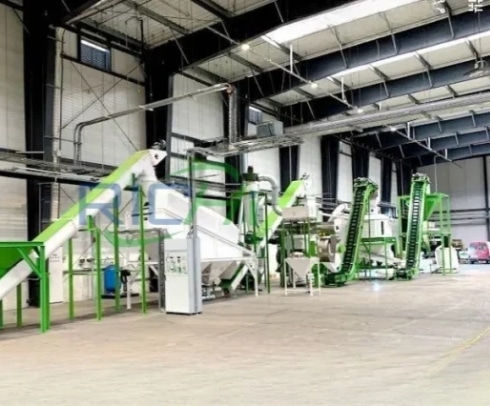
4-5T/h American Mixed Cat Litter pelleting Machine Line
- Raw materials: Sodium bentonite, wood fiber, corn starch, activated carbon, deodorizing additives
- Project background: The US market has an increasing demand for high-quality, environmentally friendly cat litter. The client wanted an automated production line capable of producing blended cat litter to reduce labor costs.
- Equipment: Automatic batching system, mixing system, MZLH520 cat litter pellet mill, drying and cooling system, automatic packaging system, PLC control system
- Pellet diameter: 1.5 – 3.5 mm
- Effective operator: 2-3 people
The Entire Process Of sheep feed production line
The cat litter pellet machine is the core equipment of a complete production line. However, to achieve high-efficiency production, various auxiliary equipment and a scientific process design are required. A cat litter production line generally includes several stages: cleaning, drying, mixing, cooling, and packaging. However, our engineers will rationally arrange these stages based on actual production conditions when building the production line, thereby helping you maximize production efficiency.

01
Cleaning
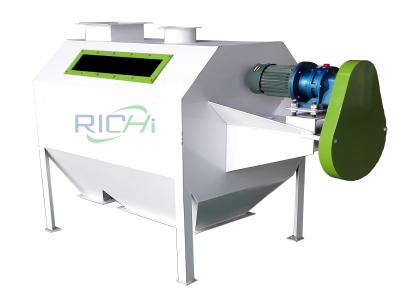
The cleaning process involves a series of equipment, including a YTO pre-cleaning screen and a dust collector. These devices remove hard objects and dust from the raw materials, ensuring the environmental safety of the cat litter granules and the entire production process.
02
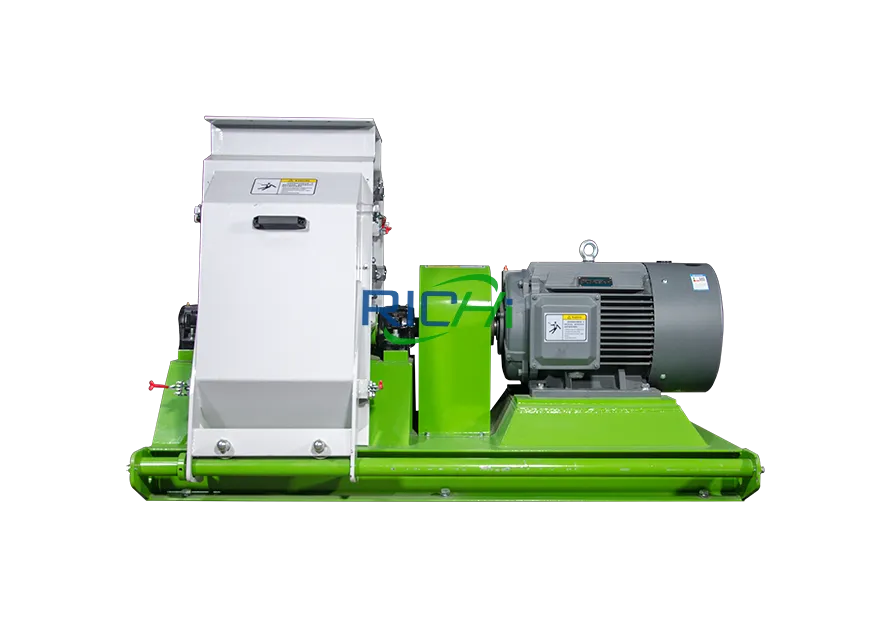
Crushing
Depending on the particle size requirements, you can change the screen at any time. The water droplet pulverizer will pulverize the raw materials into fine powder of 0.5mm-20mm, helping the particles to be formed better.
03
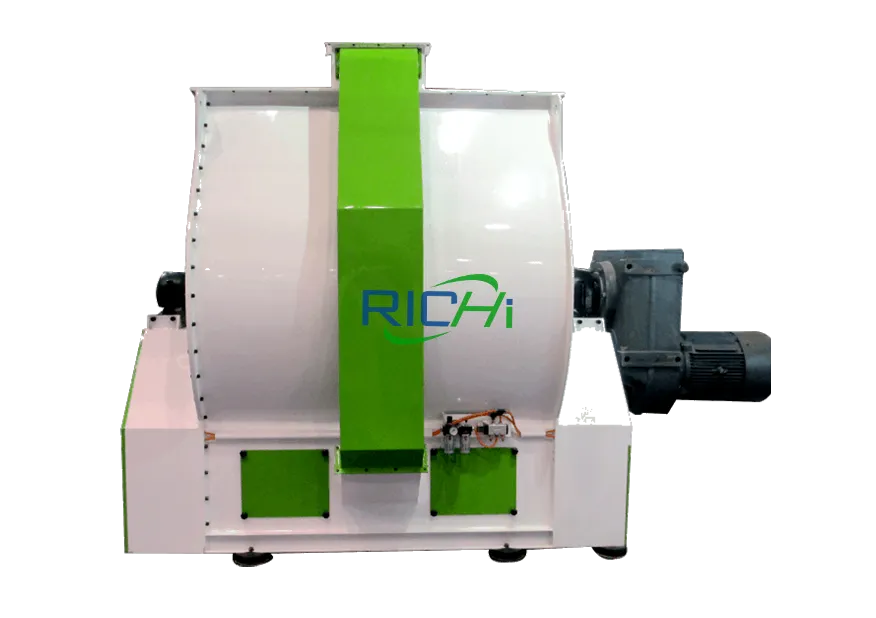
Mixing
If you have more than one type of raw material, this step is essential. Mixers come in single-shaft and twin-shaft paddle mixers, which can evenly mix the raw materials. You can choose the appropriate type based on your production capacity.
04
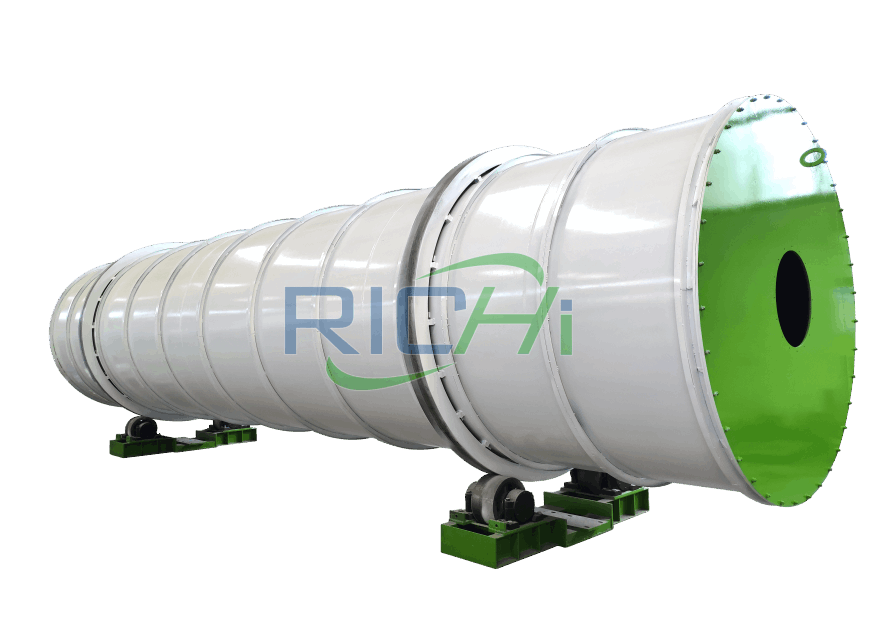
Drying
Cat litter dryers can adjust the drum speed according to the moisture content of the raw materials. Various fibrous, lumpy, and powdery raw materials will be reduced to the appropriate moisture content for granulation within the dryer.
05
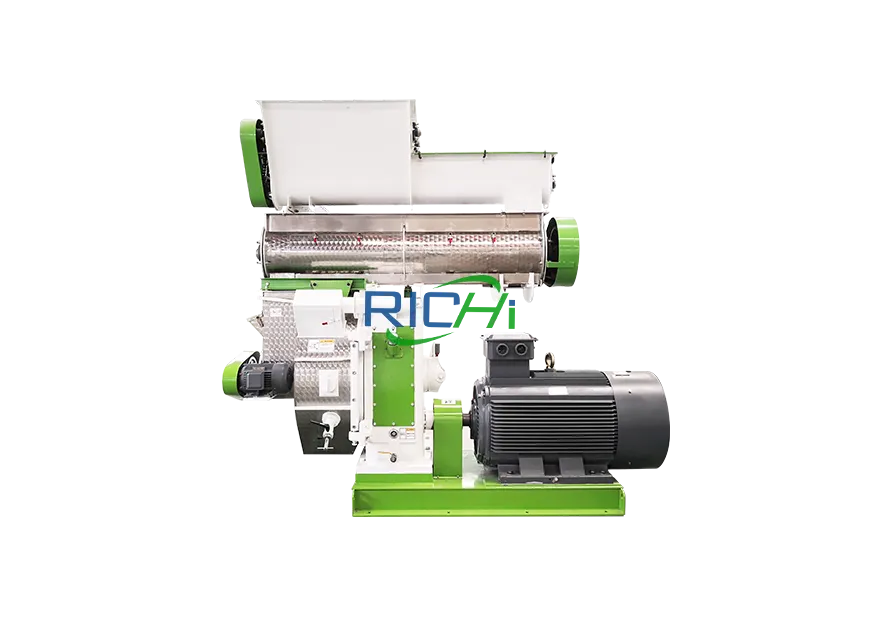
Pelletizing
Choosing the right cat litter pellet machine is crucial. You need to consider the state of the raw materials, pellet diameter, and subsequent process configuration to efficiently and consistently produce high-quality cat litter pellets.
06
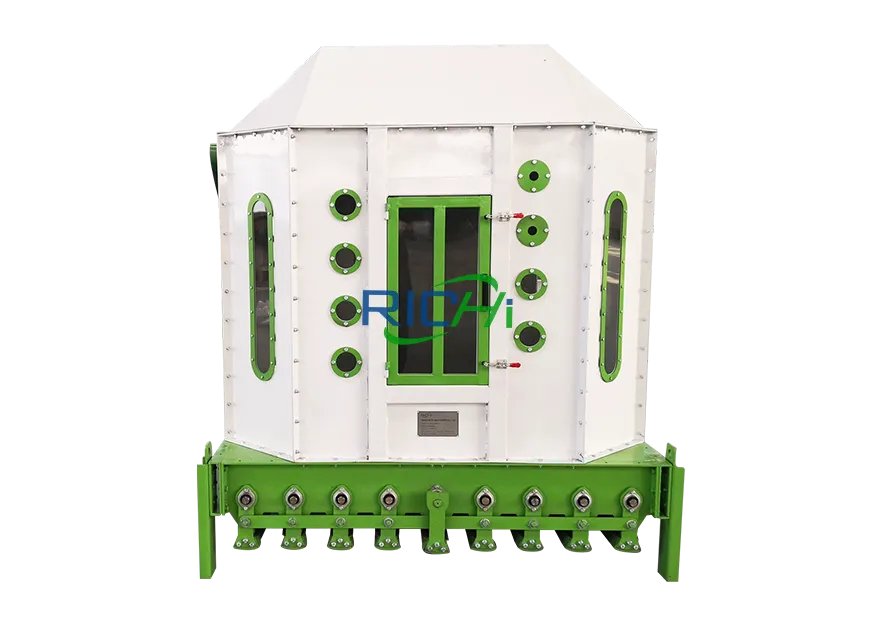
Cooling
Similar to feed production, extending storage and shaping time requires a cooling machine to cool and shape the finished product, reducing losses due to mold and breakage.
07
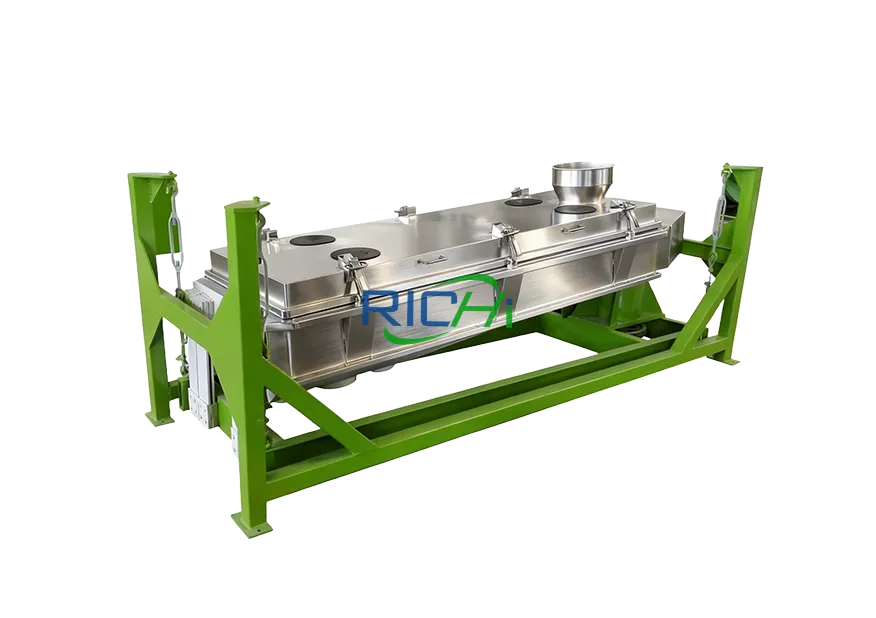
Screening
This step not only filters out qualified particles to ensure product quality, but more importantly, the dust separator in the particles can use shaking or rolling to separate the dust, reducing dust generation during cat litter production.
08
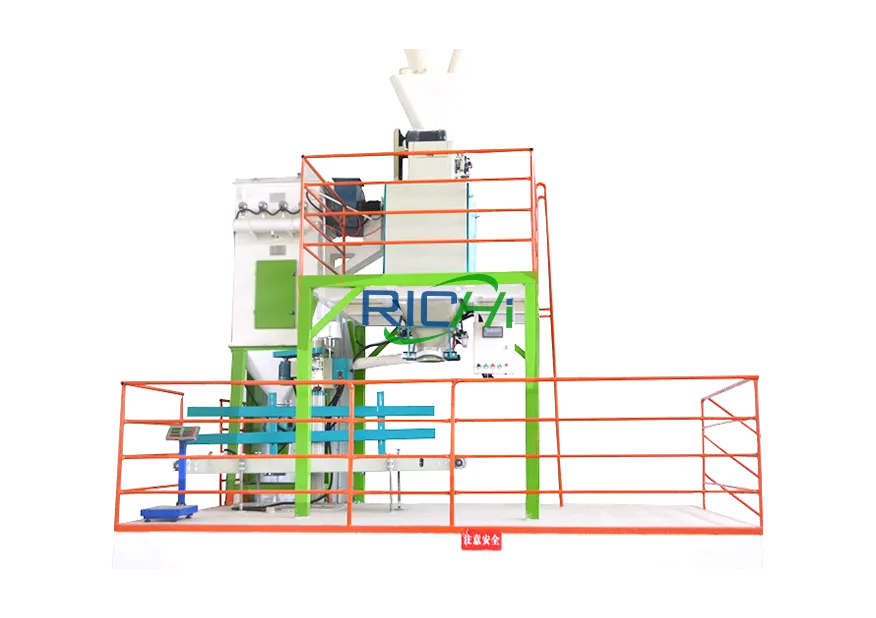
Packaging
The fully automated packaging system is controlled by a PLC system and can perform autonomous weighing. A unique anti-impact device ensures that the measurement error of each batch of finished products is less than 0.2%, significantly improving product consistency.

Frequently Asked Questions
Here are some frequently asked questions. You can also contact us at any time for answers.
Does the production of tofu cat litter require the addition of extra binders?
No, tofu cat litter already contains starch. Steam processing activates the starch’s natural viscosity, and through high-pressure physical extrusion, the granules become stable and compact. The finished cat litter is healthier and can help you save on ingredient costs.
What model of cat litter pellet machine can a small cat litter processing plant choose?
Smaller processing plants need to consider floor space, investment costs, production capacity, and energy consumption when selecting equipment.
You can choose from two models: MZLH320 and MZLH350, both with compact structures and small footprints.
MZLH320 Dimensions: 2200 × 900 × 1300 mm
MZLH350 Dimensions: 2500 × 1100 × 1600 mm
Previously, our Russian client had a site area of less than 300 square meters. They ultimately chose the compact MZLH350, which didn’t interfere with raw material storage or finished product packaging space. Currently, their daily production capacity has reached 80-100 tons/hour, successfully entering the e-commerce market.
Is it okay to air-dry without a dryer?
If you are a small-scale cat litter producer located in an area with abundant sunshine year-round, air drying is perfectly acceptable.
However, for industrial-scale cat litter processing, we recommend using a dryer. A dryer can quickly reduce the moisture content of the raw materials to below 15%, and the humidity will be more uniform, significantly improving both the yield and quality of the cat litter.
How often should the ring die and pressure roller be replaced?
This depends on the properties of your raw materials and usage. Generally, the wear and tear is as follows:
Ring die: 500–1000 hours
Pressure roller: 300–800 hours
If you are making mineral cat litter, the ring die and pressure roller will wear out relatively quickly due to the harder material. Conversely, cat litter made from tofu, wood chips, or other softer materials will cause less damage to metal surfaces.
When you notice a decrease in production and the pellets are not forming properly, you can check your ring die and pressure roller.
Why Choose RICHI?
By choosing RICHI Machinery, you work with a manufacturer with over 30 years of experience in cat litter equipment production and gain a reliable long-term partner. We provide affordable and transparent pricing, along with efficient and comprehensive after-sales service, so you can carry out your cat litter production with confidence.

Excellent after-sales service

After the cat litter pellet machine arrives, we will carry out professional commissioning and acceptance. Our technicians will repeatedly commission the equipment in each production section to ensure the equipment operates up to standard. Additionally, if you are unfamiliar with our equipment, RICHI technicians will provide one-on-one on-site training until your team can operate the entire production line independently.
Customized design

RICHI has a dedicated R&D and design team to provide you with customized services. We offer over 200 products to meet all types of chicken feed production needs. In addition, we provide full-process design services, including site planning and equipment layout. Whether you are new to the feed industry or already operating a mature production line, just share your requirements with us, and we will deliver a tailored solution based on your actual situation.
High-quality equipment production

The machine for sale production stage is the core link of the entire project implementation. We own two modern intelligent manufacturing bases and operate a strict quality control system. Every piece of equipment meets international first-class standards. The company has passed BV certification, ISO9001 International Quality Management System Certification, European CE Certification, and Swiss SGS Certification, among others.