Hemp Pellet Machine

Introduction to the Hemp pellet machine
Previously, people used hemp, mainly by simply peeling and crushing it. While it could enter the market, it was often in a coarse-processed state, causing many to overlook its value.
The emergence of hemp pellet machines offers a new solution. They excel at processing various high-fiber, easily tangled raw materials, effortlessly turning hemp stalks, straw residues, leaves, and seeds into uniformly sized pellets. This standardized product has completely reversed the situation of narrow sales channels and low profit margins for hemp raw materials. It is now widely used in various industrial sectors, including fuel and feed.
Furthermore, as a professional pelletizing equipment manufacturer, we have a professional team and practical experience to provide you with comprehensive services, including customized pelleting design, free cost assessment, plant planning, and installation guidance. Please feel free to contact us with any questions.
Key components of a Hemp pellet machine
Hemp is a raw material with a high fiber content, making it both hard and tough to the touch. To process it into pellets, a hemp pellet mill capable of handling various complex conditions is needed. RICHI has launched such a machine, featuring a comprehensive upgrade to its structure, materials, and components, maximizing hemp pellet production.
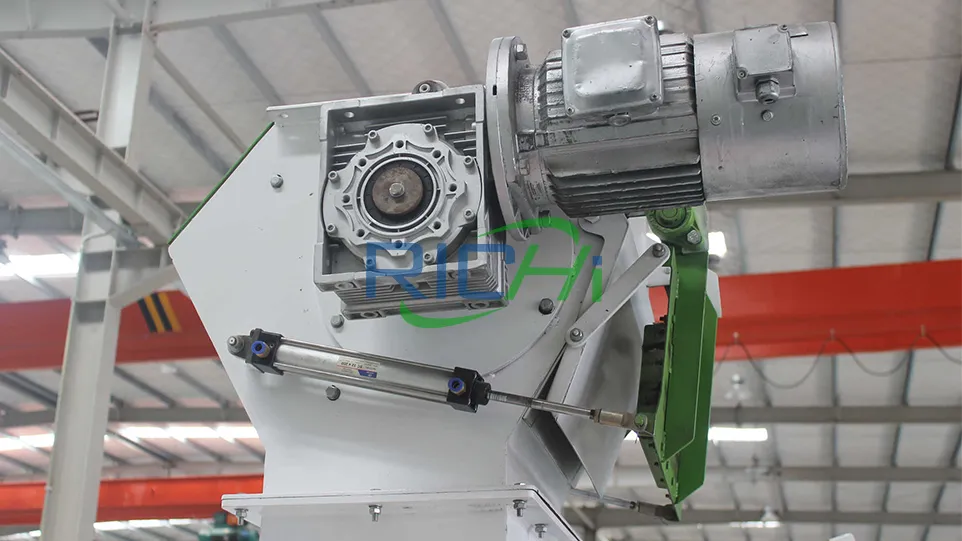
Anti-arching feeder
Hemp, a long-fiber raw material, easily becomes tangled and clogs the outlet if fed solely by its own weight. The anti-arching feeder acts like a pair of hands. Continuous agitation by the dual shafts, it ensures a constant flow of material, promoting stable granulation.
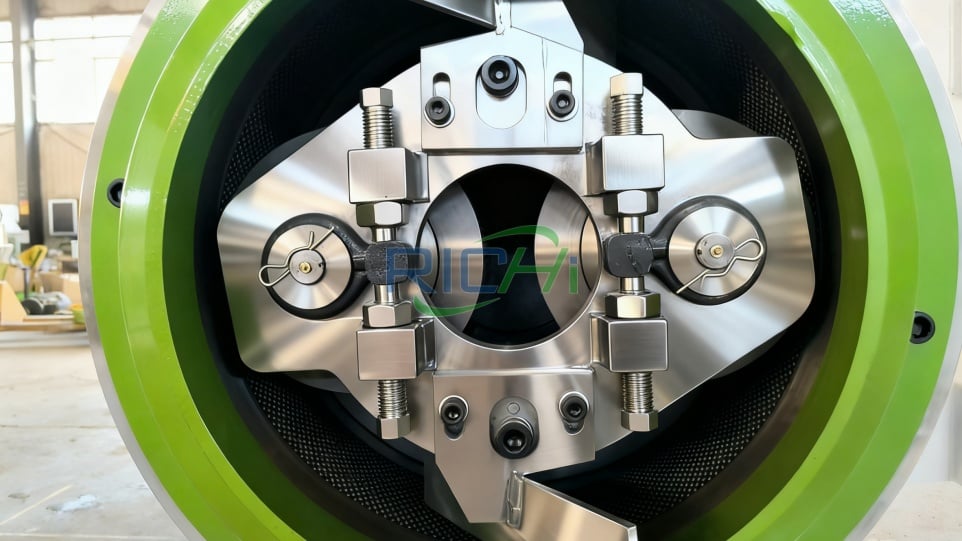
Wear-resistant alloy steel material
The ring die and pressure rollers are all made of alloy steel. During pelleting, they come into close contact with the raw materials. The superior material easily resists corrosion from coarse and hard materials, extending its service life to three times that of ordinary carbon steel. This eliminates the need for frequent replacement of these wear parts, undoubtedly saving manufacturers high operating costs.
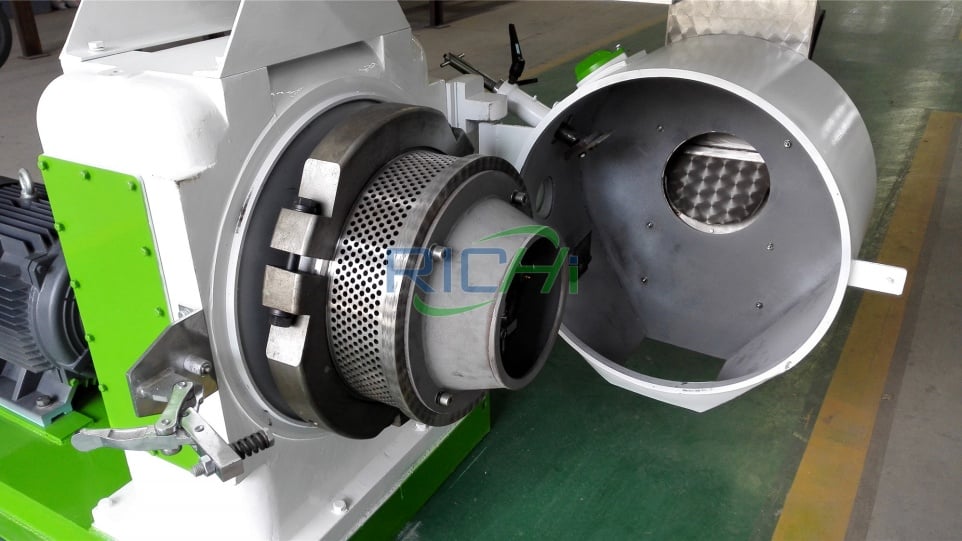
Flexible and adjustable design
Some people want to process hemp into animal feed, while others want hemp fuel. Using different equipment would undoubtedly increase costs. However, with a hemp pellet machine, you only need to change the appropriate template and adjust the cutter position to obtain pellets of different sizes. This is precisely what manufacturers who want to produce a full range of products need.
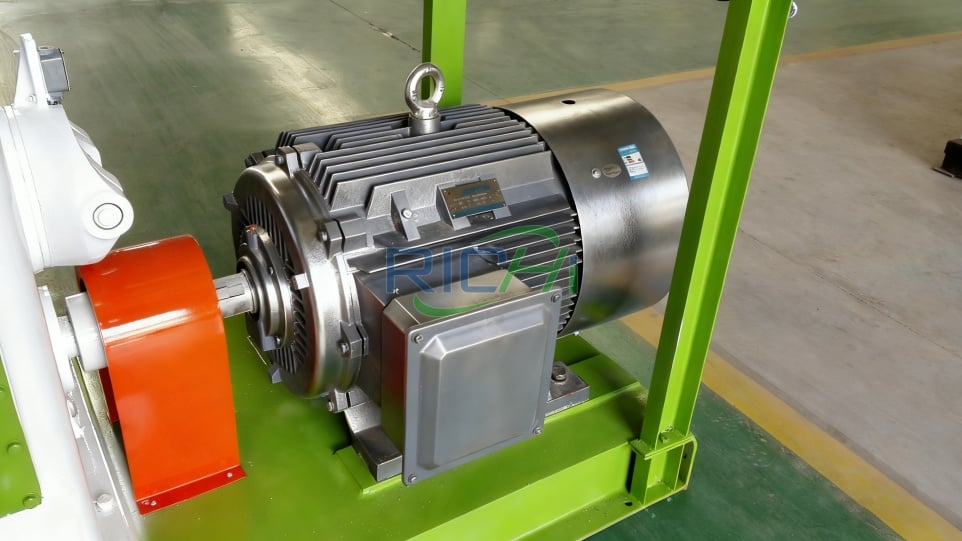
High-efficiency and low-consumption drive system
Siemens motors are synonymous with high efficiency and low power consumption. Combined with high-precision gear transmission, kinetic energy can be stably transferred to the granulation stage, with losses not exceeding 5%. With this configuration, every unit of electricity is used to its maximum value.
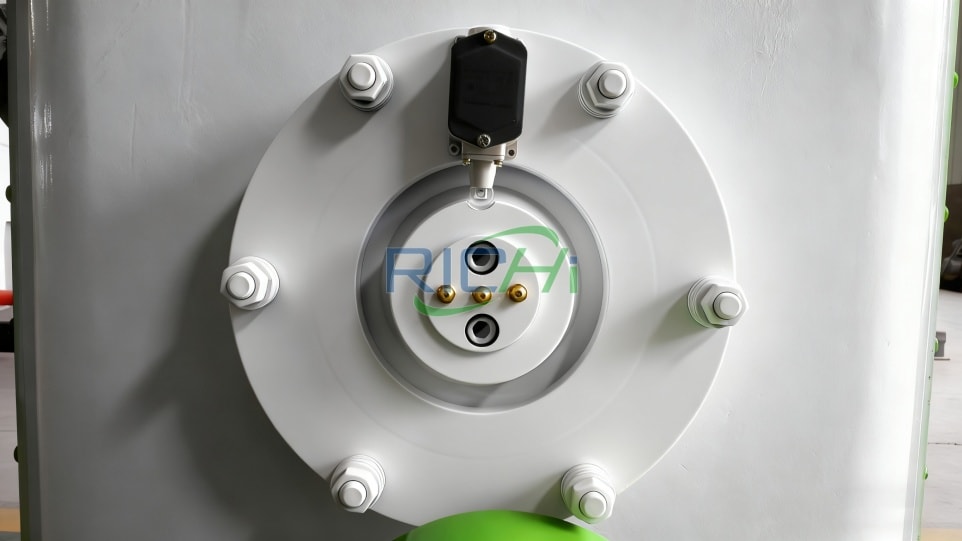
Automatic lubrication and safety protection design
The automatic lubrication system adds grease to the pressure rollers at regular intervals and in measured quantities, ensuring uninterrupted granulation operation. Additionally, to prevent overload operation, the equipment is equipped with a safety pin. The pin breaks automatically, shutting off the main switch and protecting critical components.
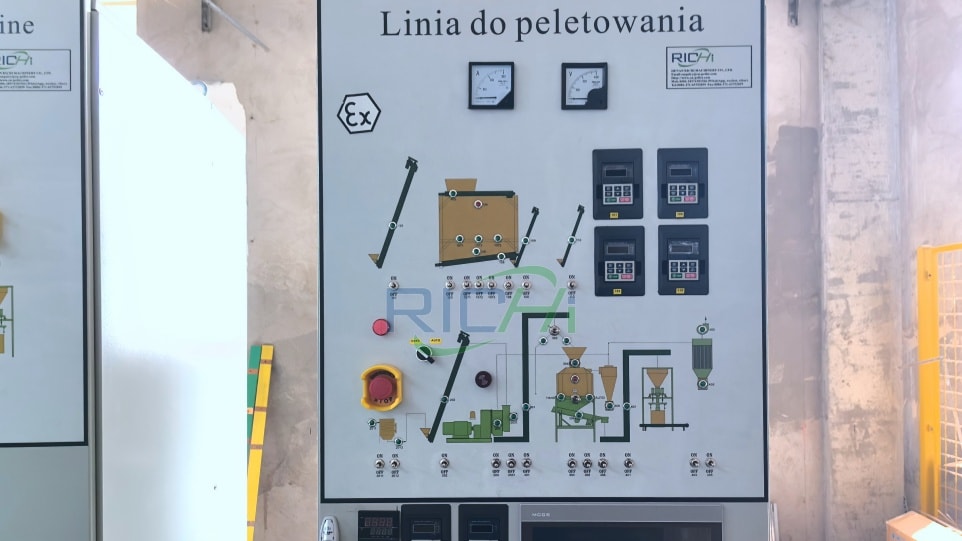
Intelligent control system
If you want to reduce reliance on manual labor during production, a PLC intelligent system can help. It can track and monitor each granulation stage throughout the entire process. Many parameters can be adjusted directly on the system, requiring only 2-6 employees for the entire production line.
Model and parameters of hemp pellet machine
The hemp pellet machine comes in different models. The main difference is the output capacity. All of them have passed CE and ISO quality inspections. Furthermore, before each shipment, our workers conduct rigorous testing on each machine to ensure it operates flawlessly.
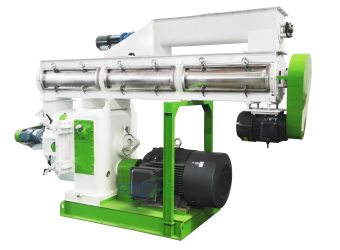
MZLH320 Hemp pellet mill
Capacity: 0.2-0.3T/H
Main Motor Power: 22kw
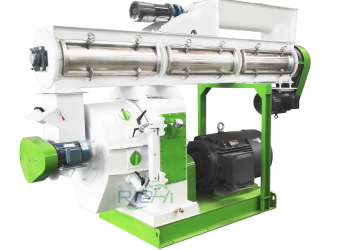
MZLH350 Hemp pellet machine
Capacity: 0.3-0.5T/H
Main Motor Power: 37kw
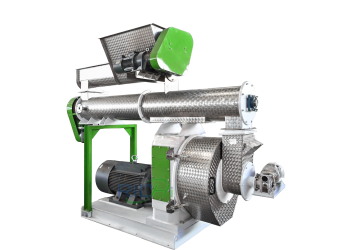
MZLH420 Hemp pellet Pelletizer
Capacity: 1-1.2T/H
Main Motor Power: 90kw
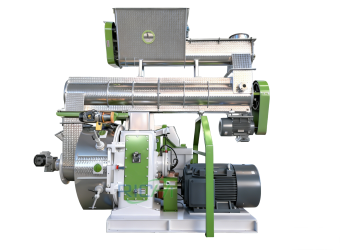
MZLH520 Hemp pelletizing machine
Capacity: 1.5-2.0T/H
Main Motor Power: 132kw
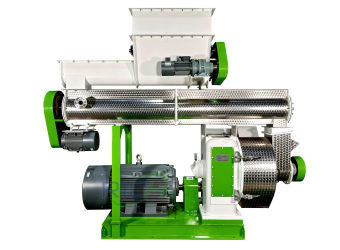
MZLH678 Hemp pellet press
Capacity: 2.5-3T/H
Main Motor Power: 185kw
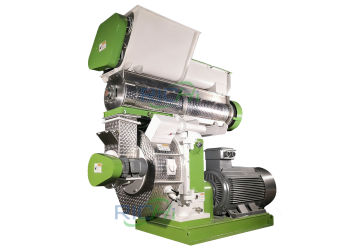
MZLH768 Hemp pellet machine
Capacity: 3-4T/H
Main Motor Power: 250kw
Below are the specific parameters of the hemp pellet machine. It can provide a production capacity of 0.2-4 tons per hour—but this mainly refers to a 100% hemp raw material content. When processing animal feed, various grains are inevitably added. A higher proportion of grain raw materials means a higher output. The maximum output can reach 40 tons per hour. If you would like to know how many pellets your raw material formula can produce, please contact us now.
| Model | MZLH320 | MZLH350 | MZLH420 | MZLH520 | MZLH678 | MZLH768 |
| Main Motor Power(kw) | 22 | 37 | 90 | 132 | 200 | 250 |
| Anti-arching Feeder Power(kw) | 2.2 | 2.2 | 3 | 3 | 3 | 4 |
| Forced Feeder Power(kw) | 0.75 | 0.75 | 1.5 | 1.5 | 1.5 | 1.5 |
| Ring Die Inner Diameter(mm) | 320 | 350 | 420 | 520 | 673 | 762 |
| Finished Particle Diameter(mm) | 4~12 | |||||
| Output (T/H) | 0.2-0.3 | 0.3-0.5 | 1.0-1.2 | 1.5-2.0 | 2.5-3.0 | 3.0-4.0 |
What raw materials do you have?
When processing different raw materials using a hemp pellet machine, it’s crucial to constantly monitor the condition of each material, including moisture content, size, and proportions. This is key to achieving the desired pellet formation. Below are the key points for processing different hemp raw materials.
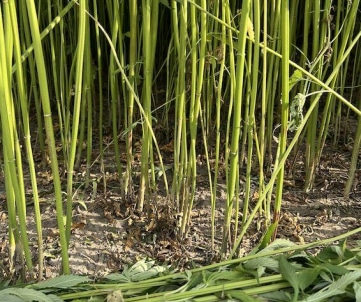
hemp stalks
A long-fiber raw material. It needs to be crushed before pelleting. Many people use it to make biomass fuel. In fact, you can also add the outer bast layer of hemp to ruminant feed to provide roughage for cattle, sheep, and other animals.
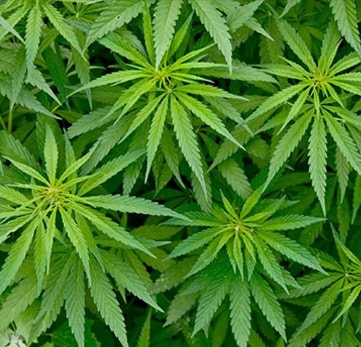
Hemp Leaves
Before granulation, operators need to pay special attention to the moisture content of hemp leaves. Fresh leaves, in particular, need to be reduced to below 15% moisture content. Dried hemp powder has a protein content of 15%-25%, comparable to alfalfa powder.
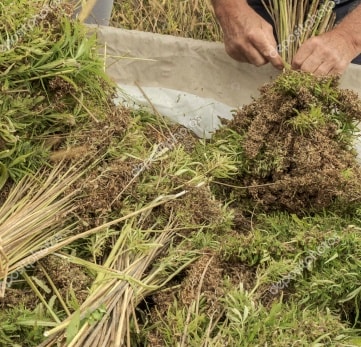
Mixed Hemp Straw
Some customers will directly crush and granulate the entire hemp plant. In this case, simply keeping the raw material dry is sufficient to produce pellets. This method is commonly used to produce fuel pellets, bedding pellets, etc.
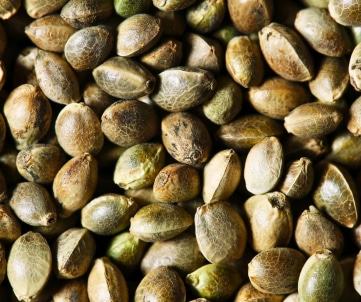
Hemp Seeds
The internal saturated fatty acids and abundant minerals can effectively improve animal coat and growth. However, it’s important to note that too much should not be added. Otherwise, excessive oil will make the pellets difficult to form during pelleting.
Application of hemp pellet machines
Besides processing hemp into animal feed and biomass pellets, hemp pellet machines, through stable pelleting technology, can also produce various high-value-added products, such as bedding pellets, organic fertilizers, adsorbent pellets, and building materials. Below is a brief introduction to four common application areas.
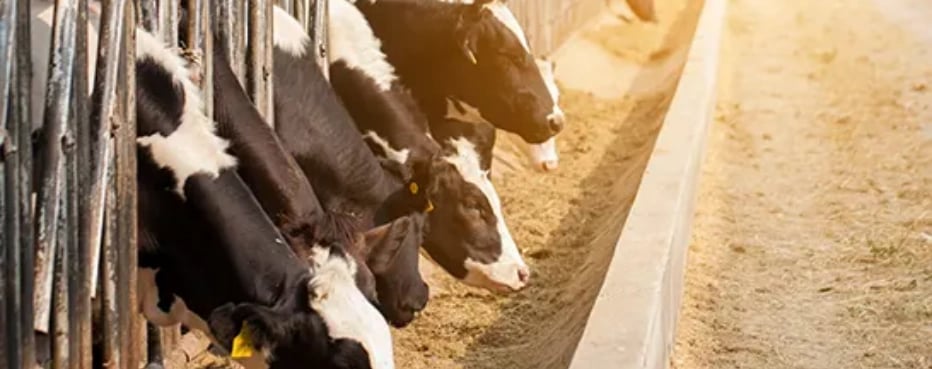
Animal feed
When processing animal feed, pellet mills often include a conditioner. These conditioners have 1-3 layers to choose from, and the internal temperature can reach 70-80 degrees Celsius, sufficient to kill all bacteria. Simultaneously, the high-temperature conditioning gelatinizes the starch, significantly improving animal feed intake.
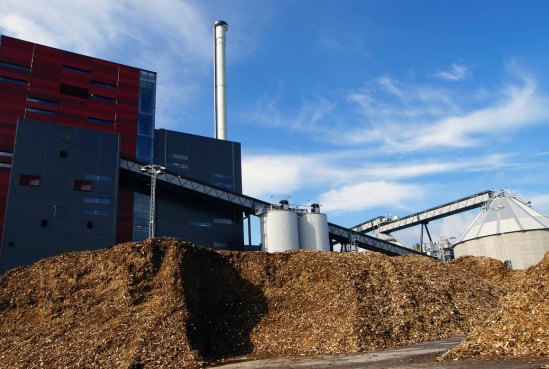
Energy sector
The mineral absorption ratio during hemp growth is relatively stable, and the content is lower compared to straw. When hemp is made into pellets. the residual ash content is also lower. Many people are now starting to use hemp pellets for fuel, heating, and power generation.
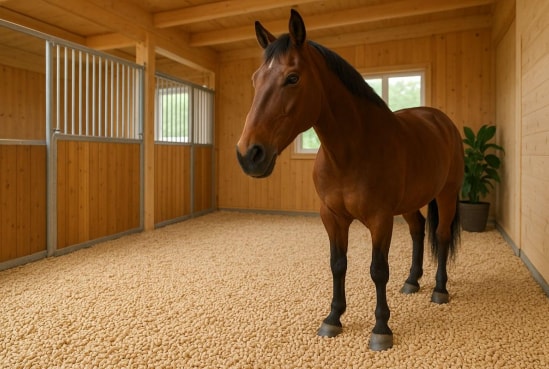
animal bedding
Hemp pellet machines can process hemp cores and fiber residues into bedding for cows, horses, cats, rabbits, and hamsters. They offer significant advantages in deodorization and moisture absorption.
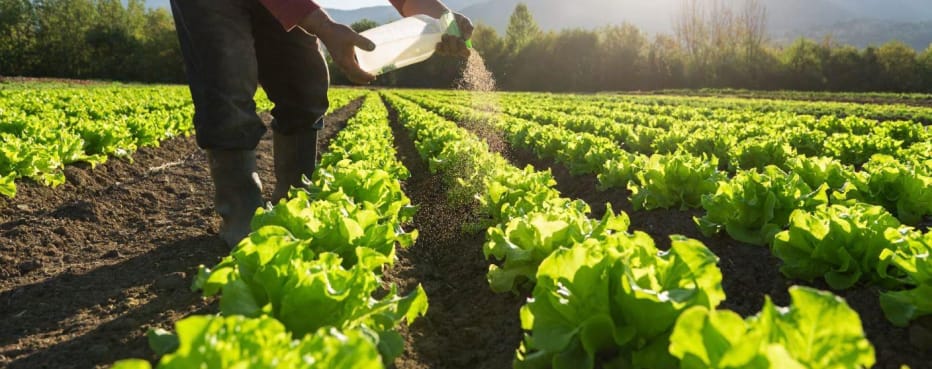
Organic fertilizer pellets
It is often necessary to mix hemp with animal manure. After fermentation and granulation, organic fertilizer granules are formed, which promote crop growth.
How to produce hemp pellets?
— Richi Machinery —
The production of biomass pellets typically involves multiple stages, including cleaning, crushing, drying, mixing, pelleting, cooling, and packaging. The processes for making biomass pellets and feed pellets may differ slightly.
For example, biomass pellets are often dried before pelleting, while feed ingredients are more stable and can be directly mixed. RICHI doesn’t just help you choose machines; more importantly, we design the most suitable production plan based on your specific circumstances.
Here, we’ll only discuss animal feed production lines. We have a dedicated article explaining the biomass production line process.
First, all impurities in the raw materials are removed. If the material is too large, the pulverizer will break it into 3-5mm powder. Actual production has proven that this range allows for ideal pellet size.
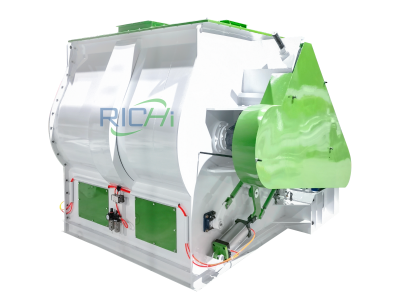
Next, hemp, corn, wheat, and premixed feed will enter the mixer. Here, the paddles rotate at high speed, helping the various materials to fully blend in a short time.
Afterward, pelleting begins. The hemp pellet machine uses high-temperature steam to soften the raw material. A ring die and pressure rollers extrude the material into strips. Finally, the cutter quickly slices it off, forming smooth, uniform particles.
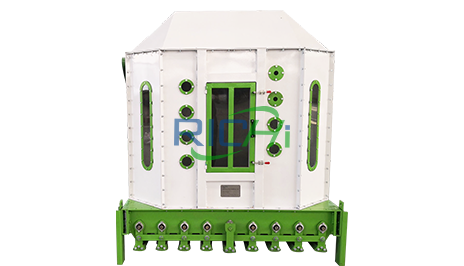
To extend the pellet’s shelf life, a cooling machine lowers the pellets to room temperature. Simultaneously, some moisture is removed, preventing mold growth. The finished pellets are then packaged.
Real-world case studies of hemp pellet machines
— Richi Machinery —
RICHI Machinery’s sinking fish feed machines have been deployed and are operating in over 140 countries worldwide. Furthermore, they provide diversified solutions for different types of fish feed processing plants to meet varying production needs. Stable output and high-quality feed production have successfully supported the feed production development of over 2,000 clients.
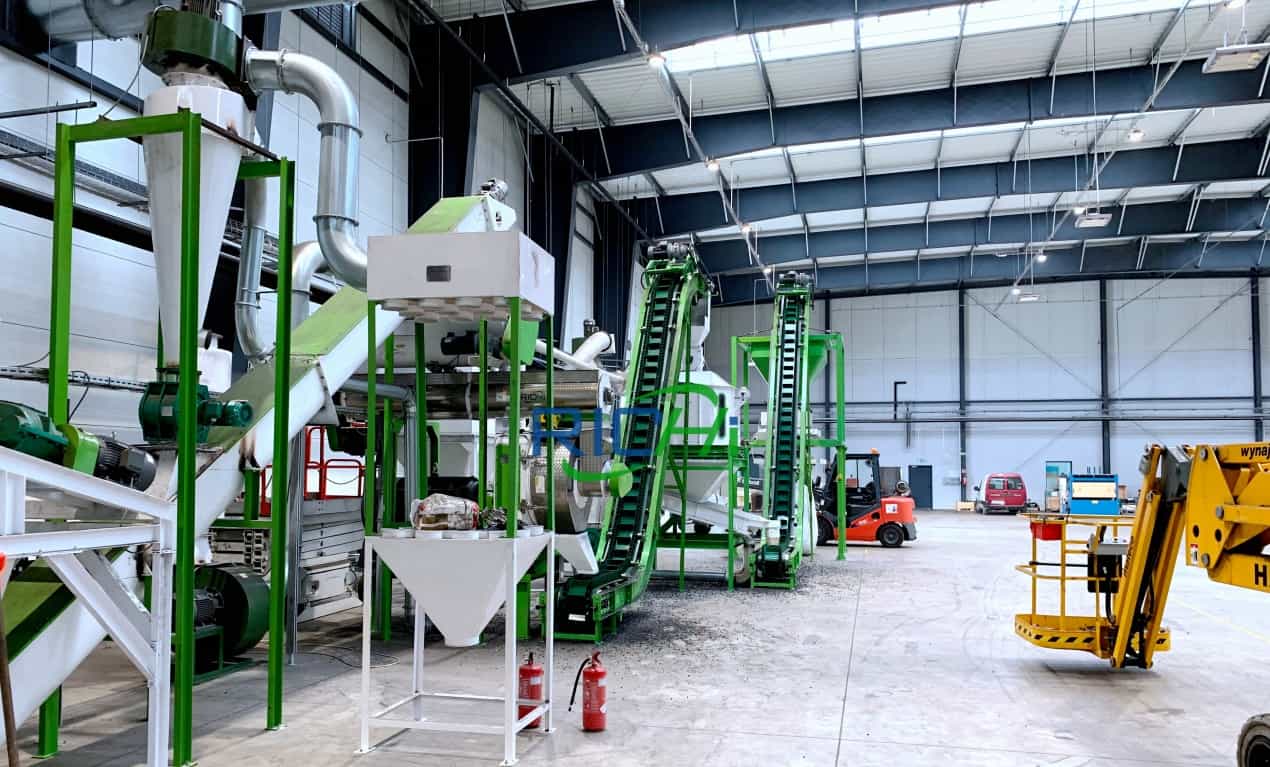
1.5T/H hemp biomass pellet machine in Canada
A biomass processing plant in Canada primarily produces hemp pellet fuel and environmentally friendly bedding. Their previous equipment couldn’t keep up with production capacity, resulting in a decline in pellet quality. Therefore, they planned to purchase two MZLH520 hemp pellet machines from us.
Multiple machines operating in parallel significantly increased productivity. Furthermore, even if one machine failed, pelleting could continue smoothly, minimizing downtime losses. Six months after it went into operation, customers reported that the equipment was very reliable and planned to expand production.
- Raw materials: hemp straw residue, wood chips, sawdust
- pellet diameter: 6-10 mm
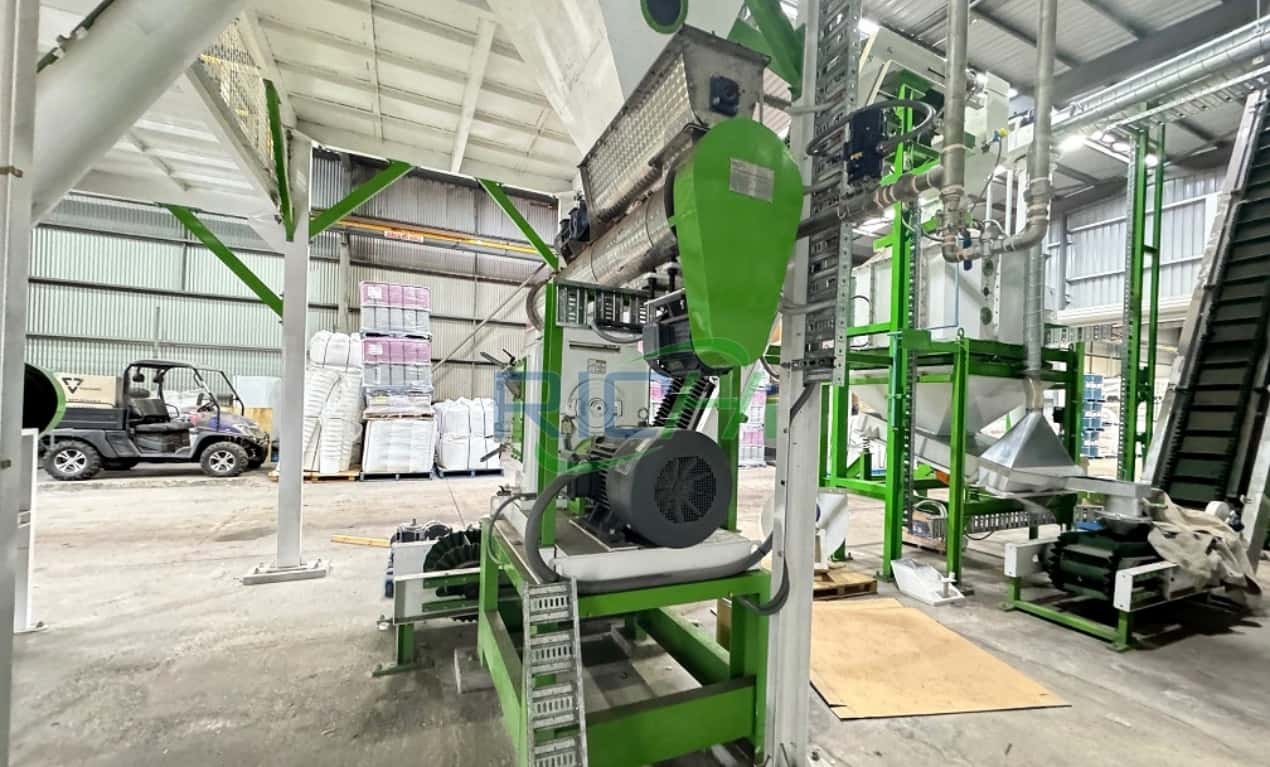
3-5T/H hemp pellet machines in the United States
The client is a feed mill specializing in horse feed. He incorporates freshly picked leaves and tender stems into his horse feed formulation to increase the overall protein content.
When designing the production process, our engineers considered the high water content of fresh leaves and therefore configured a rotary drum dryer between the grinding and mixing sections of the animal feed production line.
- Raw materials: Hemp leaves and tender stems (60%), corn, soybean meal, wheat bran, vitamin premix
- Main equipment: MZLH520 hemp and horse feed pellet machine, grinder, dryer, mixer, cooler, automatic baling scale
- Horse feed pellet size: 6mm
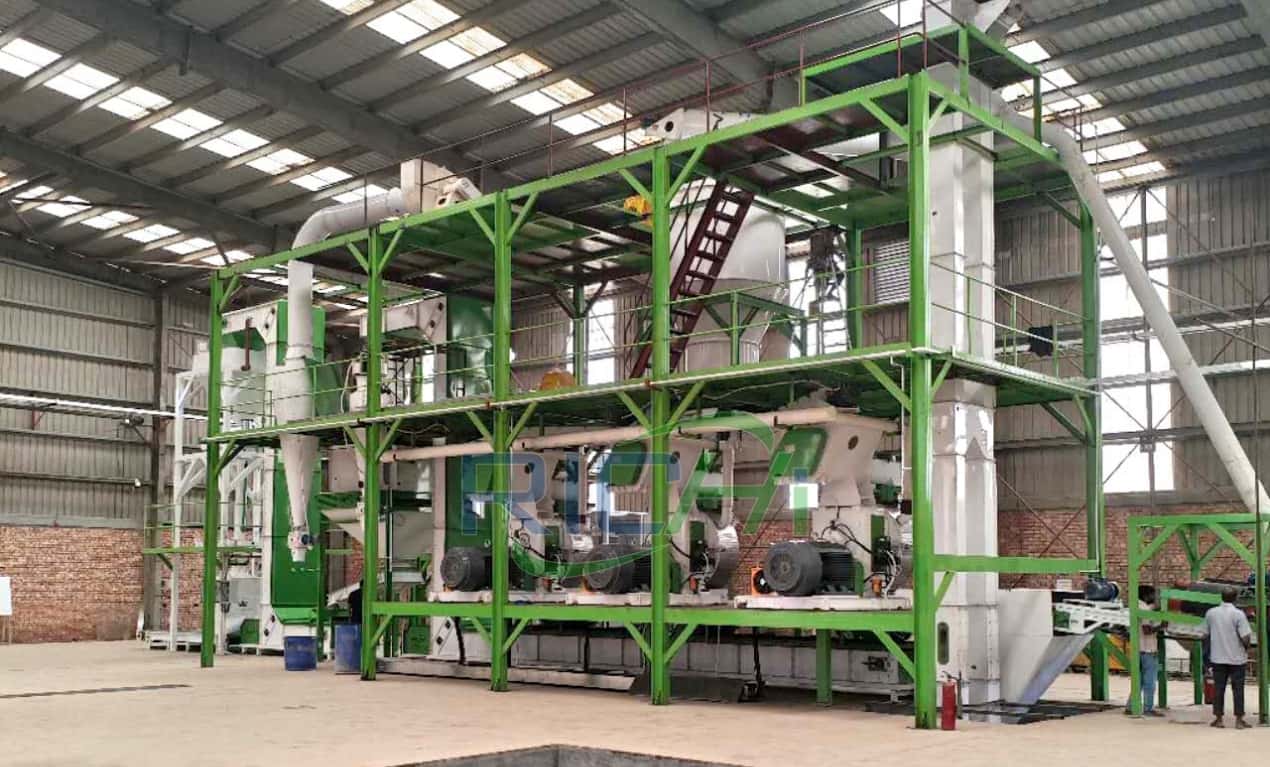
8-10T/H hemp pellet Pelletizer in Germany
This is a professional industrial hemp fiber processing enterprise. Its main businesses include hemp fiber processing, building materials, and pellet fuel production. Previously, each production run required a large workforce for packaging and storage. To reduce labor costs, the client wanted to build a fully automated production line.
Ultimately, fully automated operation was achieved from raw material receiving to packaging, increasing overall production efficiency by 25%.
- Final operators: 2-3 people
- Main equipment: PLC intelligent control system, crushing and drying system, hemp pellet machine, counter-current cooler, automatic packaging system
- Raw materials: hemp straw, wheat straw, sawdust
Other Equipment in the Hemp pellet production line
The hemp pellet machine is the core equipment of the entire production line. Depending on the state of the raw materials, production capacity requirements, budgeted costs, and product applications, other auxiliary equipment may also be required.
Hemp Crusher Machine
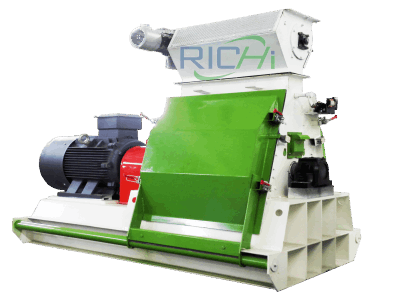
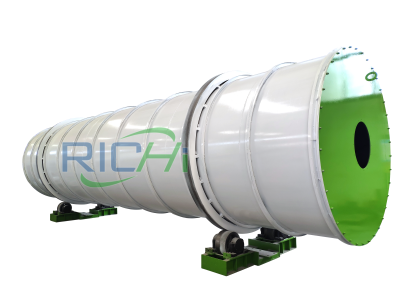
hemp dryer
mixer
Counterflow cooler
cleaning equipment
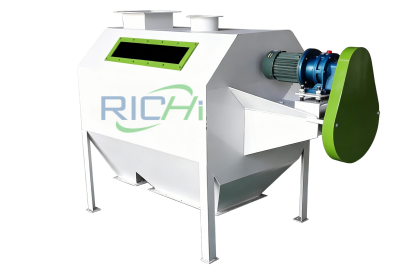
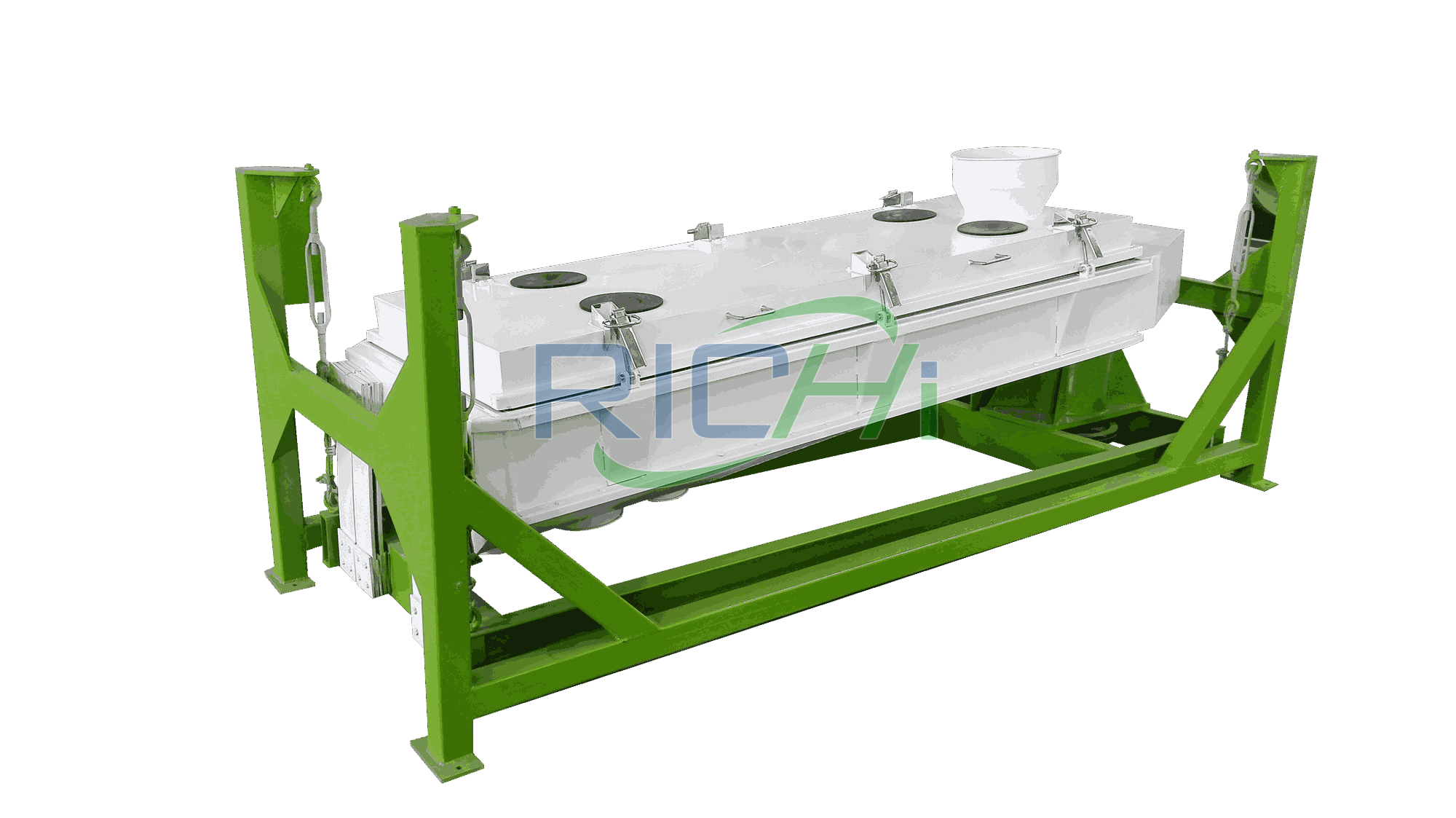
Gyratory Screener
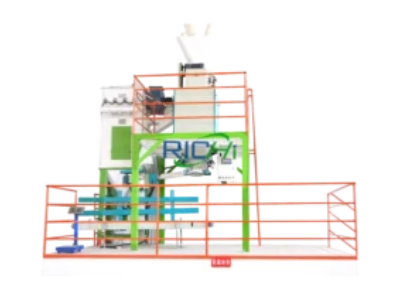
Automatic Packing Scale
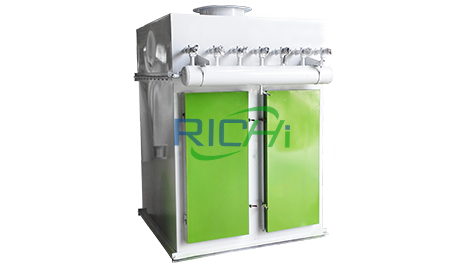
Pulse Dust Collector
Why Choose RICHI?
By choosing RICHI Machinery, you work with a manufacturer with over 30 years of experience in pellet equipment production and gain a reliable long-term partner. We provide affordable and transparent pricing, along with efficient and comprehensive after-sales service, so you can carry out your feed production with confidence.

Excellent after-sales service

After the hemp pellet machine arrives, we will carry out professional commissioning and acceptance. Our technicians will repeatedly commission the equipment in each production section to ensure the equipment operates up to standard. Additionally, if you are unfamiliar with our equipment, RICHI technicians will provide one-on-one on-site training until your team can operate the entire production line independently.
Customized design

RICHI has a dedicated R&D and design team to provide you with customized services. We offer over 200 products to meet all types of chicken feed production needs. In addition, we provide full-process design services, including site planning and equipment layout. Whether you are new to the feed industry or already operating a mature production line, just share your requirements with us, and we will deliver a tailored solution based on your actual situation.
High-quality equipment production

The production stage is the core link of the entire project implementation. We own two modern intelligent manufacturing bases and operate a strict quality control system. Every piece of equipment meets international first-class standards. The company has passed BV certification, ISO9001 International Quality Management System Certification, European CE Certification, and Swiss SGS Certification, among others.
Frequently Asked Questions
Various issues may arise during the procurement and operation of equipment for an hemp pellet machine. Below are several of the most common problems, which we hope will be helpful to you:
1. What other raw materials can a hemp pellet machine process?
+
The pelletizing machine can also process various agricultural and forestry wastes and industrial by-products, such as wheat straw, corn stalks, wood chips, sawdust, rice husks, peanut shells, forage grass, alfalfa, palm shells, and sugarcane bagasse.
When processing these raw materials, it is essential to control the size of the pellets to between 3-5mm. Additionally, if the raw materials are too wet, they need to be naturally air-dried or machine-dried.
2. I want to produce animal feed with a capacity of 10 tons per hour. The raw materials contain about 70% hemp. What model of pellet mill should I choose?
+
It’s important to understand that pelleting hemp raw materials is significantly more difficult than pelleting conventional raw materials like corn and soybean meal. During production, higher hemp fiber content may lead to a decrease in yield.
Therefore, we recommend purchasing two MZLH520 hemp pellet mills. The MZLH520 model features a larger pelleting hopper and more powerful pressure. It is specifically designed for high-fiber raw materials with long fibers and low density.
Furthermore, parallel operation of two machines ensures greater stability. Sufficient capacity will also be available for future adjustments to the formula or expansion of production.
3. How much does a hemp pellet machine cost?
+
Prices typically range from $10,000 to $60,000. However, this also depends on your final production volume and configuration. A quote will be determined after an evaluation by our professionals.
4. Do you offer raw material testing services?
+
Of course, and it was simply the right decision. You can send raw material samples (20-50kg) to our factory. We will test the processing effect of the raw materials to customize your exclusive equipment configuration, including compression ratio, output, demolding rate, and so on.
5. Does the equipment come with a warranty?
+
Yes, we offer a one-year warranty and lifetime technical support. In the event of a device malfunction, professionals will provide remote guidance and on-site repair.