Horse Feed Pellet Machine

How to Choose a Horse Feed Pellet Machine
As the core equipment for developing horse feed pellet projects, choosing a machine that perfectly matches your needs is crucial. This will maximize production efficiency and ensure the quality of the final pellets. In the long run, it’s a highly profitable investment. So how do you choose one? You can consider the following aspects.
Evaluation equipment manufacturers
A professional and experienced manufacturer can solve many problems for you. You can evaluate them from the following aspects:
First and foremost, their equipment manufacturing capabilities. Do they have independent R&D capabilities? Is their product quality recognized by international standards? You can check customer reviews and case studies. Alternatively, you can visit their factory directly.
Furthermore, an excellent manufacturer must have problem-solving abilities. Tell them your needs and see if they can provide customized solutions based on your specific requirements, rather than just trying to get your money.
After-sales service is also an important criterion. A manufacturer with a complete after-sales service system that can provide timely repair and technical support will ensure the stable operation of your production.
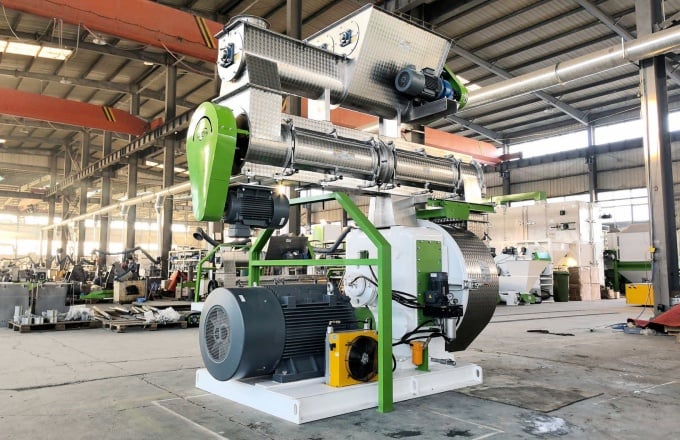
Next, we will provide a comprehensive introduction to this RICHI Machinery horse feed pellet machine. Refer to the selection criteria above to see if it’s the equipment you’re looking for.
Determine production volume
Once you’ve decided to specify horse feed pellets, you need to determine the final production volume. This requires considering factors such as market size, power availability, budget, and future development plans. In this case, finding a horse feed pellet machine with a complete model range, and even one that can be customized to different capacities, will be much more convenient and worry-free.
Test materials
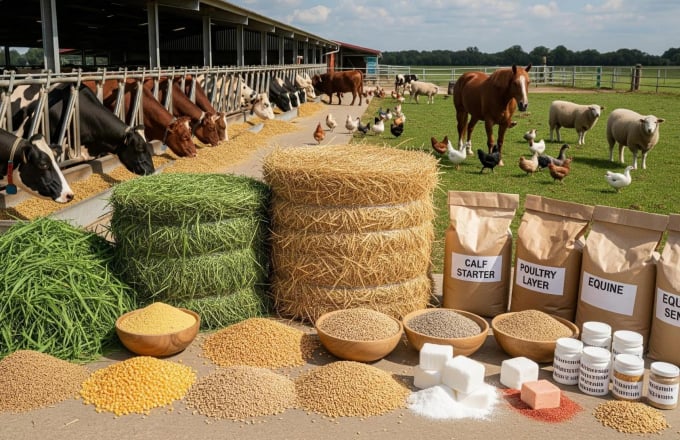
Horse feed typically consists of hay, grains, and premixes. The raw materials vary considerably. Therefore, when selecting a machine, it’s crucial to assess its ability to reliably process high-fiber and mixed feeds. You can check whether their feeding system and ring die rollers have been optimized. A more direct approach is to send them a sample of your feed and have them test it directly.
Equipment quality
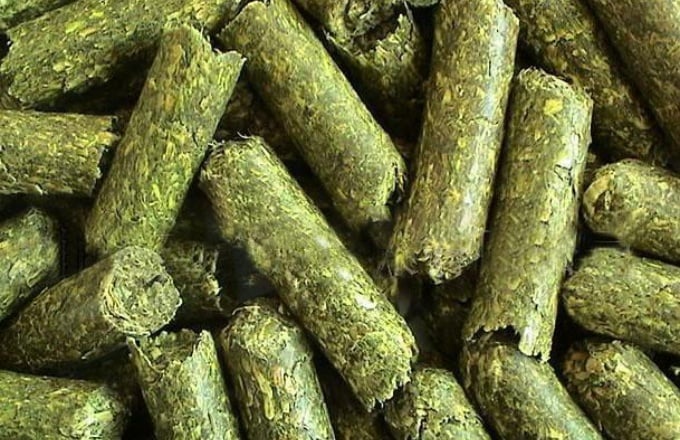
Quality should always be the top priority. A high-quality horse feed pellet press should be made of premium materials, offer flexible and convenient operation, and operate efficiently with low energy consumption. These factors will ensure long-term stable operation. Furthermore, good equipment is less prone to breakdowns, saving on frequent maintenance costs.

Budget costs
All choices should be within your budget. The first thing to consider, of course, is the price of the animal feed pellet mill. However, don’t just focus on the cheapest equipment. Its quality may be inconsistent, and various problems are inevitable later on. High-quality equipment may be slightly more expensive, but its efficient and high-quality production capacity can ensure you recoup your investment quickly and achieve higher profit returns.
Introduction to horse feed pellet machines
This horse feed pellet machine can produce 2-12mm pellets. It utilizes a steam conditioning system to soften and mix corn, wheat, alfalfa, hay, and premixed feed before pelleting. This process not only kills pathogens in the raw materials but also produces less dust in the pellets, effectively preventing colic and respiratory diseases in horses.
This equipment is simple to operate, robust, durable, highly efficient, and low-consumption. It is ideal for farms, cooperatives, and various medium to large-sized commercial feed mills.
Furthermore, this equipment can produce more than just horse feed pellets. By adjusting the production process and raw material formula, it can also produce various livestock and poultry feeds such as sheep feed, cattle feed, and pig feed. In other words, the cost of one machine can generate multiple benefits.
Horse feed pellet machines can be seamlessly integrated into pelleting production lines for continuous production. RICHI has 30 years of experience in this field and can design unique pelleting solutions for you.
Technical Structure of Horse Feed Pellet Machines
The horse feed pellet machine has passed rigorous international ISO and CE testing. Furthermore, when designing this equipment, we considered the high fiber content of horse feed. Therefore, we optimized and upgraded the materials, components, and structure of the equipment to achieve the best pelleting effect.
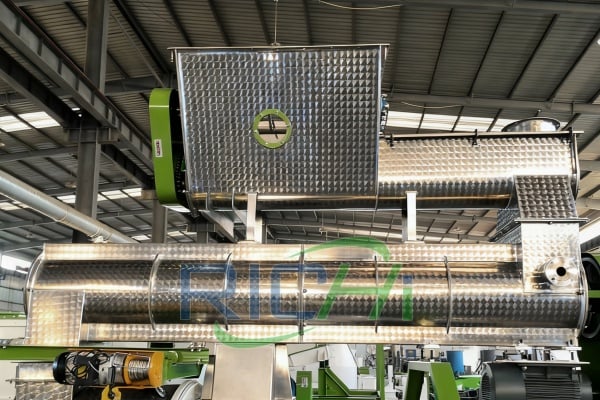
Feeding system
- Depending on the properties of the raw materials, the frequency converter can adjust the feeding speed to avoid material waste.
- To ensure smooth feeding, the pellet mill is equipped with a forced feeder to prevent the feed from getting tangled.
- The enlarged feeding opening allows for the insertion of more raw materials at once.
Conditioning system
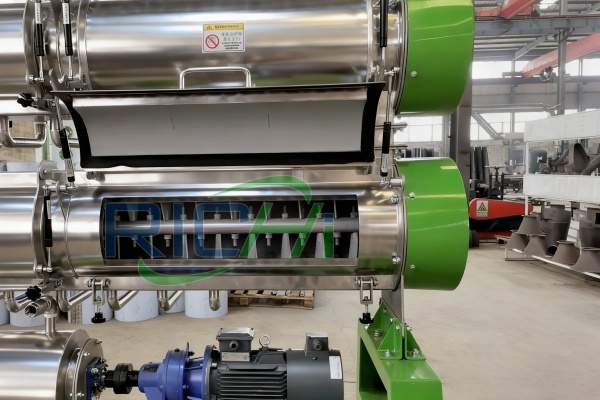
- The conditioner for horse feed pellets features an extended design. Steam allows for more thorough maturation of the raw materials.
- The temperer is made of 304 stainless steel, which is not easily worn and is more durable.
- The dual-shaft blades continuously tumble the material, allowing steam to fully penetrate the raw material. Unlike others on the market, it uses a casting process, making it not only wear-resistant but also adjustable in angle.
Pelletizing System
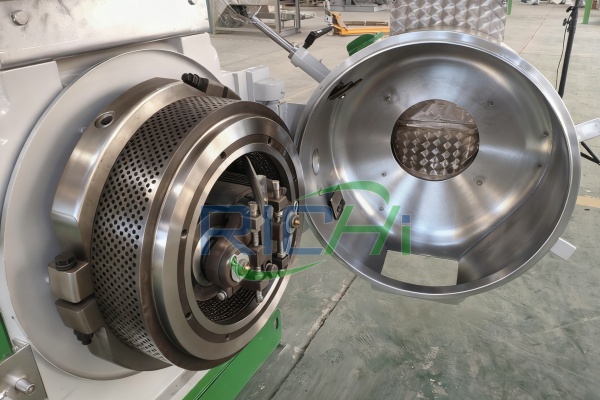
- The ring die, pressure roller, and cutter are all made of alloy steel. This industrial-grade material offers significant advantages in terms of wear resistance and durability.
- The ring die orifice features a unique release-type stepped hole design, facilitating smooth material demolding. Furthermore, we accept custom ring die sizes and compression ratios to accommodate various raw material formulations.
- The cutter is adjustable according to the length of the particles. It also features a continuously variable speed system for precise material cutting. The particles are smooth and burr-free.
drive system
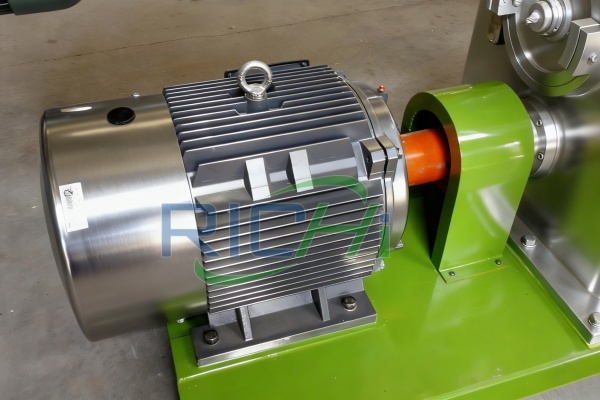
- The main drive of the horse feed pellet machine uses a gear type, less prone to slippage. Efficiency is increased by 15% compared to belt-driven systems.
- The drive gears are carburized for enhanced durability. An automatic lubrication system ensures continuous production.
- Siemens motors are highly efficient and energy-saving, offering a variety of power options.
- The transmission system uses SKF bearings and oil seals, ensuring high efficiency and low noise.
High efficiency
Highly automated, capable of continuous production
Good pellet quality
Modulated compression process, resulting in smooth, crack-free particles.
Low energy consumption
Variable frequency systems can reduce unnecessary energy consumption.
Easy to repair
Modular design for easy disassembly and maintenance
Affordable price
Factory direct sales, no middlemen taking a cut.
Horse feed pellet machine models and specifications
We have designed eight different models to cater to varying production scales, with capacities ranging from 1 to 40 tons per hour. For home feed production, a compact horse feed machine is a good option. It requires little space, has a simple structure, and low initial investment. For commercial production, we recommend building a production line centered around an industrial horse feed pellet machine to achieve standardized pelleting. The approximate price ranges from $50,000 to $2 million. We offer a one-stop service including plant layout, equipment configuration, process design, installation, and commissioning.

| Model | SZLH250 | SZLH320 | SZLH350 | SZLH420 | SZLH508 | SZLH558 | SZLH678 | SZLH768 |
| Main Motor Power (kW) | 22 | 37 | 55 | 110 | 160 | 185 | 250 | 315 |
| Feeder Power (kW) | 1.1 | 1.5 | 1.5 | 1.5 | 1.5 | 1.5 | 1.5 | 2.2 |
| Modulator Power (kW) | 1.5 | 4 | 4 | 7.5 | 7.5 | 11 | 11 | 11 |
| Die Inner Diameter (mm) | 250 | 320 | 350 | 420 | 508 | 558 | 673 | 762 |
| Finished Pellet Diameter (mm) | 2~12 | |||||||
| Output (T/H) | 1.0-1.5 | 3-4 | 5-6 | 10-12 | 15-16 | 20-22 | 30-33 | 38-40 |
Application of horse feed pellet machines
This horse feed pellet machine is not picky about materials. This means you can use locally sourced, affordable raw materials to produce feed pellets suitable for horses at all stages of growth, thus allowing you to maximize your profit margins.
Suitable for a variety of raw materials
Energy raw materials
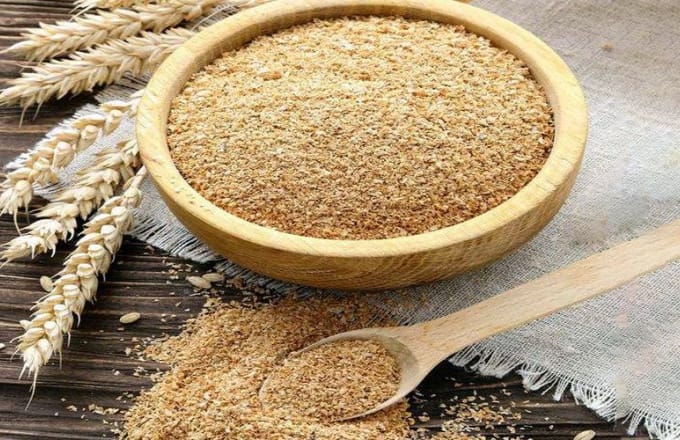
- Corn, oats, flour, bran…
- ensuring the daily life and growth of horses.
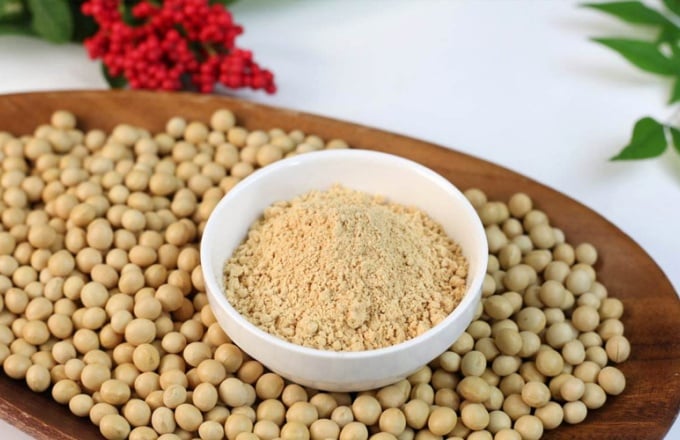
Protein raw materials
- Soybean meal, sunflower meal, rapeseed meal, alfalfa meal…
- These can provide amino acids for muscle and bone growth.

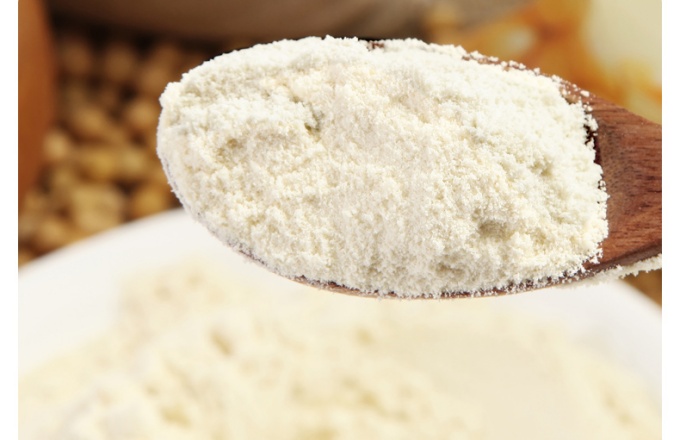
Fiber raw materials
- Alfalfa hay, hay, corn stalks…
- Roughage maintains gut health.
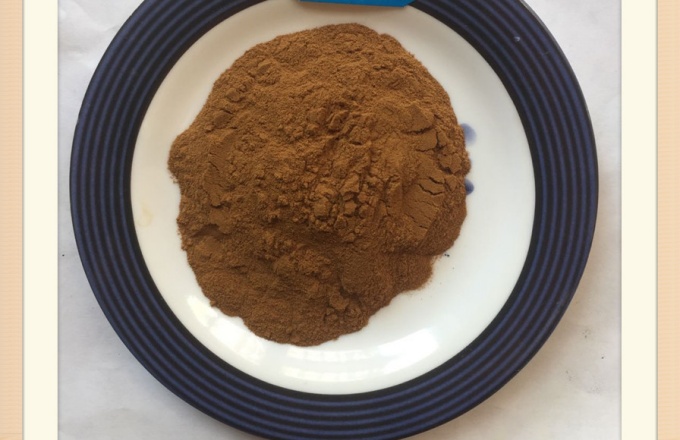
Minerals and vitamins
- Stone powder, dicalcium phosphate, laboratory feed, vitamin premix…
- Improving the immune function of horses and preventing illness.
Functional additives
- Vegetable oils, yeast, probiotics, antioxidants…
- Improving pellet quality and maintaining horse health.
Full-stage horse feed production
Generally, horse feed pellets have a diameter between 4-8mm. Different requirements exist for pellet size and hardness at different stages of horse feed production. Furthermore, it’s crucial to flexibly adjust the raw material formula to meet the growth needs of horses. For example, breeding mares may require more protein and vitamins to meet their reproductive needs. Horse feed pellet machines offer flexible production methods, making them ideal equipment for producing multi-specification and multi-formulation feeds.
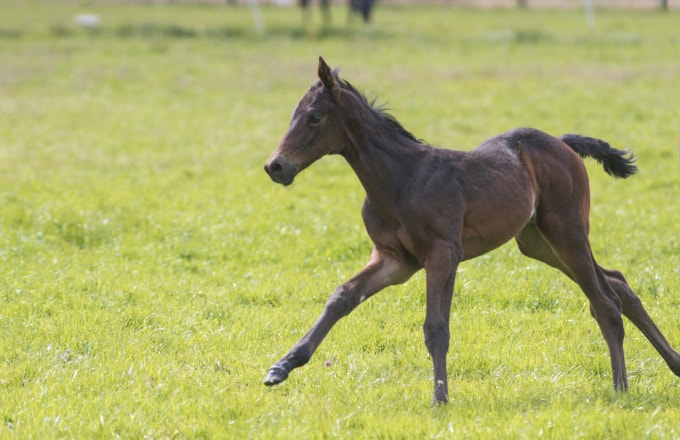
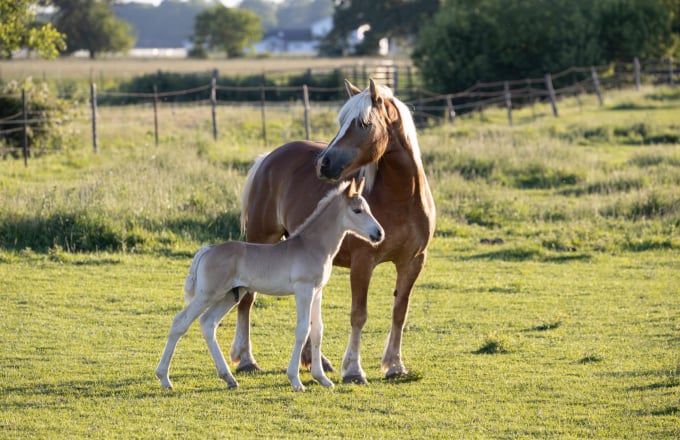
young foal
Breeding mares
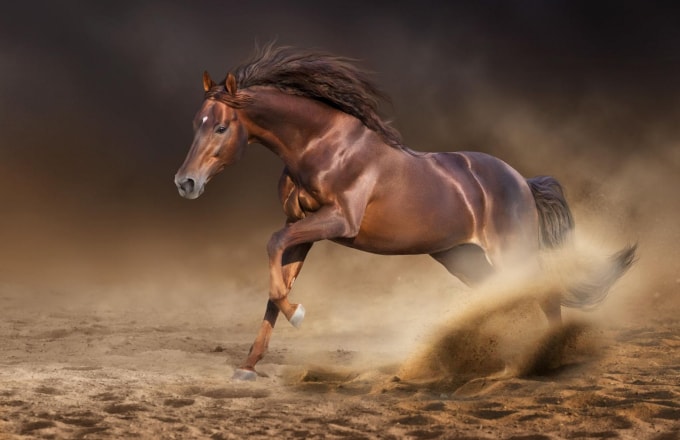
horserace
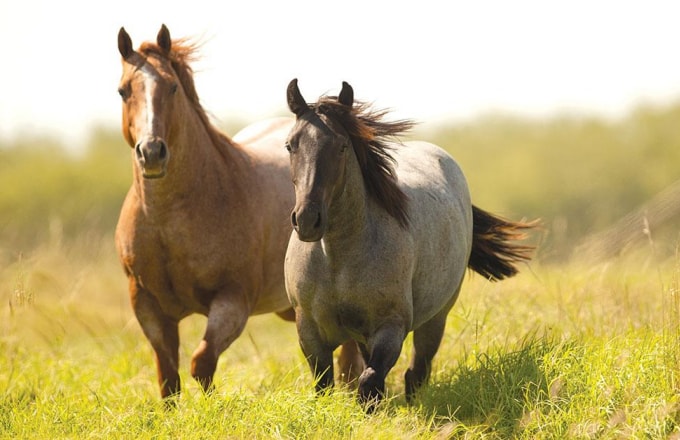
stallions
Global Case Studies of Horse Feed Pellet Machines
— Richi Machinery —
Our horse feed pellet machines have been exported to over 140 countries worldwide. Thanks to their high-performance equipment and scientifically designed production lines, many of our clients’ horse feed projects continue to be profitable. Below are some classic case studies.
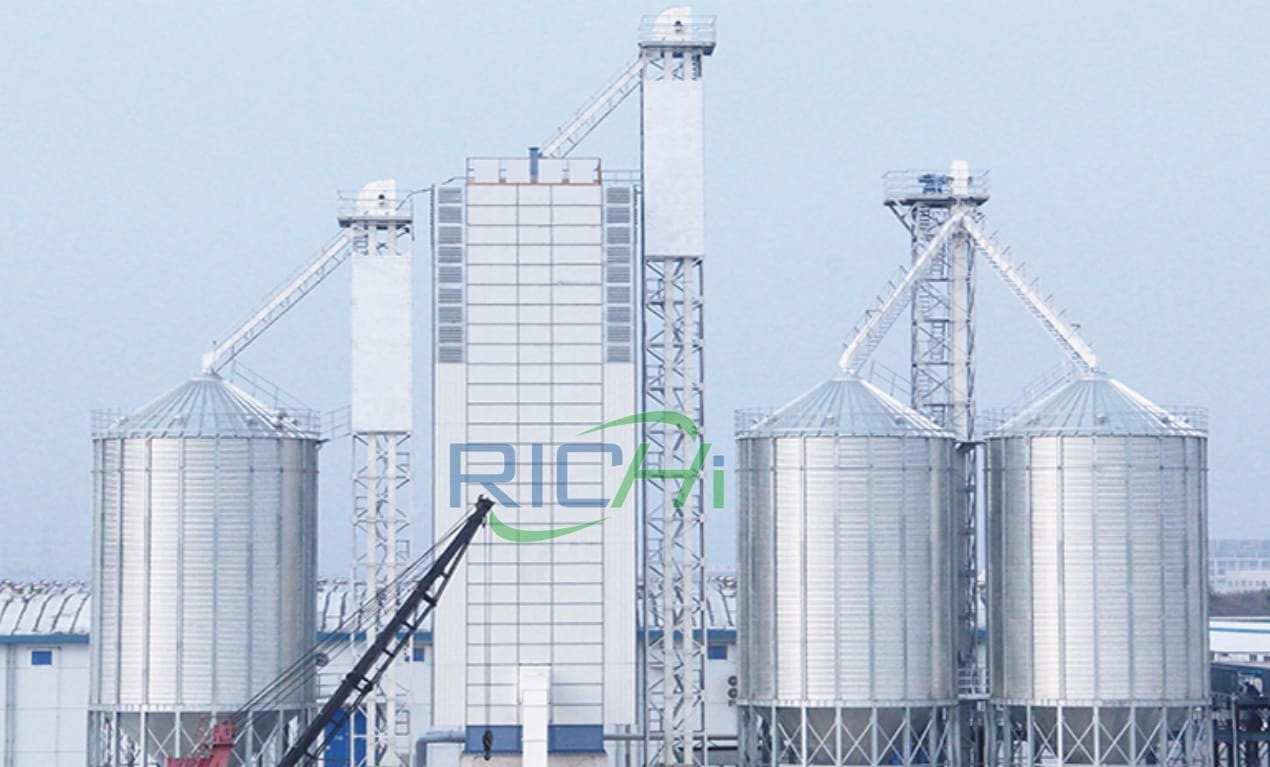
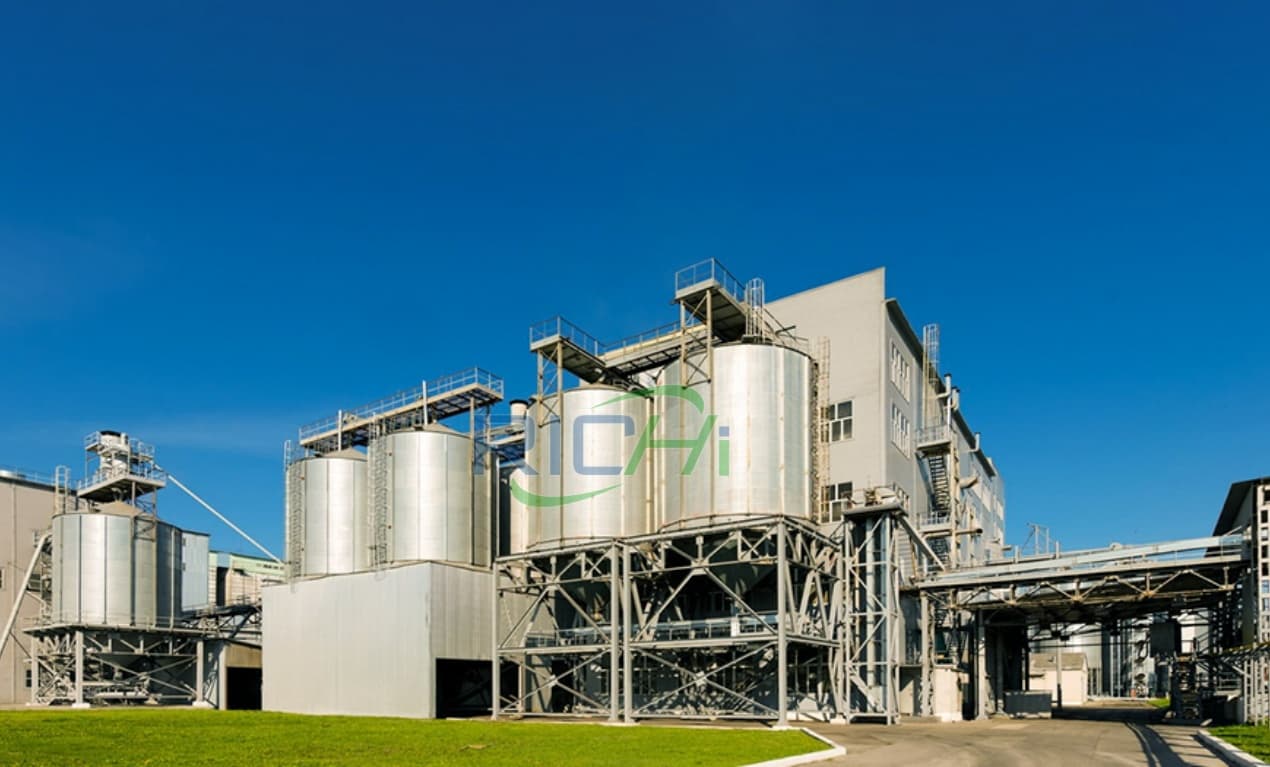
6-8T/H horse feed pellet machine in Germany
- Project start time: Project Time: May 2023
- Raw Materials: Corn, Oats, Soybean Meal, Grass Meal, Mineral Premix
- Particle Size: 4-8mm
- Client Needs: A fully automated production line to reduce labor costs
- Main Equipment: PLC intelligent control system, SZLH350 horse feed pellet machine, cooling and drying system, crusher, automatic packaging scale
- Final Operators: 2-3 people
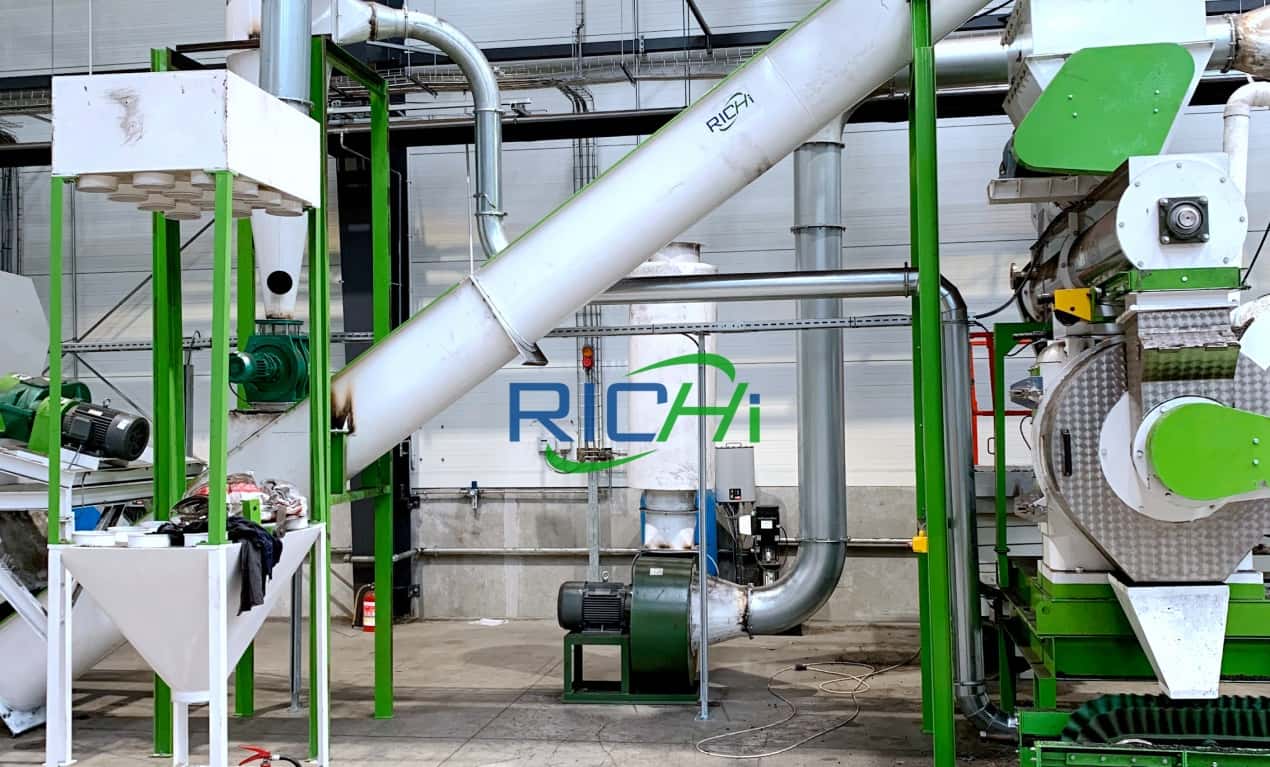
10-13 horse feed machine in the United States
- Project Time: March 2021
- Raw Materials: Corn, Oats, Soybean Meal, Alfalfa, Vitamin Premix
- Pellet Size: 6-8mm
- Main Equipment: Crusher, Automatic Batching System, SZLH420 Horse Feed Pelletizer, Counterflow Cooler, Screening Machine, Automatic Packaging System (25-50kg)
- Client Needs: This is a horse feed manufacturer seeking convenient storage and transportation. The client emphasized controlling dust levels and minimizing pellet breakage.
- Solution: Removing substandard pellets through a screening machine, resulting in a final dust rate of less than 1.5%.
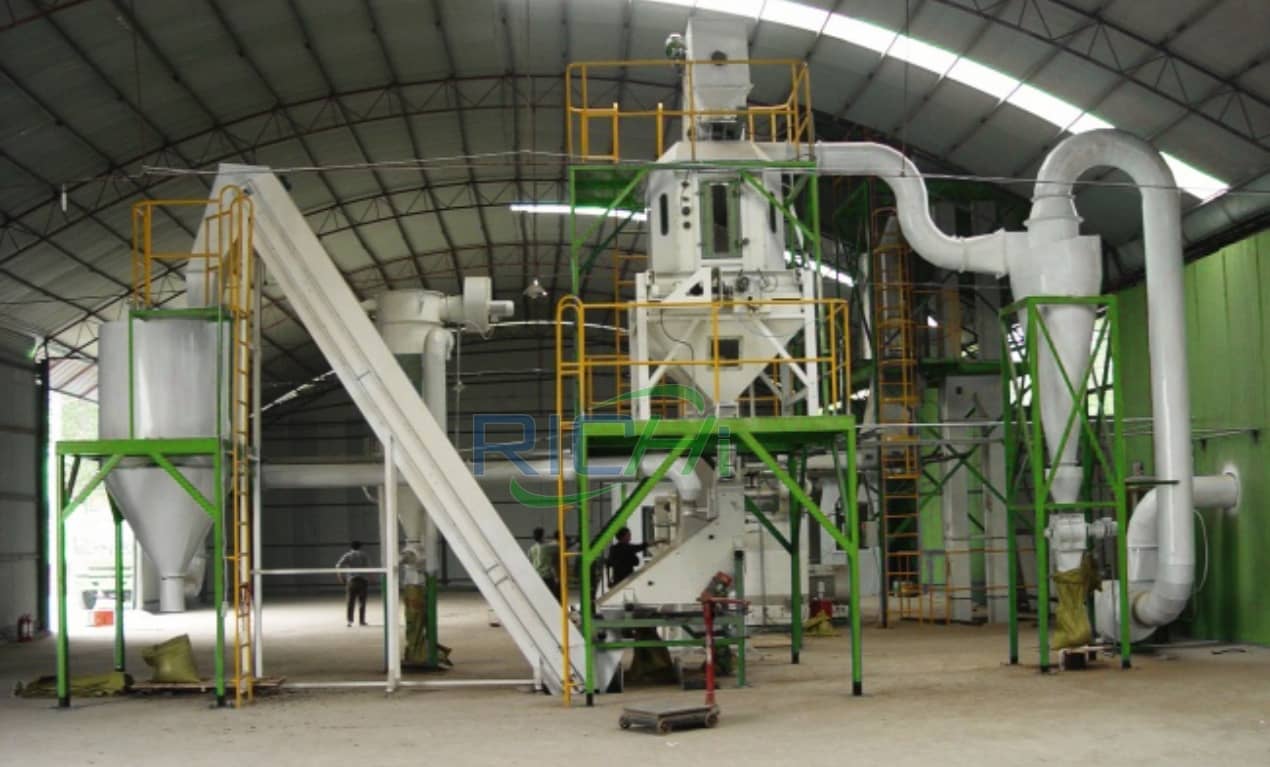
3-5T/H horse feed pellet machines in the UK
The client is a feed supplier, primarily providing feed to British horse racing clubs. This necessitates a production line capable of processing different feed formulations to ensure precise nutrition for the racehorses. We selected the SZLH350 horse feed pellet machine for them and added an automatic batching system with an error margin of no more than ±0.2%.
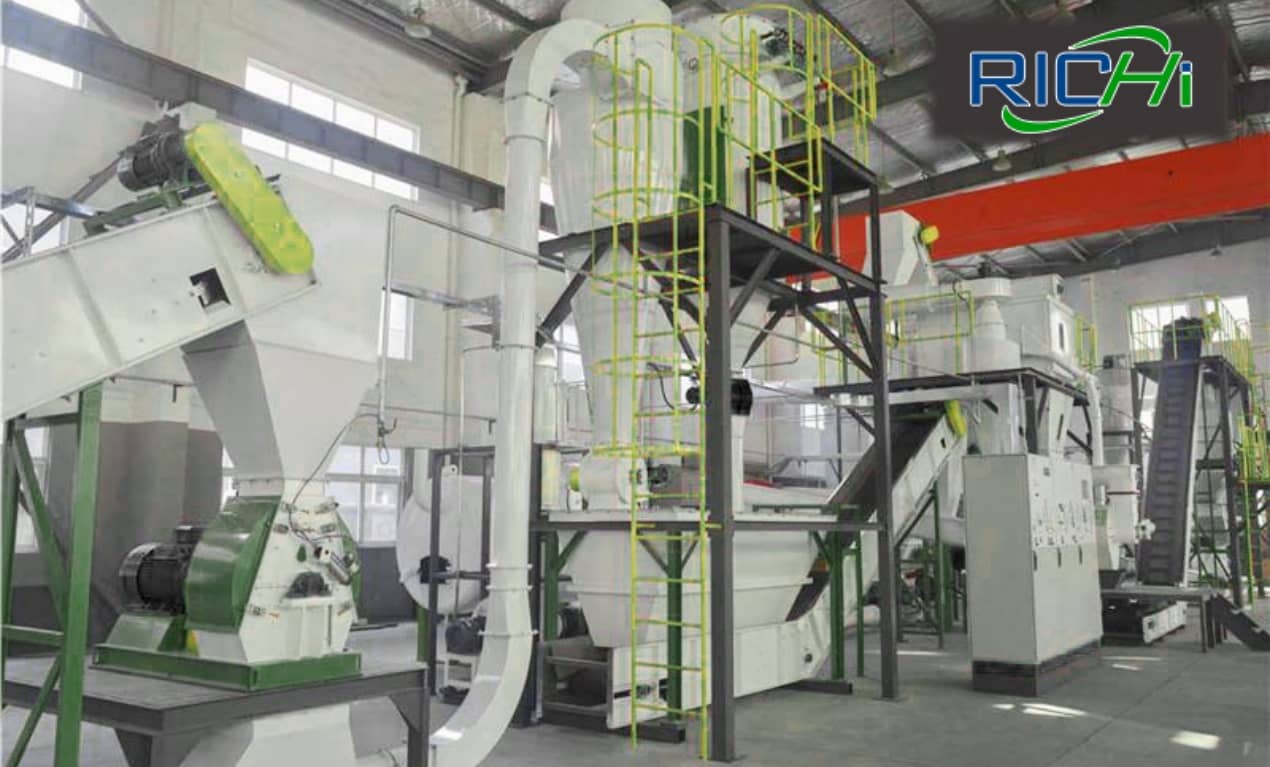
5-7T/H horse pellet feed machine in France
This production line primarily produces feed for breeding horses and foals. The customer’s formula is fortified with multiple vitamins and minerals and has a higher protein content to help mares recover quickly. For different production stages, we have equipped the pellet mill with ring dies of two different aperture sizes: 4mm and 6mm.
5T/H horse feedmachine in Australia
The client operates a large ranch, primarily raising ruminants such as horses, cattle, and sheep. They established this animal feed production line to reduce outsourcing costs and achieve self-sufficiency. Because the moisture content of the fresh hay in the raw material formula is as high as 60%, we installed a rotary drum dryer before the horse feed pellet machine. This effectively reduces the moisture content to below 15% in a very short time, ensuring optimal pellet formation.

How to produce horse feed pellets?
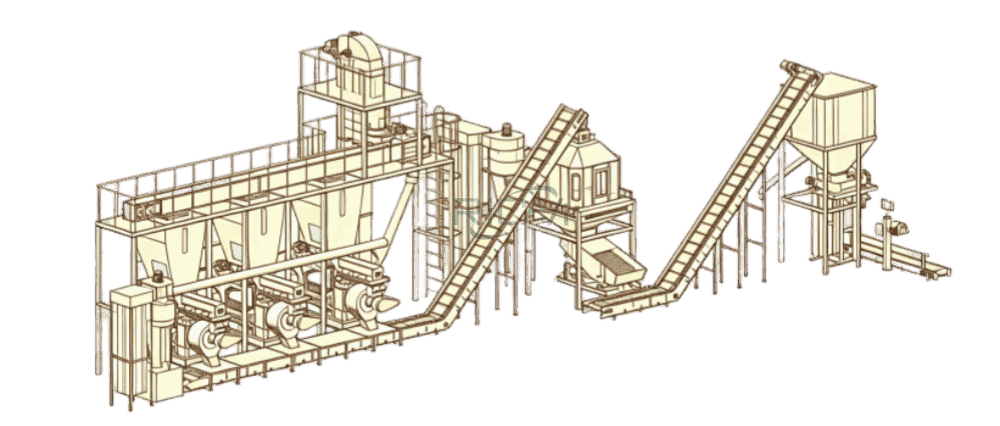
Achieving continuous production often requires multiple steps, including crushing, mixing, granulation, cooling, sieving, and packaging. It’s advisable to consult with experts first. They will configure equipment and design production processes based on your specific needs, helping you start production faster.
1
Raw material cleaning
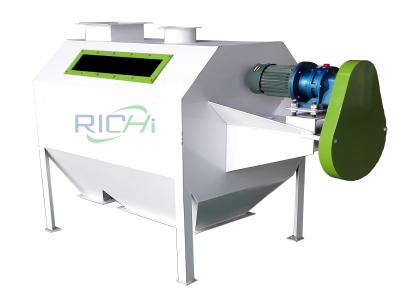
To remove stones, iron filings, etc., from raw materials. We have cleaning machines with different functions.
2
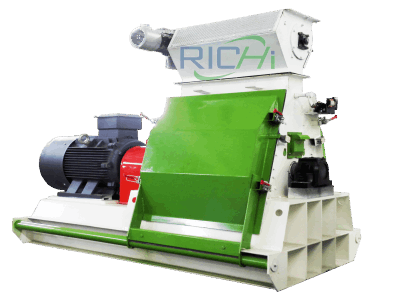
Raw material crushing
This step can be omitted depending on the actual situation. If your raw materials are too long, they need to be crushed into powder of 3-5mm. Of course, if the raw material specifications meet the requirements, this step can be skipped.
3
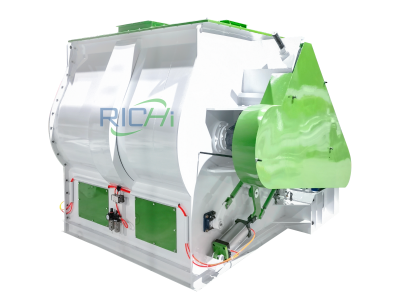
Mixed raw materials
The weighed raw materials need to enter the mixer. Here, the paddles evenly mix all the ingredients, ensuring that each batch of feed pellets is nutritionally balanced.
4
Pelletizing section
The horse feed pellet machine is the core pelleting equipment. Raw materials enter the conditioner through the feed inlet. The temperature here can reach 70-90 degrees Celsius, which promotes starch gelatinization. The material begins to become sticky, at which point the pressure rollers and ring die compress it into long strips. Finally, a cutter cuts it into uniformly sized pellets.
5
Cooling section
The cooling machine cools and shapes the granules, making them less prone to mold and breakage.
6
Finished product packaging
Finally, an automatic packaging scale can be used to accurately weigh the finished product and package it according to the preset weight.
Other equipment in the horse feed pellet production line
Raw material cleaning equipment
Crusher
mixer
Cooler
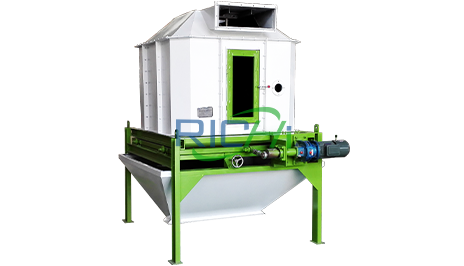
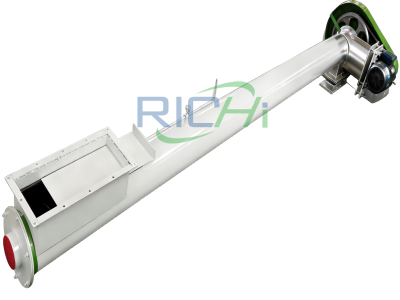
conveyor
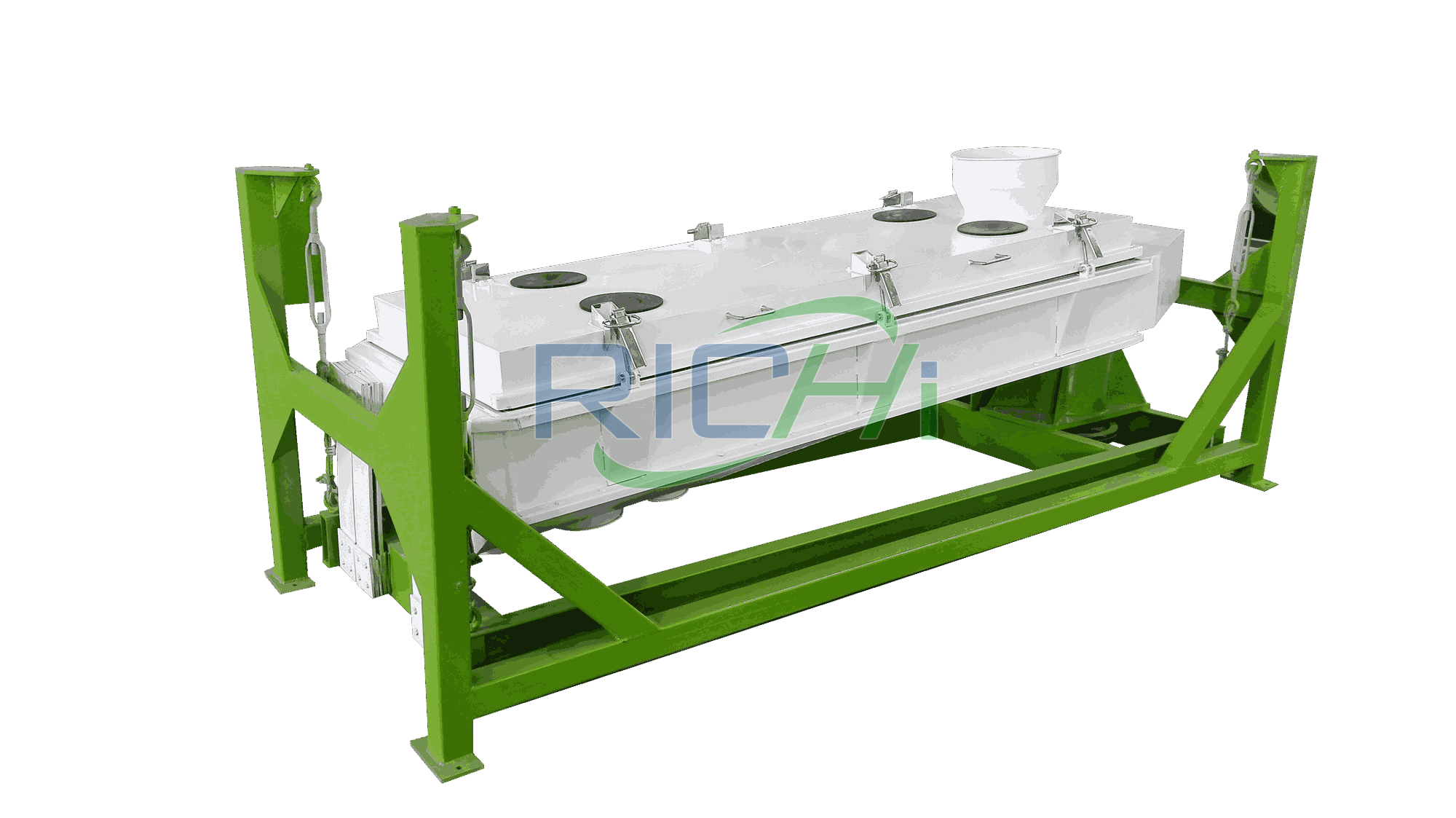
Gyratory Screener
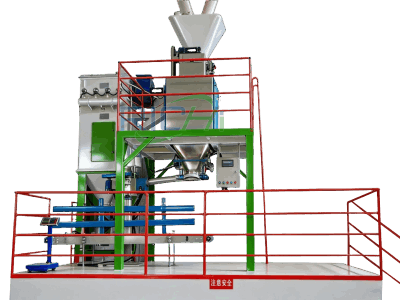
Automatic Packing Scale
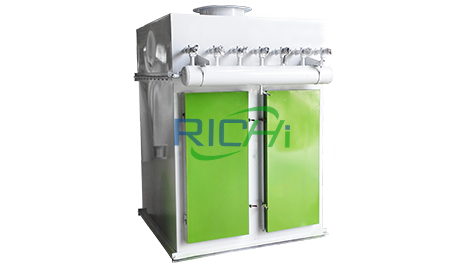
Pulse Dust Collector
Why Choose RICHI?
By choosing RICHI Machinery, you work with a manufacturer with over 30 years of experience in animal feed equipment production and gain a reliable long-term partner. We provide affordable and transparent pricing, along with efficient and comprehensive after-sales service, so you can carry out your feed production with confidence.

Excellent after-sales service

After the horse feed pellet machine arrives, we will carry out professional commissioning and acceptance. Our technicians will repeatedly commission the equipment in each production section to ensure the equipment operates up to standard. Additionally, if you are unfamiliar with our equipment, RICHI technicians will provide one-on-one on-site training until your team can operate the entire production line independently.
Customized design

RICHI has a dedicated R&D and design team to provide you with customized services. We offer over 200 products to meet all types of chicken feed production needs. In addition, we provide full-process design services, including site planning and equipment layout. Whether you are new to the feed industry or already operating a mature production line, just share your requirements with us, and we will deliver a tailored solution based on your actual situation.
High-quality equipment production

The production stage is the core link of the entire project implementation. We own two modern intelligent manufacturing bases and operate a strict quality control system. Every piece of equipment meets international first-class standards. The company has passed BV certification, ISO9001 International Quality Management System Certification, European CE Certification, and Swiss SGS Certification, among others.

1
How much does a horse feed pellet machine cost?
Horse feed pellet mill equipment costs between $10,000 and $100,000. The higher the output, the higher the price. Furthermore, the equipment configuration also affects the price. However, generally speaking, it won’t exceed this range. For a more specific quote, you can consult our technicians free of charge.

2
How to tell if the horse feed pellets produced are of good quality?
First, you can observe the appearance of the kibble. Good kibble will be smooth and free of cracks. Furthermore, for animals like horses with highly sensitive respiratory systems, the amount of dust in the kibble is also an extremely important criterion.
Horses generally chew by grinding their teeth laterally. The kibble should be of medium firmness—not too hard to damage their teeth, nor too soft to cause injury from eating too quickly. You can squeeze it with your hand; if it crumbles but doesn’t turn into powder, it’s a high-quality kibble.
You can also smell it. Good kibble should have a natural grain and hay aroma. If you smell a sour or musty odor, discard it immediately. Otherwise, it could cause the horse to become ill, resulting in more harm than good.
Ultimately, judging the quality of kibble boils down to whether it promotes healthy horse production and prevents illness.
3
Can I use this equipment to produce biomass pellets?
Under suitable conditions, it is entirely feasible.
The process for producing biomass pellets is the same as that for animal feed, both involving extrusion pelleting. However, it is more suitable for processing softer biomass feedstocks, such as alfalfa, rice straw, and stalks. During processing, the moisture content and size of the feedstock must be controlled within appropriate ranges. Additionally, adjustments to the equipment configuration are necessary when making biomass pellets. For example, an 8-power electric motor is generally used, as it provides greater torque and more stable pellet formation.
4
What is the warranty period for horse feed pellet machines?
Each device comes with a 12-month warranty and lifetime technical support.