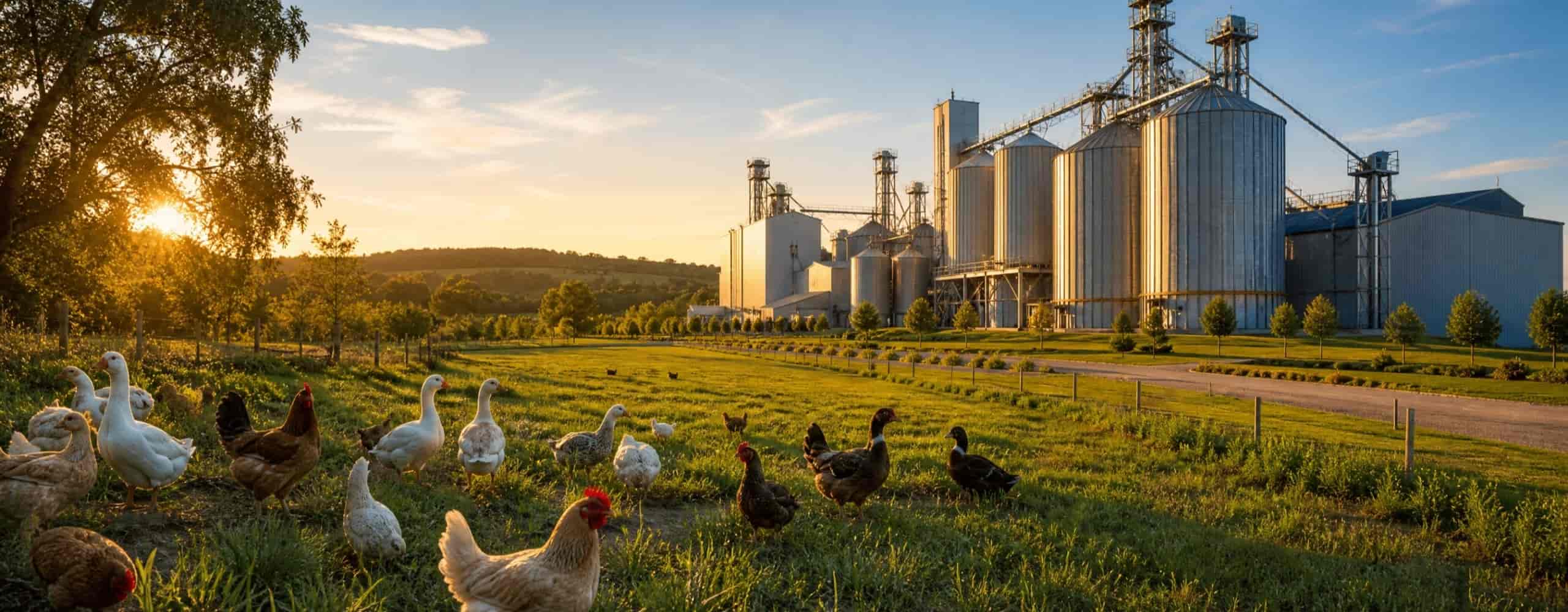
Poultry Feed Production Line
Our poultry feed production line can efficiently produce feed for various poultry species, including chickens, ducks, geese, and quails. It’s not just for single-feed production, producing multiple feeds on a single line is entirely feasible. RICHI has extensive experience in meeting these needs. From raw material processing to finished product packaging, we will help you build a standardized feed processing plant based on your specific needs.
Is a poultry feed production line profitable?
The poultry feed market has a very broad prospect. Poultry must eat feed every day. This means that as long as poultry farming exists, manufacturers can stably and continuously produce feed. However, to achieve stable profits in the feed industry, you need to control costs, improve efficiency, and maintain consistent quality. These are precisely the strengths of a poultry feed production line.
RICHI poultry feed production line
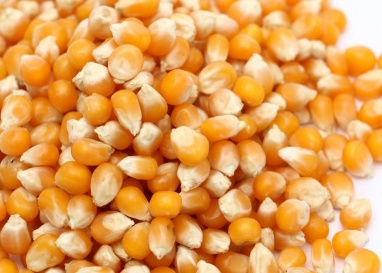
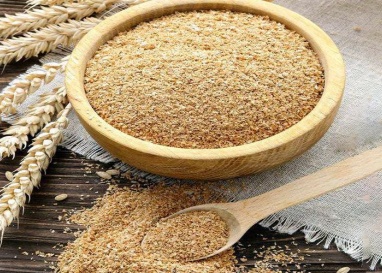
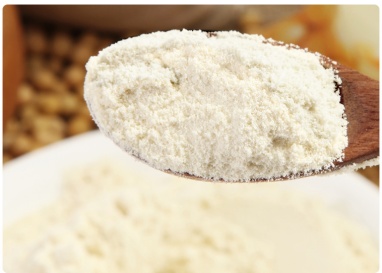
RICHI’s poultry feed production lines are not fixed. They utilize a modular design. This means that, with proper design, a single production line can process various poultry feed ingredients, including corn, bran, soybean meal, premixes, and more. Producers no longer need to worry about raw materials—they can choose the most suitable and cost-effective ingredients to produce a variety of poultry feeds. Lower raw material costs will allow you to achieve greater profit margins.
So how should an animal feed production line be designed to achieve this? This is where our professional team comes in. We don’t just recommend equipment. All choices are based on the actual state of the raw materials, production capacity targets, investment budget, and feed type. The total investment is approximately between $10,000 and $3,000,000. However, with a customized solution, you can recoup your costs and start making stable profits in about 2-4 years.
Production capacity
(tons/hour)
1-100
Pellet size
(mm)
1-12
Investment in poultry feed production plants:
(USD)
$10,000 – $300,000
Application of poultry feed production lines
As mentioned earlier, setting up a poultry feed production line allows you to produce feed for different breeds of poultry. This includes more than just pelleted feed. You can flexibly switch between different feed forms, achieving stable revenue generation from multiple sources.
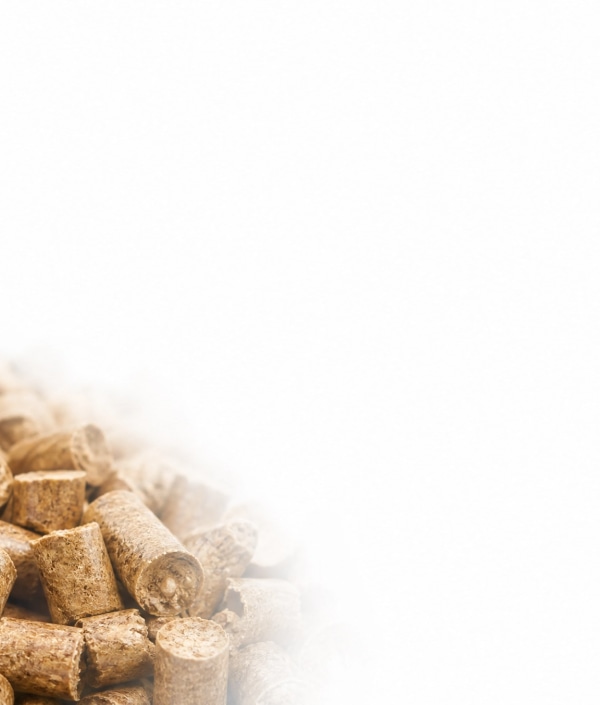
Poultry pellet feed
To produce this type of feed, a poultry feed pellet machine is the core equipment. By adjusting the size of the ring die orifice, pellets of different diameters can be produced. These pellets are compact, easily digestible, and effectively reduce feed waste. After production, if further crushed, they are ideal for various types of chicks. The size is generally between 1.5-3mm.
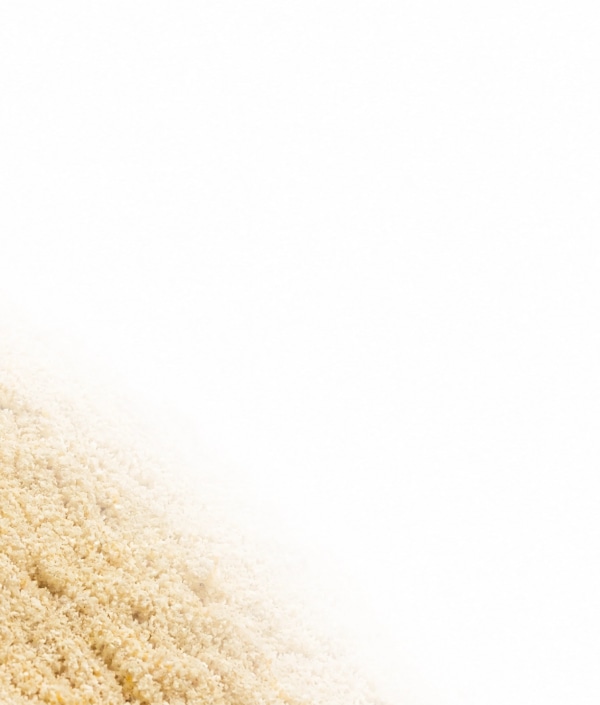
Poultry powdered feed pellets
This pellet processing method is simpler, eliminating the need for pelleting and cooling. Therefore, the overall input cost is lower. This pellet form is also more suitable for young poultry. For a more balanced feed nutrition, various vitamin premixes can be produced. Adding it directly to powdered materials will result in a more even distribution.
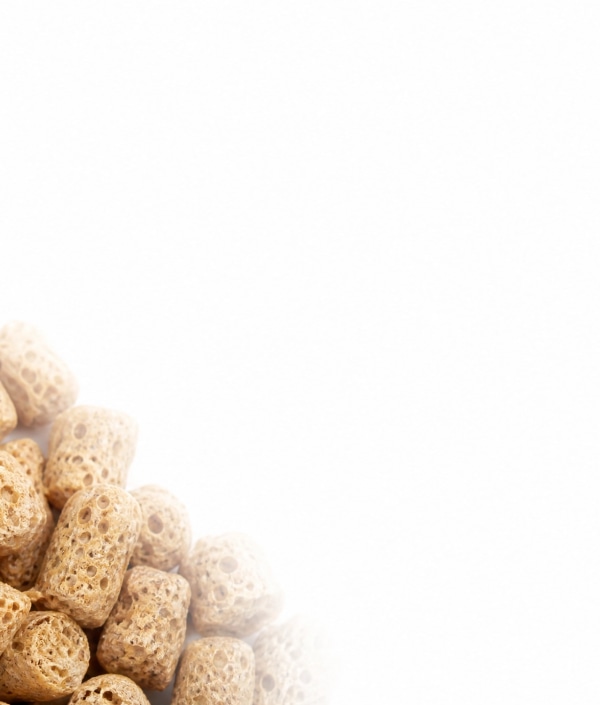
Poultry extruded feed
Through high-temperature and high-pressure processes, feed extruders can produce porous, fluffy feed. While the cost is slightly higher than conventional pelleting, the 100-140 degree Celsius processing environment allows for better starch gelatinization, promoting absorption by poultry. Many manufacturers have built this production line to process high-end feed.
Real video of the poultry feed production line
Of course, words alone cannot fully convince you of the RICHI poultry feed lines. Below, we will provide several real videos showcasing different production configurations, operational results, and product quality.
Peru 5 TPH Broiler Feed Production Line
1-2T/H Poultry Feed Line + 0.5-0.6T/H Fish Feed Production Line
Indonesia 1-2 Ton poultry Feed Production Line and extruder
Poultry feed production line process flow
As you can see in the video above, each poultry feed production line has a different configuration. This is because we don’t rigidly copy existing models. Each client’s feed products, raw material conditions, production capacity, and workshop dimensions are considered. Our professional engineers conduct a detailed assessment before designing the production process. Next, we will provide a detailed introduction to each production stage.
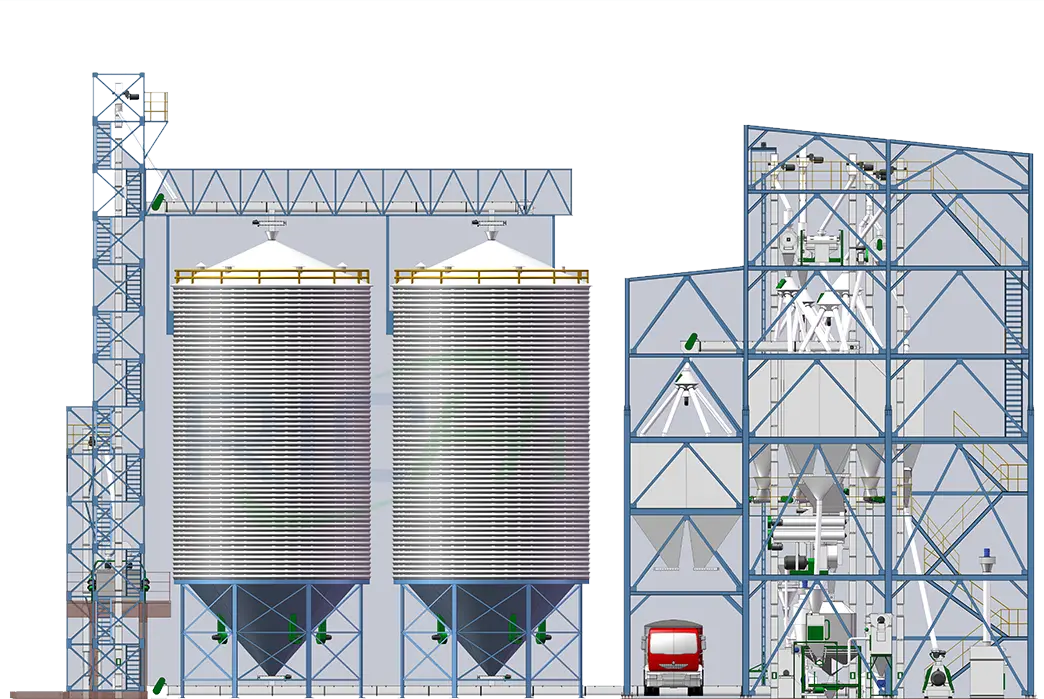
Raw material cleaning
01
Once a suitable and stable raw material is found, the process can begin. Various cleaning devices will precisely remove impurities from the raw material, such as dust and iron filings.
Grinding raw materials
02
Actual production has repeatedly demonstrated that using a pulverizer to turn raw materials into powder can increase yield by 5%-12%, which is also easier for poultry to digest. However, finer is not always better. 3-5mm is the ideal range for pelleting.
Batching and Mixing Section
03
To ensure consistent feed composition in each batch, the feed scale precisely dispenses ingredients according to a set ratio, with an error margin of no more than 0.5%. Afterwards, you can add various grains, premixes, and liquids into the mixer, where it will mix them evenly, ensuring standardized pellet production.
Pelletizing Section
04
You can choose between an animal feed pellet mill or an extruder depending on the type of feed you want. The number of conditioning layers can be customized; for poultry, a single-layer conditioning layer is sufficient. Even dry screw extruders can achieve pelleting through mechanical friction alone.
Cooling Section
05
The freshly produced pellets need to be cooled and shaped in a cooler. This step is essential for commercial feed production, as it facilitates transportation and storage.
Crushing and screening processes
06
If you want to produce crushed feed suitable for young poultry, you can further crush the particles at this stage, with a size between 1.5mm and 3mm. Afterward, a screening machine is used to remove excess dust.
Packaging Section
07
Finally, the products will be weighed and packaged, ready to be shipped to the market.
Main equipment of poultry feed production line
This section lists equipment that might be used in poultry feed production lines. Of course, it’s not limited to these. If you’d like to learn more, please feel free to contact our sales staff.
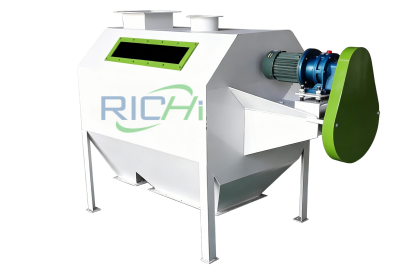
Poultry feed cleaner
Depending on the type of raw material, cleaning equipment includes permanent magnet drums, dust collectors, etc.
- power:0.75-1.5KW
- Output:15-50T/H
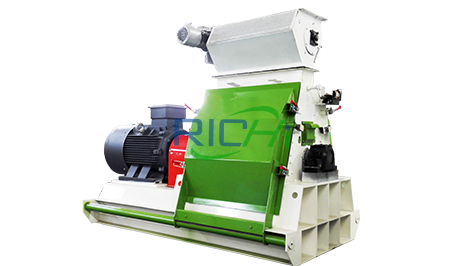
Animal feed grinder
The most commonly used type is the water droplet grinder. By changing the screen, it can control the size of the raw material between 0.5 and 20 mm.
- Output:3-50 T/H
- Power:37-220KW
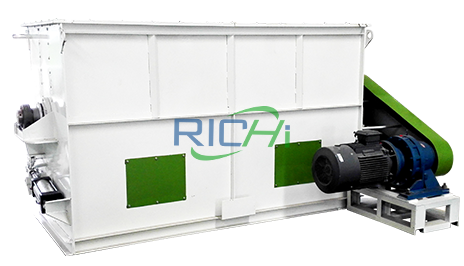
Poultry feed mixer
This includes paddle mixers, ribbon mixers, and drum mixers. We will help you choose the most suitable equipment based on your specific needs.
- Output :250-2000 KG/P
- Power :5.5-30 kW
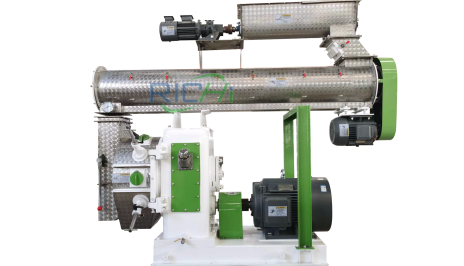
Chicken feed pellet machine
After steam conditioning, the ring die and pressure rollers will extrude the raw material into granules.
- Capacity: 1-40 T/H
- Power: 22-250KW
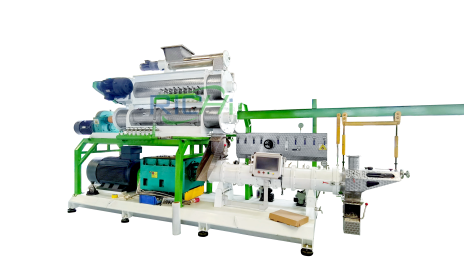
Poultry feed extrusion machine
This is the main equipment for producing extruded feed. It can also produce various aquatic feeds for fish, shrimp, crab, etc.
- Output: 0.5-12 T/H
- Power: 37KW-355KW
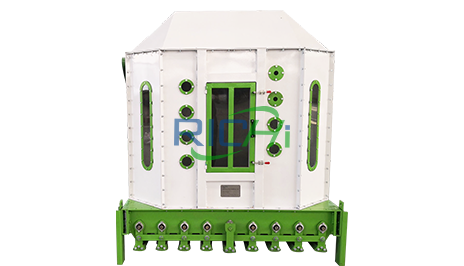
Feed pellet cooler
It can cool pellets to room temperature in just 6-15 minutes. It is a highly efficient cooling device.
- Output::1-40 T/H
- Power:1.5-2.2KW
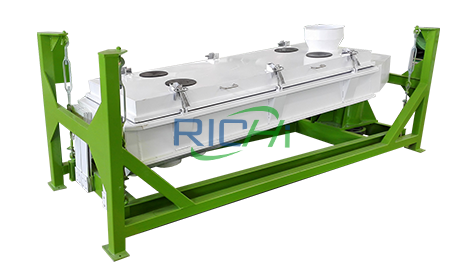
Poultry feed pellet screening machine
If substandard feed pellets or powder are found during screening, they can be returned to the production line for re-granulation.
- Output::3-40T/H
- Power: 1.5—5.5 kW
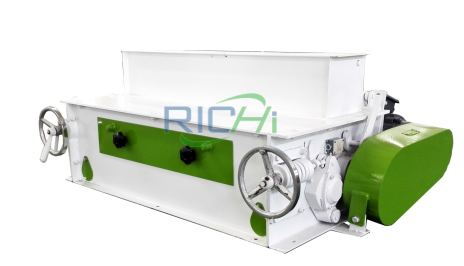
Poultry Feed Crumbler
You can choose between a double-roller or a triple-roller crumbler. It features a simple structure, ease of operation, and is specifically designed for the production of livestock and poultry feed crushing.
- pellet size: 0.3-3mm
- Power: 4-19.6KW
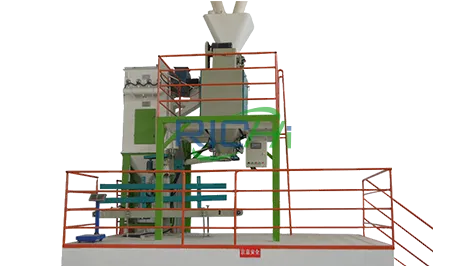
Packaging System
Automatic packing scales can pack materials into bags weighing 10-50 kg.
- Output: 6–8 bags/min
- Power:0.55-2.5KW
Global Case Studies of Poultry Feed Production Lines
RICHI poultry feed production lines are already operational worldwide. These are not just single-function lines; most projects can produce multiple feed types simultaneously. Here are some selected examples for your reference.
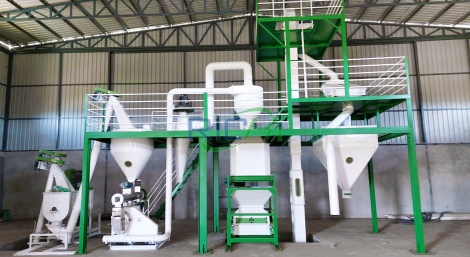
2-ton/hour small-scale chicken feed production line in Angola
A layer and broiler chicken farm wanted to reduce feed procurement costs. The client wanted to produce their own feed. Compared to output, this animal feed production line focused more on the nutritional composition of the feed. We equipped them with a feed mixer and a batching machine to allow them to precisely control the feed formulation.
- Final offer: $25,000
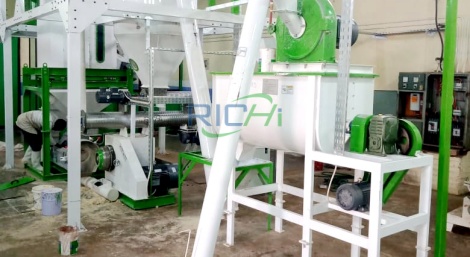
5-ton full-stage poultry feed production line in Malawi
This is a professional feed processing plant. It produces both whole pellets and crushed feed. The raw material formula remains largely unchanged, including corn, soybean meal, wheat bran, sunflower seed cake, and vitamin premix. The final pellet size ranges from 0.8 to 6 mm. Changing the pellet size only requires changing the die holes on the poultry feed pellet machine.
- Production line price: $250,000
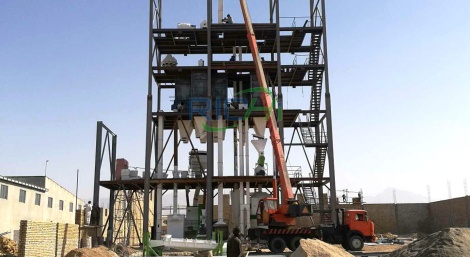
8-10T/H poultry and cattle feed production line in Tanzania
The final product yields 2-5mm poultry feed and 6-8mm beef cattle feed, fully meeting the needs of their own farm. The surplus is sold to neighboring farms for additional income. The customer wanted to add molasses to the cattle feed to improve its palatability, so we added a spraying system to the production line.
- Quotation: $320,000
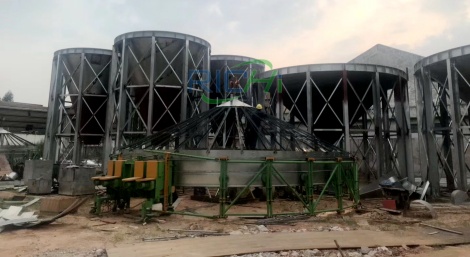
10-15T/H poultry, livestock and aquatic feed production lines in Algeria
This is a comprehensive feed production line. The equipment is vertically arranged using a steel frame, minimizing floor space. Due to the diverse range of feed types involved, this integrated line employs a modular design. Pelleted feed and premixed feed are produced in parallel to avoid cross-contamination. Furthermore, there are six 800-ton silos, crucial for continuous feed supply.
- Final offer: $1.5 million
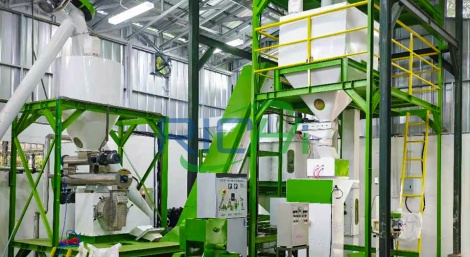
1-2T/H poultry and floating fish feed production plant in Indonesia
It’s also a composite poultry feed pellet line. Considering the customer’s need to simultaneously produce fish feed pellets, we added a dry type fish feed extruder to the line. This equipment has a simple structure and low cost, making it a good choice for projects that want to control costs.
- Final offer: $80,000
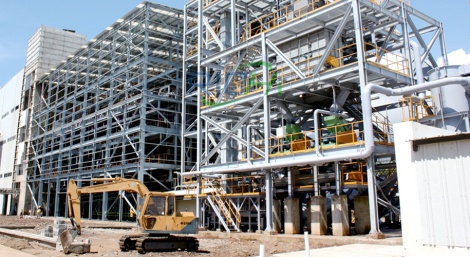
20-ton/hour fully automated poultry feed production line in the United States
The customer sought continuous and large-scale production. From raw material receiving to packaging, the entire process was fully automated. The PLC intelligent control system played a significant role in this, constantly monitoring the operational status and issuing timely warnings in case of overload. Once fully operational, the production line could be completely controlled by 4-5 workers.
- Final offer: $580,000
Customizable poultry feed solutions
RICHI’s poultry feed production line can process various common raw materials, including corn, wheat, bran, fishmeal, and vitamin premixes. It can also process raw materials like grass meal, coconut meal, palm meal, and agricultural byproduct residues. These materials have significant variations in moisture content, fiber content, and size. However, with process optimization, these feeds can be processed into high-quality feed pellets.
In fact, the greater value of this production line lies in its ability to maximize the retention of nutrients from the raw materials, meeting the growth needs of poultry such as chickens, ducks, geese, and quails.
cattle feed
shrimp feed
chicken feed
sheep feed

shimp feed
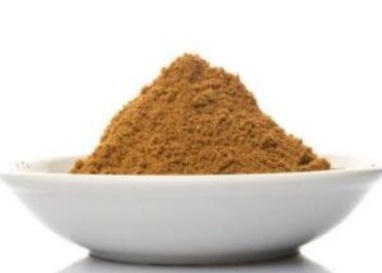
shrimp feed
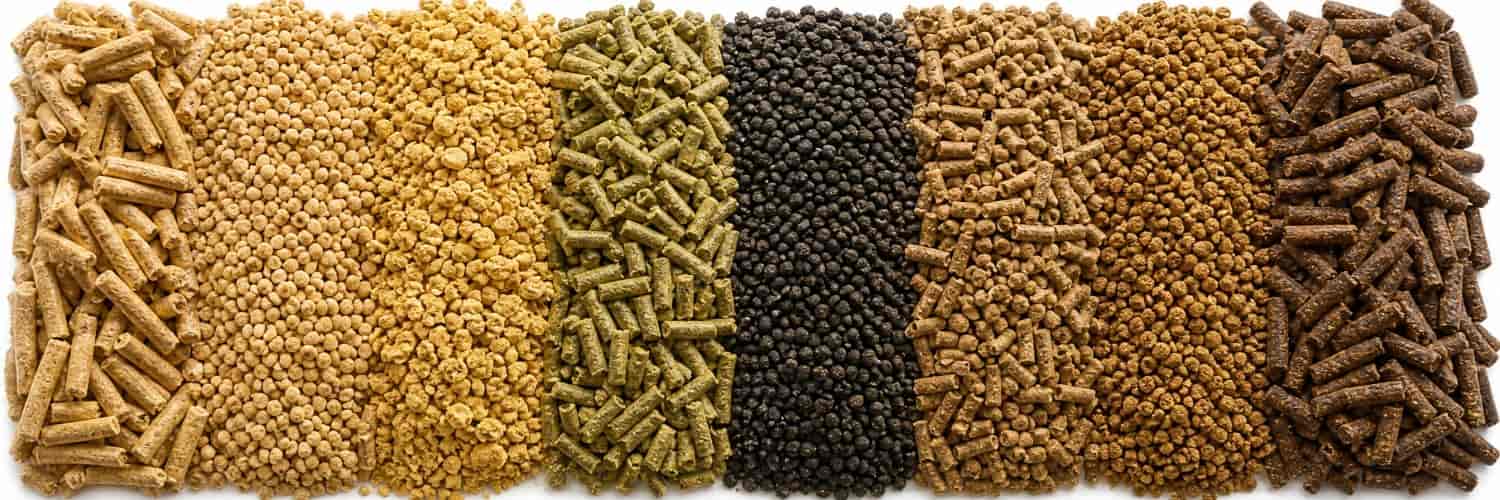
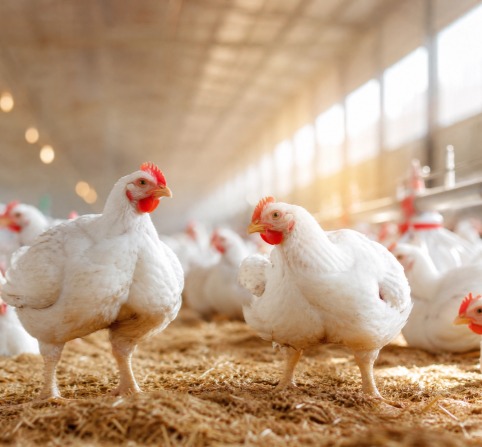
Broiler feed
The ultimate goal of meat feed is to enable poultry to grow quickly. Typical feed formulations are high in energy and protein. Amino acids can be added to enhance protein absorption efficiency. Pellets can range from 2-4 mm depending on the growth stage.
We not only cooperate with feed mills but also with family farms, cooperatives, and breeding farms – all are our clients. We cover everything from compact, economical equipment to large-scale industrial processing machinery.
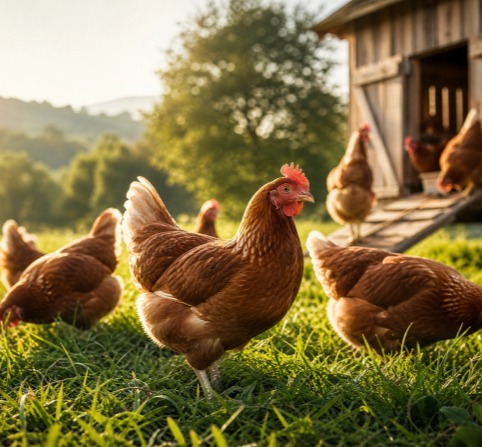
Laying hen feed
To increase egg production in hens, it’s crucial to pay close attention to the calcium and phosphorus content of their feed. Common supplements include limestone powder and vitamins.
During production, a high degree of uniformity in mixing is essential. We will configure a suitable capacity mixer based on your production volume. With the combined action of the supporting equipment, you can produce 2-4mm layer hen feed.
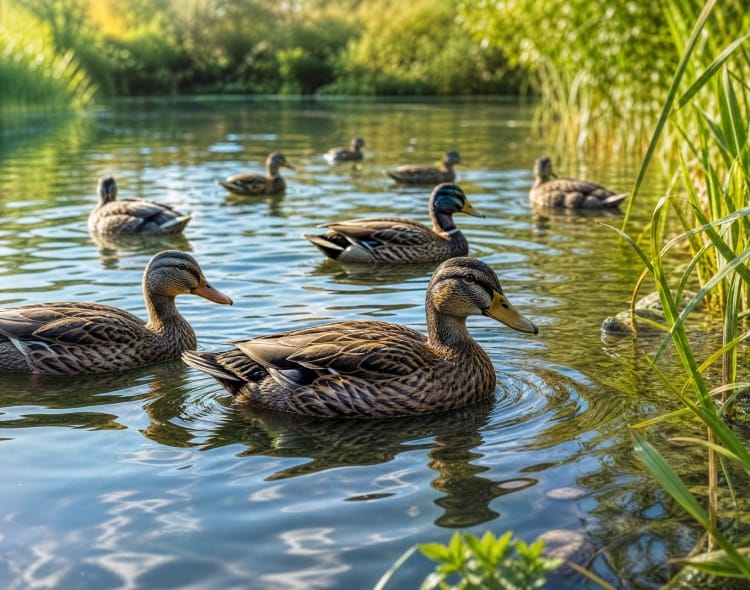
Customized duck feed
When producing duck feed, fiber ingredients can be added appropriately. This reduces costs and improves the ducks’ gut health. The feed pellet diameter should be between 3-5 mm.
Because ducks have sensitive respiratory systems, poultry feed production lines typically include screening and cooling systems to reduce pellet dust content.
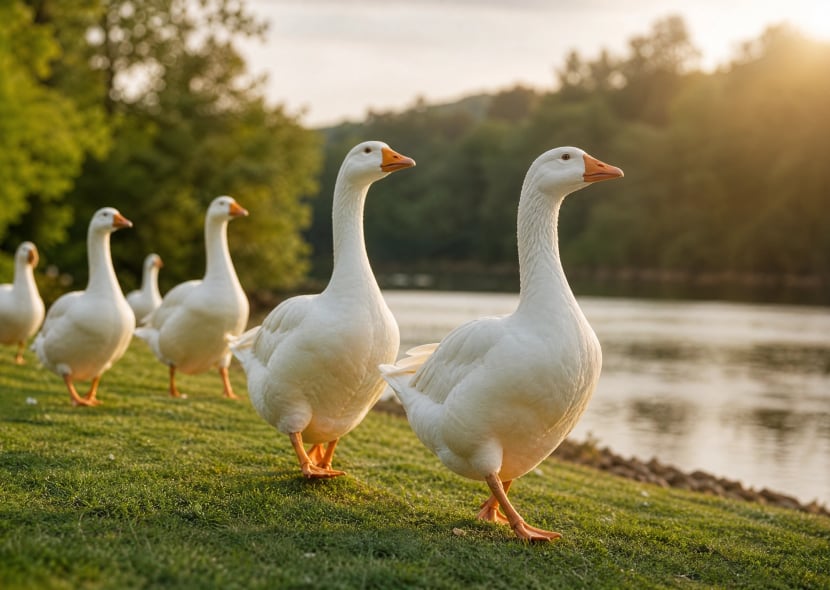
Goose feed
Goose feed contains many fiber ingredients, such as alfalfa meal, bran, and grass meal. The particle size is between 3-6mm.
When processing forage containing grass, it is crucial to carefully control the moisture content and particle size of the raw materials. Especially when the raw material is fresh grass, specialized drying equipment can be used to reduce moisture.
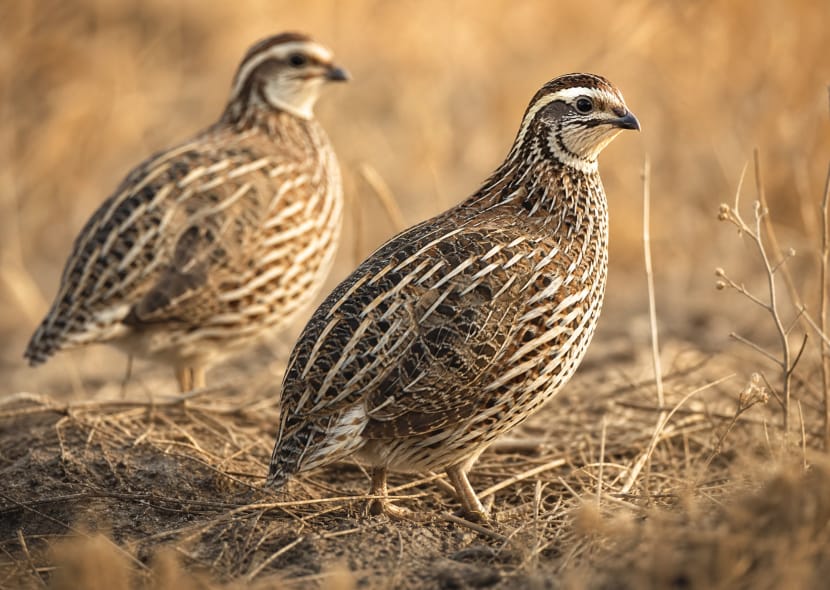
Specialty poultry
The main breeds include quail, turkey, and guinea fowl. Depending on the breed, the pellet size can range from 1-8mm.
For producing smaller, specialty poultry, secondary grinding may be necessary to achieve even smaller pellet sizes. This prevents the pellets from becoming too large and causing choking.
Poultry feed production lines with different capacities and prices
If you’re looking to build a poultry feed production line, output and price are unavoidable topics. We support production capacities from 1-100T/H. Each stage has a different price, depending on the production line configuration.
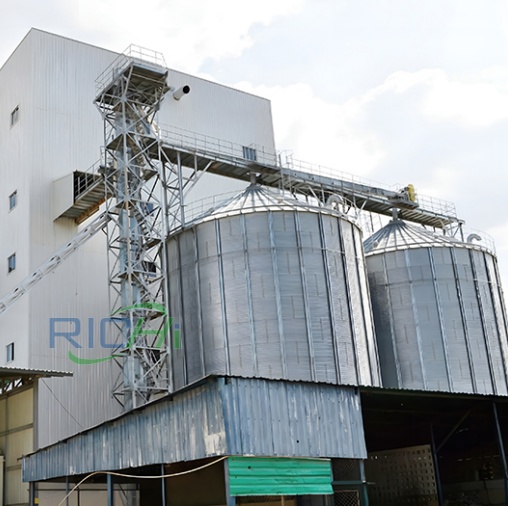
1-2 T/H poultry Feed Production Line
- Production line price: $10,000-$50,000
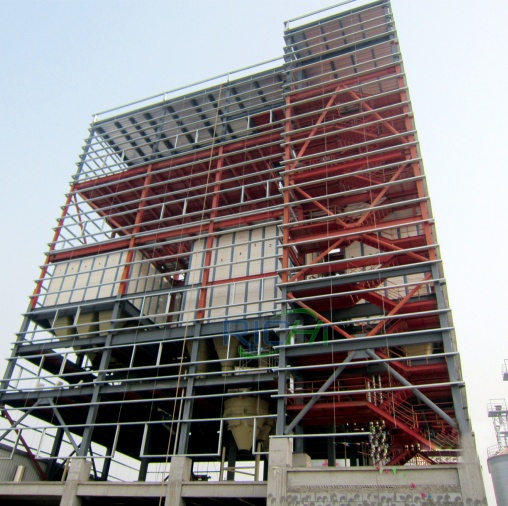
3-4 T/H Animal Feed Production Line
- Production line price: $50,000-$120,000
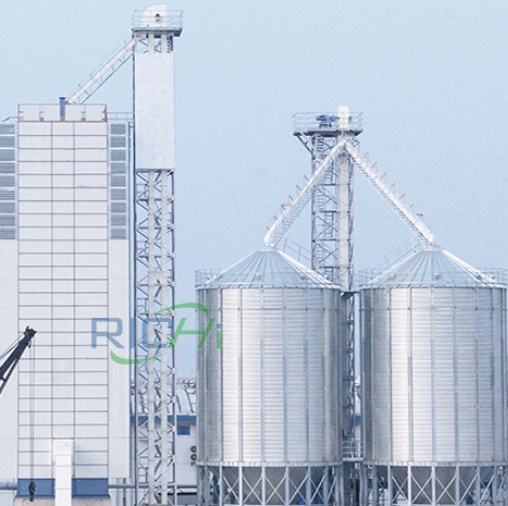
5-7 T/H Feed Production Line
- Price range: $70,000-$250,000
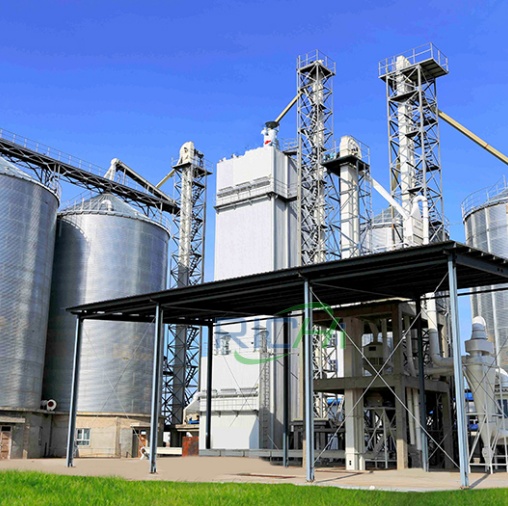
8-10 T/H Animal Feed Production Line
- Price range: $150,000-$300,000
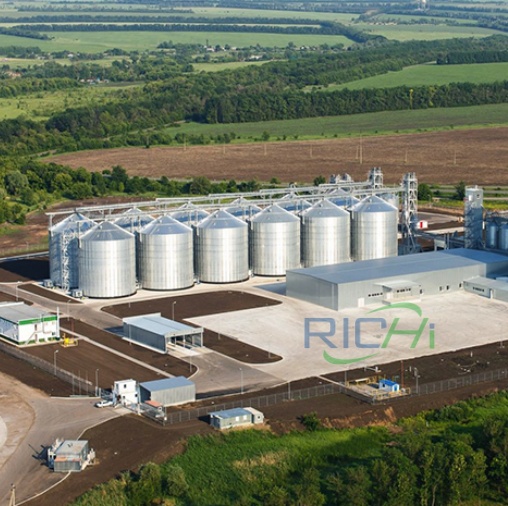
12-20 T/H Commercial feed production line
- Equipment cost: $250,000 – $580,000
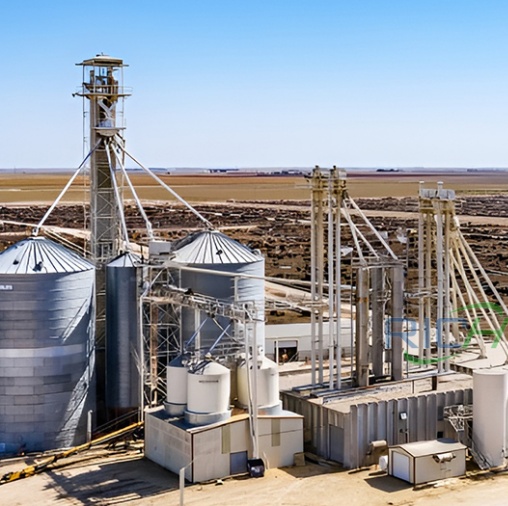
25-40 T/H Animal Feed Production Line
- Price range: $450,000-850,00
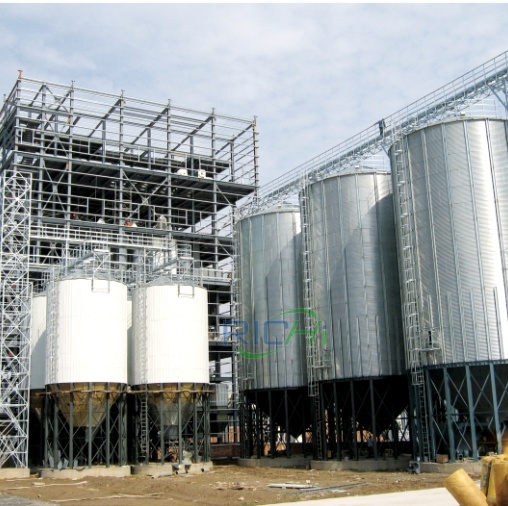
50-60 T/H Large poultry feed mill
- Production line price: $900,000-$1,400,000
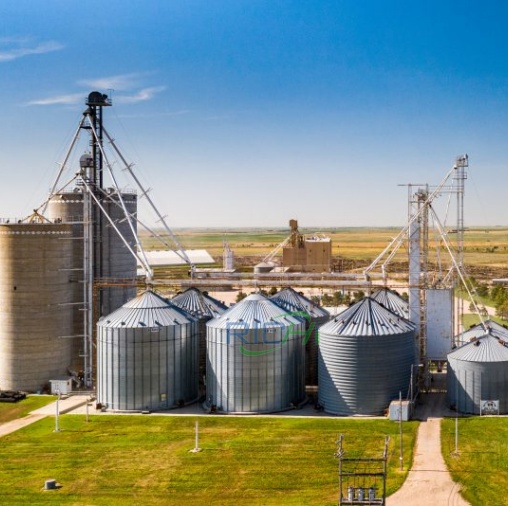
60-80 T/H Feed production plant
- Price range: $1,450,000 – $1,800,000
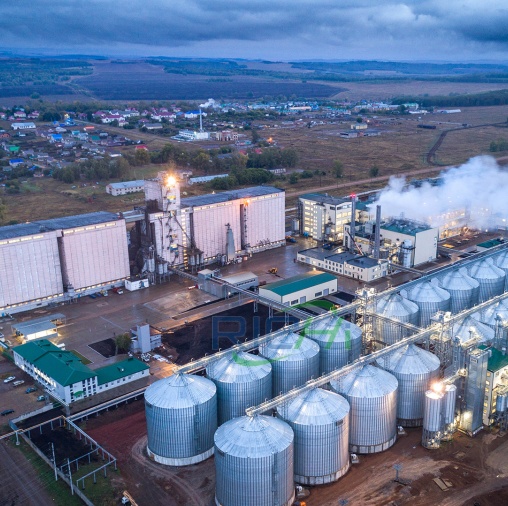
80-100 T/H Industrial-grade poultry feed production line
- Equipment Cost: $2,000,000 – $3,000,000
Why Choose RICH?
RICHI operates its own manufacturing facilities for animal feed production line equipment, meticulously crafting trusted premium brands. Entrusting RICHI with your production line construction means we handle everything from process design, equipment manufacturing, civil engineering guidance, installation and commissioning, personnel training, to the final production of qualified pellets—saving you time, effort, and worry!
RICHI Machinery understands feed and excels in handling diverse raw materials. Our designers develop optimal solutions tailored to specific ingredients, ensuring each process step aligns perfectly with your material characteristics for maximized pelletizing efficiency.
Production Processes Refined to Perfection

RICHI pursues innovation in mechanical design. From our first-generation belt-driven pelletizer to the sixth-generation gearbox direct-drive and intelligent cloud control system, we complete a core upgrade every 18 months. Through innovation, we help you reduce energy consumption, labor, and maintenance costs per ton of feed to industry lows.
Professional and Rigorous Process Design

RICHI prioritizes every design detail and approaches each project launch with utmost diligence. Through meticulous calculations and precise measurements, we ensure maximum data accuracy and feasibility. Dual-redundant systems for weighing, steam, and air supply enable instant failover, guaranteeing efficient animal feed production line operation.
Dedicated Customization Philosophy

RICHI’s ultimate goal is to meet diverse client needs, meticulously crafting the most suitable poultry feed pellet production line processes for each customer. Enjoy bespoke services where everything—from equipment to factory layout—is tailored precisely to your requirements, ensuring that every dollar invested truly maximizes output and profitability.
Frequently Asked Questions
Various issues may arise during the procurement and operation of equipment for a poultry feed production line. Below are several of the most common problems, which we hope will be helpful to you:
1. How to set up a poultry feed production line?
+
- Define production targets, including output and feed type. This will determine the configuration of the entire production line.
- Determine the raw materials. Based on the type of feed you will be producing, find a stable and suitable supply of raw materials. Good raw materials should be free from any contamination or mold.
- Calculate the budget. You can’t just focus on equipment prices; you also need to consider basic investments such as land costs, construction fees, power infrastructure investment, and raw material costs. For clients with limited budgets, we recommend starting with a small-scale chicken feed line. Expanding production can be done after you’ve recouped your investment. The production line is modularly designed, making upgrades very convenient at any time.
- Find a professional manufacturer. Once you have everything ready, you should start thinking about how to set it up. The easiest and least error-prone method is to seek help from experts. This is especially beneficial for novice manufacturers, as it saves a lot of time and effort. Experienced manufacturers not only provide equipment, but also offer a range of services including production process design, equipment configuration, and installation guidance. They can help you quickly start production.
2. I have an old production line. Can I upgrade it without replacing the entire line?
+
Of course! We’ve completed many related projects. Before the official upgrade, we’ll conduct a site survey and assessment of your existing production line, including equipment, power supply, factory layout, and more. Then we’ll design the different stages. At the same time, we’ll retain usable equipment to minimize modification costs.
3. How many people are needed to operate an automated production line?
+
Because most operations can be performed directly on the PLC control system, the overall number of personnel required is relatively small. Generally, 2-6 people are sufficient.
4. How long is the installation cycle for a poultry feed production line?
+
This depends on production capacity and the complexity of the production line. However, under normal circumstances, it can be officially started in about 7 to 200 days.
5. How long is the warranty period for your production line?
+
Our poultry feed production line comes with a one-year warranty. All our production equipment has passed international CE and ISO quality testing. Before shipment, our staff will conduct trial runs on all equipment to ensure you receive a high-quality product. Of course, if any equipment malfunctions during production, we have dedicated personnel to provide repair services. Furthermore, even after the warranty period, you will still enjoy lifetime technical support.