

Feed
Rice Husk Pellet Machine
The rice husk pellet machine features a wear-resistant 42CrMo alloy steel ring die and delivers superior extrusion force. Highly efficient and energy-saving, it transforms waste rice husks into fuel, animal feed, or organic fertilizer pellets—generating significant profit for your business.

What is a rice husk pellet machine?
Are you looking to generate consistent profits from rice husk pellets? A high-performance rice husk pellet machine is the ideal solution. This highly automated piece of equipment—certified to both international CE and ISO standards—ensures a seamless, efficient, and trouble-free pelletizing experience, even in the most demanding operating environments.
Customizable Rice Husk Pellet Machine for sale
The rice husk pelletizing machine offers a base production capacity ranging from 0.2 – 5 T/H and can be seamlessly integrated into various production lines for biomass, organic fertilizer, or animal feed. It is well-suited for compact production spaces, continuous pelletizing operations, and even demanding or extreme environments.
The biomass pellet machine has been specifically optimized to address the challenges of processing rice husks—namely, their high abrasiveness and difficulty in pelletizing. Utilizing wear-resistant materials and powerful compression, it transforms loose, bulky rice husks into dense, dry pellets. Whether intended for your own fuel needs or for sale as a commercial product, this equipment helps you maximize the value of rice husks and generate additional revenue.
Pellet Size: 4–12 mm
Price: $10,000–$100,000

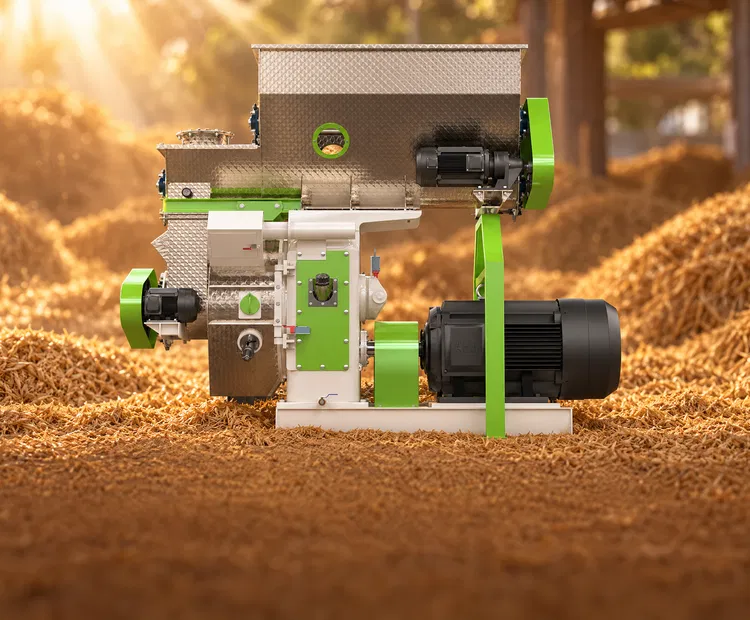
What You Get:
Equipment Support: Wear-resistant and durable, highly efficient in forming, and easy to maintain.
High-quality Pellets: Smooth and compact, convenient for storage and transport, and of high value.
Selected Rice Husk Pelletizing Project Videos
If you are unsure whether this equipment is right for you, consider looking at projects similar to your own for reference. We have curated a selection of case study videos that demonstrate the rice husk pellet machine’s excellent pelletizing performance across various environments. To explore more videos, please visit the RICHI YouTube channel.
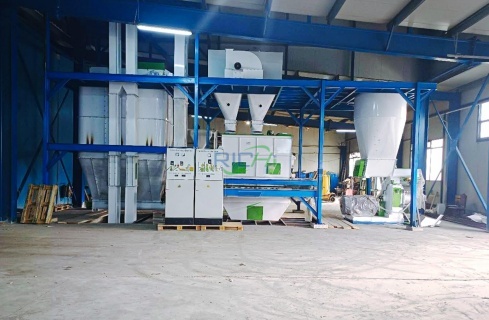
2T/h Rice Husk Biomass Production Line in Romania
The client produces fuel pellets using rice husks and sawdust. The entire production line incorporates precise moisture control and accurate extrusion processes. The final pellet formation rate reaches 98%, and the product has been certified under the ISO 17225-2 A1 standard.
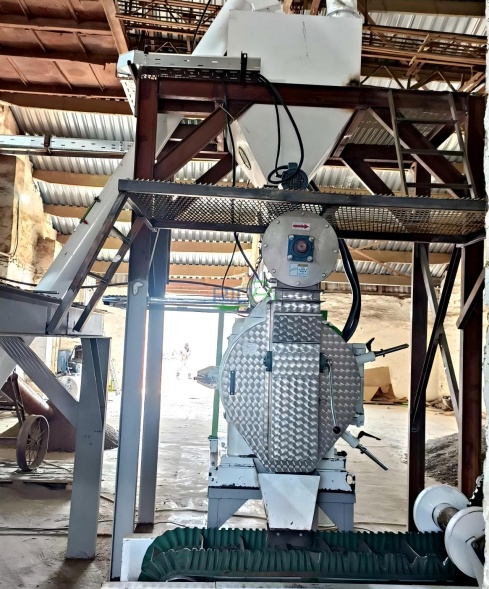
5T/H Rice Husk Feed Pellet Machine in Kazakhstan
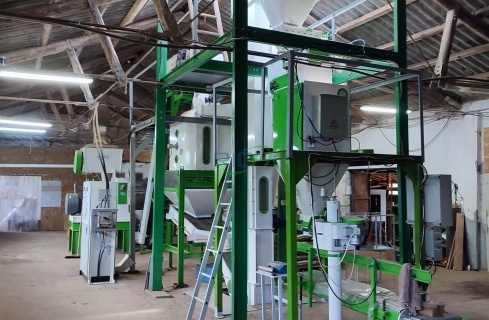
3–4 T/H Rice Husk Fertilizer Line in South Africa
The entire biomass pellet production line features a compact layout, making it suitable for facilities with limited floor space. The rice husk pellet machine comes equipped with 6mm and 8mm ring dies, allowing for flexible adjustment of pellet size.
Challenges in Processing Rice Husk Pellets
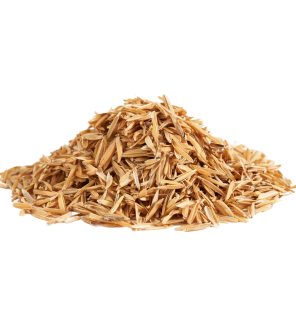
As a by-product of rice milling, rice husks are widely available and easy to source. Compared to pellets made solely from wood shavings, they offer a distinct cost advantage in terms of raw materials. Furthermore, the cellulose within rice husks can bond naturally under high-temperature extrusion, allowing the material to be formed into pellets without the need for any additional binders. This purely biomass-based product is highly favored by customers.
However, the processing of this raw material presents challenges—such as high abrasiveness and difficulties in feeding—that often deter many users.
Are you experiencing these issues?
Advantages and Precision Components
If you are currently facing these challenges, the RICHI rice husk pellet machine is the ideal solution. It addresses these challenges with optimized upgrades, from wear-resistant component materials to flexible feeding processes, helping you reliably transform inexpensive rice husks into substantial profits.

High flexibility
The flexible feed design enables the processing of rice husks either independently or as part of a biomass blend, helping you overcome raw material limitations.
Variable frequency feeder
The RICHI paddy rice husk pellet making machine incorporates a wide inlet structure paired with a Siemens variable-speed motor. By automatically adjusting the feed rate through inductive load voltage, it achieves precise control over lightweight rice husk feeding while effectively preventing clogging and caking.

Smooth feeding
The forced-feeding component eliminates concerns about frequent material jams and excessive waste.
Forced feeder
As rice husks enter the pelletizing chamber via a vertical feed chute, the forced feeder rapidly pushes the material into the chamber, mitigating issues such as clogging, bridging, and arching, thereby ensuring a smoother feeding process.

Wear-resistant and durable
We upgraded wear-prone parts to industrial-grade alloy steel, extending their service life by 15% compared with standard carbon steel.
42CrMo Ring Die and Roller
The RICHI rice husk pellet machine utilizes 42CrMo alloy steel for its rollers and ring dies. Compared to traditional materials, this alloy steel offers superior wear resistance and enhanced pelletizing performance, resulting in finished pellets with higher density and better shape.

Efficient and stable
Siemens Motors and Gear Drives—Reducing Costly Losses from Frequent Downtime
Efficient transmission structure
The machine utilizes a high-precision gear drive, a high-efficiency motor, and imported SKF bearings. While ensuring a transmission efficiency of up to 98%, it is capable of maintaining stable, continuous operation even under heavy-duty production conditions.
Safe and secure
An integrated frame, anti-vibration design, and safety pin mechanism ensure a safe and worry-free granulation experience.
Safety protection components
Production safety is equally important. The husk pellet machine is equipped with an overload protection device. Should an abnormal load occur, the machine will automatically shut down to ensure the safety of both workers and equipment.
How does the machine work?
Transforming waste rice husks into high-value pellets involves four stages: feeding, extrusion, shaping, and cutting. A rice husk pellet machine can automate this entire process, requiring no manual intervention—making it both convenient and labor-saving.
Please note:
Before proceeding to the pelletizing stage, you need to check the moisture content, particle size, and impurity levels of the rice husks. Generally, for optimal output and quality, the ideal feedstock consists of clean rice husk powder with a moisture content of 15%. We also provide the relevant equipment to help you optimize the condition of your raw materials, creating ideal conditions for stable and efficient pellet production.
Stable feeding
The anti-bridging feeder breaks up tangled rice husk powder and pushes it smoothly into the feed trough, without causing excessive material loss.

Strong compression
As the ring die rotates, the rollers force rice husks into the die holes. The adjustable gap ensures strong compression without metal-to-metal contact, reducing wear.

Continuous extrusion
Material is continuously extruded through the holes of the ring die, forming long, strand-like shapes. The die holes are polished, resulting in smooth walls and easy extrusion.

Precision Cutting
You can adjust the cutter position from the outside to set the pellet length. The alloy steel cutters rapidly sever the material, producing uniform, smooth pellets.

Price and specifications
The rice husk pellet machine price typically ranges from $10,000 to $100,000. Cost fluctuations are generally closely linked to production capacity—higher output typically corresponds to a higher price. More precise quotes, however, are determined by a combination of factors, including raw materials, the level of automation, equipment configuration, and the type of motor used.
Regardless, you are guaranteed a high-quality machine that offers an excellent balance of performance and price, with transparent, straightforward pricing.
Below is a table of specific parameters for the rice husk biomass pellet machine, provided for your reference.
| 生物质制粒机 | |||||||
| Model | MZLH320 | MZLH350 | MZLH420 | MZLH520 | MZLH678 | MZLH768 | MZLH858 |
| Main Motor Power(kw) | 22 | 37 | 90 | 132 | 200 | 250 | 280 |
| Anti-arching Feeder Power(kw) | 2.2 | 2.2 | 3 | 3 | 3 | 4 | 4 |
| Forced Feeder Power(kw) | 0.75 | 0.75 | 1.5 | 1.5 | 1.5 | 1.5 | 1.5 |
| Ring Die Inner Diameter(mm) | 320 | 350 | 420 | 520 | 673 | 762 | 858 |
| Finished Particle Diameter(mm) | 4~12 | ||||||
| Output (T/H) | 0.2-0.3 | 0.3-0.5 | 1.0-1.2 | 1.5-2.0 | 2.5-3.0 | 3.0-4.0 | 4~5 |
In addition to its proven horizontal rice husk pellet mill, RICHI offers a new vertical biomass pellet machine with a compact design, small footprint, and 1–10 T/H capacity. Its vertical feeding structure uses gravity to guide loose, low-density rice husks into the pressing area, reducing feeding resistance and ensuring smoother, more stable pelletizing.

Rice Husk Pellets Advantages
Enhanced by precision extrusion technology, the RICHI rice husk pellet machine overcomes the challenges of poor plasticity and high dust generation, achieving a 98% pelletization success rate. This will give you a more competitive efficiency advantage.
5–6
Volume compression
Bulk density is increased from 100–120 kg/m³ to 600–700 kg/m³, reducing the required footprint and making storage and transport more cost-effective.
4 types
Wide range of uses
Rice husk pellets help you tap into diverse markets—secure steady profits in the sectors of biomass fuel, animal bedding, feed, and organic fertilizer.
100%
Resource Utilization
You no longer need to spend extra money on clearing away rice husks; instead, rice husk pellets can generate additional income for you.
See the Finished Rice Husk Pellets
We will now showcase various high-quality pellets produced by the rice husk pellet machine in actual projects. See for yourself whether they meet your expectations.
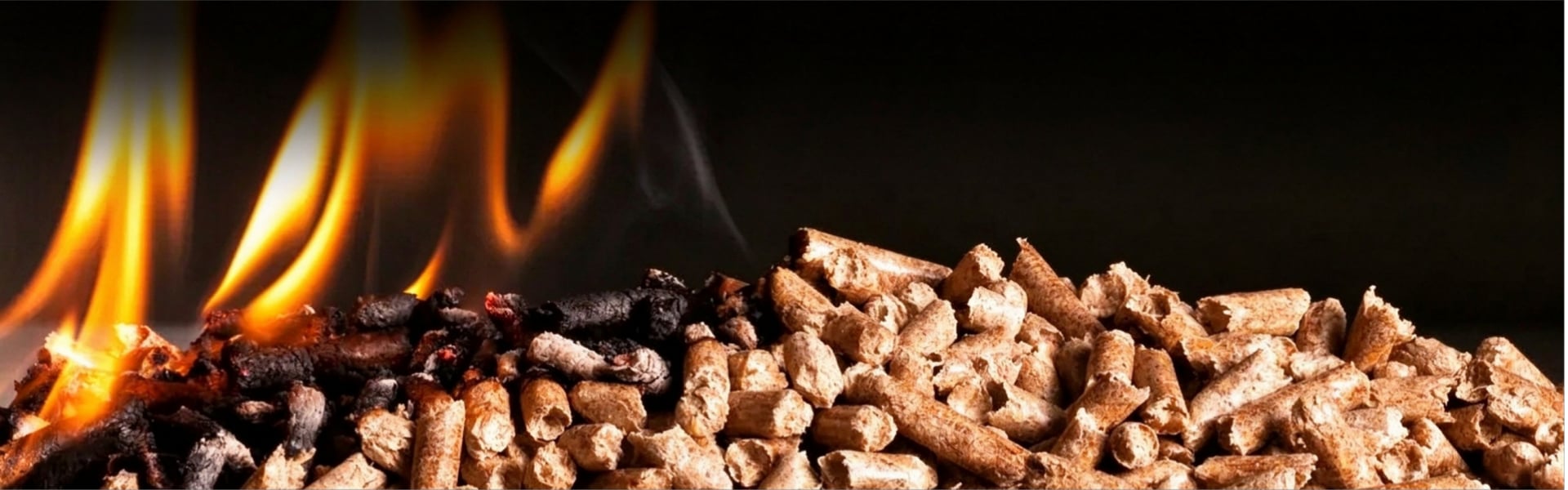
Pure rice husk burning pellets
Raw Material:100% Rice Husk, burns without odor | Moisture: 10% | Compression Ratio:1:5.2–1:5.8, enhancing the pellet-forming effect
- High Forming Rate: ≥96%, High forming rate, intact granules
- Stable Calorific Value: ≥3,400 kcal/kg, Stable combustion, suitable for boilers
- Uniform Size: 8 mm, Smooth and uniform, consistent in size
- Ash Content: ≤20%, mainly silica, low slagging risk
- Sulfur Content: ≤0.08%, Clean and eco-friendly

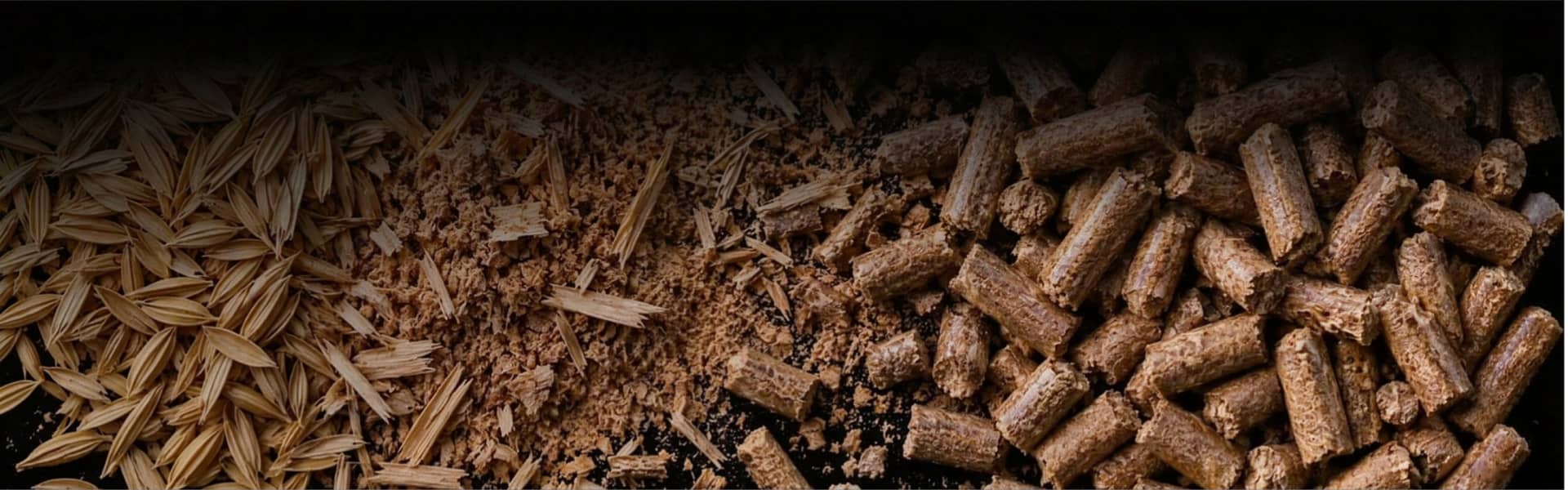
Rice husk and sawdust blended pellets
Raw Material: Add 40% wood chips to reduce the ash content. | Wood Sawdust Moisture: 20% | Rice Husk Moisture: 13% | Wet and dry materials are fed separately.
- Ash Content: 10% — reduces the frequency of boiler ash removal.
- Calorific Value: 3800–4100 kcal/kg — ensures a long burn time and lower fuel consumption.
- Fines Content: ≤3.5% — minimizes losses during transport.
- Cylindrical Pellets: 6–8 mm in diameter.
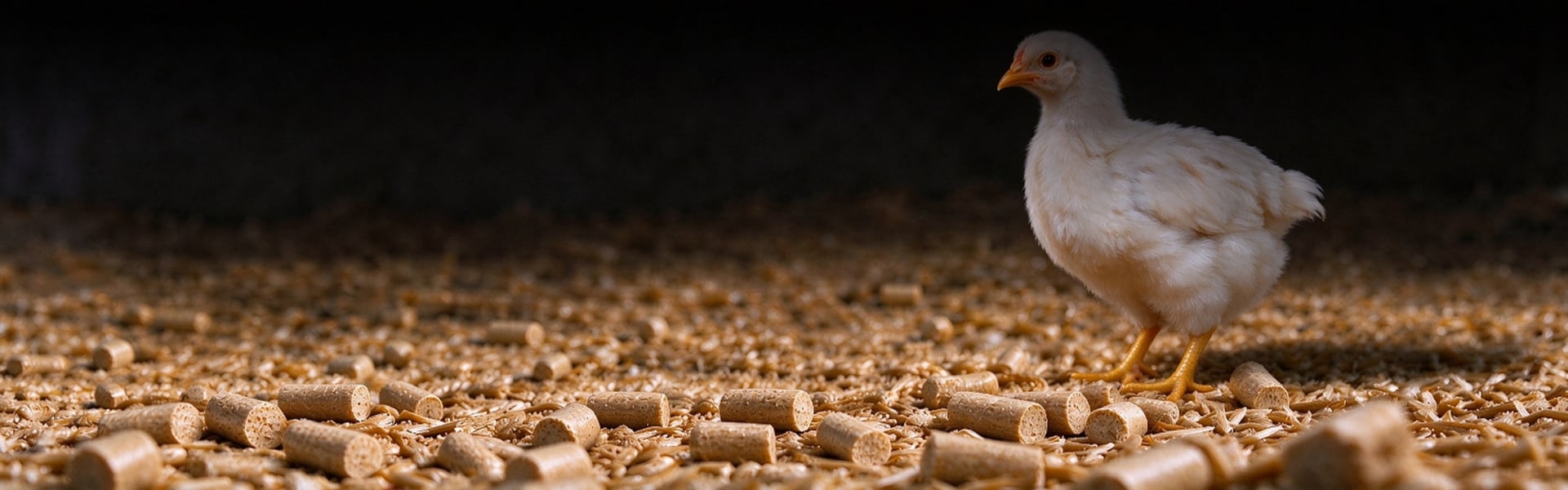
Rice Husk Bedding Pellets
A client in Thailand produces eco-friendly poultry bedding from rice husks for local farms.
- Compression Ratio: 1:4.5–1:4.8, balancing pellet strength and porosity.
- Water Absorption: 2.5–3 times the pellets’ own weight.
- Dust Content: Below 2.5%, helping reduce respiratory risks for poultry.
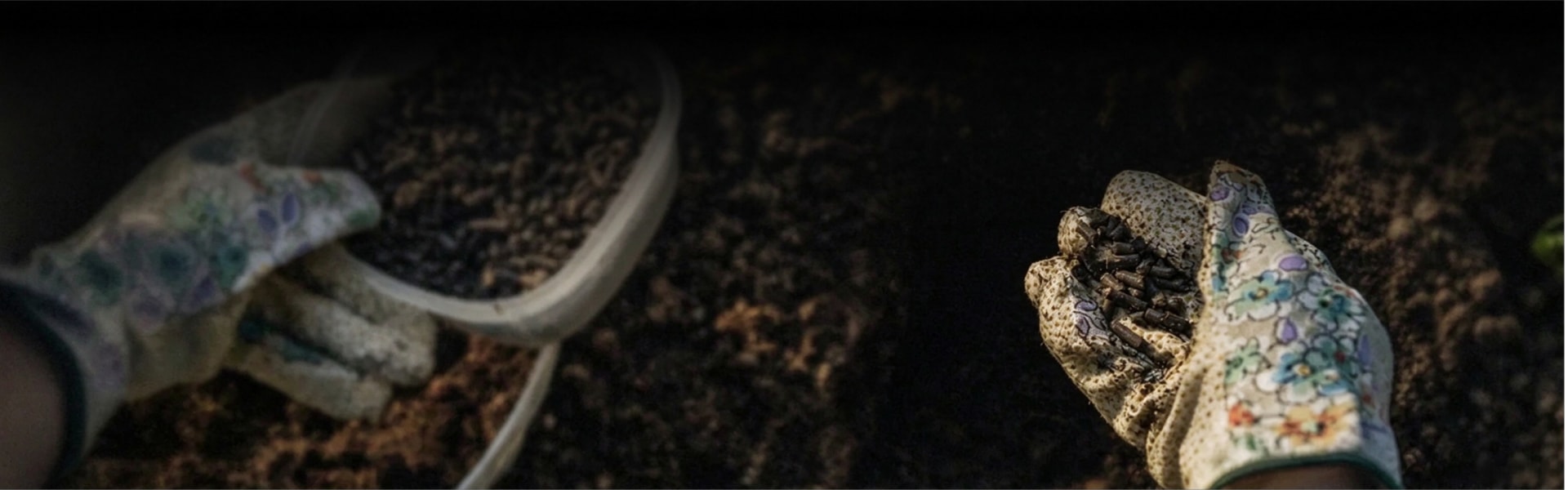
Rice Husk Organic Fertilizer Pellets
- Raw Materials: 50% rice husks and 50% chicken manure.
- Equipment: Corrosion-resistant fertilizer granulator machine for easy cleaning and maintenance.
- Pellet Size: 3–5 mm. Fermentation helps convert rice husk silica into a crop-absorbable form, supporting healthy growth and improving lodging resistance.

Rice husk feed pellets
- Raw Materials: Rice husks can also serve as a supplementary source of crude fiber in the diets of ruminants, such as cattle and sheep. This reduces reliance on certain traditional fiber sources, thereby lowering the procurement costs of feed ingredients.
- Equipment: When producing feed pellets, specialized feed pellet machines can be equipped with a multi-stage conditioning system to enhance the degree of feed cooking, thereby facilitating digestion and absorption by animals.
- Pellet Size: 6–8 mm.
Selected Rice Husk Pelletizing Project
RICHI rice husk pellet machines are sold worldwide. Our clients span various sectors, including biomass, animal feed, cat litter, and organic fertilizer. Whether you are setting up a new pelletizing system or upgrading an existing one, we possess extensive experience and can provide tailored solutions to meet your specific production requirements.

0.2-0.3T/h paddy husk Pellet Machine in Italy
The client intends to use waste rice husks generated at their own factory to produce fuel pellets, both for internal energy supply and for external sale. Low cost and a small physical footprint are the key features of this biomass production line.
- Client Profile: Rice Husk Processing Plant
- Raw Material: Dried rice husks
- Pellet Diameter: 6–8 mm
- Equipment Configuration: Horizontal layout; includes a 22 kW rice husk pellet mill, a 15 kW hammer mill, a packaging machine (for 15 kg bags), and an integrated dust removal system.
- Total Price: 53,916 USD
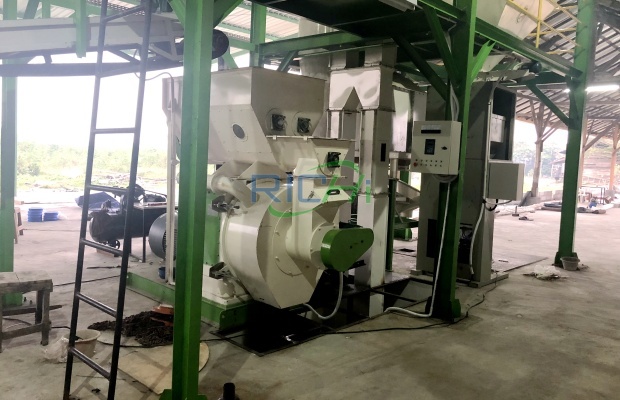
1.5–2 t/h rice husk pellet making machine in Nigeria
The client collects waste rice husks from several nearby rice mills. To address issues such as impurities and inconsistent moisture content in the raw material, we have equipped the production line with impurity-removal and drying systems, which can reliably reduce the moisture content of the raw material to below 15%.
- Client Profile: Agricultural Industrial Park
- Raw Material: Primarily rice husks, palm shells, and straw.
- Pellet Diameter: 8mm biomass pellets.
- Equipment Configuration: The rice husk pellet machine is equipped with a variable-speed feeder to accommodate variations in the condition of different batches of rice husks. The system also integrates equipment for screening, impurity removal, drying, cooling, and packaging.
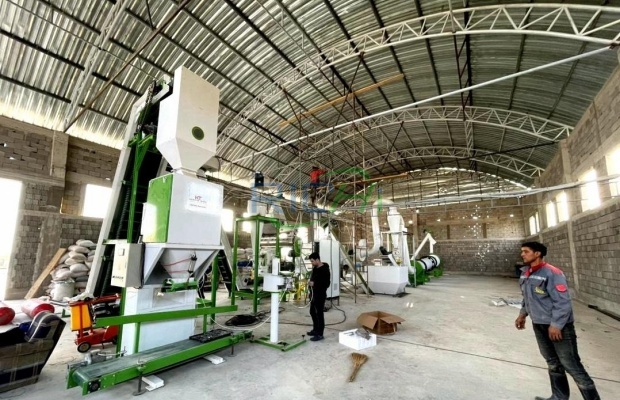
3–4 t/h Rice Husk Feed Pellet Machine in India
A livestock feed production line has been established in India. Rice husks are pulverized and pre-treated, then mixed with other raw materials to produce feed pellets for cattle and sheep. An automated batching scale and mixing system ensure the standardized production of these pellets.
- Client Profile: Animal Feed Plant
- Raw Material: Rice husks, corn, cottonseed meal, wheat bran, soybean meal, molasses, premix
- Pellet Diameter: 4–6 mm cattle and sheep feed pellets
- Equipment Configuration: The rice husk pellet mill is equipped with a conditioning system that uses high-temperature steam to soften the material, eliminate pathogens, and enhance both the palatability and safety of the feed. Molasses can also be uniformly mixed into the material within the conditioner.
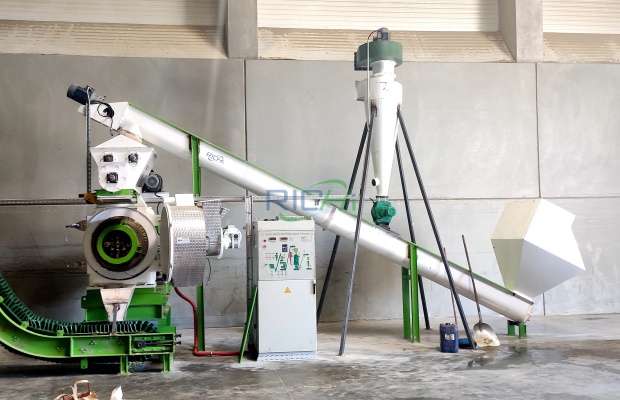
2T/H Rice Husk Cat Litter Pelletizing Machine in Australia
The client is a manufacturer of pet supplies that intends to produce a new type of eco-friendly cat litter using 100% rice husks. To successfully penetrate the market, the client places particular emphasis on the dust content and water absorption capacity of the granular product.
- Project Type: Cat Litter Pelleting Project
- Main Raw Materials: 100% Rice Husk
- Pellets: 2–3 mm cat litter pellets
- Production Plan: The client’s cat litter pellet machine operates with a compression ratio between 1:4.2 and 4.5, ensuring the produced granules achieve an optimal balance between structural integrity and porosity. Additionally, a sealed conveying system and integrated dust-removal equipment are employed to minimize the spread of dust within the production facility.
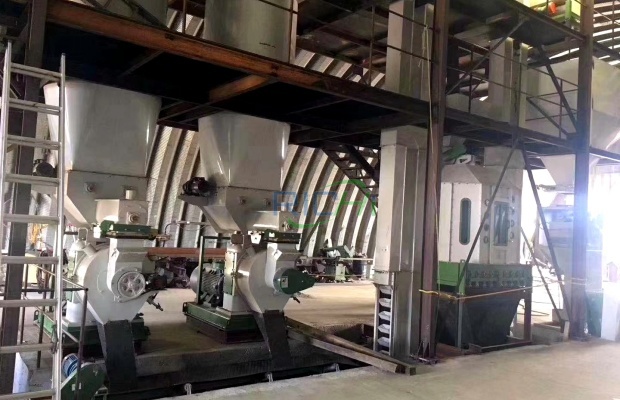
5T/H Rice Husk Pellet Machine in the USA
In 2025, a biomass pellet energy company approached us to upgrade their existing rice husk processing system. The primary focus was on increasing production capacity while ensuring seamless integration between the existing equipment and the new additions.
- Raw Material: 60% rice husks + 40% sawdust — improving combustion performance
- Pellet Diameter: 6mm rice husk pellets for district heating and industrial boilers
- Equipment Configuration: Two MZLH678 rice husk pelletizers operate in parallel to reduce downtime risks. The crushing and drying sections maintain 25%–30% reserve capacity to handle raw material fluctuations. Optimized process integration minimizes blockages and waiting times, ensuring continuous and efficient production.
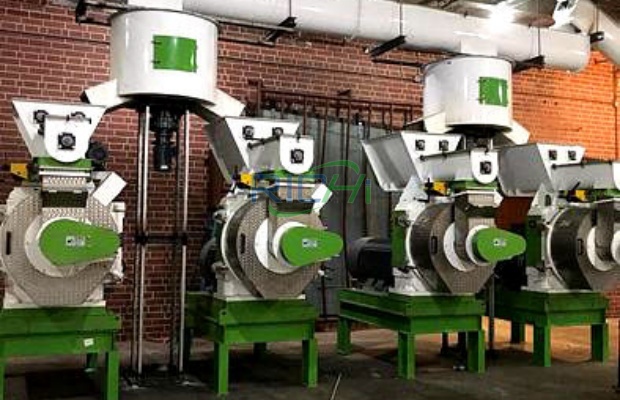
10 t/h Automated Rice Husk Processing Project in Vietnam
This large-scale fuel pellet plant has operated reliably for two years, producing 60,000 tons of rice husk pellets annually. An intelligent PLC system centrally controls the entire process, enabling one-touch production adjustments and reducing labor costs.
- Project Type: Product Type: Rice husk fuel pellets, DINplus-certified — supplied to the global market
- Raw Material: rice husks, straw, etc.
- Pellet Diameter: 8mm
- Main Equipment: 2 rotary dryers, 2 crushers, 4 rice husk pellet makers, a cooler, a screening machine, an automatic bagging scale, and an intelligent PLC system (the entire production line requires only 2–3 operators).
How to Produce Rice Husk Pellets?
The rice husk pellet machine is a key component in the production of rice husk pellets, but it is only one part of the process. The entire pelletizing operation is continuous and can be broken down into several distinct stages. Please note that this is not a rigid, one-size-fits-all workflow; we tailor the specific process design for each project—taking into account factors such as raw materials, production capacity, facility conditions, and intended end-use—to ensure that the final production results exceed your expectations.
Rice Husk Cleaning
Crush rice husks
Drying Process
Pelletizing
Cooling Pellets
Screening Process
Packaging

Rice Husk Cleaning
This stage primarily removes impurities and foreign matter from the raw materials, ensuring higher material purity and protecting the granulator from potential damage.
- Main Equipment: Iron separator, cylindrical pre-cleaning screen

Crush rice husks
Generally, rice husks are lightweight, thin, and small in size. If the particle size is uniform and there are no noticeable clumps, no separate grinding process is required. However, if you are mixing rice husks with other raw materials for pelletizing, the best approach—to ensure optimal production capacity—is to use a grinder to reduce them into a powder with a particle size of 2–3 mm.
- Main Equipment: Hammer mill
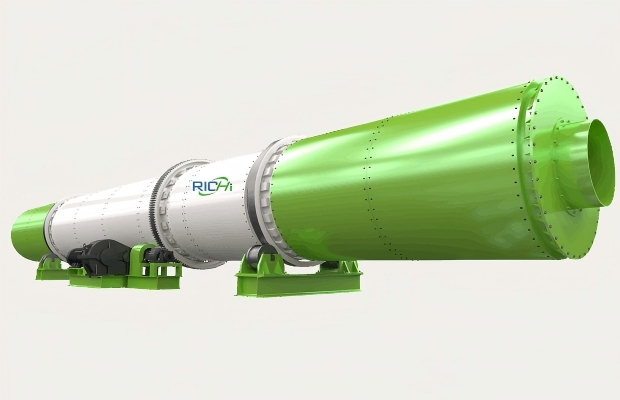
Drying process
The optimal moisture content for pelletizing is 10–15%. If the rice husks have an excessively high moisture content, the moisture must be reduced to ensure the pellets are firm. Conversely, if the raw material is too dry, it is necessary to add an appropriate amount of moisture and a binder to improve the pellet formation rate.
- Main Equipment: rotary dryer machine
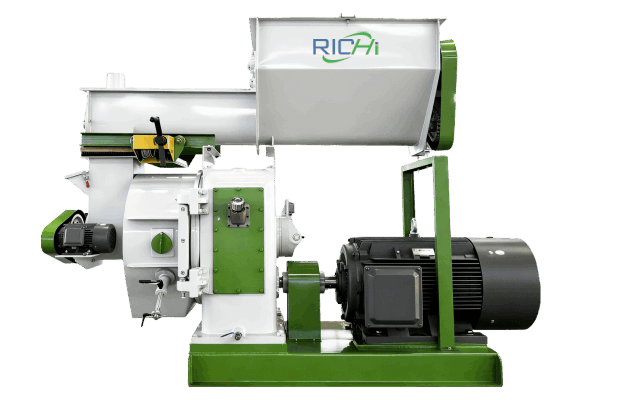
Pelletizing
After receiving the prepared material, the rice husk pellet machine uses dual pressure rollers inside the pelletizing chamber to press the rice husk powder into finished pellets.

Cooling pellets
To further improve granule quality and prevent the growth of mold, the moist, warm granules must be fed into a cooling machine to lower their temperature and remove moisture.
- Main Equipment: Pellet cooling machine

Screening Process
Screening equipment collects undersized, non-conforming particles and returns them to the production line for re-granulation, thereby reducing both the fines content and material loss.
- Main Equipment: Vibrating screens, rotary grading screens

Packaging
The cooled and sifted finished pellets enter the packaging hopper, where an automated packaging system performs weighing, filling, and sealing.
- Main Equipment: Automatic Packaging Scale
Why Choose RICHI?
Richi Manufacture— your trusted partner, from a single pellet machine to a complete pellet plant, delivering professional expertise to clients worldwide.

Customized design
RICHI has a dedicated R&D and design team to provide you with customized services. We will conduct a comprehensive assessment of your requirements regarding raw materials, production capacity, and pellet type to ensure that all equipment configurations and production processes meet your actual needs.
High-quality equipment production
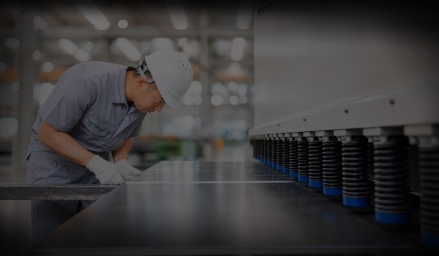
We own two modern intelligent manufacturing bases and operate a strict quality control system. Every piece of equipment meets international first-class standards. The company has passed BV certification, ISO9001 International Quality Management System Certification, European CE Certification, and Swiss SGS Certification, among others.

Excellent after-sales service
After the rice husk pellet machine arrives, our professional engineers will assist with installation and commissioning. They will also provide one-on-one operation training until your team can operate it proficiently.
RICHI Advantages
Selecting the right rice hull pellet machine is no easy task, and you may encounter many questions along the way. Here, we address some common concerns to help guide your decision-making.
How quickly does the die of a rice husk pellet making machine wear out, and how can its service life be extended?
The high silicon content in rice husks does accelerate wear. The service life of a standard die is approximately 300–500 hours. RICHI uses 40CrMnTi alloy steel ring dies, which undergo carburizing heat treatment. This extends their service life by 2–3 times compared to ordinary dies. To further extend the die’s service life, we recommend regularly flipping the die to utilize both sides and maintaining raw material cleanliness to avoid accelerated wear caused by sand and stones.
What raw materials can a rice husk biomass pellet machine process?
Provided that the moisture content and particle size are within an appropriate range, this equipment can process not only rice husks but also peanut shells, sunflower seed shells, corn cobs, straw, wood chips, sugarcane bagasse, and various other biomass materials. Please let us know what raw materials you intend to use, and we will help you develop a suitable solution.
The pelleting process generates significant heat. Will prolonged operation cause damage to the transmission gears and bearings of the machine?
Damage to transmission gears and bearings in rice husk pellet making machines is typically caused by poor heat dissipation in the pelleting chamber of traditional horizontal ring-die machines. The RICHI rice husk pellet machine adopts a vertical feeding structure, which effectively controls the operating temperature inside the gearbox to below 80°C. Furthermore, it uses SKF heavy-duty bearings and synthetic high-temperature-resistant lubricating oil, ensuring a transmission system service life of 8,000–10,000 hours even under 24-hour continuous operation.
Is the rated capacity a theoretical value or an actual value? Can the rice husk pellet making machine achieve this capacity when using rice husks as the raw material?
RICHI’s rated capacity is based on actual measured values. Taking the MZLH420 model as an example, its rice husk processing capacity is 1.0–1.2 tons per hour, based on continuous operation tests with a moisture content of 12–15% and a particle size of 3–5 mm. Actual output may vary by 5–15%, but RICHI offers free sample testing and specifies acceptance criteria in the contract: if the actual capacity falls more than 10% below the rated value, we will take responsibility for rectification.
What is the warranty period for a rice husk pellet machine?
We provide a one-year equipment warranty, effective from the date the customer signs the acceptance document. Should any equipment malfunction occur during this period, our professional team will dispatch engineers to perform repairs, ensuring your production operations are restored as quickly as possible.

