Wet Type Fish Feed Extruder

What is the Wet Type Fish Feed Extruder
While also capable of producing sinking fish feed, wet type fish feed extruders are more suitable for high-end feed production compared to sinking fish feed machines.
During pelleting, they utilize steam from a boiler for extended conditioning. Combined with the powerful shearing and extrusion of the screw, temperatures can reach 120-160 degrees Celsius.
Under this high-temperature, high-pressure environment, high-protein raw materials such as fishmeal, shrimp meal, and soybean meal, as well as starchy raw materials like corn and wheat bran, achieve greater softening and gelatinization, significantly improving pellet stability in water and enhancing animal absorption and digestion.
wet Type fish feed extruder Working Principle
After processing the raw materials in a wet type fish feed extruder, the process involves three steps: conditioning, extrusion, and shearing.
Steam enters the extruder, and the screw pushes the raw materials and steam to mix evenly. During this process, the viscosity of the raw materials gradually increases.
Then it enters the pelleting barrel for further processing. The screw gradually compresses and shears the material at high temperature within the barrel, forming highly plastic strips.
High-pressure material is extruded from a custom die and cut into uniform feed pellets by a high-speed rotating cutter.

Key Components of a Wet Type Fish Feed Extruder
In modern aquaculture farms, the quality of feed often directly determines profitability. If you’re also struggling with low pellet formation rates and production bottlenecks, why not take a look at the RICHI Machinery wet type fish feed extruder? It combines advanced high-temperature, conditioning, and shearing processes, continuously optimizing and upgrading its material usage, energy consumption, and equipment stability. While ensuring high output, it produces nutritionally complete pellets with stable pellet formation.
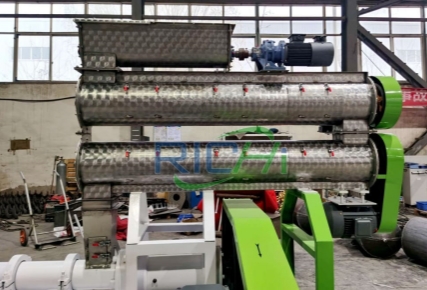
Stainless steel conditioner
In high-temperature, high-humidity, and high-friction working environments, the modulator adopts a double-layer stainless steel design. When the interior comes into direct contact with the raw materials, it can effectively resist the erosion of corrosive substances. At the same time, the external stainless steel insulation function enables more thorough, longer-lasting softening of the materials, effectively improving particle stability and taste.
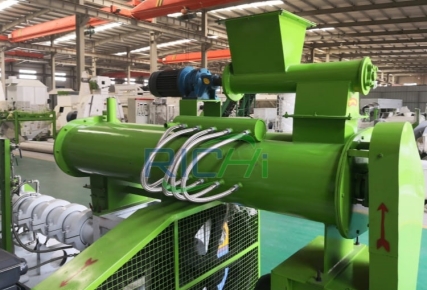
Variable frequency feeder
Variable frequency drive design is well-suited for processing raw materials with varying characteristics. It adjusts the speed of the motor via a variable frequency drive. If oily or moist feed enters the feeder, the feeder will automatically slow down to prevent clogging and arching. Conversely, smaller, drier materials can pass through quickly. Different speeds ensure continuous and stable feeding, reducing material loss.
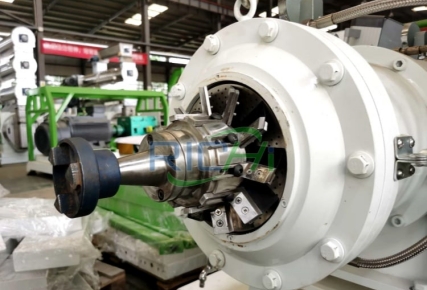
High-pressure molding granulation chamber
The pelleting chamber mainly consists of a barrel, screw, and cutter. All components are made of 42CrMo industrial-grade alloy steel, resistant to corrosion from damp materials. The screw features a segmented design, smoothly transporting and repeatedly pressing the raw material. Under varying pressure differentials, it ultimately forms either expanded or sinking pellets. The soft cutter, close to the die, cuts the material at high speed, producing uniform, burr-free pellets. To produce pellets of different sizes, simply change the die. Available in sizes from 0.5-12mm, it caters to the diverse feeding needs of fish, shrimp, and pets.
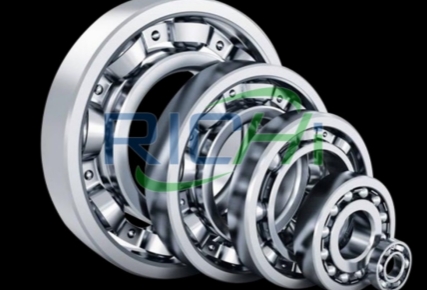
High-precision SKF bearings
SKF bearings are the core support for all rotating components. They can withstand the long-term, high-intensity impact loads in the granulation chamber, ensuring smooth granulation. When the Siemens motor drives the spindle, the SKF bearings firmly lock the shaft, reducing transmission losses and helping the motor to continuously output stable torque.
Where Wet Type Fish Feed Extruders Are Commonly Used?
The RICHI Maxhiney wet type fish feed extruder is a mainstream choice for feed production, thanks to its powerful adaptability. This single machine can produce high-quality sinking, slow-sinking, and floating pellet feeds. Therefore, it can easily produce feeds for both fish and shrimp, as well as terrestrial organisms, helping you achieve various production goals.
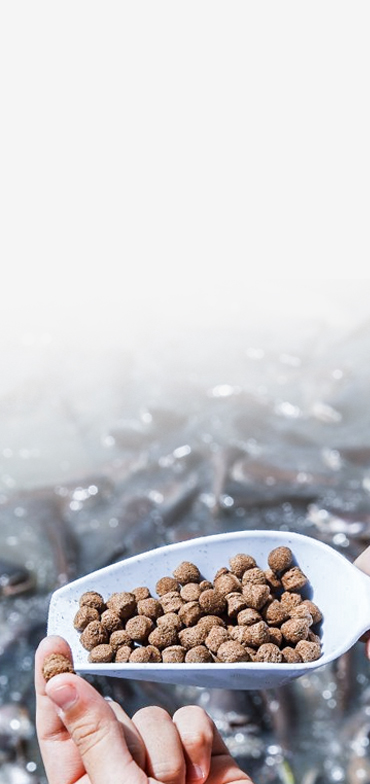
fish feed
This equipment can produce fish food suitable for various water depths. The floating feed has a porous structure, allowing it to float for extended periods, making it easy to observe the feeding behavior of surface-dwelling fish and adjust feeding frequency accordingly. The produced sinking feed has a compact structure, allowing sinking fish to swallow it whole without polluting the water.
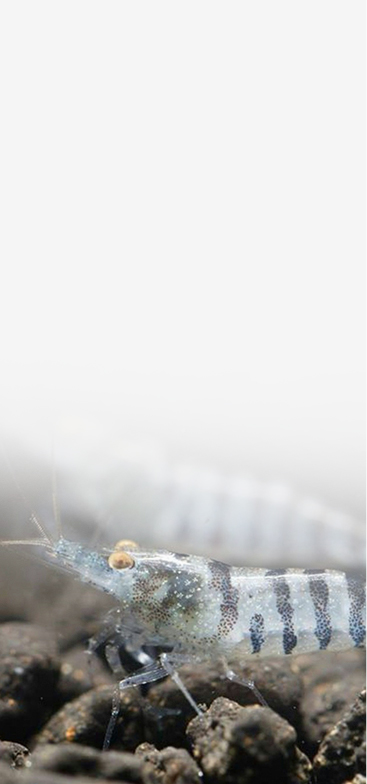
shrimp feed
Shrimp feed is also a sinking feed. The produced feed is generally small and hard. This aligns with the shrimp’s feeding and nibbling habits. More importantly, the pellets sink quickly, increasing the shrimp’s success rate in feeding.

pet food
High-temperature cooking effectively breaks down anti-nutritional factors in the raw materials. After consumption by pets such as cats and dogs, the food can be digested and absorbed more quickly, effectively reducing the burden on their digestive system.

Custom Feed
Wet type fish feed extruders can be used to produce high-end customized livestock and poultry feeds, such as high-yield feeds for laying hens. The wet process with steam conditioning is gentler, and functional additives retain nutrients at a higher rate, promoting faster, healthier growth in chickens, ducks, and other animals.
How to use a wet type fish feed extruder to produce sinking and floating feed?
Many feed manufacturers struggle with the high investment required to produce floating or sinking fish feed using different equipment. Now, this wet type fish feed extruder allows for the production of two different feeds simply by adjusting the raw material formula and process parameters, significantly reducing initial production costs. The production methods for the different feeds are provided below for your reference.
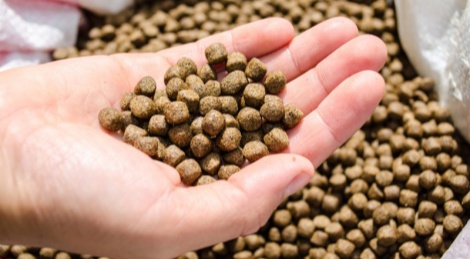
Floating fish Feed
- Raw materials: The raw materials have a high starch content, so the formula should include a large amount of corn, wheat, etc. When starch raw materials are exposed to high temperatures, they easily gelatinize and foam, which can reduce the weight of the granules.
- Processing temperature: Floating feed pellets have a porous structure. High temperatures cause water vapor to evaporate and expand, leaving fine pores inside the particles, making them lighter.
- Pressure: To make feed pellets float, the compression pressure shouldn’t be too high. This allows space for water vapor to escape. The moment the pellets are ejected from the mold, the pressure disappears, and the water vapor expands rapidly, opening up the interior of the pellets and causing them to float quickly. Of course, the moisture content during pelleting should also be kept between 24% and 25%.
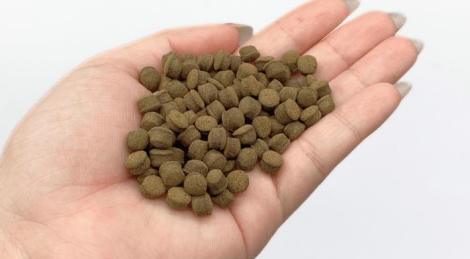
Sinking Fish Feed
- Raw materials: The formulations primarily use fibrous protein raw materials such as fishmeal, soybean meal, and wheat bran. These raw materials are relatively heavy, which provides a good foundation for the extrusion of sinking-grade materials.
- Processing temperature: sinking feed should be extruded and granulated at medium and low temperatures to prevent moisture vaporization and ensure a thick and compact structure.
- Pressure: Sinking fish food is made by compacting the raw materials. The increased weight causes the pellets to sink. Therefore, a high compression ratio is needed to eliminate internal voids. It also requires low moisture content to prevent the material from becoming soft and difficult to shape.
The Parameters of the wet type fish feed extruder
To meet the production demands of feed processing plants of varying sizes, RICHI Machinery has designed two wet type fish feed extruder models. Both models are compact, reasonably priced, and ideal for small to medium-sized aquaculture farms or feed processing plants. For customers aiming for outputs exceeding 1 ton, a twin-screw wet fish feed pellet mill is a better choice. The combined action of the twin screws results in a higher degree of maturation compared to a single-screw mill, making it ideal for producing high-end fish feed.
Specific parameters for both extruders are listed below. You can choose the equipment that best suits your needs.

| Wet Type Fish single screw Feed Pellet Extruder | ||
| Model | DSP-90B | DSP-135B |
| Main Motor Power (kW) | 37 | 75 |
| Feeding Motor Power (kW) | 7.5 | 7.5 |
| Conditioning Power (kW) | 1.1 | 2.2 |
| Cutting Motor Power (kW) | 1.1 | 1.5 |
| Screw Diameter (mm) | 90 | 135 |
| Overall Dimensions (mm) | 2600*1600*1900 | 3750*1980*1950 |
| Capacity (T/H) | 0.5-0.6 | 0.8-1.0 |
| wet type twin-screw fish feed extruder | |||||
| Model | SPHS75x2 | SPHS120*2 | SPHS150*2 | SPHS185*2 | |
| Main Motor Power (kW) | 55 | 90 | 110 | 200 | 355 |
| Screw Diameter (mm) | 75 | 120 | 120 | 150 | 185 |
| Feeder Power (kW) | 1.5 | 1.5 | 1.5 | 1.5 | 2.2 |
| Conditioner Power (kW) | 7.5 | 11 | 11 | 11 | 11 |
| Conditioner Specification | DC400-244 | DC500-244 | DC500-244 | DC600-300 | DC600-300 |
| Differential Conditioner Power (kW) | 11 | 11 | 11 | 15 | 15 |
| Differential Conditioner Specification | DC400*300-244 | DC500*400-300 | DC500*400-300 | DC600*500-300 | DC600*500-300 |
| Capacity (T/H) | 0.5-1.0 | 1.5-2.0 | 3.0-4.0 | 5.0-6.0 | 10-12 |
Global Case Studies of Wet type Fish Feed Extruders
We currently provide feed equipment services to customers in over 140 countries worldwide. RICHI Mahchenry offers more than just wet Type fish feed extruders. Our team designs customized production line solutions and provides expert guidance based on your production needs, site area, and raw material formulation, helping you operate efficiently and smoothly.
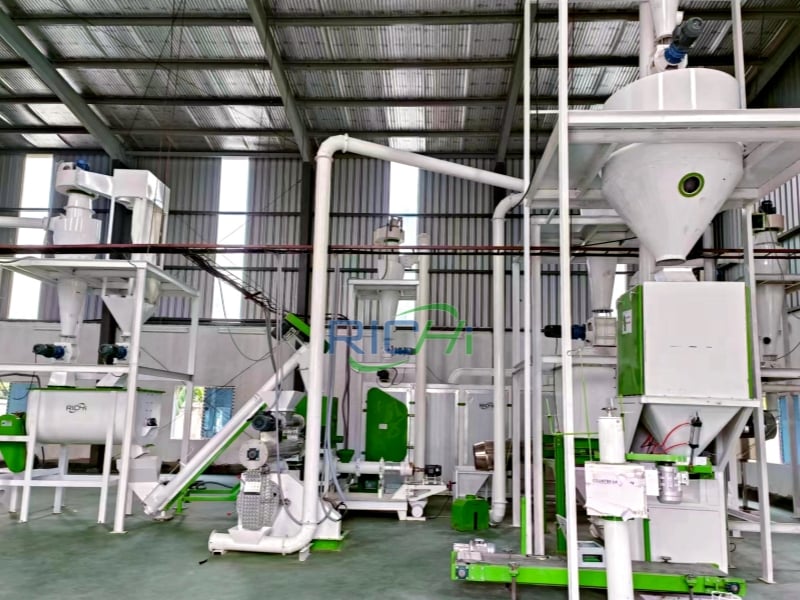
Japan 0.5 Tons/Hour Wet type Fish Feed Extruder
- Project Background: Japan’s high-end aquaculture industry is mature and stable. The client is a small local fish feed processing plant. He wants to produce high-end ornamental fish feed for sale to surrounding aquaculture farms.
- Feed type: Floating fish food for ornamental fish such as koi and arowana
- Customer requirements: The production line equipment should retain the maximum amount of nutrients in the raw materials. The feed pellets should be able to float for extended periods without clouding the water.
- Raw material: Defatted white fish meal, Antarctic krill meal, squid meal, wheat starch, natural spirulina, high-purity fish oil, and active probiotics.
- Production equipment: DSP-90B wet type fish feed mill, ultrafine pulverizer, mixer, circulating dryer, sprayer, cooler, packing scale
- Production process: Boiler steam protects heat-sensitive nutrients such as fish oil and astaxanthin. The customer then adds high-quality ingredients using a spray coating machine to further improve the feed’s palatability.
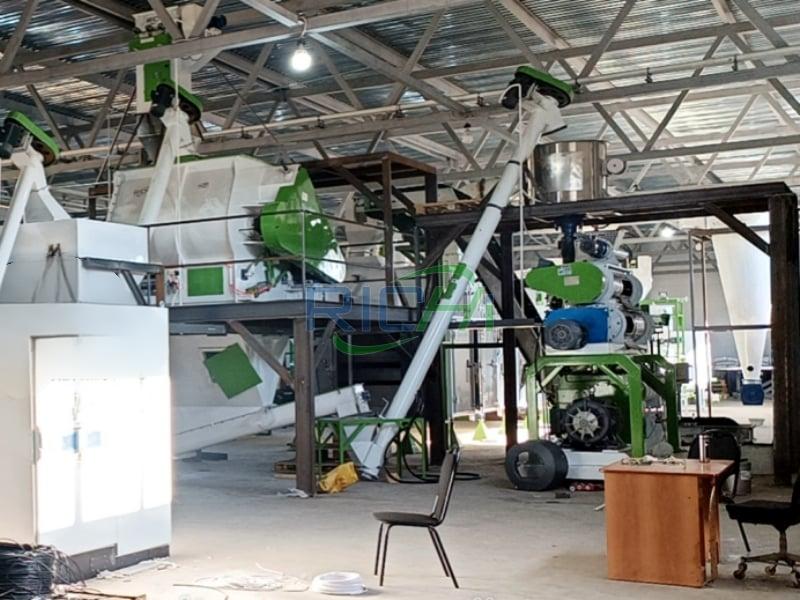
1 Ton/Hour Wet type Fish Feed Extruder in Denmark
- Date: September 2, 2023
- Farmed fish types: Prawns
- Ingredients: fish meal, protein powder, rye flour, fish oil, etc.
- Client Background: Medium-sized shrimp farm. Feed for personal use or sold to local farms
- Raw material: Fish meal, soybean meal, rice bran, shrimp shell powder, squid paste
- Equipment Selection: DSP-135B wet type fish feed extruder, crusher, dryer, mixer, sprayer
- Reasons for equipment selection: At the time, the customer was hesitating between a sinking fish feed pellet machine and a wet-process fish feed extruder. However, their raw material formula mainly consisted of high-protein ingredients. Wet processing would allow the material to soften and bind more thoroughly, resulting in denser pellets and better water resistance. More importantly, the customer planned to introduce surface-dwelling fish such as tilapia and silver carp in the future. Purchasing a wet-process fish feed pellet mill would allow them to expand their market while avoiding secondary equipment investment.
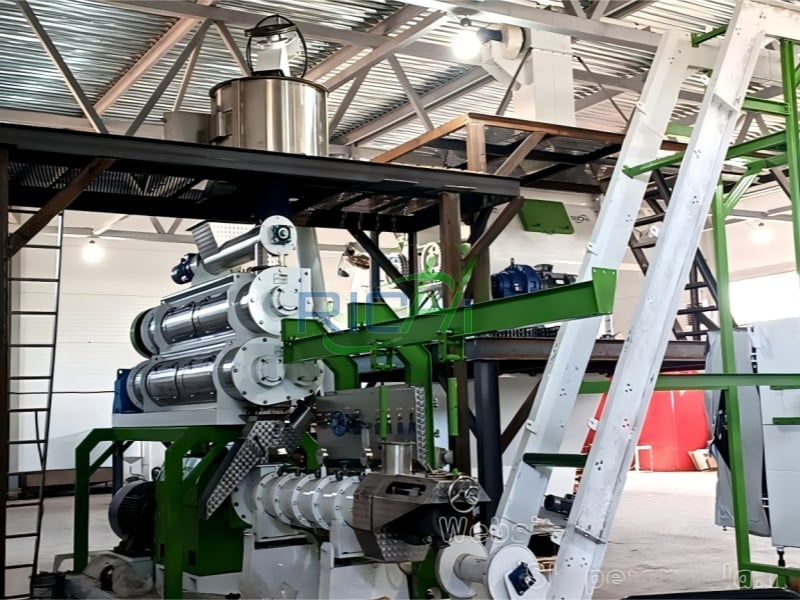
1.5 tons/hour Intelligent Wet type Fish Feed Extruder in the US
- Date: March23, 2022
- Client Needs: As a medium-sized fish feed processing plant in the US, the client wants to increase production capacity. However, they are struggling with the resulting increase in labor costs. Therefore, they are looking for a smart production line to reduce labor costs while steadily increasing feed output.
- Production line equipment: SPHS120*2 floating fish feed extruder machine, pulverizer, Crusher, dryer, cooler, intelligent packaging scale, PLC system
- Installation period: 70 days from initial design to delivery.
- Final operator: 3-4 people
- User feedback: Previously, each piece of equipment required an operator, and the entire production line needed about 8-12 people, which resulted in extremely high costs in the long run. Now, only one operator in the control room is needed to monitor the PLC system, plus 2-3 inspectors, to complete continuous feed production, and the output has naturally increased.
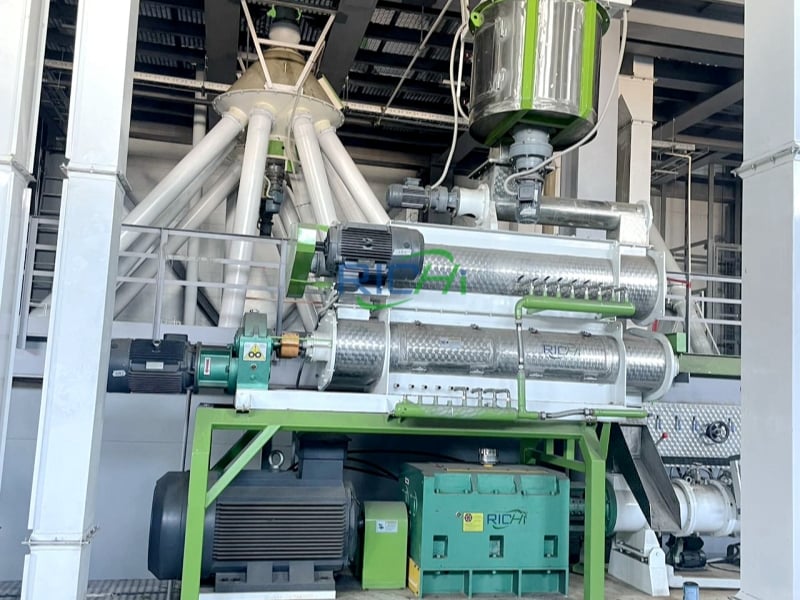
2-ton/hour Wet type Fish Feed Extruder in German
- Date: March 11, 2021
- Customer Needs: The previous production line was outdated, producing floating fish feed with poor water resistance, often disintegrating within minutes. This severely impacted fish feeding, caused significant water pollution, and resulted in poor feed sales. The customer wanted a production line capable of producing water-resistant pellets for floating fish feed to help expand sales.
- Adjusted ingredients: fish meal, soybean meal, corn starch, vegetable oil.
- Particle diameter: 2mm, 4mm
- Production line equipment: wet type fish feed extruder, sprayer, dryer, cooler, and automatic packaging system, automatic screening and packaging system
- Process Features: RICHI first improved the raw materials and added a spray coating machine to the production line. The addition of grease forms a natural protective film on the feed pellets. The feed pellets can float in water for up to 12 hours without disintegrating.

How to Apply to a wet type fish Feed Production Line
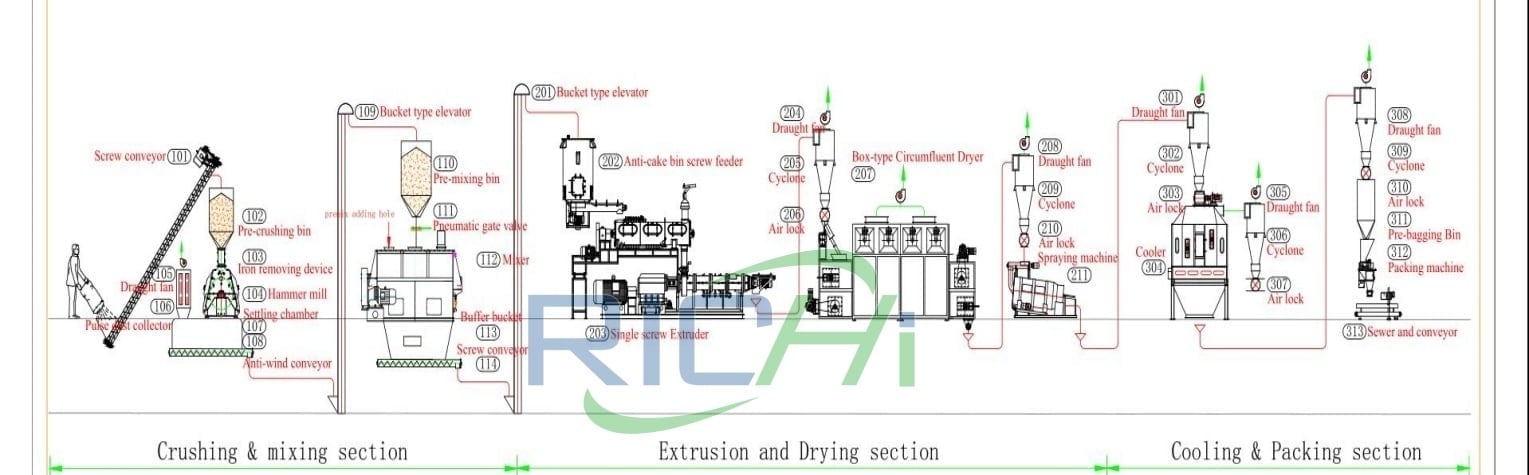
A wet type fish feed production line encompasses several core stages, from raw material processing, pelleting, drying, and packaging. These stages work together to achieve high-quality, efficient aquatic feed production. However, production line configurations are not static. Based on your specific needs, RICHI will design a scientifically sound and reasonable solution to help you save costs and enhance your market competitiveness.
1
Raw Material Cleaning
The first step in the production line is to clean the raw materials. Upon arrival, cleaning equipment such as permanent magnet drums and cleaning screens thoroughly removes iron blocks and impurities from the raw materials to ensure the safety of the entire production process.
2
Grinding Section
Crushed materials can enter the extruder more easily and pass through the die orifice smoothly, resulting in higher feed yield. Depending on the feed particle diameter, a pulverizer or an ultrafine pulverizer can be used.
3
Mixed Section
The pulverized particles undergo multiple mixing processes. The mixer thoroughly mixes the base powder, pre-powder, and liquid components such as fish oil in batches. This effectively ensures that the final particles have a uniform and consistent nutritional content.
4
Conditioning and Pelletizing section
The processed raw materials are conveyed into the wet type fish feed extruder via a screw conveyor. First, the steam supplied by the boiler denatures the starch and protein in the raw materials, increasing their viscosity. Under the high-temperature extrusion and shearing action of the screw, the material expands or sinks into fish feed.
5
Drying and cooling
The drum dryer absorbs moisture from the granules, making them easier to store or transport. To prevent mold growth, the freshly made granules also need to go into the drying rack to cool and set.
6
Spraying and Packaging
Before bagging, you can choose whether to spray oil to enhance the palatability of the feed, depending on your needs. Afterward, the feed pellets can be packaged for feeding or sale.

Frequently Asked Questions
Here are some frequently asked questions. You can also contact us at any time for answers.
What materials can this Wet Type Fish Feed Extruder process?
Wet type feed extruder pellet machines can be used to process almost all fish feed ingredients. However, it is important to control the oil content in the ingredient formula, generally keeping it below 8%.
- Cereal ingredients: corn, wheat, barley, etc.
- Protein ingredients: soybean meal, fish meal, shrimp meal, bone meal, etc.
- Fiber ingredients: wheat bran, grass meal, alfalfa meal, etc.
- Additives: fish oil, vitamins, mineral additives, etc.
What is the difference between dry and Wet Type fish Feed Extruder machines?
The main difference lies in the heating method. Dry screw extruders rely primarily on their own friction to heat and extrude materials into pellets. Their overall structure is simpler, and they are less expensive, making them more suitable for livestock farms or small feed processing plants. Wet extruders, on the other hand, are equipped with a boiler to provide steam, improving the quality and yield of feed pellets. They are more suitable for high-end feed processing plants that prioritize product quality.
You can tell us your budget and production scale directly, and we will design the final solution for you.
What is the price of your Wet Type Fish Feed Extruder?
Equipment investment ranges from $7,000 to $160,000. Specific prices depend on capacity, configuration, and model.
What are the equipment warranty and maintenance policies?
We offer a standard 12-month warranty. If you discover any product defects, you can directly contact our sales staff for assistance. Even after the warranty period, we still provide lifetime repair service.
Why Choose RICHI?
By choosing RICHI Machinery, you work with a manufacturer with over 30 years of experience in animal feed equipment production and gain a reliable long-term partner. We provide affordable and transparent pricing, along with efficient and comprehensive after-sales service, so you can carry out your feed production with confidence.

Excellent after-sales service

After the Wet Type Fish Feed Extruder arrives, we will carry out professional commissioning and acceptance. Our technicians will repeatedly commission the equipment in each production section to ensure the equipment operates up to standard. Additionally, if you are unfamiliar with our equipment, RICHI technicians will provide one-on-one on-site training until your team can operate the entire production line independently.
Customized design

RICHI has a dedicated R&D and design team to provide you with customized services. We offer over 200 products to meet all types of chicken feed production needs. In addition, we provide full-process design services, including site planning and equipment layout. Whether you are new to the feed industry or already operating a mature production line, just share your requirements with us, and we will deliver a tailored solution based on your actual situation.
High-quality equipment production

The machine production stage is the core link of the entire project implementation. We own two modern intelligent manufacturing bases and operate a strict quality control system. Every piece of equipment meets international first-class standards. The company has passed BV certification, ISO9001 International Quality Management System Certification, European CE Certification, and Swiss SGS Certification, among others.