
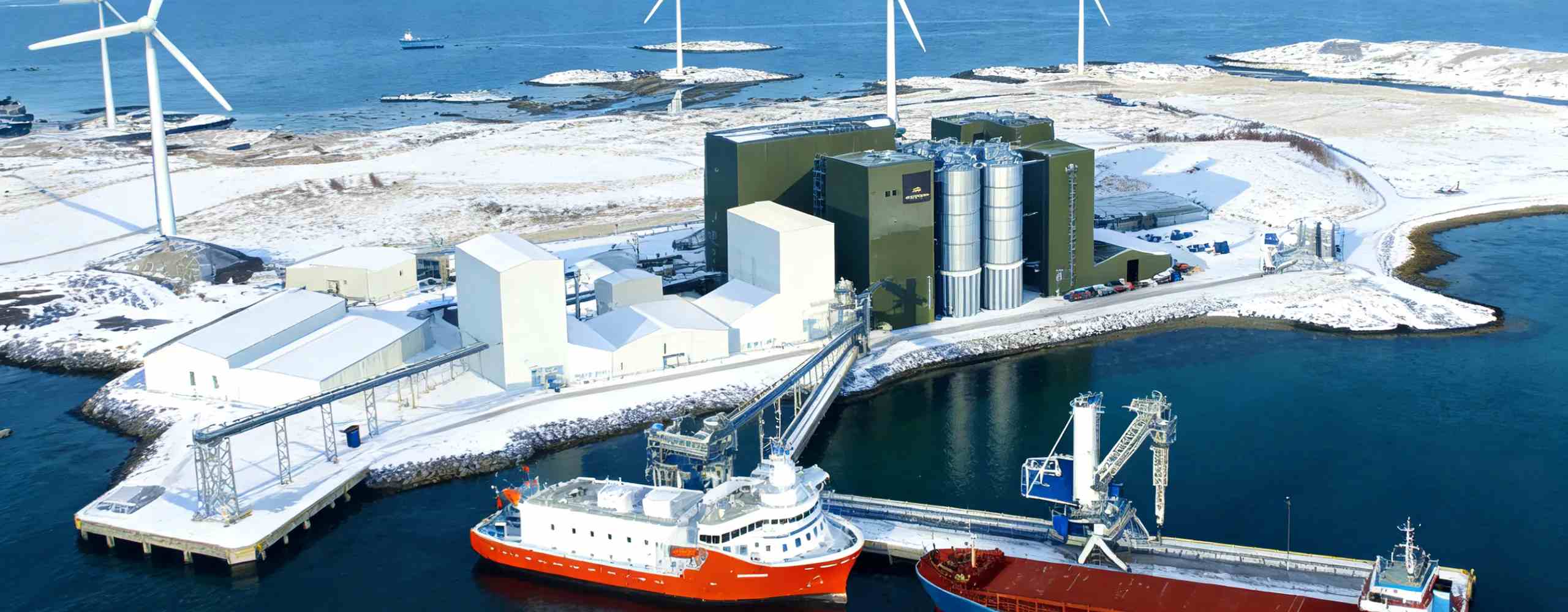
Floating Fish Feed Plant
The floating fish feed plant comprises eight stages: raw material cleaning, crushing, mixing, extrusion, drying, spraying, cooling, screening, and packaging. The finished pellets produced can meet the feeding needs of fish in the middle and upper water layers.
- Output (T/H): 0.3-60
- Price (USD): 10,000-4,200,000
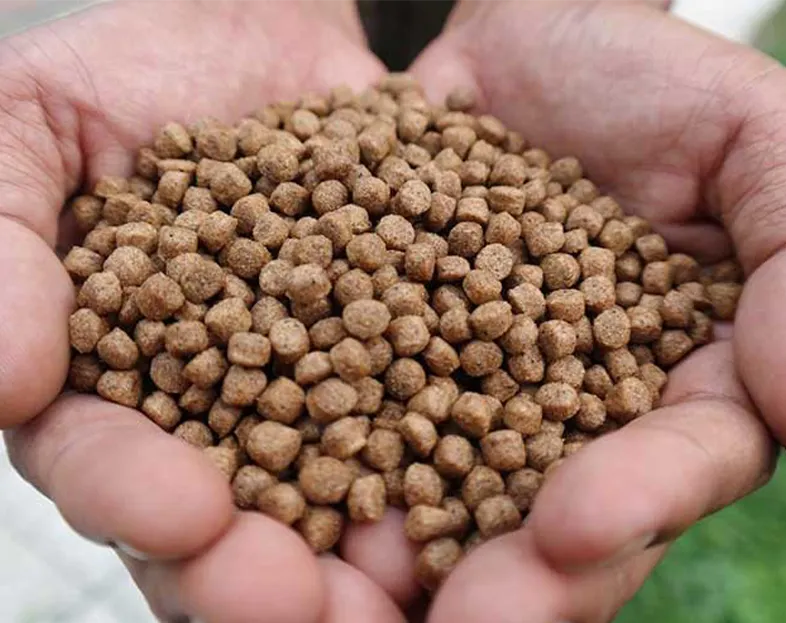
FEED PELLET
Floating Fish Feed Plant Solutions
RICHI can build floating fish feed plants ranging from 0.6 to 60 TPH to meet the needs of different clients.
High Raw Material Adaptability
Suitable for the addition and proportioning of various raw materials such as fishmeal, corn, soybean meal, cassava, fat, and minerals. Customized solutions can also be provided based on your specific raw materials.
Diverse Production Types
RICHI floating fish feed machine processing plants can simultaneously produce floating fish feed, shrimp feed, and sinking feed, solving the problem of frequent equipment changes from the outset.

Types of Floating Fish Feed Plants
RICHI Fish Feed Factory produces feed suitable for feeding a variety of mid-to-upper-level fish.
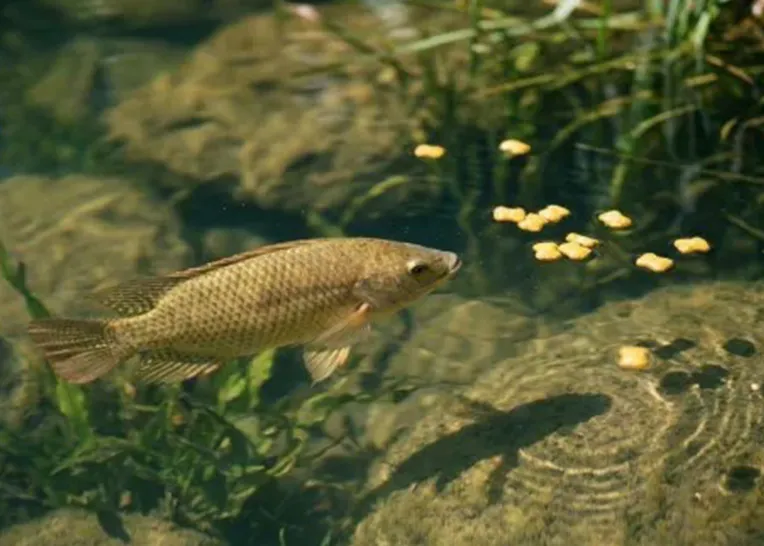
Tilapia
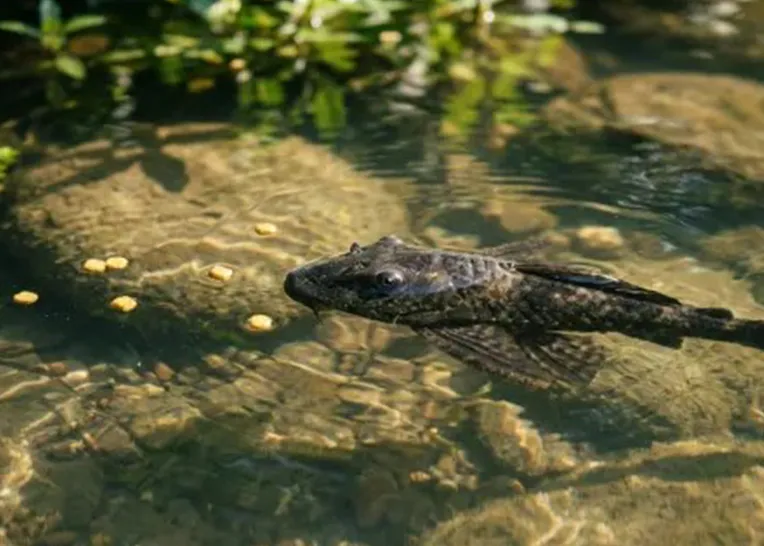
Mummified Fish
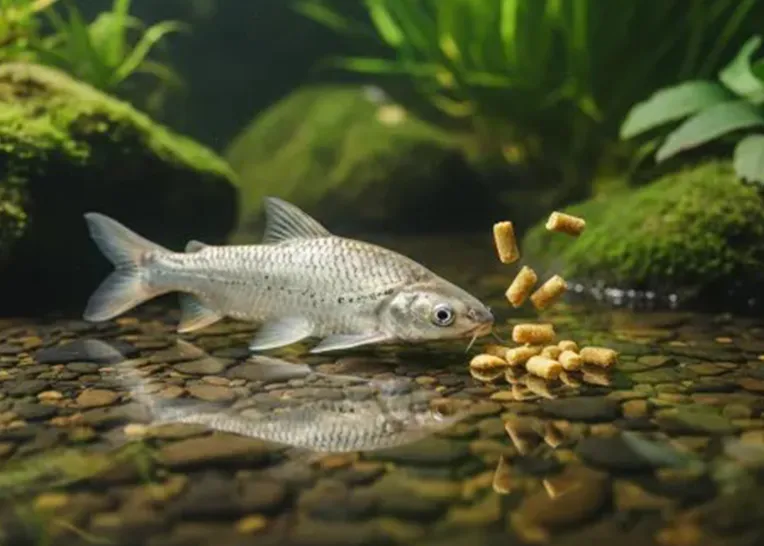
Basa Fish

Grass Carp
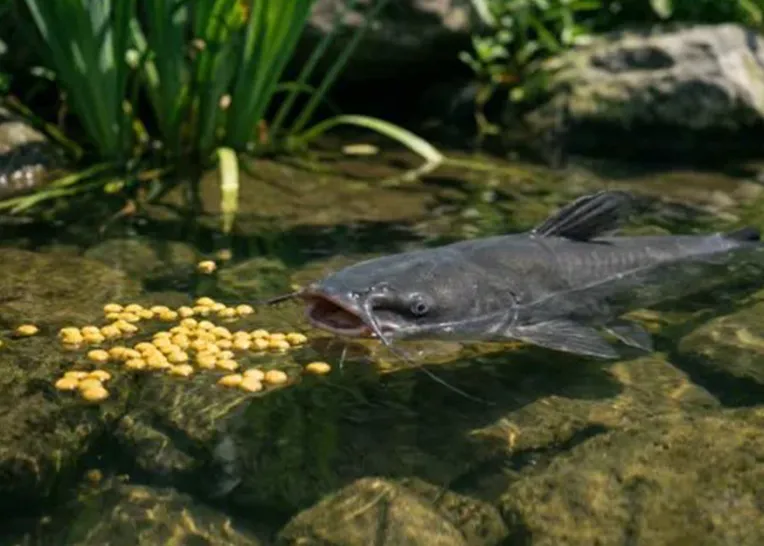
Catfish
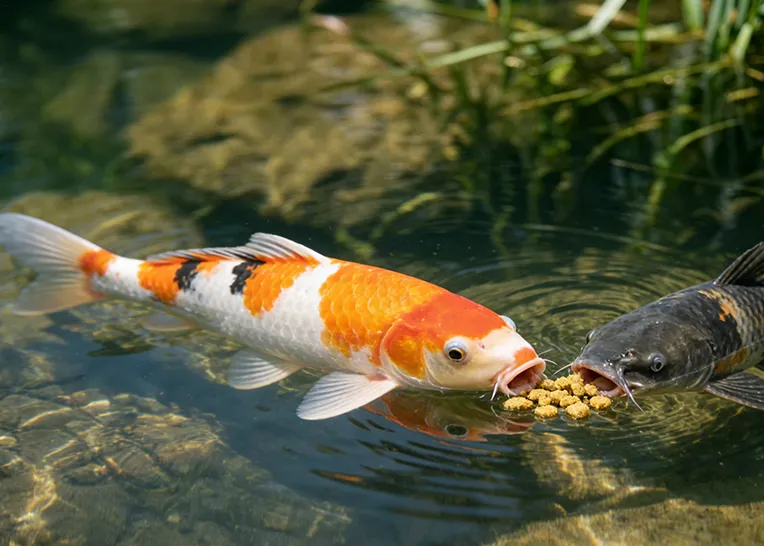
Koi
Workflow of Floating Fish Feed Production Line
The production line process for a floating fish feed mill can be customized to your specific needs. Below are eight commonly used production line sections:
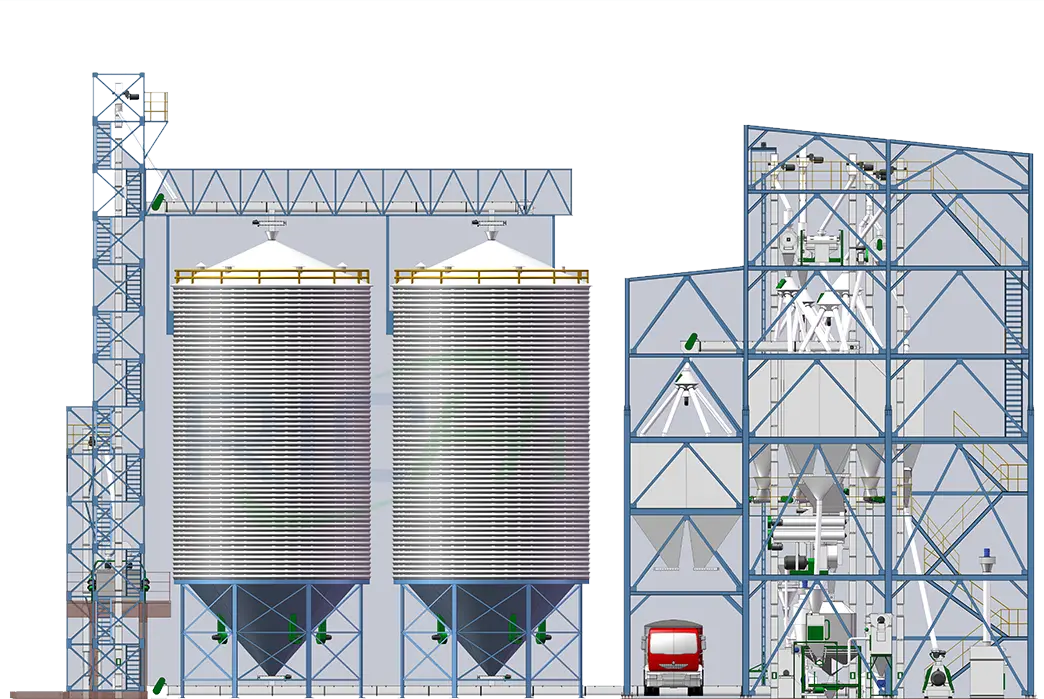
Raw Material Cleaning
01
Impurities and iron are removed from fishmeal, rapeseed meal, and cornmeal to ensure the purity of the raw materials. This also ensures that no iron objects enter the machinery and damage it.
Grinding
02
Based on the fish’s feeding habits, smaller particle sizes are required. Therefore, the grinding section uses two types of equipment: a commonly used water-jet grinder and a specialized ultrafine grinder for aquatic feed production.
Mixing
03
The ground solid and liquid materials are thoroughly mixed in a mixer to ensure a more uniform distribution of nutrients throughout the raw material.
Extrusion
04
The pre-treated materials enter the floating fish feed extruder. First, the raw materials are matured and modulated by a dual-shaft differential speed modulator. Then, under the action of the extrusion screw, the material is processed into finished floating fish feed.
Drying
05
Unlike drying forage feed raw materials, floating fish feed raw materials require a mesh belt circulating dryer. The purpose of this process is to ensure a more uniform drying temperature for the finished feed while preserving its porous and loose structure.
Spraying
06
Once the dried feed is at the ideal temperature, it needs to be sprayed using an airlock sprayer. This allows the oil to penetrate the feed through the small pores, promoting fish growth and increasing meat yield.
Cooling and Screening
07
The sprayed feed is still quite hot, making it difficult to package and store for long periods. Therefore, a cooler is used to cool it down. A final screening is then performed after cooling.
Packaging
08
This is the most crucial step in the commercialization of fish feed and the final step in the entire production line process.
Equipment for Floating Fish Feed Plant
RICHI manufactures a comprehensive set of equipment necessary to construct a floating fish feed plant. We ensure that the entire system not only meets the production needs of your floatfish feed mill but also maximizes your profits.
Because RICHI’s technology is constantly being updated and iterated, we will continuously upgrade and innovate our equipment. Therefore, specific equipment parameters are subject to the actual quotation. We will provide all our clients with more specific, customized designs and production.
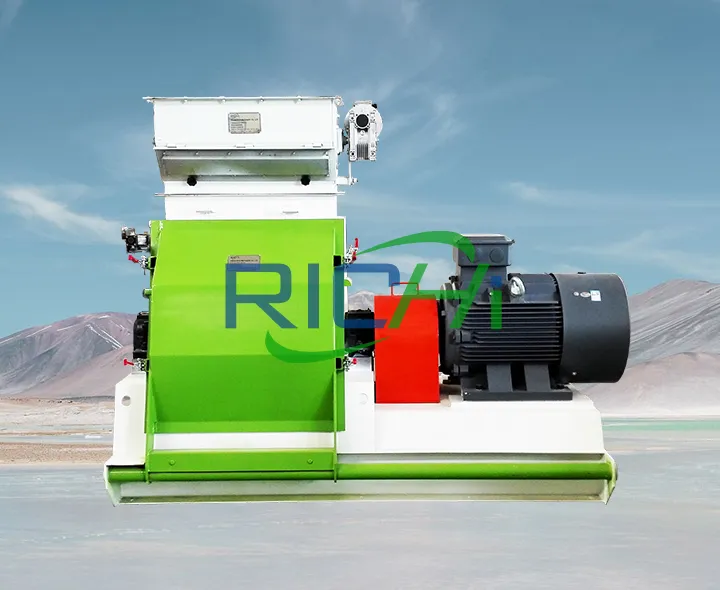
Water Drop Grinder
Grinders materials ≤5cm to 0.5~20mm.
- Speed (rpm): 2980
- Grinding Chamber Width (mm): 400~1500
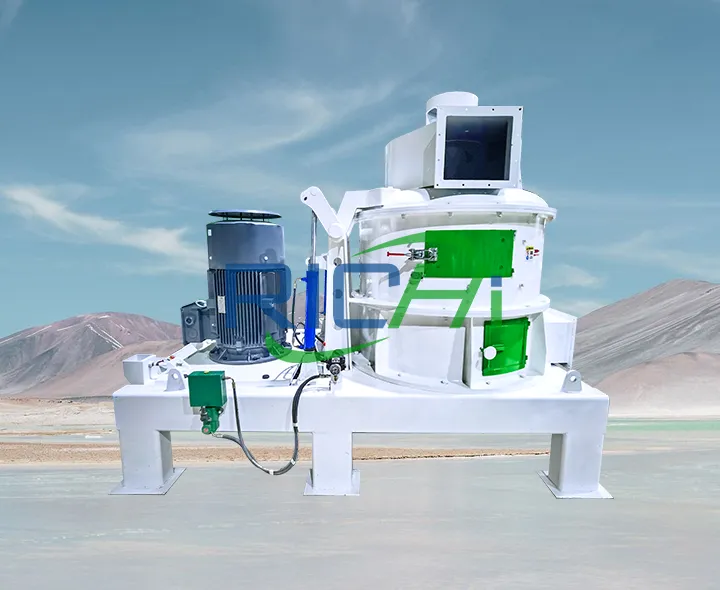
Ultra-fine Grinder
Grinder’s materials 0.5~20mm to 60~300 mesh.
- Grinding Fineness (mesh): 80~200
- Output (T/H): 1~10
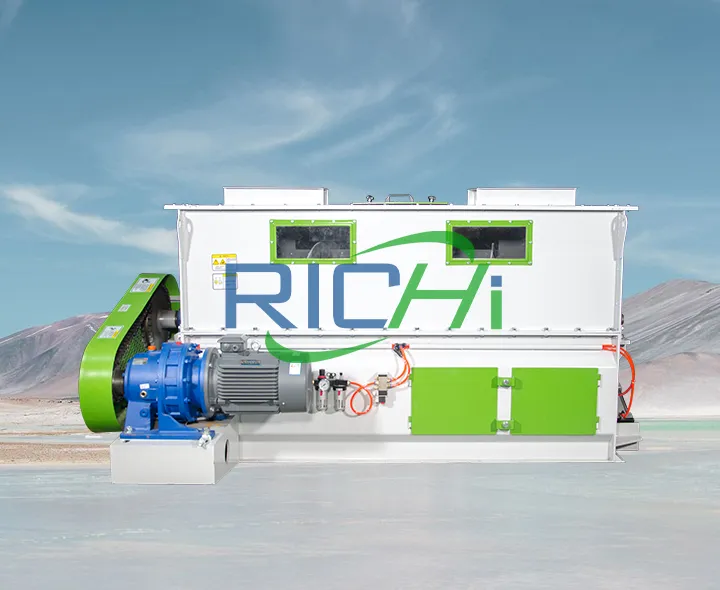
Single-shaft Double Ribbon Mixer
Suitable for small and medium-sized fish feed mills, this mixer is designed for uniformly mixing powdered materials.
- Effective Volume (m³): 0.5~7.5
- Batch Mixing Amount (kg/P): 4~45
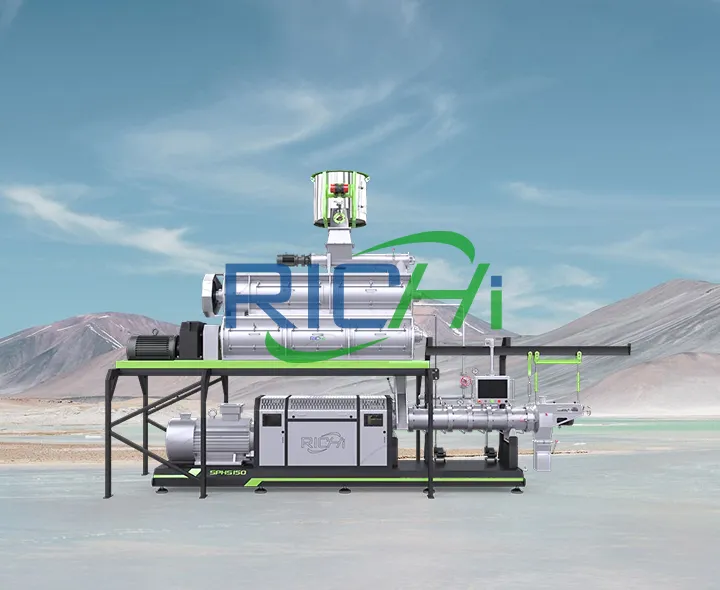
Floating Fish Feed Extruder
Large-scale production of aquatic feeds such as fish, shrimp, and crab.
- Screw Diameter (mm): 75~185
- Output (T/H): 0.5~12
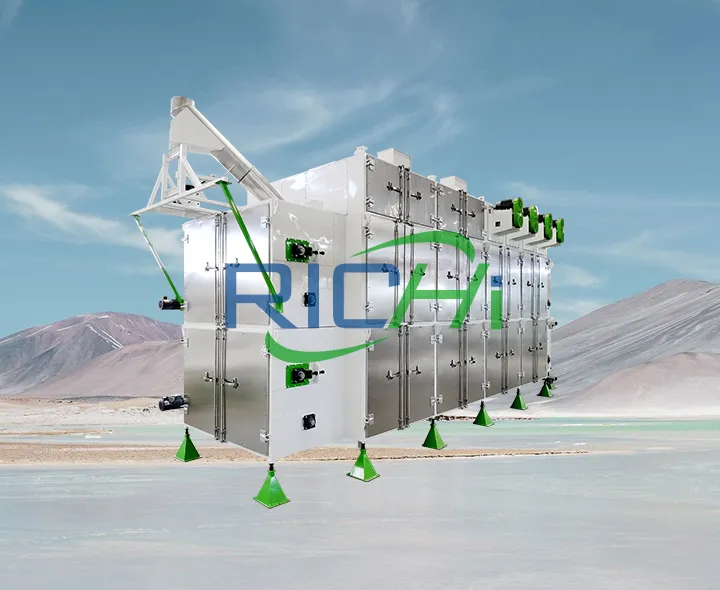
Wire Mesh Circulating Dryer
Dry feed moisture to 2~10% (adjustable).
- Drying Area (㎡): 13~58
- Belt Width (m): 0.8~1.6
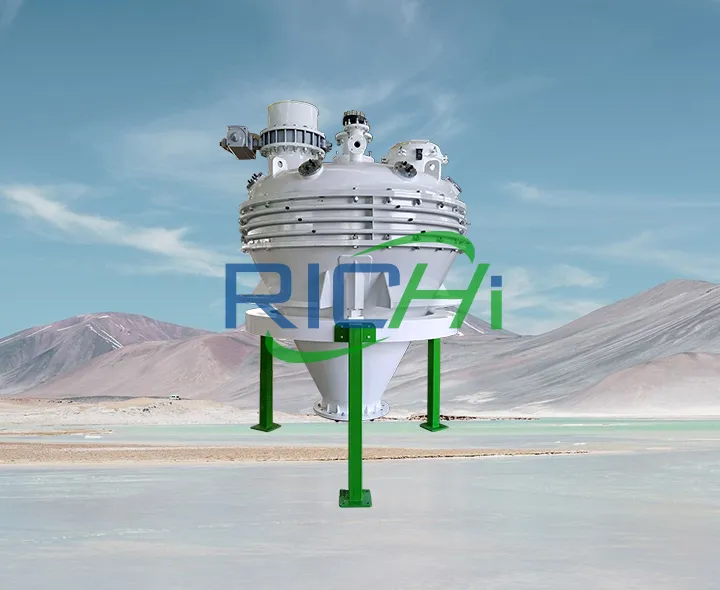
Vacuum Spraying System
Further nutrientizes the extruded material.
- Capacity (t/h): 1~15
- Addition Accuracy (%): 0.5
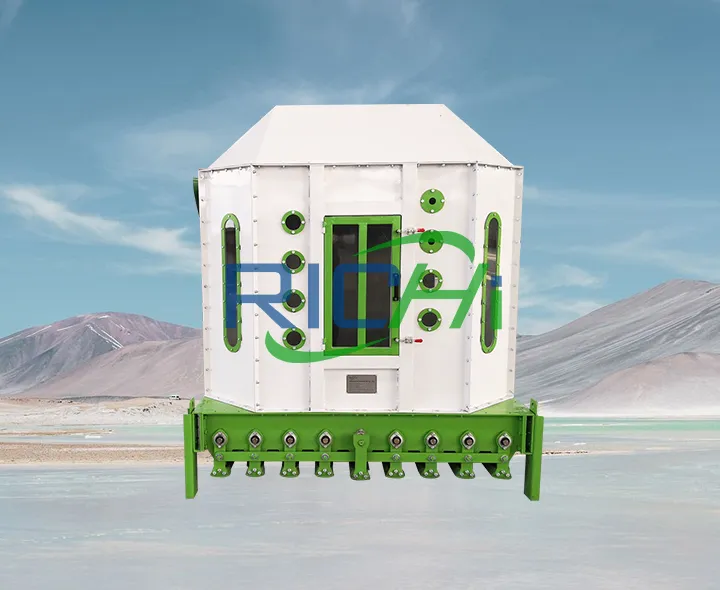
Cooler
Reduces pellet temperature to room temperature for easy packaging and storage.
- Output (t/h): 1~40
- Cooled Material Temperature: Room temperature +3-5℃
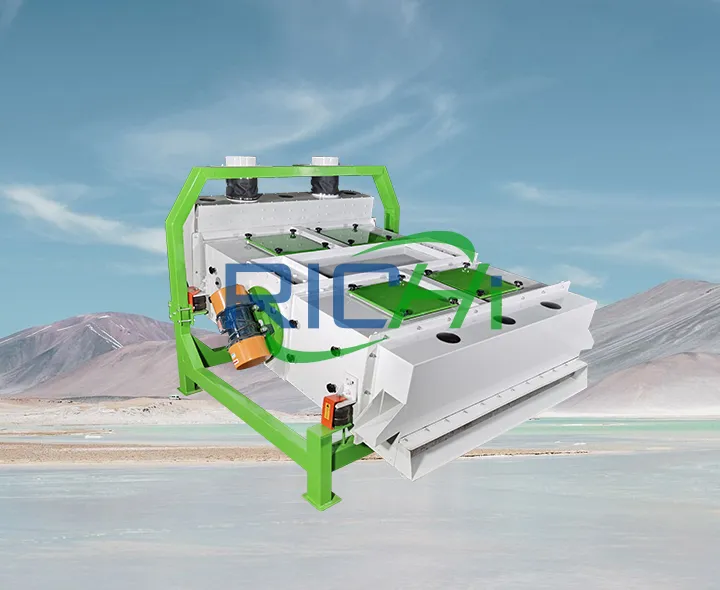
Rotary Grading Screen
Removes broken material from pellets.
- Output (t/h): 3~40
- Power (kW): 1.5~5.5
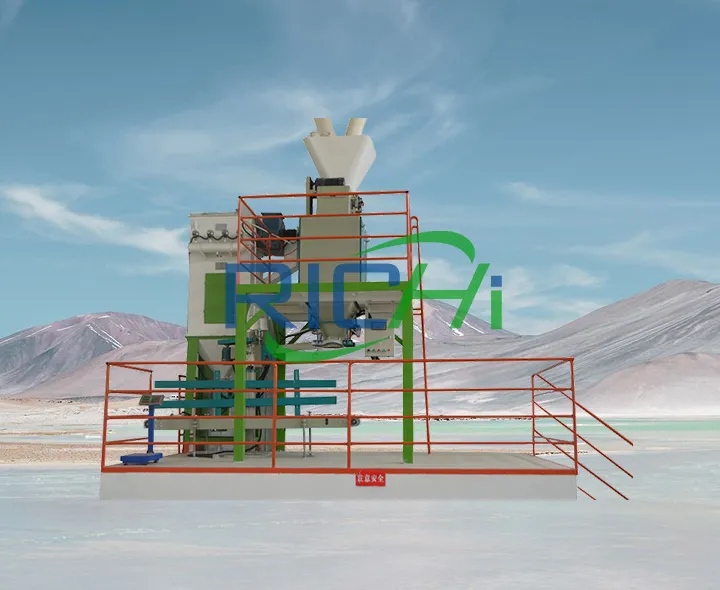
Packaging System
Packaging sizes range from 10~50 kg.
- Packaging Speed(bags/min): 2~8
- Power (kW): 0.55±0.37~1.5±0.55±0.37
Core Equipment Selection for Floating Fish Feed Plant
The quality of fish feed produced by a fish feed mill is closely related to the quality of its equipment. The most important factor is the core extrusion equipment.
RICHI has developed several extruder machines, optimally tailored to the needs of different customers. Equipment parameters are subject to the actual quotation.

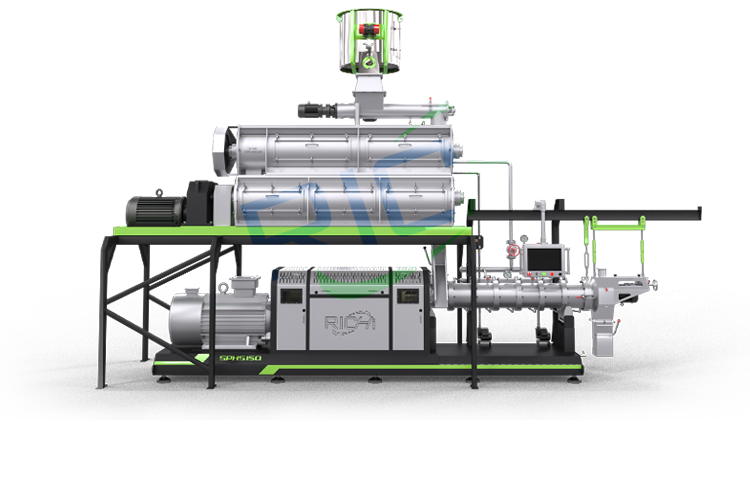
Twin-Screw Floating Fish Feed Extruder Machine
RICHI twin-screw extruder for producing floating fish feed is more suitable for producing floating fish feed.
Suitable Customers : Large-scale aquaculture farms, etc.
Capacity (t/h) : 0.5-12
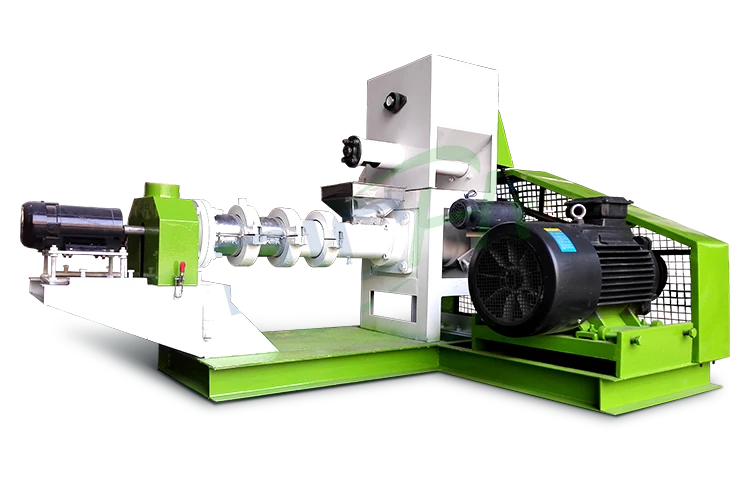
Single-Screw Floating Fish Feed Extruder Machine
The advantages of the RICHI single-screw floating fish feed extruder are its simple maintenance and low replacement cost of wear parts.
Suitable Customers : Startups, small manufacturers, etc.
Capacity (t/h) : 0.2-1
Dry Extruder Machine
RICHI dry extruders have lower overall energy consumption, suitable for feed production scenarios with short and simple processes.
Suitable Customers : Small and medium-sized farms, etc.
Capacity (t/h) : 0.2-1
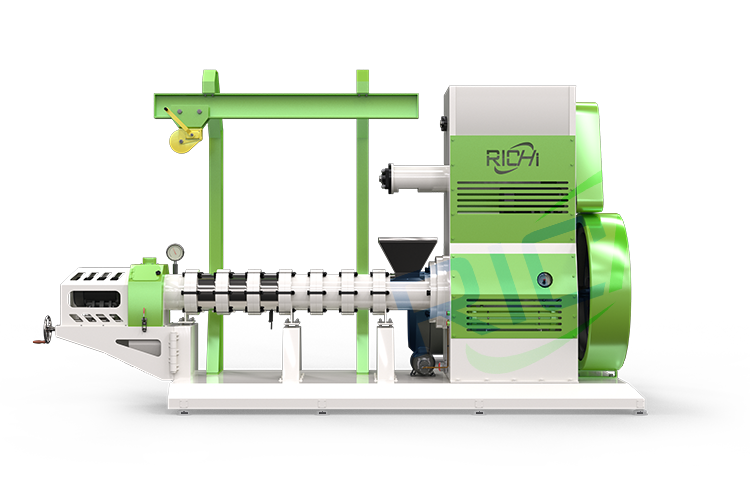
Wet Extruder Machine
RICHI wet extruders incorporate steam conditioning, resulting in higher gelatinization of the material and better quality fish feed.
Suitable Customers : Enterprises with stable boilers and steam supply, etc.
Capacity (t/h) : 0.5-1
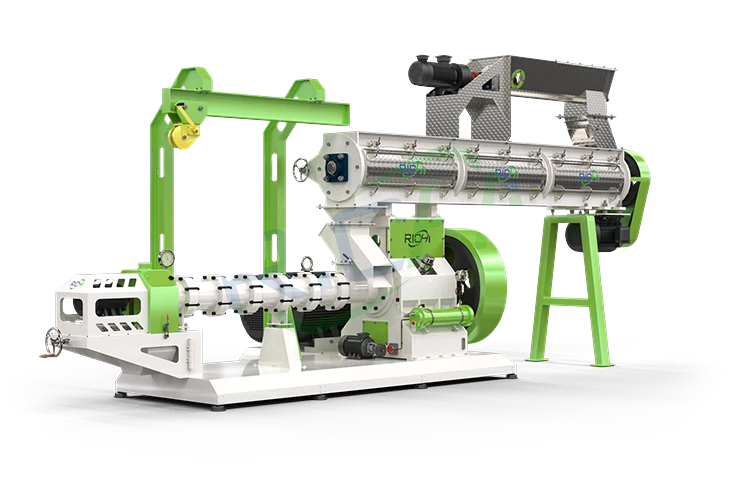
Videos of floating fish feed mill plants
RICHI can customize float feed plants to meet your specific needs. We have built numerous float feed production plants for our clients.
Below are video feedback from our clients, as well as videos we filmed on-site:
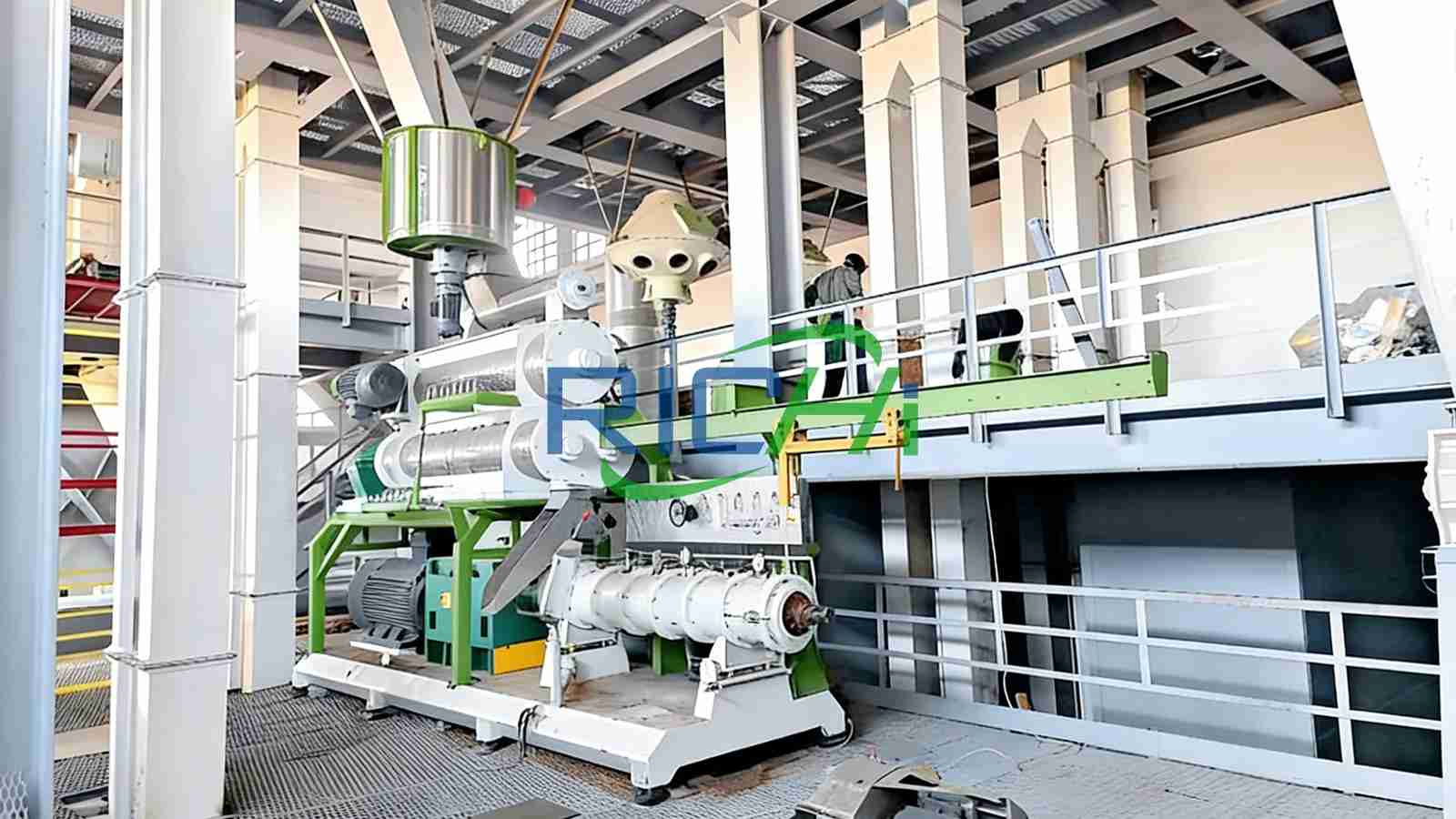
A 5-6 TPH floating fish feed plant is under installation in Russia
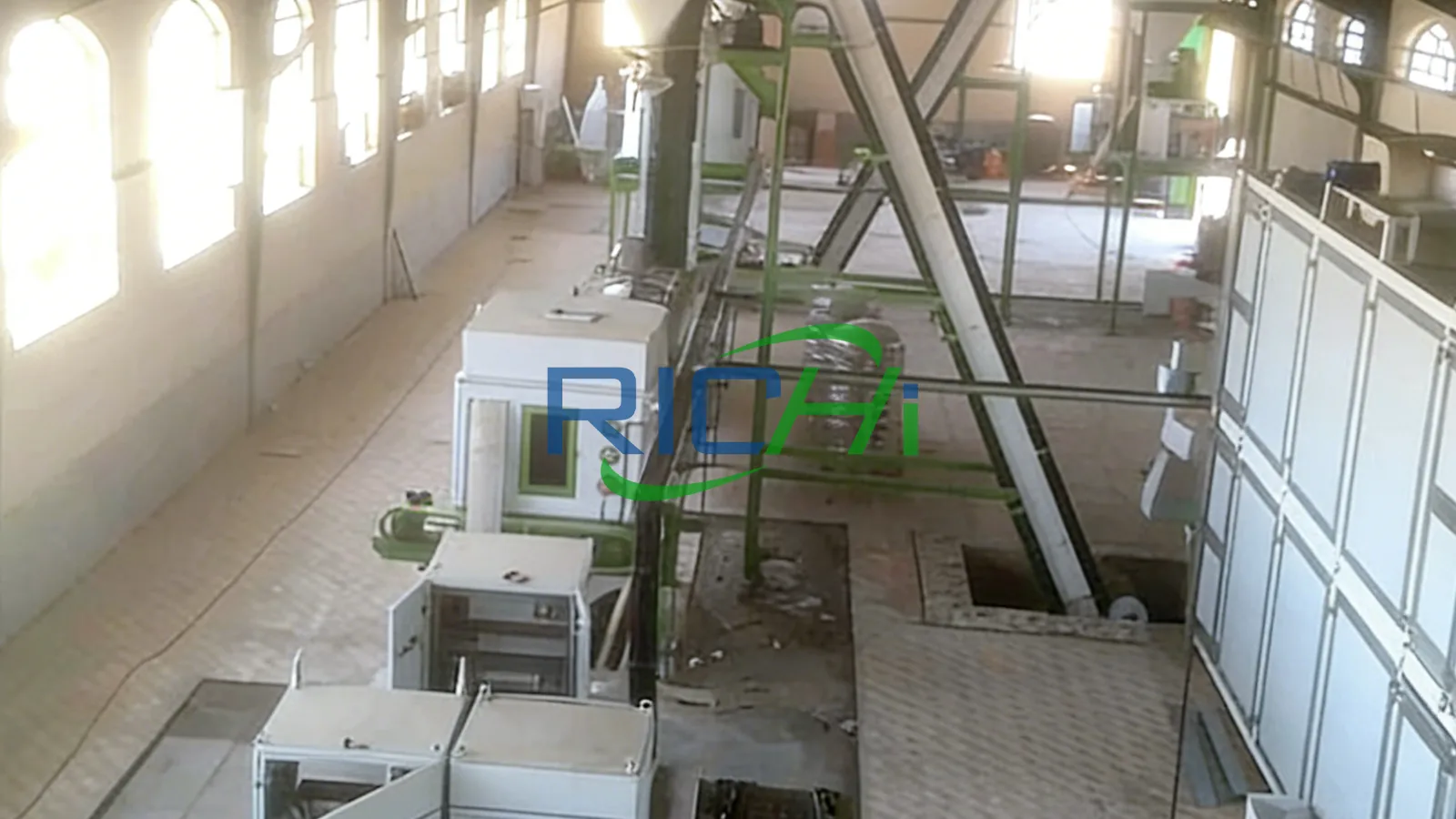
A dual-line aquaculture feed plant in Iran
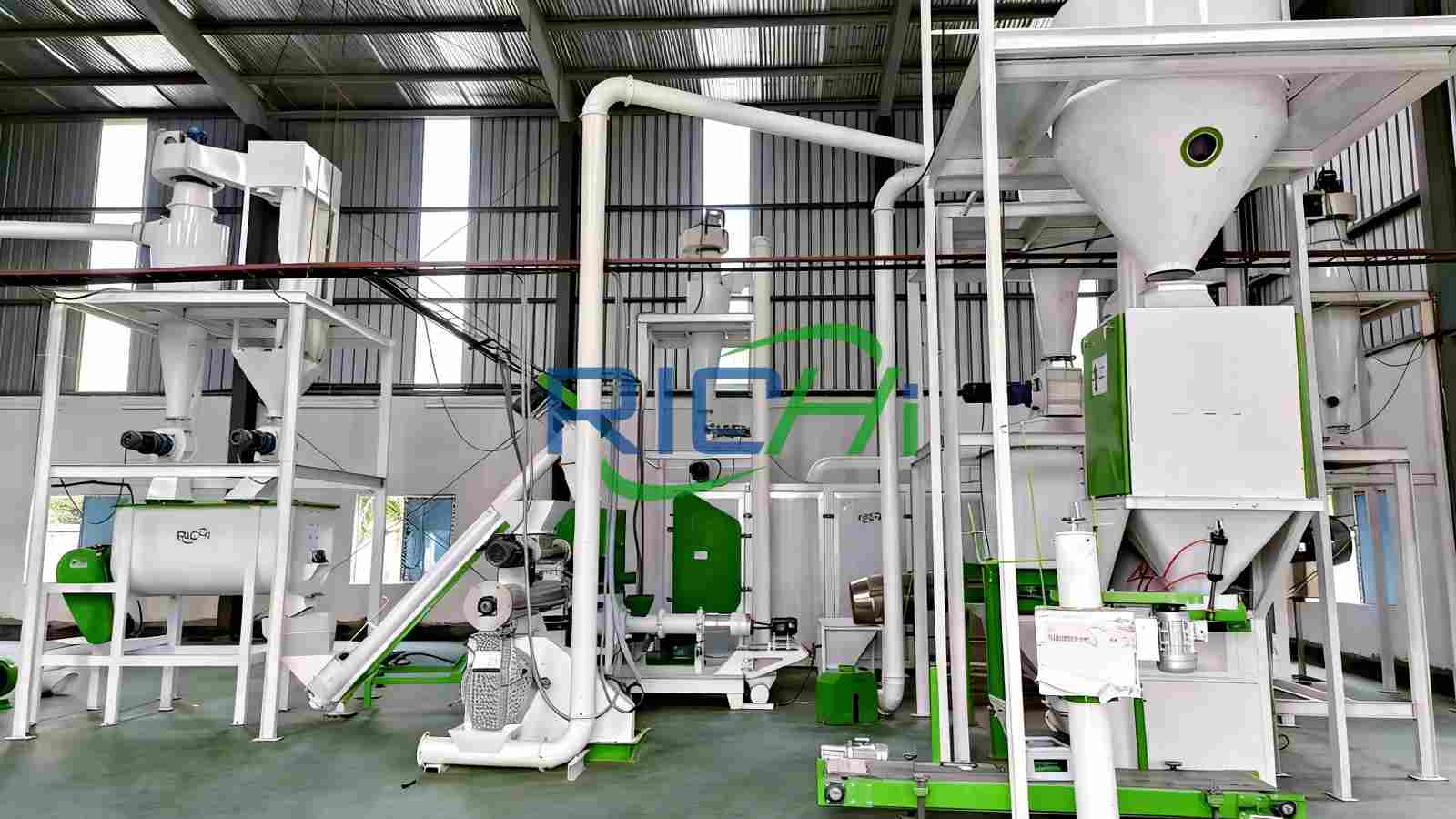
Feed plant that can produce both broiler feed and fish feed simultaneously
Floating Fish Feed Plant projects
RICHI has built floating fish feed plants in numerous countries, including Russia, Iran, Bangladesh, Ecuador, the United States, and Peru.
Each project has different construction requirements, resulting in varying installation times and costs. RICHI will provide customized solutions based on your specific needs.
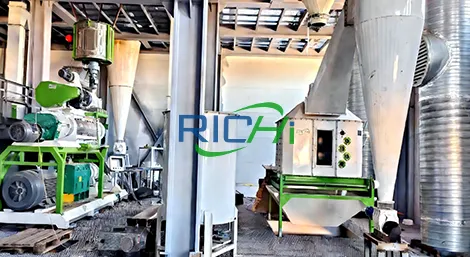

5-6 TPH Floating Fish Feed Plant in Russia
Russia currently has a self-sufficiency rate of only 25% for aquatic feed, insufficient to meet local demand. The client approached us needing to build a large-scale aquatic feed plant, primarily using soybeans, rapeseed, and wheat.
- Installation Time (days): 125
- Equipment Price (USD): 1,410,000
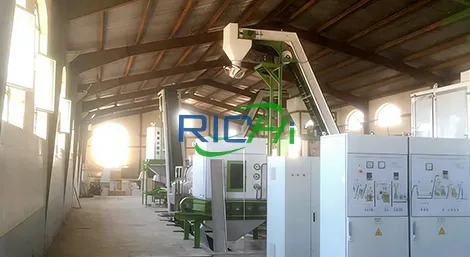

1-2 TPH floating fish pellets factory in Iran
This floating fish feed plant in Iran produces not only floating feed but also shrimp feed. To achieve better cost-effectiveness, RICHI designed a dual-line mixed feed production line. This satisfies both floating feed and shrimp feed production needs.
- Installation Time (days): 90
- Equipment Price (USD): 350,000
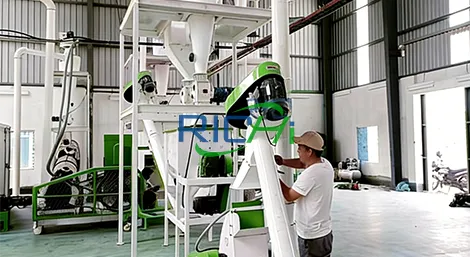

0.5 TPH floating fish feed mill plant in Bangladesh
When the client contacted us, they informed us that they needed to build a production line capable of producing both fish feed and broiler feed. The main raw materials used in the fish feed production line are soybean meal and rice bran.
- Installation Time (days): 35
- Equipment Price (USD): 150,000
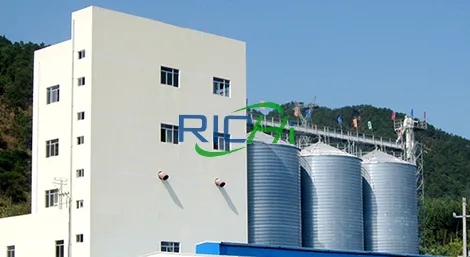

3-5 TPH Floating Fish Feed Plant in Ecuador
The client needed to establish a shrimp feed production line. After learning that our fish feed plant could produce both shrimp and fish feed simultaneously, the client proposed building a fish feed plant directly.
- Installation Time (days): 65
- Equipment Price (USD): 580,000
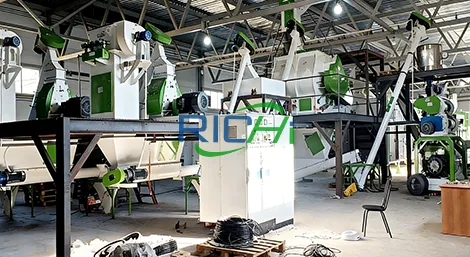

1.2 TPH floating fish feed mill plant in the USA
The client farms catfish and trout locally and needs to produce corresponding feed to reduce the overall feed input of the farm. The main raw materials are soybean meal, wheat, and fish oil. RICHI designed a 1.2T/H float feed production line for a client.
- Installation Time (days): 30
- Equipment Price (USD): 200,000
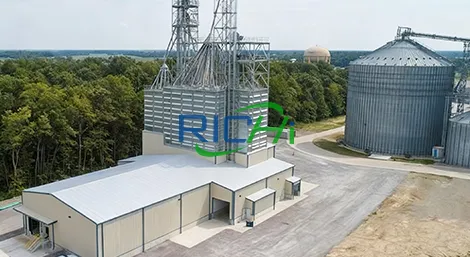

5-6 TPH Floating Fish Feed Plant in Peru
The client’s location has abundant fishmeal resources. To improve plant efficiency, the client wanted to build a float feed plant to produce high-quality 4mm salmon feed for export. After several consultations with the client, we ultimately designed a 5-6T/H float feed plant.
- Installation Time (days): 52
- Equipment Price (USD): 900,000
RICHI services
RICHI Machinery, with 30 years of experience, has developed a service process best suited to our customers.
We are dedicated to the design and production of extrusion equipment, all to bring you the best pelleting experience.
Brand Promise
Crafting High-Quality Pelletizing Equipment
enquiry@pelletizerequipment.com
Floating Fish Feed Plant
Aquatic Feed Plant
If you are unsure how to set up your own floating fish feed plant, contact RICHI for professional services.
Customized floating fish pellets factory
Below are some of our general-purpose floating fish feed plant designs. You can refer to the applicable scope and price based on your required tonnage. Specific prices are subject to RICHI’s actual quotation.
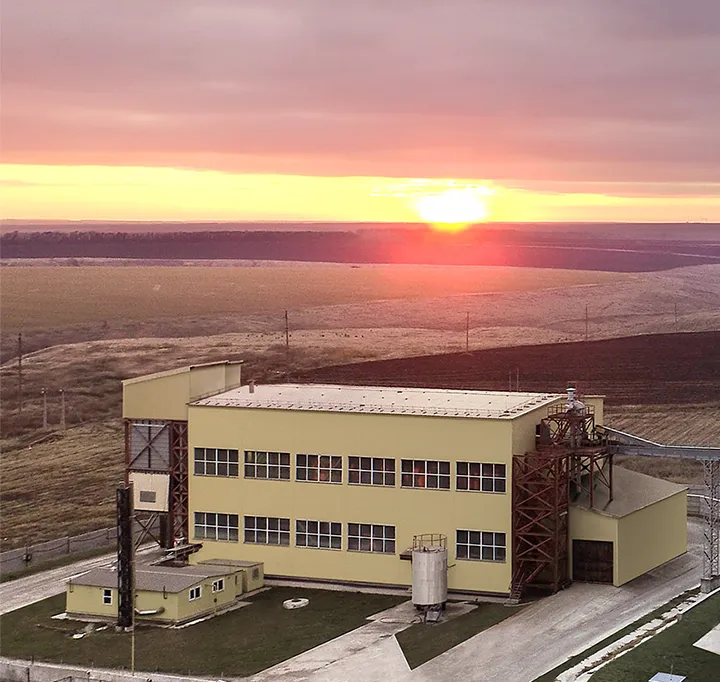
0.6 TPH Floating Fish Feed Plant
This small floating fish feed plant is suitable for manufacturers just entering the float feed production industry, as well as small-scale aquaculture farms.
Price (USD): 25,000-40,000
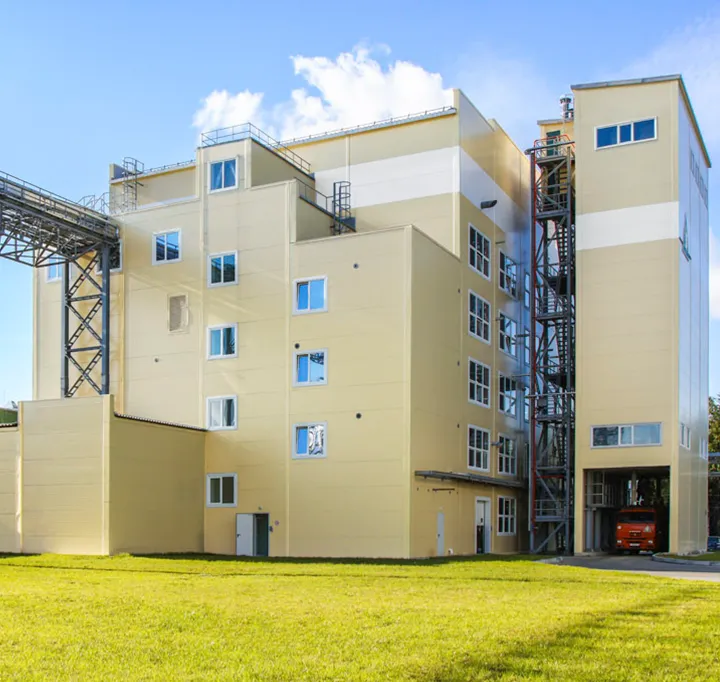
1.5-2 TPH floating fish pellets factory
This size floating fish feed mill plant can produce 30-40 tons of float feed per day for sale.
Price (USD): 60,000-90,000
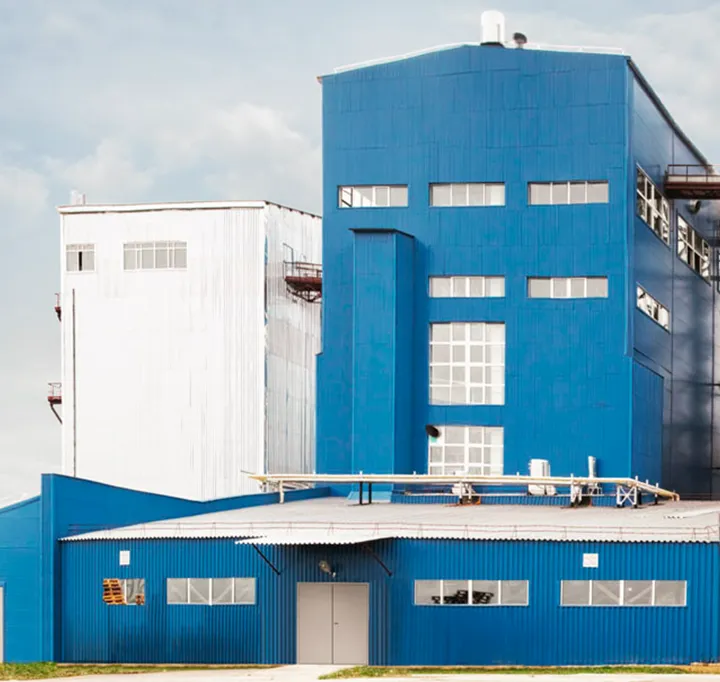
3-4 TPH floating fish pellets factory
RICHI’s 3-4T/H floating fish feed plant equipment operates stably and is suitable for medium-sized feed enterprises.
Price (USD): 120,000-180,000
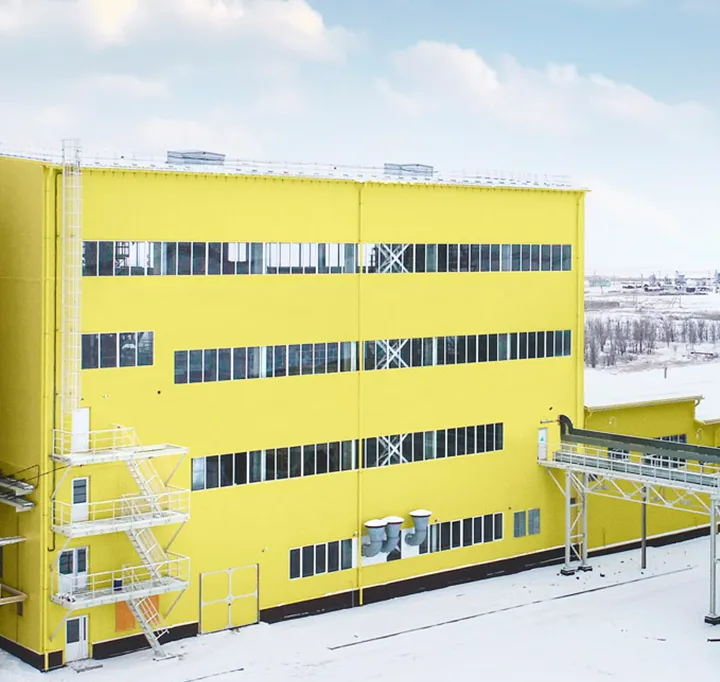
5 TPH Floating Fish Feed Plant
This size floating fish feed mill plant can achieve a daily output of approximately 100 tons, suitable for large-scale aquaculture groups and industrialized feed mills.
Price (USD): 180,000-280,000
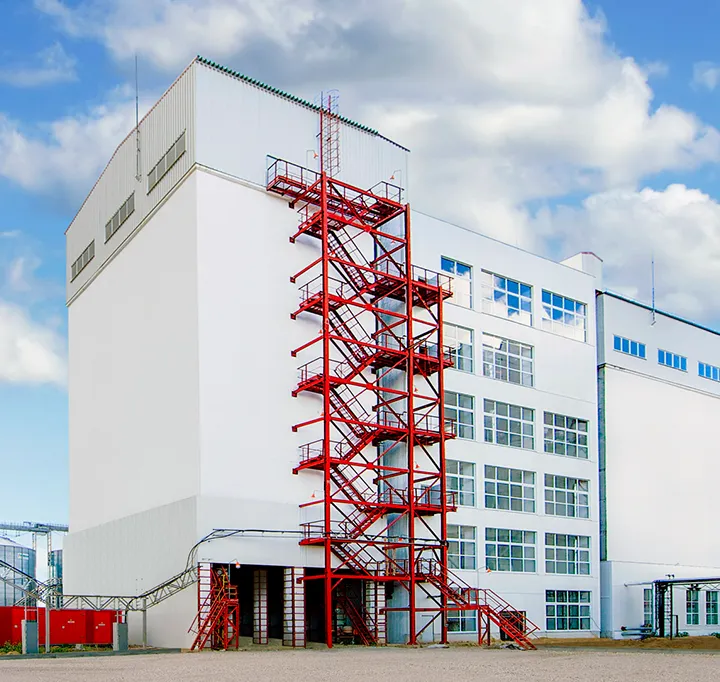
6-7 TPH Floating Fish Feed Plant
This type of feed mill can supply 3-5 large-scale fish farms simultaneously. Regional leading feed companies tend to choose to build this type of mill.
Price (USD): 220,000-350,000
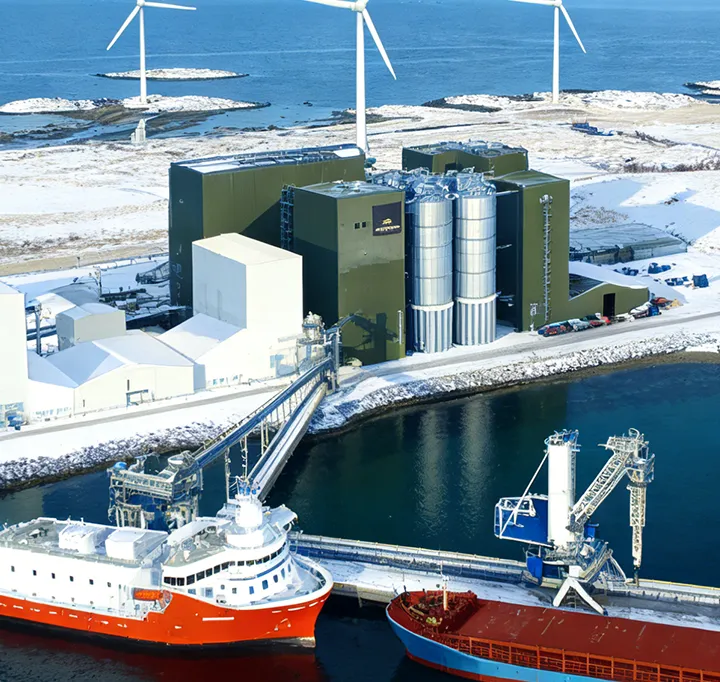
10 TPH floating fish pellets factory
If your feed brand is already or will develop into a national feed brand, this feed mill is the best choice.
Price (USD): 400,000-600,000
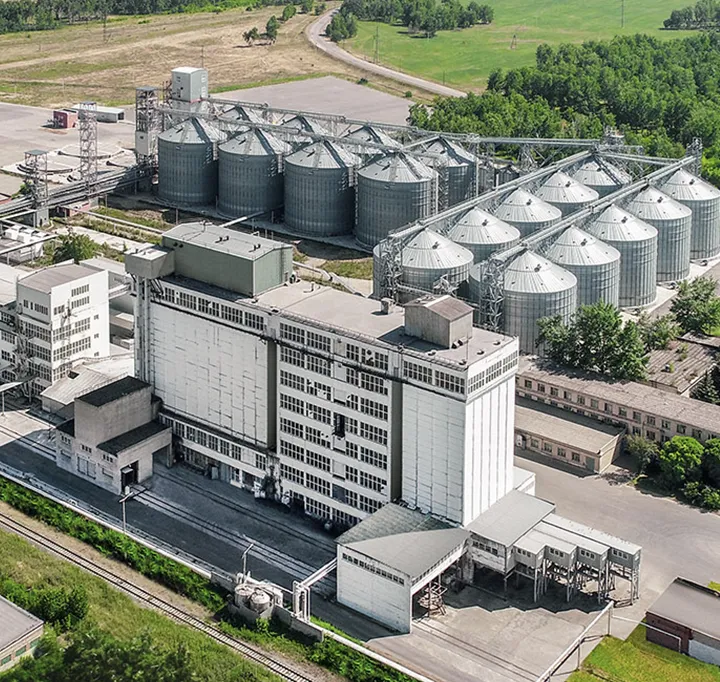
12-14 TPH Floating Fish Feed Plant
With a daily output of 240-280 tons, this is more suitable for multinational feed groups or national-level industrial demonstration projects.
Price (USD): 550,000-800,000
Why Choose RICH?
RICHI not only builds floating fish feed plants but also manufactures complete fish feed pelleting equipment. We are an integrated industrial and trading company encompassing equipment production, mill construction, and sales.
RICHI Machinery has exported over 500 fish feed pelleting machines and built approximately 300 floating fish feed mill plants.
Precision Manufacturing

Addressing the challenge of extruding low-starch formulations in fish feed production, RICHI designs and manufactures twin-screw extruder machines, paired with ultra-fine pulverizers for higher-quality finished feed.
Customized Design

With over 30 years of dedicated experience in building floating fish feed plants, RICHI consistently prioritizes customer needs, creating the most suitable floating fish feed mill plants for each individual client.
Attentive Service

From consultation to after-sales support, RICHI provides a one-stop service, helping overcome all difficulties in building your floating fish feed plant and promising lifetime pelleting technology upgrades.
Frequently Asked Questions
Building a float feed mill requires consideration of various aspects, including site selection, civil engineering, and equipment procurement. The following questions and answers may provide some insights.
1. I want to build a 5T/H float feed mill. How much investment is required? How long will it take to recoup the investment?
+
Based on RICHI’s experience, the total investment is approximately US$1,500,000-3,000,000, with a payback period of 3-8 months.
However, specific situations require specific analysis. For example, our clients in Peru may have lower fishmeal prices compared to other regions, resulting in a faster payback period. Secondly, fluctuations in the local price of the product itself will also affect the payback period.
2. Do different fish species require different formulations? Can your float feed mills produce multiple formulations?
+
Different fish species have different formulation requirements. RICHI can design customized formulation systems for you. Below are formulations we have designed for different fish species for your reference. Specific formulations will need to be customized based on your raw materials.
| Fish Species | Reference Formula |
| Carp | Bran 43% + Fish Meal 30% + Soybean Cake 15% + Barley 10% |
| Grass Carp | Rice Bran 40% + Bran 38% + Soybean Cake 10% (Low-cost Formula) |
| Crucian Carp | Fermented Soybean Meal 20% + Cornmeal 30% + Fish Meal 15% (Contains Probiotics) |
| Tilapia | Soybean Cake 35% + Bran 30% + Fish Meal 15% + Barley 8.5% + Corn 5% + Pagoda Tree Leaf Meal 5% + Bone Meal 1% + Salt 0.5% |
| Rainbow Trout | Fish Meal 40% + Soybean Meal 20% + Wheat Flour 20% + Fish Oil 8% + Yeast 5% + Premix 2% + Phospholipid 3% |
| Black Carp | Soybean Cake 47.5% + Fish Meal 35% + Yeast 1% + Inorganic Salts 16.5% |
| Mandarin Fish | White Fish Meal 55% + Soybean Meal 3% + Expanded Soybean 3.4% + Squid Paste 4% + Krill Meal 6% + Fish Oil 4% + Flour 8% + Binder 1.5% |
| Yellow Catfish | Fish Meal 23% + Silkworm Pupae Meal 8% + Meat and Bone Meal 8% + Blood Meal 8% + Yeast Powder 6% + Soybean Meal 17% + Flour 23% + Vegetable Oil 3% + Additives 3% |
| …… | |
3. Can RICHI’s floating fish feed plant simultaneously produce shrimp feed, sinking feed, and floating feed? Does such a production line require additional investment?
+
Absolutely, and one production line can meet your needs. RICHI considered the different needs of its clients when initially designing the floating fish feed plant. Our floating fish feed production line only requires changing the die head and adjusting parameters to produce shrimp feed and sinking feed.
4. What if the floating fish feed machine processing plant experiences equipment failure and shutdowns during operation?
+
RICHI provides you with an equipment operation and maintenance manual upon delivery of the machinery and trains your workers. We also provide rapid response to any issues you encounter later.
First, our engineers will remotely diagnose the problem within two hours. Generally, 70% of problems can be resolved within two hours.
When remote resolution fails, our engineers will arrive on-site within 42 hours to perform a series of standardized repair procedures.
Furthermore, we have established spare parts supply warehouses globally and will choose the shortest distance to deliver parts to you as quickly as possible.
5. How is the quality of the floating fish feed produced by RICHI’s floating fish feed plant?
+
Many customers have reported stable pellet quality and yield, with smooth pellet surfaces. RICHI aims to produce high-quality floating fish feed for its customers, optimizing the details and equipment layout of the entire production line to ensure that the finished pellets are more digestible for mid-to-upper-level fish or other animals.
You can find more related videos on YouTube.