

Shatter
Straw Pellet Production Line
The RICHI straw pellet production line can convert agricultural residues—such as corn stalks, wheat straw, and rice straw—into high-value biomass and feed pellets.
The complete production line encompasses impurity removal, grinding, drying, pelletizing, cooling, screening, and automated packaging. It features an intelligent PLC control system and supports production capacities ranging from 0.5 to 40 tons per hour, with fully customizable solutions available.

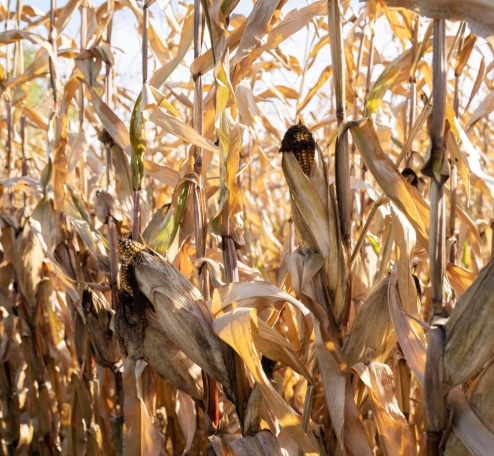
The entire system utilizes a modular design, allowing for flexible adaptation to straw raw materials in various conditions—so you no longer have to worry about the state of your feedstock.
Breaking raw material restrictions
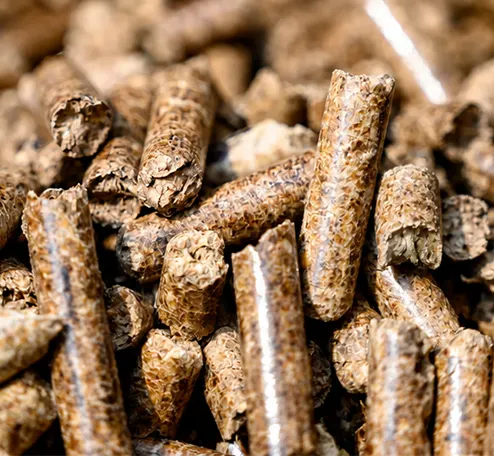
This straw pellet production line can produce fuel pellets, feed pellets, organic fertilizer, and animal bedding. Such projects have already been implemented in over 140 countries worldwide.
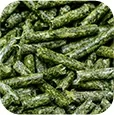
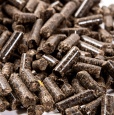
4–12 mm Multi-Type straw Pellets
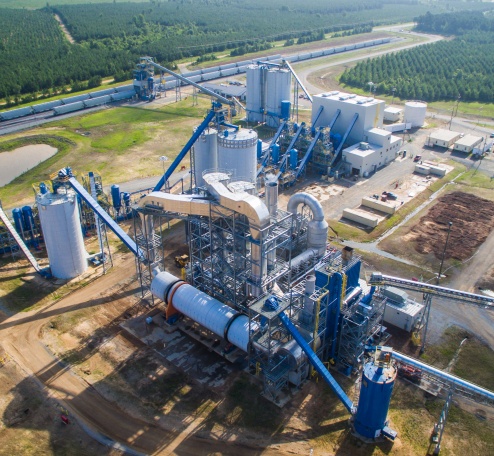
Whether you are setting up a new production line or upgrading an existing one—regardless of the scale—we can provide a tailored production solution to ensure efficient, stable, and long-term operation.
Customized solutions from 0.5 to 40T/H
One-Stop Straw Pellet Production Line
RICHI provides comprehensive straw pelletizing solutions along with complete after-sales service. Every stage—from raw material processing to final product packaging—is seamlessly integrated, ensuring a smoother and more worry-free operation for the entire production line.
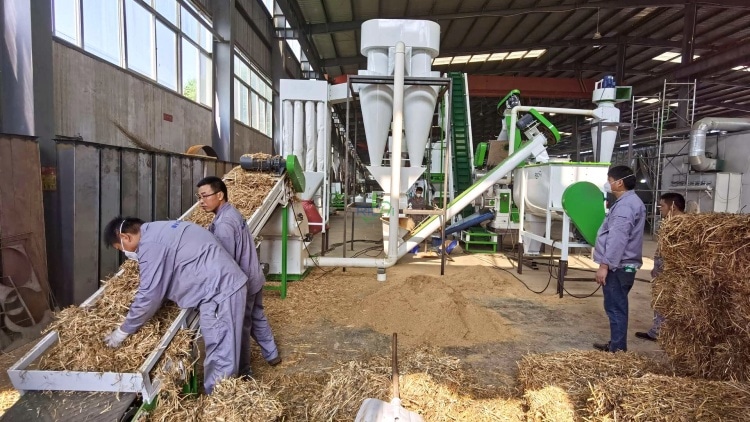

Customized straw pelleting solutions
Do you struggle to process straw efficiently, maintain consistent pellet quality, or meet your production targets? With its highly compatible equipment configurations and customized process workflows, the RICHI straw pellet production line delivers an exceptional pelletizing experience—helping you secure a strong competitive edge in the market.
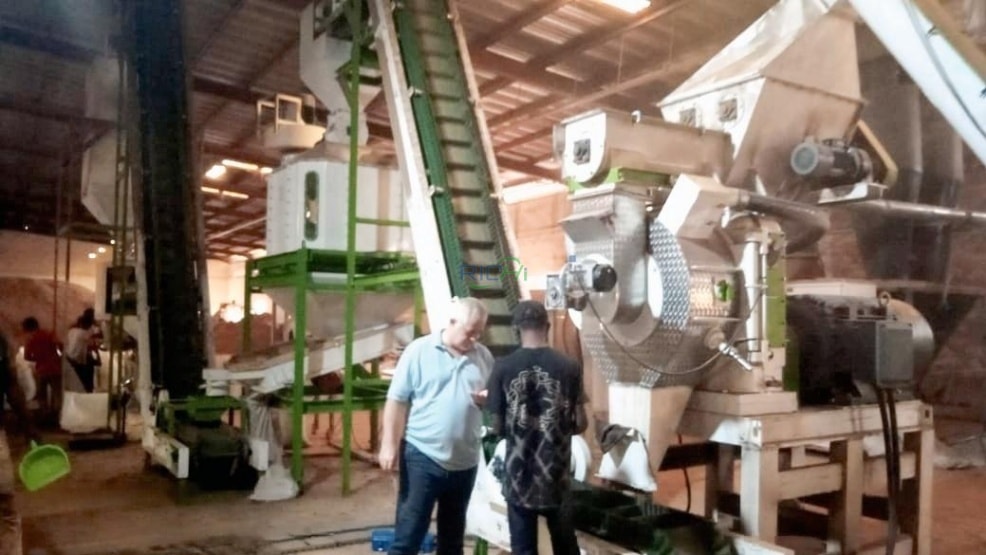
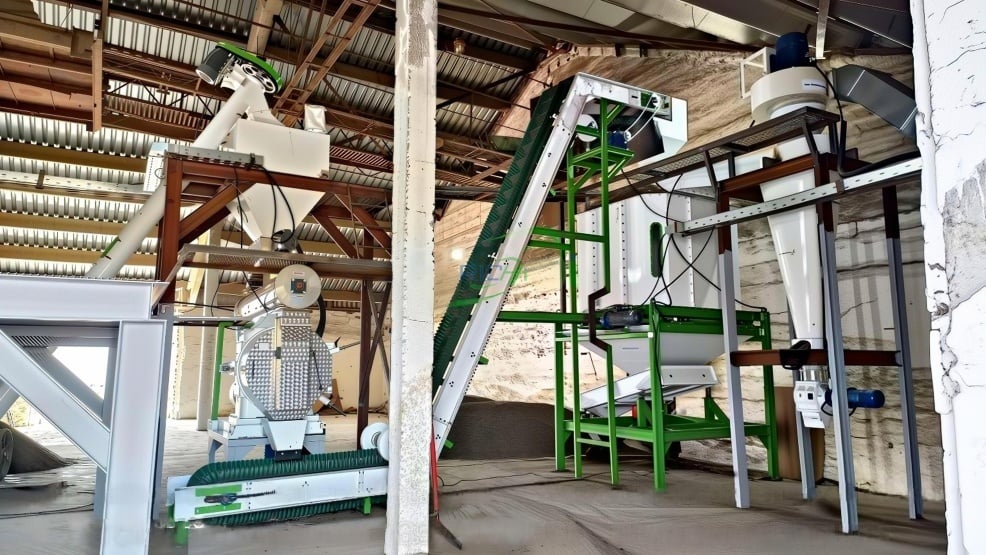
Shown on the left is a 2 T/H straw pellet production line test run in South Africa—provided here for your reference. We invite you to partner with us and launch a profitable straw pelletizing business.

Stable Operation
All production line equipment has undergone international quality testing. Low failure rate, reducing downtime losses.
Stable pellet quality
Production equipment is configured according to raw material conditions to produce uniform, dense straw pellets.
Efficient Production
Automated control systems monitor production status in real time, ensuring that every stage operates efficiently.
Custom Production
Every project is unique. Production processes and equipment configurations are tailored to your needs.
Global Client Cases
RICHI has delivered straw pellet production solutions for over 2,000 projects worldwide, with customized designs built for long-term, stable operation—even in demanding conditions.


LAST
NEXT
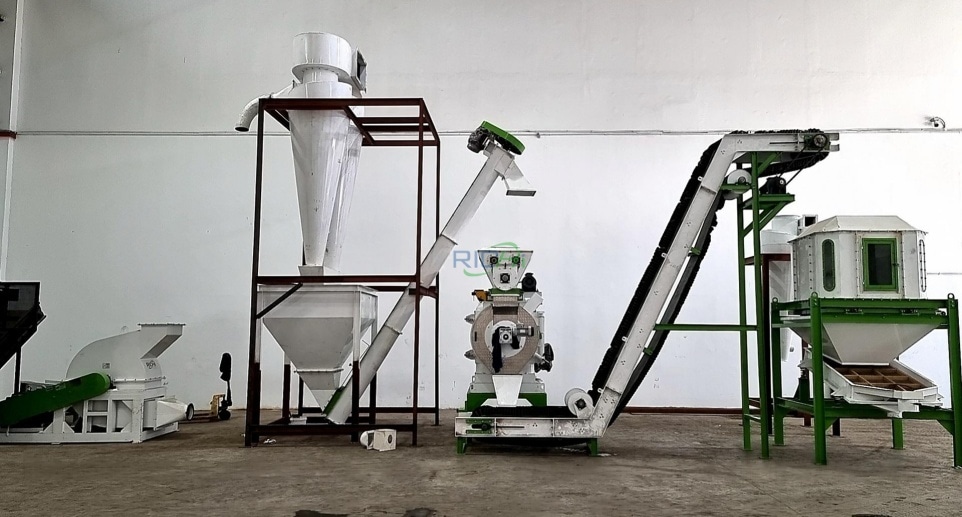
0.5-1T/h straw pellet plant in Romania
The client intends to produce 6-8mm fuel pellets from straw to supply nearby industrial boilers. When designing the straw-processing production line, a key consideration is how to strike a balance between output and cost.
- Client Type: Agricultural Enterprise Owner
- Raw Materials: Wheat straw, corn stover, barley straw (loose, dry straw)
- Production Setup: Straw shredder, hammer mill, straw pellet machine, cooler, bagging scale
- Cost: $11,500
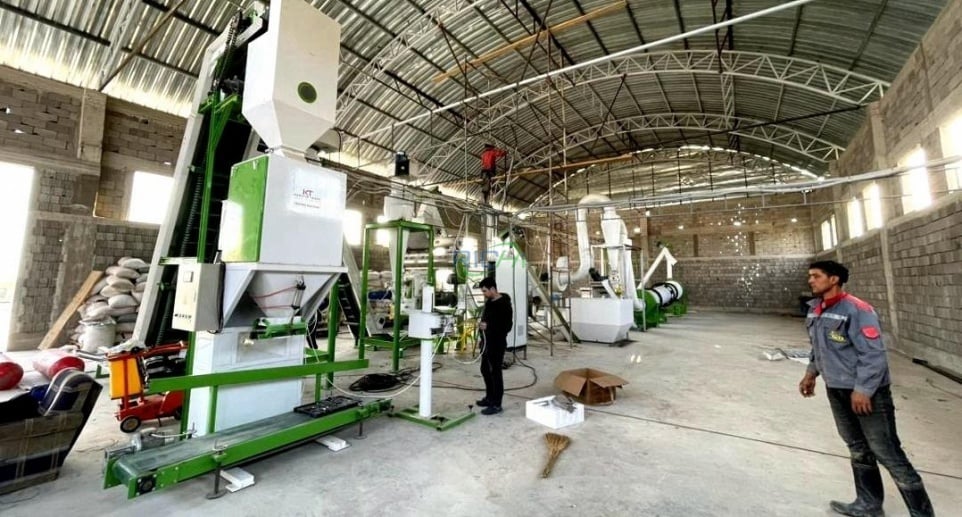
1–2 t/h Straw Pellet Feed Production Line in Russia
This livestock feed production line utilizes 20% straw and 30% forage as raw materials. Through optimized pre-treatment and conditioning processes, it produces feed pellets that offer significant advantages in terms of palatability, compactness, and nutrient retention.
- Pellet Size: 4mm sheep feed pellets and 6mm cattle feed pellets
- Main Equipment: Bale breaker, forage crusher, rotary dryer, livestock feed pellet mill (with double-layer conditioner), cooler, and screening & packaging system
- Straw Pellet Production Line Price: $120,000
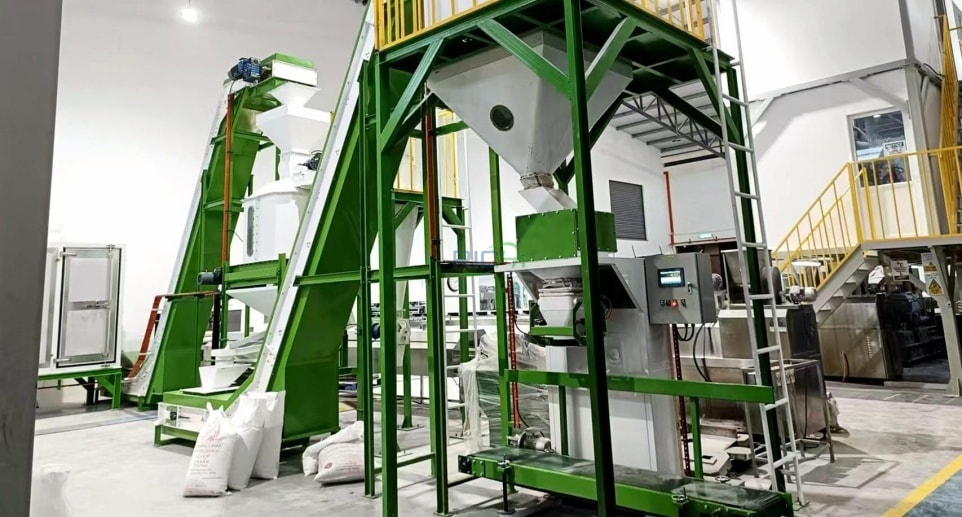
2T/H straw animal bedding production line in Ukraine
A Ukrainian local environmental product company innovatively uses 100% natural straw to make animal bedding pellets. The entire production line incorporates multiple dust-removal stages, ensuring the resulting pellets are low-dust, highly absorbent, and hypoallergenic.
- Pellet Size: 4–8 mm
- Main Raw Materials: Wheat straw, rapeseed
- Key Components: Pulse dust removal system, vibrating screen, dryer, straw pellet mill, straw crusher, cooler, automatic bagging scale
- Price: $180,537
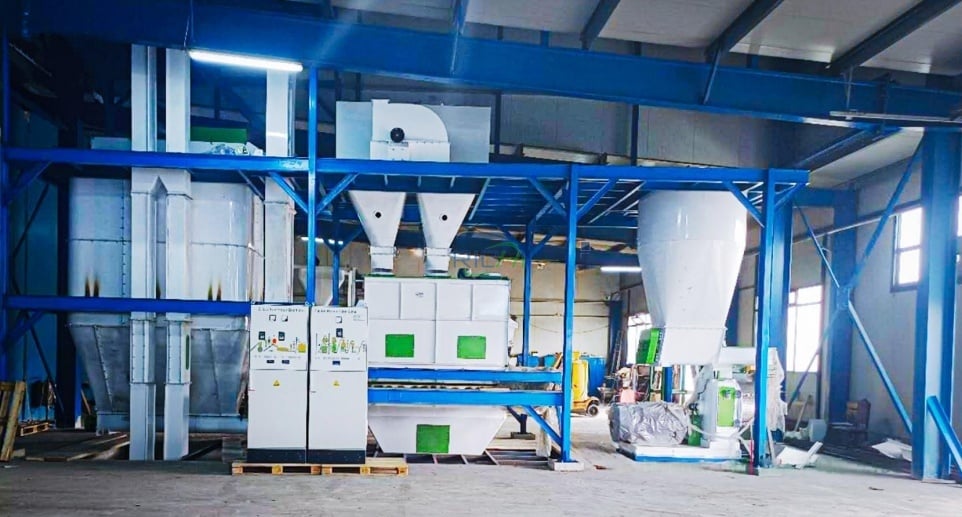
3T/H straw organic fertilizer production line in Mexico
This straw pellet plant integrates fermentation, crushing, mixing, pelletizing, cooling, and packaging, with precise dosing and automated processing for efficient, high-quality production.
- Pellet Size: 4–6 mm
- Main Raw Materials: Chicken manure, corn stalks, wheat straw
- Key Components: Compost turner, fertilizer crusher, waste mixer, organic fertilizer granulator, cooler, vibrating screen, automatic packaging machine
- Price: $350,000
More videos on straw pelletizing
Every straw pellet production line is unique. Our professional team develops customized solutions for each client, based on a comprehensive assessment of their specific raw materials, production capacity, and operational requirements. What remains constant, however, is the ability to deliver high-efficiency production and maintain stable performance even in demanding environments.
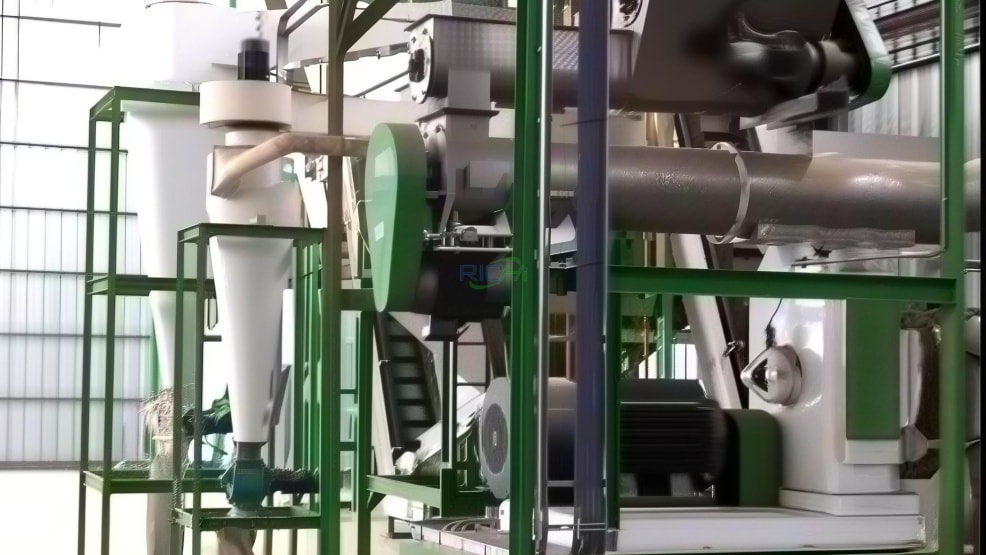
See these advantages for yourself in the video below. (More videos: YouTube)
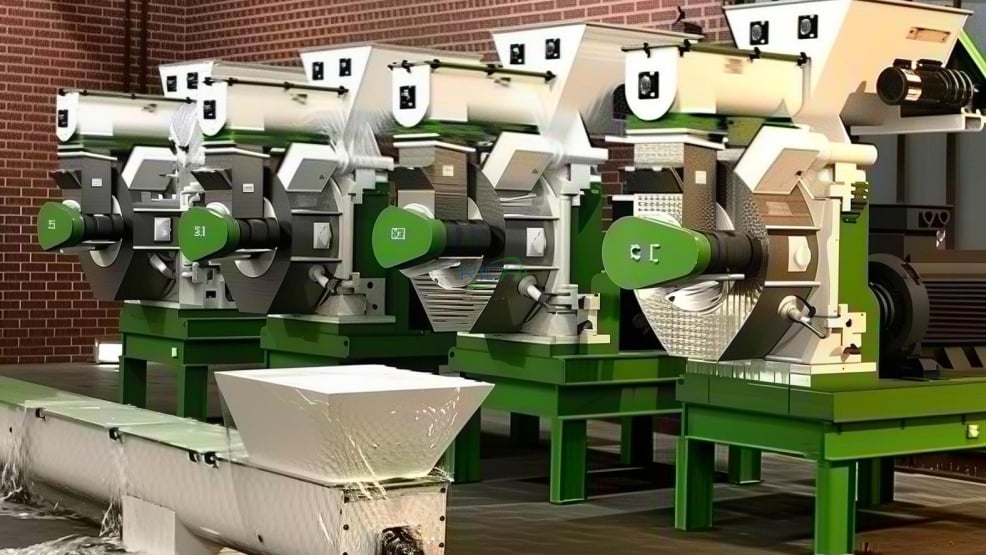
Straw and the Complete Pelletizing Process
A complete straw pellet production line encompasses several processes: cleaning, grinding, drying, mixing, pelletizing, cooling, screening, and packaging. However, the exact production workflow may vary, depending on factors such as the condition of the straw and specific production requirements.
Multiple straw processing solutions
The straw pellet production line is designed to process biomass raw materials of various sizes and conditions—such as corn, wheat, rice, sorghum, cotton, and soybean stalks, as well as peanut vines. RICHI offers raw material testing, using the results to optimize the production process, thereby ensuring high efficiency and consistent pellet quality.
Straw Moisture
When the moisture content of straw exceeds 20%, it typically needs to be air-dried or processed through a dryer to reduce the moisture level to 12%–15% before pelletizing, in order to ensure the quality of the final pellets.
straw size
Whole stalks undergo one or two grinding stages to reach 2–3 mm for efficient downstream processing. If the raw material is already powder, this step can be skipped. The process is tailored to your raw material.
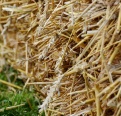
Straw impurities
Not all straw is clean. If straw containing impurities is fed directly into the production line, it can easily damage the equipment; therefore, it is essential to use machinery to remove stones, dust, and metal from the raw material.
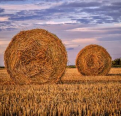
Raw material state
In practical projects, straw is often stored or transported in the form of bales. Consequently, it typically requires bale breaking and shredding before entering the production line.
How to Produce Straw Pellets
Depending on the intended application, straw pellet production lines can be categorized into animal feed production line and biomass pellet production line. The production processes for both types are outlined below.
Crushing Process
The process generally involves two stages: coarse grinding and fine grinding. First, straw bales are cut into smaller pieces, then ground to the appropriate size.
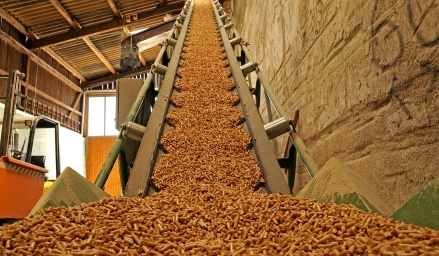
Clean up straw
Using various cleaning equipment removes impurities from straw raw materials, ensuring production safety and product quality.
Drying moisture
The dryer mixes hot air with the raw material, rapidly evaporating moisture from the straw and preparing it for the subsequent pelletizing process.
Mixing process (for feed)
When producing feed pellets, you typically need to thoroughly mix straw with grains, proteins, and premixes to keep pellet composition consistent across every batch.
Making pellets
A straw pellet mill compresses and shapes the raw material. For the production of feed pellets, high-temperature conditioning and cooking are typically also required.
Cooling process
To increase the hardness of the pellets and prevent mold growth, the hot, soft pellets must be sent to a cooler to lower their temperature and remove moisture.
Screening process
The screening machine separates out non-conforming or undersized particles, which are then subjected to a second granulation process to reduce raw material loss.
Pellet packaging
Qualified granules are fed into a packaging scale according to a preset weight, where they are then packaged and sealed.
Dust removal process
A dust collection system captures airborne powder and prevents dust buildup inside machinery, ensuring a cleaner, safer production environment.
High-quality straw pellet making machine
At RICHI, you can find a complete range of durable machinery for straw pellet production. Yet, this is merely the beginning of our partnership. We will support you throughout the entire lifecycle of your equipment—from configuration, production layout, and process integration to addressing any questions that may arise. This is the core of what we do: ensuring that every piece of equipment in your straw pellet production line consistently operates at peak efficiency.
Bale breaker
straw crusher
Feed hammer mill
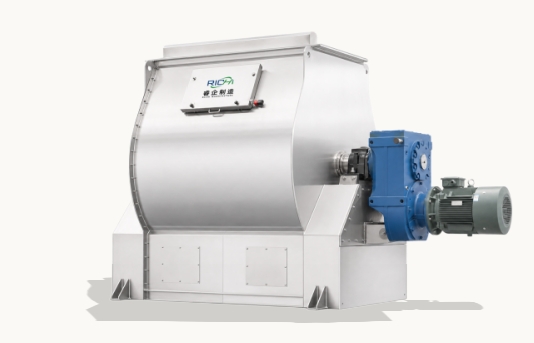
Animal Feed Mixer
Drum dryer machine
Straw Pellet Machine
Straw Feed Pellet Machine
Pellet Cooling Machine
Vibrate Screening
Automatic Packaging Scale
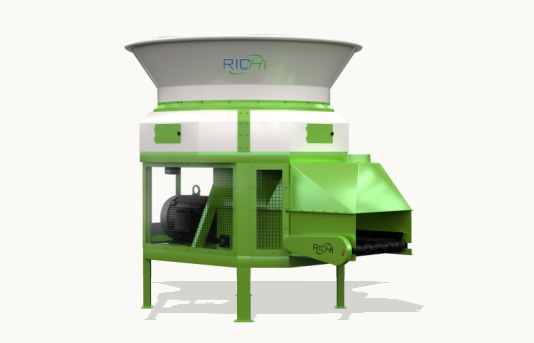
Bale breaker
Breaks up compacted, baled materials. This is primarily used for fibrous raw materials such as straw and forage.
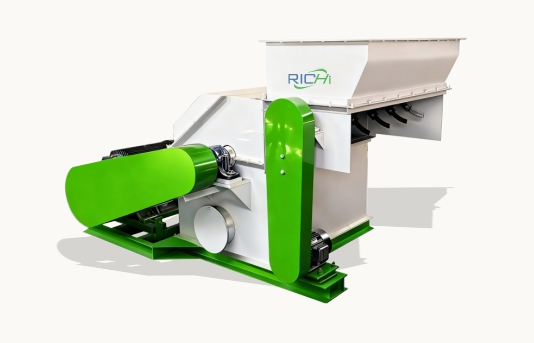
straw crusher
Further pulverize forage and straw-type materials into particles ranging from 0.5 to 20 mm in size.
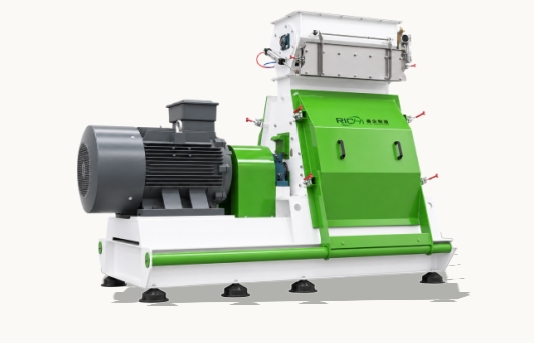
Feed hammer mill
This versatile piece of equipment can pulverize a wide range of materials—such as straw, grain, and wood chips—into powder.
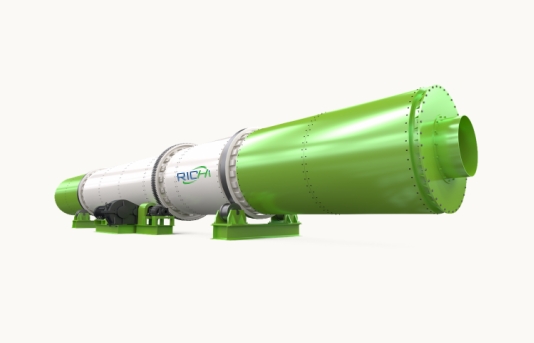
Rotary dryer machine
Suitable for various fibrous, lumpy, or powdery biomass raw materials. Through low-speed rotation, the internal hot air continuously carries away moisture from the material.
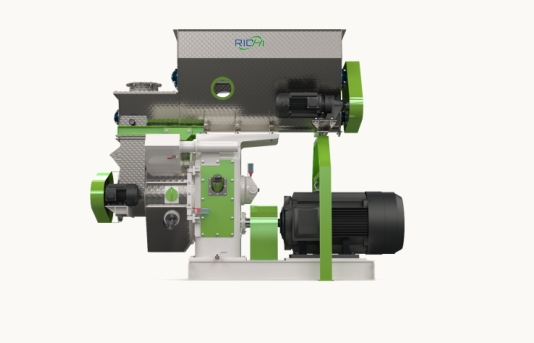
Rotary dryer machine
Featuring an enlarged granulation chamber and increased extrusion force, it is capable of processing agricultural and forestry waste—such as wood chips and straw—into biomass pellets.
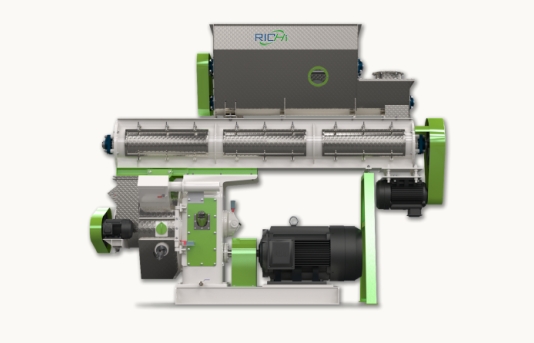
Straw Feed Pellet Machine
It is equipped with an advanced anti-bridging feeding system and a conditioning system, ensuring a better pelletizing experience and higher-quality feed pellets.
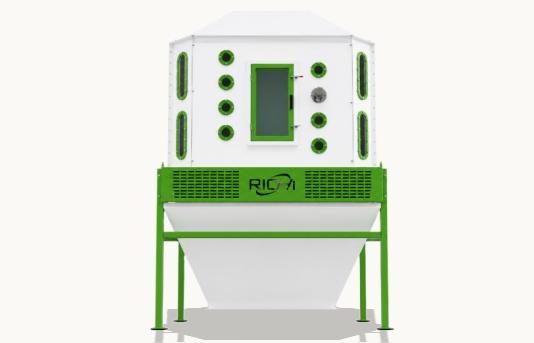
Straw Feed Pellet Machine
Advanced counterflow cooling technology and a gentle discharge system help reduce pellet temperature and moisture within approximately 6–15 minutes while minimizing pellet breakage.
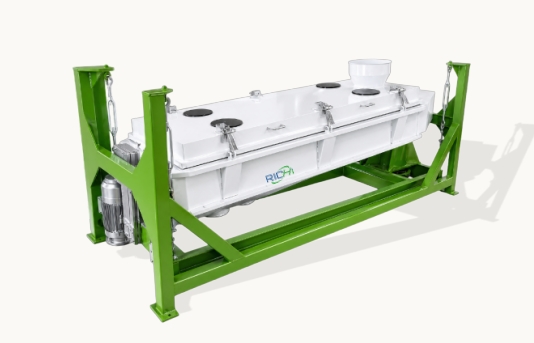
Vibrate Screening
It employs a self-balancing vibration drive mechanism, offering excellent screening performance, a compact footprint, and smooth operation.
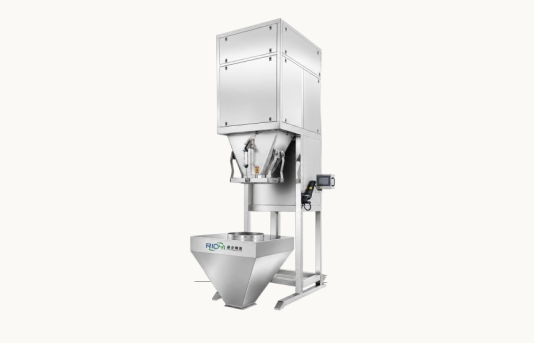
Vibrate Screening
The equipment is equipped with a unique anti-vibration mechanism, ensuring measurement accuracy and enabling rapid packaging.
Building an Efficient Straw Pellet Line
Production Matching
First, determine the target production output, then select and match equipment based on the actual processing capacity of each stage. Typically, a safety margin of 1.1–1.2 times the required capacity is incorporated into the pre-processing section to account for fluctuations in straw moisture content and operational losses.
Reasonable layout
An inefficient layout can lead to excessive transport distances, an increased number of transfer points, material bottlenecks, and higher labor costs. Therefore, when setting up a production line, the goal should be to ensure a unidirectional flow of materials, minimize the required floor space, and facilitate routine maintenance.
Seamless transition
How can different machines work together smoothly? Conveyors, buffer silos, and intelligent PLC systems are essential. They coordinate material transport, buffer capacity fluctuations between processing stages, and monitor and adjust production in real time to ensure stable, continuous operation of the entire straw processing line.
Featured Straw Pellet Production Lines
Here, you can explore various designs for straw pellet production lines. Regardless of the type or condition of the straw you wish to process, the specific kind of straw pellets you intend to produce, your facility layout, or your power supply conditions, we provide the advanced technology, equipment, services, and expertise necessary to ensure your production runs smoothly and efficiently.
1.5-2T/H High Moisture Straw Pelletizing Solution
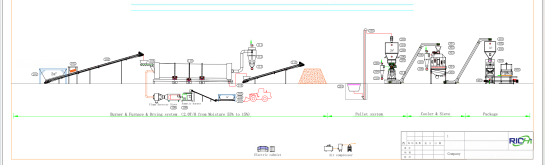
1.5-2T/H High Moisture Straw Pelletizing Solution
Designed for 55% moisture straw, this line uses an integrated drying system to reduce moisture to 15%. With a rotary dryer, hot-air furnace, and cyclone dust collector, plus a 2 t/h capacity margin, it ensures stable drying and minimizes clogging and downtime.

3–4 t/h Dual-Feedstock Pelletizing Solution
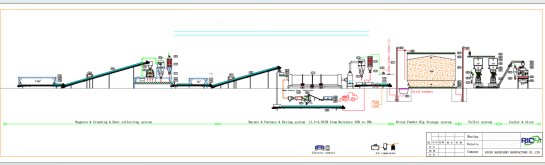
3–4 t/h Dual-Feedstock Pelletizing Solution
This line features separate feeding routes for wet straw and straw powder: wet straw is magnetically separated and crushed, while powder enters a 2 m³ silo before drying. Both can be processed separately or mixed. A 40 m³ dry powder silo buffers material between drying and pelletizing, reducing dryer start-ups and energy consumption.
1-2T/H Straw Animal Feed Production Line
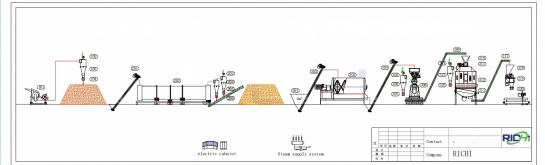
1-2T/H Straw Animal Feed Production Line
Designed for cattle and sheep feed, this compact line features flexible dosing of straw and grass meal separately from grains and additives for easy recipe adjustments. Its 125 m² layout integrates grinding, drying, mixing, pelletizing, cooling, screening, and packaging, ideal for small and medium-sized feed plants.
8–10 t/h Automated Straw Pellet Production
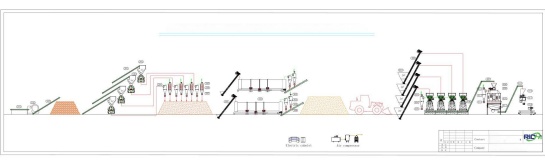
8–10 t/h Automated Straw Pellet Production
This straw pellet production line features parallel shredding, drying, and pelletizing units for flexible capacity adjustment and continued partial operation during maintenance. Ideal for large-scale biomass plants and export-oriented facilities, its intelligent PLC system monitors material levels and adjusts conveying speeds for stable, continuous production.
| Capacity (T/H) | Straw Fuel Pellet Plant Cost (USD) | Straw Feed Pellet Plant Cost (USD) |
| 0.2 – 0.5 | 20,000 – 160,000 | 37,000 – 62,000 |
| 1 – 2 | 39,000 – 270,000 | 80,000 – 200,000 |
| 2.5 – 4 | 78,000 – 430,000 | 190,000 – 400,000 |
| 5 – 8 | 160,000 – 690,000 | 220,000 – 450,000 |
| 10 – 15 | 280,000 – 1,430,000 | 300,000 – 620,000 |
| 20 – 24 | 570,000 – 2,100,000 | 650,000 – 1,100,000 |
| … | … | … |
Straw pellet production line cost
On the left, you can see a typical configuration for a straw pellet production line, with prices ranging from $20,000 to $3 million. This includes the necessary equipment, though the final cost may vary based on the level of automation, the number of units, and the specific production process.
If you would like more detailed information regarding investment costs, production configurations, or other specifics, please feel free to contact us directly. We can provide you with a free price quote, production line layouts, and customized equipment configuration plans.
Our Services
From solution design to long-term after-sales support, we are always there for you.
Consulting and Solutions
Our designers will develop process flowcharts, equipment configurations, and civil engineering plans based on your specific requirements.
Production and Testing
Our 60,000+ m² modern facility uses precision manufacturing and rigorous testing to ensure every machine meets the highest standards before delivery.
Packaging and Shipping
A global transport network and rigorous packaging standards ensure that your straw pellet production line reaches your factory safely and on time.
Installation and Training
A professional engineering team provides on-site support, including installation, commissioning, and professional production training, to help you maximize equipment performance.
Long-term after-sales support
We provide 24/7 after-sales support. Whether you are dealing with equipment malfunctions, need replacement parts, or have any other requirements, our after-sales experts are fully dedicated to assisting you.
Frequently Asked Questions
Here are some frequently asked questions. You can also contact us at any time for answers.
What Raw Materials Can a Straw Pellet Production Line Process?
The RICHI straw pellet production line can process a wide variety of biomass feedstocks. Thanks to its modular design and flexible, adjustable production capabilities, the system offers tailored pelletizing solutions for each specific type of raw material.
- Crop Straw
Wheat straw, rice straw, corn straw, barley straw, sorghum straw, cotton straw, rapeseed straw, etc. - Grasses
Alfalfa, hay, elephant grass, miscanthus, etc.—all of which can be processed according to specific formulations and the intended use of the pellets. - Agricultural Processing By-products
Rice husks, peanut shells, sugarcane bagasse, soybean stalks, etc. Some of these materials can be pelletized individually, while others can be processed in blends. - Other Biomass Feedstocks
Sawdust, wood shavings, bamboo chips, and various other plant-based waste materials suitable for compression molding.
It is important to note that the moisture content, particle size, and physical state of the raw materials must be strictly controlled, as these factors directly influence the quality of the final pellets and the overall production efficiency.
Can a single production line produce both straw feed pellets and biomass fuel pellets?
Crop straw can be processed into both animal feed pellets and fuel pellets. However, the two products require different processing techniques and quality standards. Feed production focuses on raw material formulation, nutritional value, and hygiene and safety, whereas fuel production prioritizes raw material moisture content, pellet formation quality, and combustion performance.
Therefore, while some equipment may be shared, we recommend configuring the processing machinery and production processes according to the intended end-use of the product. If you plan to manufacture both types of products in the same facility, employing relatively independent production lines will help minimize cross-contamination and provide greater flexibility for adjusting production schedules.
How large a factory space is required to set up a production line?
The factory floor space required for a straw pellet production line depends on the production scale, equipment configuration, raw material storage capacity, and the level of automation.
You should not consider only the footprint of the production line itself; the facility must also provide space for raw material storage, finished product storage, material handling, and equipment maintenance. Below are some reference values for floor space based on different production capacities. If you would like more detailed information, please feel free to share your specific requirements.
| Production Capacity | Reference Factory Area |
| 1–2 T/H | 300–500 m² |
| 3–4 T/H | 300–700 m² |
| 5–7 T/H | 400–800 m² |
| 8–10 T/H | 800–2,000 m² |
How to Set Up a Straw Production Line
Here are some investment suggestions.
Determine raw materials
Determine the type, form, and physical properties of the raw materials. This will influence the basic equipment configuration and process flow.
Target output
Determine hourly or daily production requirements based on market demand and budget, and align equipment capacity accordingly.
Product Requirements
Determine whether you will produce fuel pellets, feed pellets, or other products, as well as the required pellet size and hardness, to guide the production process and equipment settings.
Automation level and site
Consider your available workshop space, power supply, and labor costs to determine the equipment layout and level of automation, from semi-automatic to fully automatic operation.
Reliable Brand
A professional straw pellet production line manufacturer possesses extensive experience and a comprehensive after-sales service system, ensuring the long-term, stable operation of a straw processing production line.
Can a straw pellet production line be configured using existing equipment?
Yes. RICHI can customize your straw pellet production line around your existing equipment, saving you the cost of purchasing an entirely new set of machinery.
We evaluate your existing equipment’s model, capacity, condition, and technical specifications to determine how to integrate it into your new production line. Then we configure the necessary additional equipment to match your target output, ensuring a seamless and efficient production process.
Before we begin the design phase, please provide details regarding your existing equipment (such as model, capacity, and technical specifications), as well as information on your raw materials, target production output, and the intended use of the pellets. We will use this data to assess equipment compatibility and optimize your production workflow, helping you avoid unnecessary capital expenditure.

