

feed
Silage Feed Pellet Machine
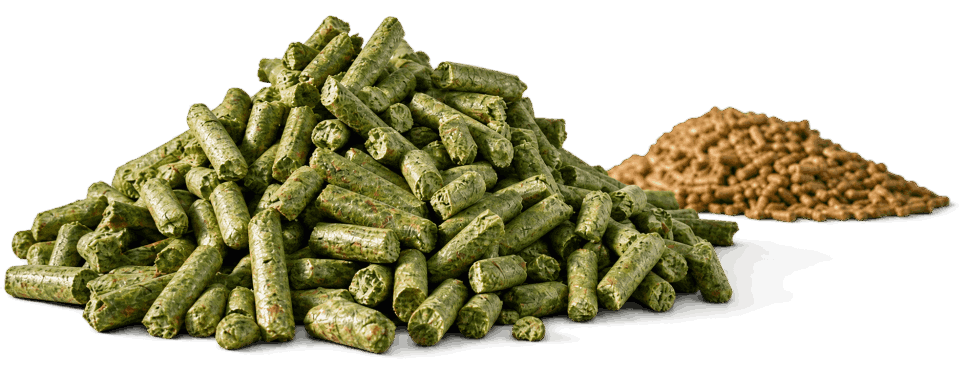
Silage pelleting machines excel at processing loose silage into compact, uniform pellets, making them particularly suitable for producing feed for ruminants such as cattle, sheep, and horses.
Here, you can find pelleting machines with capacities ranging from 0.5 to 40 tons per hour, as well as complete feed pelleting solutions designed to meet needs ranging from small-scale farms to commercial feed production.

What is a silage feed pellet machine?
The silage feed pellet machine is a highly automated piece of equipment that is easy to operate and capable of stable, continuous pellet production.
High-quality silage feed pellet machine for sale
As specialized processing equipment, silage pellet machines effectively address the challenges of difficult transport and high wastage associated with traditional silage. Utilizing advanced physical extrusion technology, these machines process various silage raw materials into pellets ranging from 2 to 12 mm in size. With a molding rate as high as 98%, the volume is reduced by more than 70% for the same weight. For commercial feed manufacturers, this undoubtedly greatly reduces transportation and storage costs.
More importantly, silage pellets are delicious and help improve animal feed utilization. This is thanks to its conditioning system, which, under high-temperature steam, can bring out the aroma of the forage itself, making it less picky for animals to eat.
0.5-40T/H
2- 12 mm pellet
$75,00-$100,000

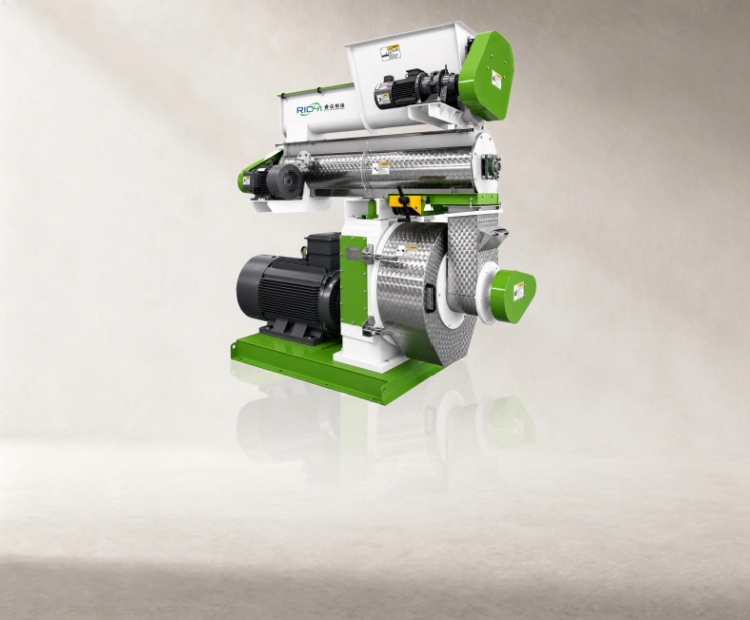
The silage feed pellet machine offers excellent versatility. Whether you wish to produce pure silage or compound silage pellets, we can tailor a production solution to fully meet your specific requirements.
Real video of silage feed pellet machine
To give you a clearer understanding of how a silage feed pellet machine works and its actual performance during pellet production, we have included videos of three real-world projects showcasing specialized production solutions tailored to different requirements. You may find a similar case study here to serve as a reference. Additional videos are available on YouTube.
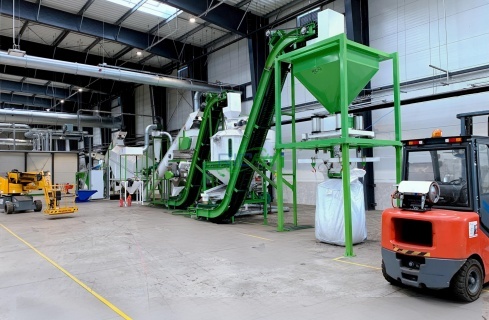
3T/H Silage Feed Pellet Machine in Germany
With efficient pelletizing performance and a customized configuration, the machine helps customers process silage into quality feed pellets for cattle, sheep, and other livestock.
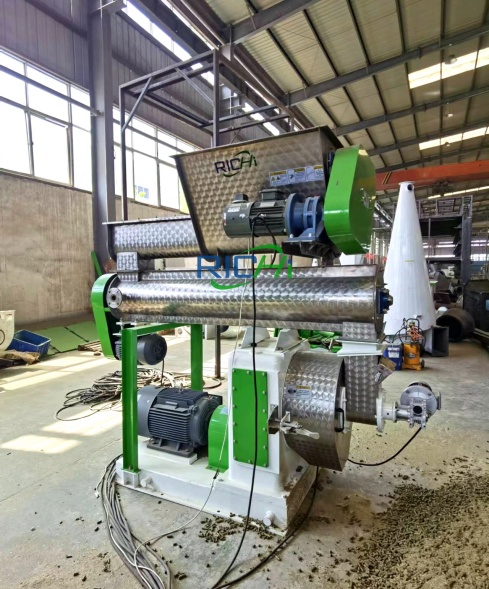
Silage Pellet Machine Test Run
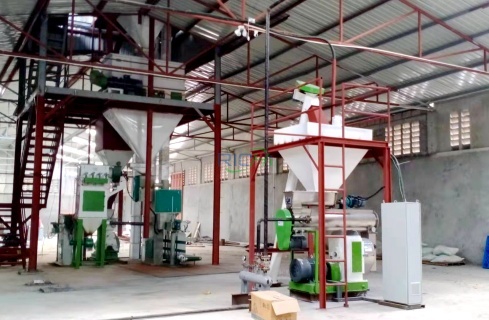
1-2T/H Silage Pellet Production Line in Kenya
This project in Kenya is designed to process silage into compact, uniform pellets for convenient storage, transportation, and livestock feeding.
Which silage feed pellet machine is right for you?
Based on our experience with thousands of silage pelletizing projects, we have gained a deep understanding that the final pellet output is closely linked to the condition of the raw material. Generally speaking, the higher the forage content in the silage, the more difficult the pelletizing process becomes, resulting in a lower output. To meet the diverse feed formulation requirements of our customers, we have introduced the following two types of silage feed pellet machines; you can choose the one that best suits your specific needs.
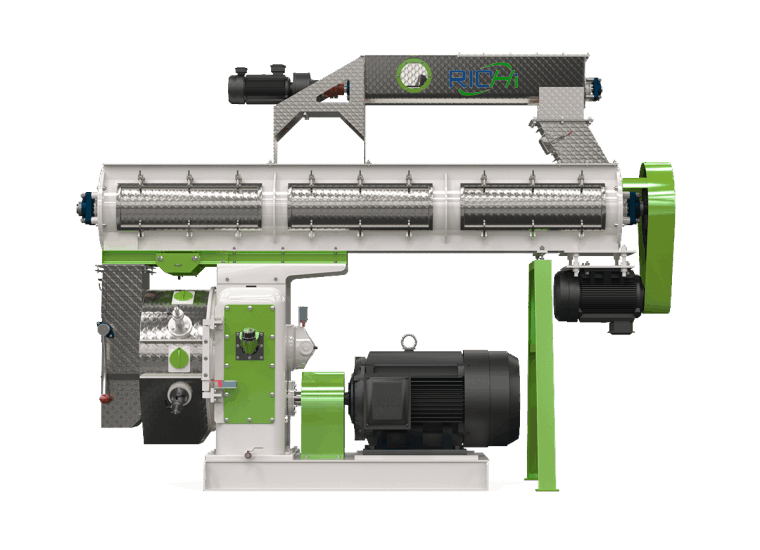
Silage Grass Pellet machine for sale
Capacity: 0.5–8 T/H
Power: 22-250kW


Features and advantages of Silage feed pellet machine
Once you have selected a suitable silage pellet mill, you should also examine the equipment’s component configuration and structural design, as these factors directly determine its ability to operate reliably over the long term.
RICHI silage feed pellet machines have passed international quality testing. Their durability, production stability, and operational safety are all well-proven. If your schedule permits, visiting the factory in person for an on-site inspection is an excellent option.
Highly adaptable
Feeding is uniform, and the feed amount is controllable. Suitable for various silage feed formulations.
Variable-frequency feeder
A variable-frequency feeder at the feed inlet adjusts the feeding speed according to different raw material characteristics and operating conditions, ensuring that materials enter the granulation chamber evenly and smoothly.

Good pellet quality
The pellets are uniformly formed with a compact structure.
Conditioner
The extended conditioner provides ample space for the material to undergo thorough cooking and gelatinization. Internal paddles continuously toss the material, ensuring complete mixing with high-temperature steam and fully bringing out the silage flavor.
Durable and long-lasting
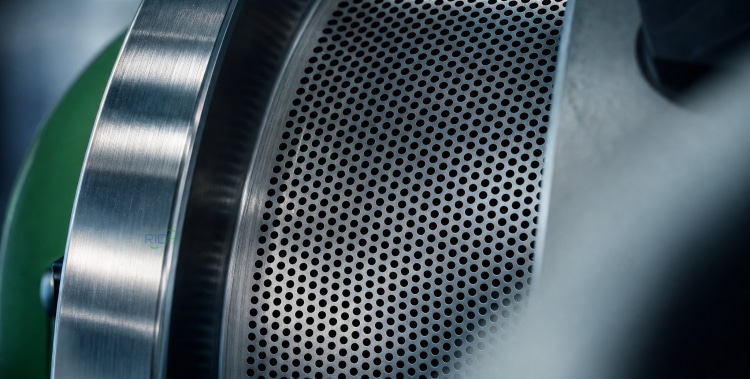
The ring die, cutter, and pressure roller are made of 42CrMo alloy. Highly wear-resistant and do not require frequent replacement.
Ring Die and Rollers
The ring die and rollers compress the material against each other to form dense, compact silage pellets. We upgraded the material of two components to highly wear-resistant alloy steel, which undergoes carbon heat treatment for a longer service life.

High Efficiency and Low Energy Consumption
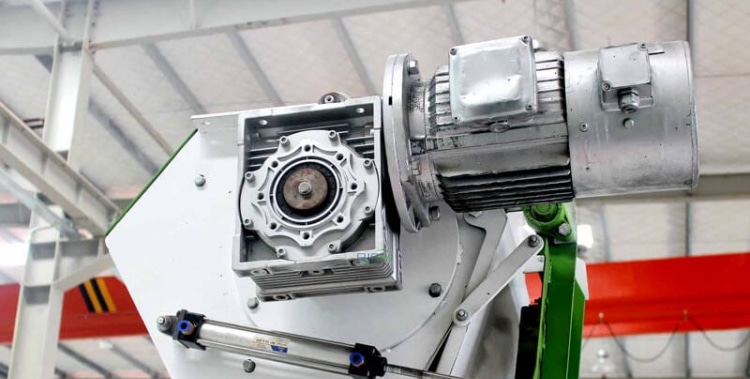
The drive system utilizes a high-efficiency motor and a reliable gearbox, minimizing energy loss
Gearbox
High-precision gear transmission with no slippage. Compared to belt drives, it boasts an efficiency exceeding 95%. Suitable for long-term continuous production.
Easy to maintain
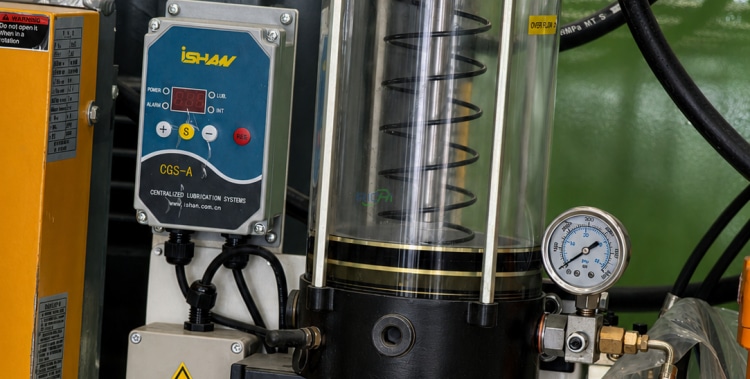
The silage feed pellet machine adopts a modular design, making it easy to replace and maintain key components.
Automatic lubrication system
The automatic lubrication system delivers precise amounts of lubricant at scheduled intervals, allowing the machine to operate continuously without shutdown.

Operational Safety
Thickened steel plates and a safety protection system provide maximum protection for the equipment and operators. They effectively reduce energy costs.
Safety pin
When the equipment operates under overload conditions, the safety pin automatically shears, triggering the main switch to shut down and thereby protecting critical components.
Applications of silage feed pellet machines
Silage pellet mills process fermented silage by compressing it into pellets—either as pure silage or as part of a mixed feed formulation. This type of feed is convenient to use and offers high digestibility and absorption rates. Furthermore, the dense pellet structure makes it an ideal choice for commercial-scale operations, facilitating both storage and transportation.
This is precisely why this equipment is highly favored by both livestock farms for their own use and professional feed manufacturing plants.
Silage feed pellet machine specifications
Below are the specifications for two types of silage pellet mills for your reference. Of course, if the standard models do not meet your requirements, you can contact our sales team directly, and our specialists will help you create a customized solution.
CZLH silage feed pellet machine
| Model | SZLH250 | SZLH320 | SZLH350 | SZLH420 | SZLH508 | SZLH558 | SZLH678 | SZLH768 | SLZH858 |
| Main Motor Power (kW) | 22 | 37 | 55 | 110 | 160 | 185 | 250 | 315 | 355 |
| Feeder Power (kW) | 1.1 | 1.5 | 1.5 | 1.5 | 1.5 | 1.5 | 1.5 | 2.2 | 2.2 |
| Modulator Power (kW) | 1.5 | 4 | 4 | 7.5 | 7.5 | 11 | 11 | 11 | 15 |
| Die Inner Diameter (mm) | 250 | 320 | 350 | 420 | 508 | 558 | 673 | 762 | 858 |
| Finished Pellet Diameter (mm) | 2~12 | ||||||||
| Output (T/H) | 1.0-1.5 | 3-4 | 5-6 | 10-12 | 15-16 | 20-22 | 30-33 | 38-40 | 40-45 |
SZLH silage feed pellet machine
| Model | CZLH320 | CZLH350 | CZLH420 | CZLH520 | CZLH678 | CZLH768 |
| Main Motor Power (kW) | 22 | 37 | 90 | 132 | 200 | 250 |
| Arch-Breaking Feeder Power (kW) | 2.2 | 2.2 | 3 | 3 | 3 | 4 |
| Forced Feeder Power (kW) | 0.75 | 0.75 | 1.5 | 1.5 | 1.5 | 1.5 |
| Die Inner Diameter (mm) | 320 | 350 | 420 | 520 | 673 | 762 |
| Finished Particle Diameter (mm) | 4~12 | |||||
Global Cases of silage feed pellet machines
The silage feed pellet machine is not a new product. It has already been operating reliably across more than 2,000 projects.
No two projects are alike. The RICHI team conducts a comprehensive assessment of each client’s raw materials, production needs, and product specifications before finalizing a production plan. As a result, each project achieved results far exceeding the initial plan and resulted in continuous repeat purchases from clients.
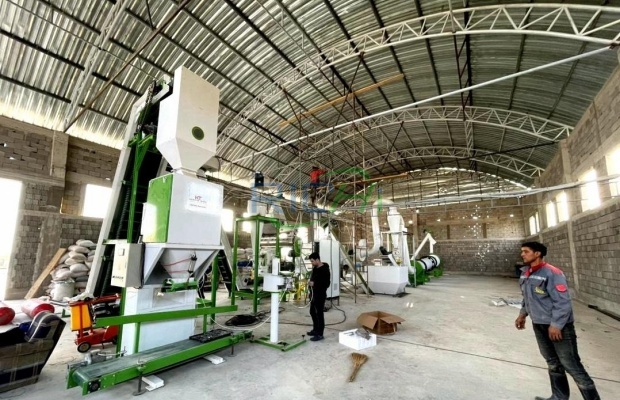
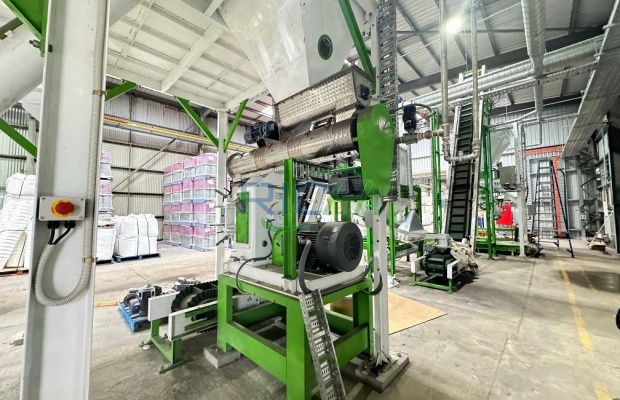
1–2 t/h silage animal feed pellet machine in Uzbekistan
Natural pastures in Uzbekistan yield low amounts of forage. The client aims to produce complete mixed feed pellets by combining silage with corn and soybean meal, ensuring a year-round feed supply for cattle and sheep. This production line utilizes a small-scale silage pellet mill equipped with an 8mm ring die to manufacture nutritionally balanced, durable feed pellets.
- Client Type: Farm Cooperative
- Pellet size: 8mm
- Main Raw Material: Alfalfa silage and corn silage, plus grain concentrates such as corn, soybean meal, and wheat bran. Forage accounts for 50%–80% of the diet.
- Main Equipment: SZLH320 silage cattle feed pellet machine, ribbon mixer, teardrop-style hammer mill, cooler, and bagging scale.
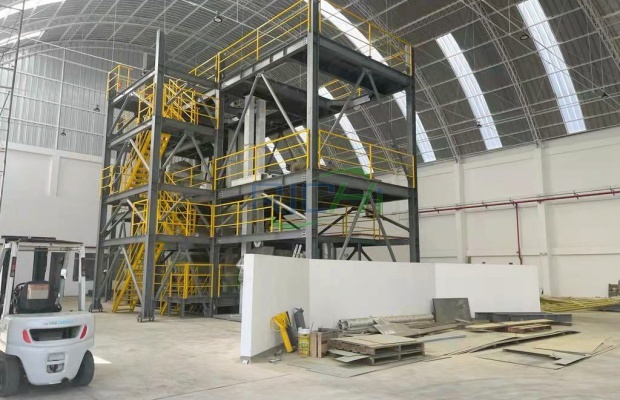
3T/H silage feed pellet machine in Argentina
This client owns a livestock farm and is planning to set up a small-scale feed mill to produce 6–8 mm feed pellets for cattle and sheep. A portion of the output will be used for daily feeding, while the remainder will be sold to generate additional revenue. To increase output, the equipment is equipped with a conditioning system to make extrusion easier.
- Client Type: Small-scale feed processing plant
- Main Raw Materials: Corn silage, alfalfa silage, corn, soybean meal, vitamin premix
- Pellet Size: 6-8mm cattle and sheep feed pellets
- Solution Highlights: We arrange the granulation, cooling, and screening stages vertically to minimize the overall footprint and accommodate the client’s limited factory space.
5–6 t/h silage feed pellet making machine in Brazil
This silage production line is designed to suit the high-temperature, humid environment of the workshop. The silage pellets for cattle features an anti-rust and anti-corrosion coating to ensure the casing remains rust-free. Additionally, the gearbox utilizes a multi-layer sealing system to prevent the ingress of humid air and dust.
- Client Type: Forage processing plant
- Main Raw Materials: Whole-plant corn silage, sweet sorghum silage, and sugarcane bagasse. Forage accounts for 75%–90% of the diet. Small amounts of molasses and minerals are added.
- Pellet Size: 6- 8 mm
- Main Equipment: Bagasse pellet machine, forage grinder, rotary dryer machine, cooler, spraying machine, automatic packaging system
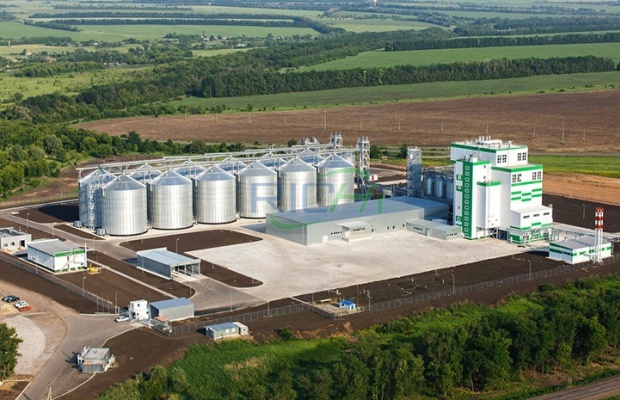
8–10 t/h silage feed pellet mill in the USA
An intelligent PLC system controls the fully automated livestock feed pellet production line and monitors operations at every stage. The line uses two silage pelletizers to maintain partial production capacity even if one unit malfunctions, minimizing production interruptions.
- Client Type: Agriculture and Animal Husbandry Group
- Main Raw Materials: Whole-plant corn silage blended with alfalfa silage, wheat straw, corn, and soybean meal.
- Pellets: 8mm
- Main Equipment: Silage Crusher → Pulverizer → Mixer → Silage feed pellet machine → Counterflow Cooler → Screener → Automatic Quantitative Packaging Machine
What is your silage raw material?
Silage feed pellet machines overcome raw material limitations, enabling the production of silage pellets, mixed silage pellets, and pellets based on complex silage formulations.
In actual production, in order to ensure the best granulation effect, the raw materials need to be pretreated to ensure that their moisture content, size, and state are within the ideal range.
If you are unsure how to pelletize your specific raw materials, please feel free to contact the RICHI team for professional advice and tailored solutions.
Corn silage
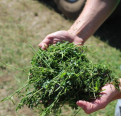
Alfalfa silage
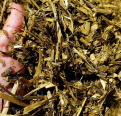
Straw silage
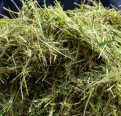
Sorghum silage
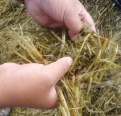
Oat silage
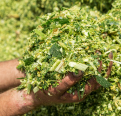
Elephant grass silage
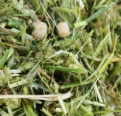
Cereal-legume mixed silage
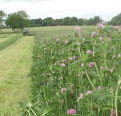
Clover silage
Moisture content of silage raw materials
The moisture content of silage raw materials ranges from 40% to 70%.
Feeding these materials directly into the silage feed pellet machine can cause clogging. Therefore, a drum dryer typically reduces the moisture content of the raw materials to a suitable level before pelletizing. Practical production experience has shown that a moisture content of 13–15% is ideal.
Silage raw material size
Before producing silage pellets, raw materials of substantial length generally need to be ground into a powder with a particle size of 2–3 mm. This process is usually not accomplished in a single step. Silage materials such as corn stalks and alfalfa can range from 0.7 to 3 meters in length. Generally, we first use a chaff cutter to break the material into pieces before it enters the hay shredder to form powder.
Diverse application scenarios
Finally, when designing the granulation process, we must also consider the condition of the raw materials—including particle size, the mixing ratio of silage to grains, and impurity levels. Specific data on these factors can be obtained through raw material analysis. Ultimately, we will evaluate these material characteristics to configure the appropriate equipment for your needs.
How to Produce Silage Feed Pellets
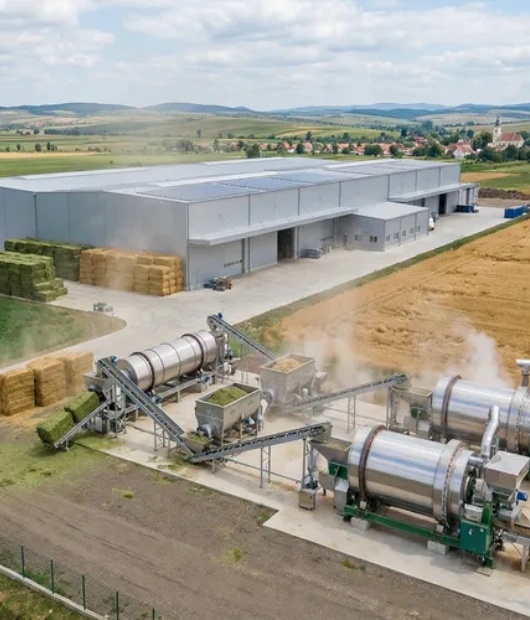
For manufacturers who want to professionally produce silage pellets, they need more than just a professional silage feed pellet machine. Typically, a complete production line needs to be built, encompassing cleaning, crushing, mixing, cooling, screening, and packaging, to meet continuous production requirements.
Outlined here is the standard process flow for a silage pellet production line, though it may not suit every specific requirement. The best approach is to contact our team directly to receive a customized pelletizing solution tailored to your specific needs.
Cleaning process
Raw Material Crushing
Raw material mixing
Pelletizing Process
Pellet Cooling
Screening step
Pellet Packaging

Cleaning process
This step removes dust, stones, and other contaminants from the silage material. RICHI offers various cleaning equipment options to ensure the safety and cleanliness of the entire pelletizing process.

Raw Material Crushing
Depending on the length of the raw materials, one or two crushing processes will be configured here. Ultimately, the material is ground into a powder with a particle size of 2–3 mm.

Raw material mixing
We manufacture professional animal feed mixer machines capable of thoroughly blending silage and grains in a short amount of time, ensuring consistent composition in every batch.
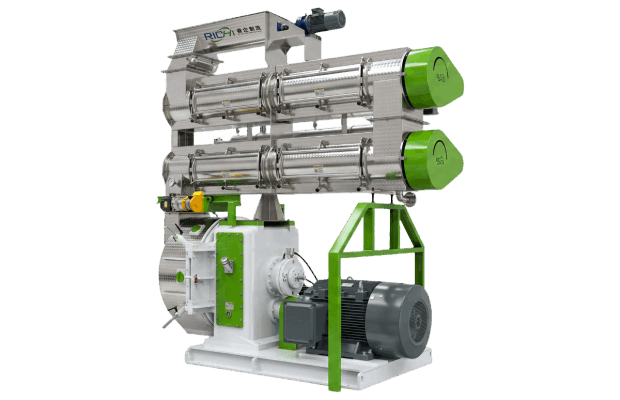
Pelletizing Process
The silage feed pellet machine conditions, extrudes, and cuts the material, ultimately producing compact, burr-free feed pellets.

Pellet Cooling
We recommend that you use a professional pellet cooling machine. It utilizes a counter-flow cooling process to cool and harden the pellets within 6 to 15 minutes, facilitating storage and transportation.

Screening step
Subsequently, to minimize the presence of fine particles and powder, a screening step is performed prior to packaging. The primary objective is to collect the fines from the granules and re-granulate them.

Pellet Packaging
Finally, the granules are bagged and sealed, ready for use, transport, and storage. We offer both automatic and manual packaging equipment.
Why Choose RICHI?
By choosing RICHI Machinery, you work with a manufacturer with over 30 years of experience in equipment production and gain a reliable long-term partner. We provide affordable and transparent pricing, along with efficient and comprehensive after-sales service, so you can carry out your feed production with confidence.
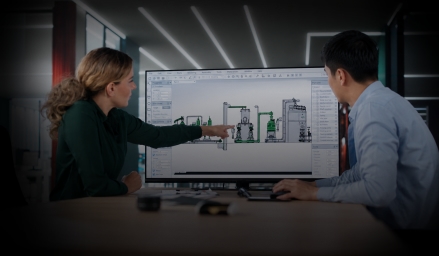
Customized design
RICHI has a dedicated R&D and design team to provide you with customized services. We will conduct a comprehensive assessment of your requirements regarding raw materials, production capacity, and pellet type to ensure that all equipment configurations and production processes meet your actual needs.
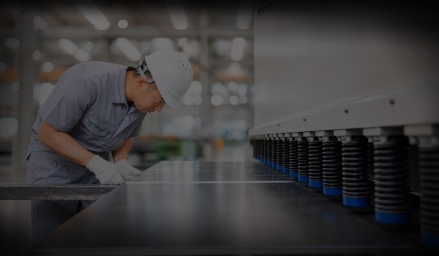
High-quality equipment production
We own two modern intelligent manufacturing bases and operate a strict quality control system. Every piece of equipment meets international first-class standards. The company has passed BV certification, ISO9001 International Quality Management System Certification, European CE Certification, and Swiss SGS Certification, among others.

Excellent after-sales service
After the silage feed pellet machine arrives, our professional engineers will assist with installation and commissioning. They will also provide one-on-one operation training until your team can operate it proficiently.
More best-selling grass pellet machines
As a professional equipment manufacturer, we produce pelletizing equipment for various types of grass. Below are some of our best-selling models. Like silage feed pellet machines, they have undergone rigorous testing against international standards and are capable of efficient, continuous production.
Frequently Asked Questions
Here are some frequently asked questions. You can also contact us at any time for answers.
How much does a silage feed pellet machine cost?
The price of a silage pellet mill ranges from $7,000 to $10,000. Generally, high-capacity models with complex configurations are priced slightly higher. To receive a detailed quote, the best approach is to inform us directly of your requirements; we will provide a quotation and equipment specifications within one day.
How to Choose the Right silage feed pellet machine?
You may want to consider the following questions:
- What are the raw materials? (e.g., mixed silage vs. a single ingredient; the physical state of the materials)
- What is the target production output? (Consider daily operating hours and plans for future capacity expansion)
- What are the requirements for the finished product? (e.g., pellet diameter, hardness, length)
- What is the investment cost? (Consider not only the purchase price of the machinery but also long-term maintenance and operating costs)
- Do you need a standalone pellet mill or a complete feed production line? (This decision should be based on the nature of the raw materials and production needs to avoid under-equipping or over-investing)
Finally, share your answers with a professional equipment manufacturer; leverage their expertise and experience to obtain a suitable solution.
Are silage pellets fragile? How long can they be stored?
Silage pellets undergo conditioning and high-pressure extrusion, resulting in a final fines content of less than 8%. After cooling, they can withstand long-distance transport without significant breakage.
If you wish to store the product, you can seal it to prevent moisture, which will extend its shelf life to 6-12 months.
Is it possible to pelletize a mixture of silage, corn flour, and soybean meal?
Certainly! It is also highly suitable for producing complete feed for cattle and sheep. Generally speaking, the higher the proportion of silage, the more difficult it is to form the pellets.
To ensure the various ingredients are mixed thoroughly, we recommend using mixing equipment.
What routine maintenance is required for silage feed pellet machines?
To ensure stable operation, you can check the lubrication of the silage pellet machine’s rollers, clear away any residual material, and regularly lubricate the main bearings during each shift.
The silage feed pellet machine comes with a 12-month warranty; during this period, you can contact our after-sales team directly regarding any malfunctions not caused by human error. Even after the warranty period expires, you can still receive our lifetime technical support.

