
Shatter
Pellet Cooling Machine
Production capacity
1–40T/H
Production capacity
1.5–2.2KW
Using a counter-flow heat exchange process, the pellet cooling machine rapidly cools freshly produced hot pellets, resulting in compact, crack-free pellets that are convenient for subsequent transport, storage, and use.
It is currently widely used in production lines for feed pellets, biomass pellets, organic fertilizers, and cat litter pellets.


Livestock feed pellets

Chicken feed pellets

Wood pellets

Grass pellets

Organic fertilizer granules
Cat litter

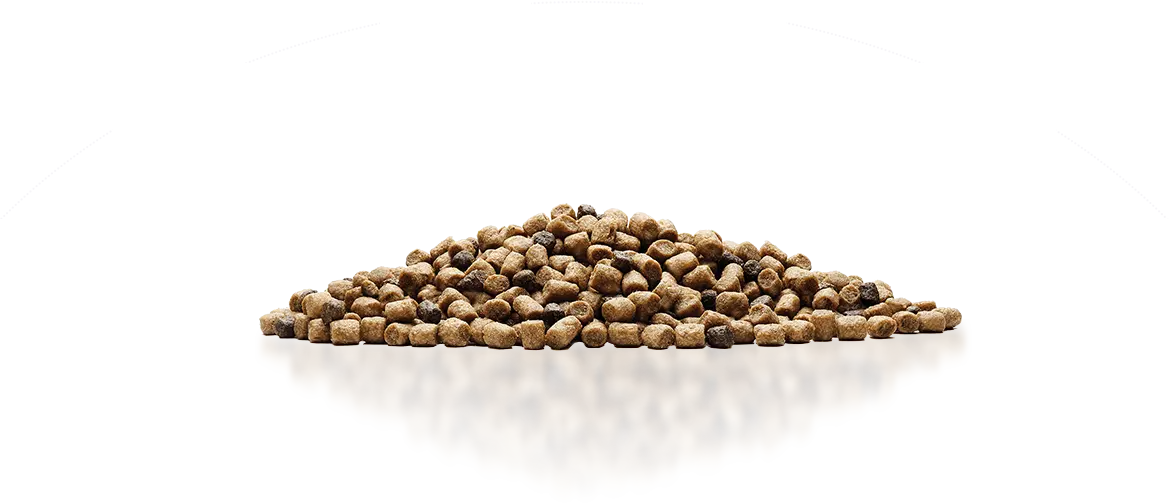
Pet food pellets

Aquatic feed pellets
What is a pellet cooling machine?
Currently, there are three main types of pellet cooling machines: vertical, horizontal, and counter-flow. Thanks to advantages such as high automation, high efficiency, and low residual levels, the counter-flow cooler has become the mainstream choice for feed mills. This article focuses on introducing this high-quality piece of equipment.
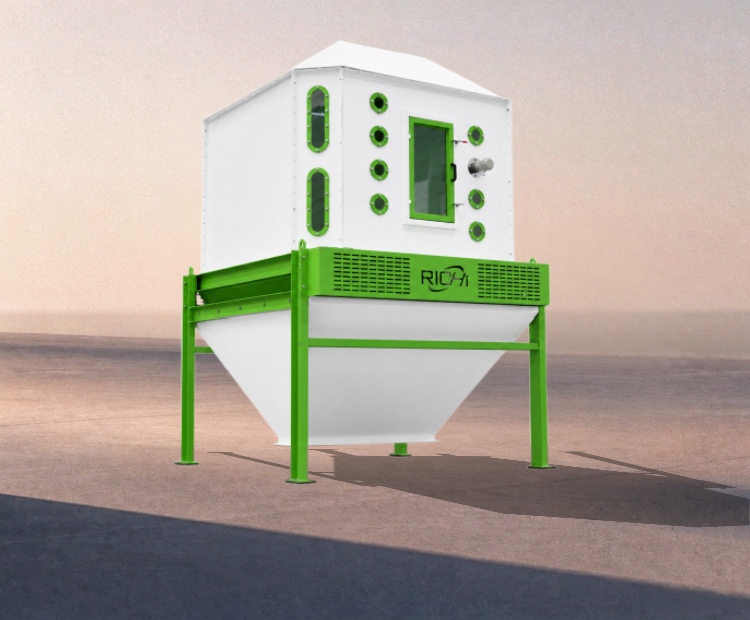
High-efficiency pellet cooler for sale
Pellet coolers play an important role in the post-processing stages of feed, biomass, and organic fertilizer production lines. Capable of rapidly reducing both the temperature and moisture content of the pellets, they not only enhance pellet hardness but also prevent mold growth during subsequent storage, making them a critical piece of equipment for ensuring pellet quality.
Significant cooling effect
After cooling, the pellet temperature can be controlled to within ±3–5°C of room temperature.
Low pellet breakage
Flexible discharge design minimizes impact-induced pellet breakage.
High efficiency
Cooling time typically takes only 6–15 minutes.
Easy to maintain
Octagonal design minimizes material residue
Sturdy and Durable
Key components are made of wear-resistant stainless steel, ensuring a long service life.
Customizable
We tailor the equipment configuration and production plan to meet specific production requirements.

Videos related to pellet cooling machines
The video below shows the pellet cooler in operation on-site. This allows you to gain a direct, realistic view of the machine’s operational stability, the quality of the produced pellets, and its performance after installation, rather than relying solely on surface-level data.
Different cooler videos
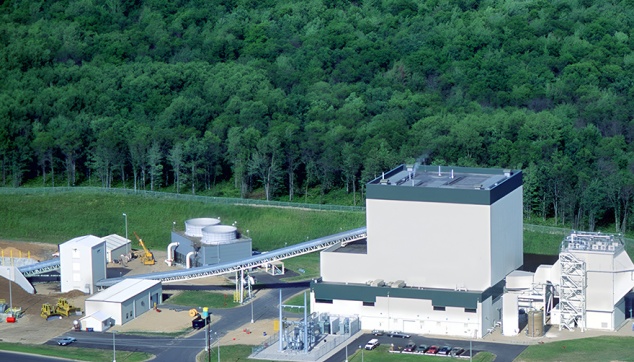
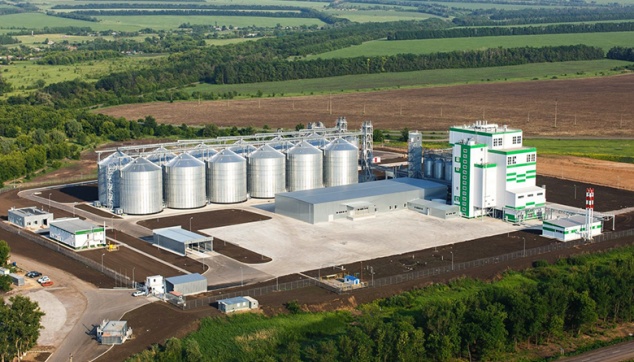
Shown here are the operations of a cat litter cooler in Malaysia, an animal feed cooler in Oman, and a wood pellet machine in Türkiye.


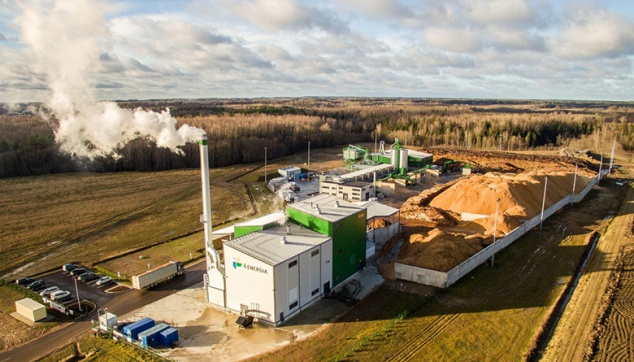
‹
›
Pellet cooling machine Core components
The pellet cooling machine primarily consists of components such as a feeder, cooling chamber, discharge mechanism, and inspection ports. Through repeated validation across multiple projects, the equipment’s structure and materials have undergone targeted upgrades to ensure long-term, stable, and highly efficient production.
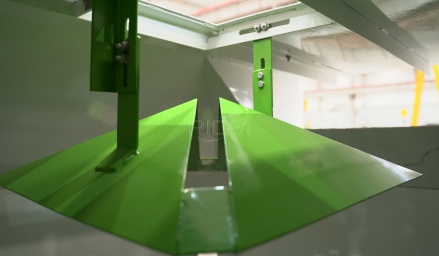
Adjustable material distribution plate
The material distribution plate utilizes a fixed conical body and adjustable angled guide rails to disperse hot granules into different zones, thereby preventing localized material accumulation.
Durable Level Sensor
This high-temperature-resistant level sensor has integrated cooling fins and operates reliably from -10°C to 200°C. It uses a mechanical switching mechanism to monitor material levels inside the silo in real time, offering greater accuracy than infrared sensing designs.
Unique cooling system
The cooling airflow moves counter-current to the hot air and material, allowing the granules to cool and harden within a very short time.
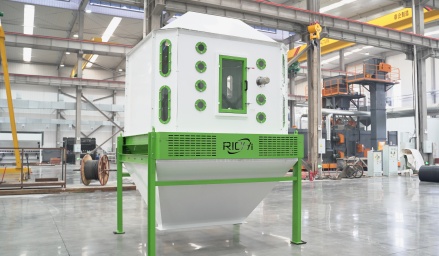
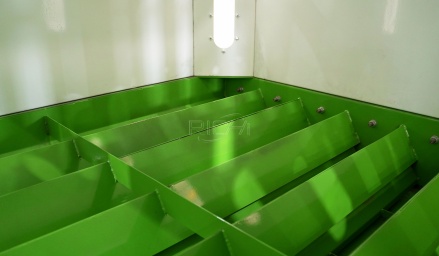
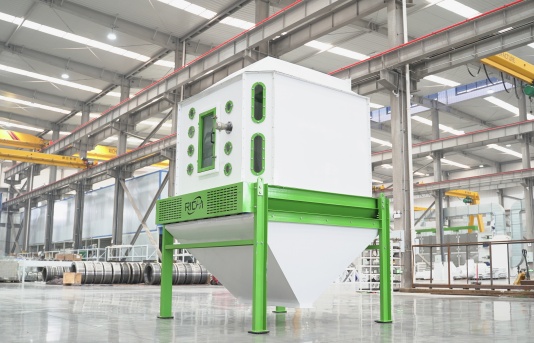
Octagonal housing
This pellet cooling machine features an octagonal housing with more inclined surfaces, which helps reduce material buildup and simplifies routine maintenance.
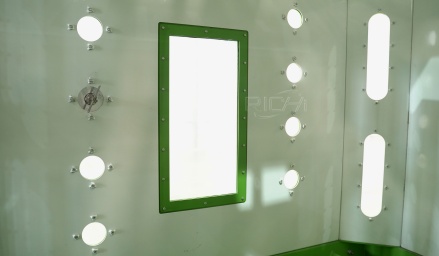
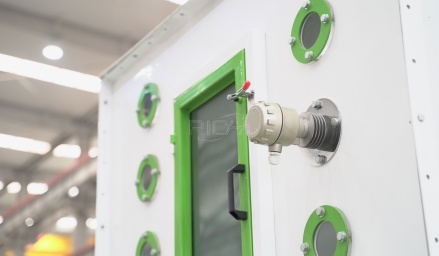
Inspection and observation port
The equipment features multiple observation windows and access doors, facilitating routine inspections and troubleshooting.
‹
›
Different types of pellet cooling machines
In fact, depending on the structure of their discharge mechanisms, pellet cooling machines can be broadly categorized into three types: flap-type counterflow coolers, rotary valve (impeller) counterflow coolers, and slide-gate coolers. These models cater to various pelletizing scenarios and production capacity requirements.
Pellet cooler price: $5,000–$10,000.
SKLN Slide-Valve Pellet Cooler
Material is continuously discharged primarily through the reciprocating sliding action of a bottom valve plate. The overall structure is simple, maintenance costs are low, and power consumption is minimal, making it an ideal choice for small- and medium-sized granular production projects with limited budgets.
SKLF Flap-Type counterflow pellet cooler
This type of equipment utilizes a bottom-mounted swinging flap mechanism for discharge. It offers gentler unloading and a low breakage rate, making it suitable for production lines of various scales or projects prioritizing high-quality finished granules.
SKLY Impeller-Type CounterFlow Cooler
It discharges material by means of a rotating gear mechanism at the bottom. This equipment enables continuous and stable discharge, making it suitable for the long-term, large-scale production of feed pellets, biomass pellets, and organic fertilizer pellets.
| Model | SKLY/SKLF11/SKLN 11×11 | SKLY/SKLF11/SKLN 14×14 | SKLY/SKLF11/SKLN 17×17 | SKLY/SKLF11/SKLN 20×20 | SKLY/SKLF11/SKLN 24×24 | SKLY/SKLF11/SKLN 28×28 | SKLY/SKLF11/SKLN 32×32 |
| Output (T/H) | 1–3 | 3–5 | 6–8 | 8–13 | 13–20 | 25–30 | 30–40 |
| Power (kW) | 1.5 | 1.5 | 1.5 | 1.5 | 2.2 | 2.2 | 2.2 |
| Cooling Time | 6–15 min | ||||||
| Pellet Temperature After Cooling | Ambient Temperature + 3–5°C | ||||||
Pellet Cooling Machine Working Principle
The horizontal pellet cooler features a high level of automation, requiring no manual intervention from the feeding and cooling stages through to discharge.
High-temperature pellets enter the cooling chamber from the top and move slowly downward. Ambient-temperature air flows upward from the bottom of the chamber, passing through the material layer and making counter-flow contact with the hot pellets to lower their temperature and remove moisture. The pellets are subsequently discharged via the mechanism at the bottom.
It is worth noting that a faster cooling rate is not necessarily better. On the contrary, cooling too rapidly can cause the pellets to crack. Therefore, maintaining appropriate airflow, material bed depth, and residence time is crucial for preserving pellet integrity.
pellet cooling machine Global Cases
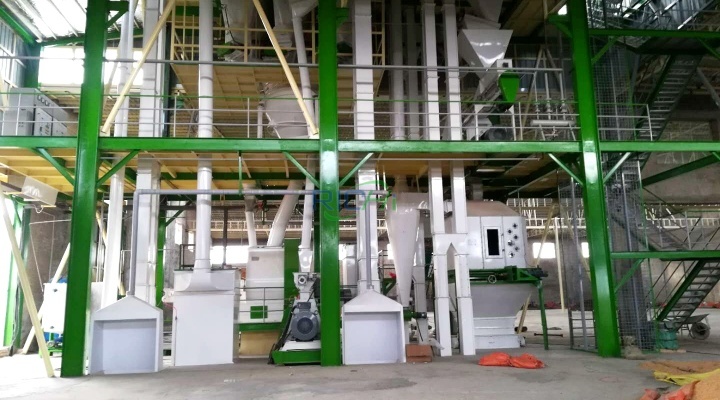
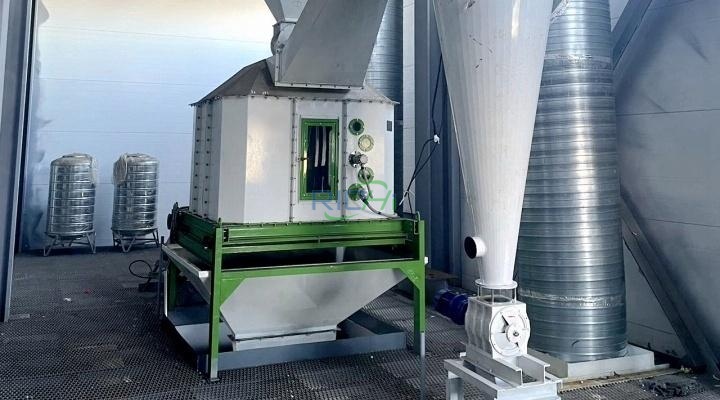
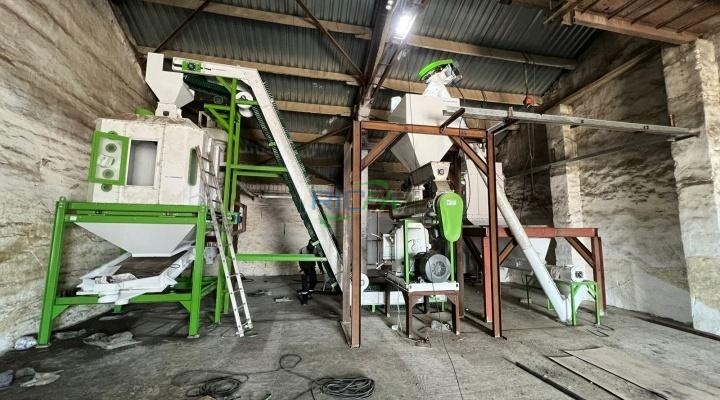
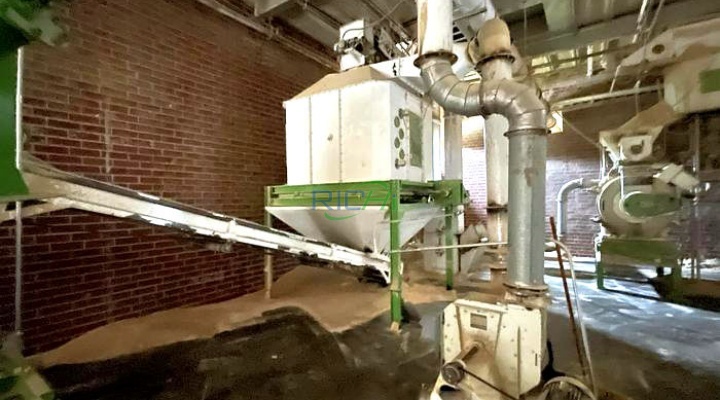
RICHI pellet cooling machines have been successfully implemented in numerous countries, including Uzbekistan, the USA, Canada, South Africa, and India. Our client base spans feed manufacturers, biomass pellet enterprises, organic fertilizer pellet plants, and pet food producers.
We recognize that every pellet production project is unique. Therefore, before a project begins, our engineers thoroughly assess every detail and client requirement, striving to ensure the final production solution delivers results that exceed expectations.
This is why we maintain strong, long-term relationships with the majority of our clients and continue to secure repeat business.
‹
›
How to Evaluate the Quality of Pellet Cooling Machines
Before finally purchasing a pellet cooling machine, you can assess the quality of the machine by observing the following points:
You can check whether the cooling unit’s structural design is reasonable. One important quality indicator is that the material does not leak during the cooling process.
Check the quality of the material level sensor. Mechanical sensors are generally preferred in dusty environments because infrared sensors can be blocked and cause inaccurate readings.
Choosing an octagonal cooler instead of a four-cornered one will make cleaning much easier for you later on.
Finally, check whether there are multiple observation ports. This allows for direct monitoring of the operating conditions inside the bin without having to shut down the machine.
Of course, one should also ask the manufacturer about the materials used to construct the equipment. The main body of the RICHI pellet cooler is made of powder-coated carbon steel. The circular inspection port features a cast-aluminum cover plate that is resistant to condensation and rust, ensuring long-term durability.
Why Choose RICHI?
By choosing RICHI Machinery, you work with a manufacturer with over 30 years of experience in equipment production and gain a reliable long-term partner. We provide affordable and transparent pricing, along with efficient and comprehensive after-sales service, so you can carry out your feed production with confidence.
Customized design
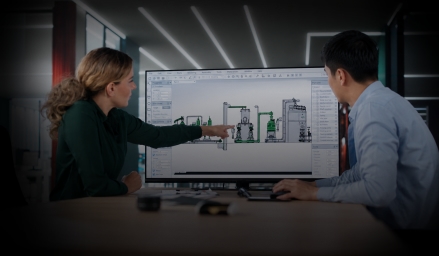
RICHI has a dedicated R&D and design team to provide you with customized services. We will conduct a comprehensive assessment of your requirements regarding raw materials, production capacity, and pellet type to ensure that all equipment configurations and production processes meet your actual needs.
High-quality equipment production
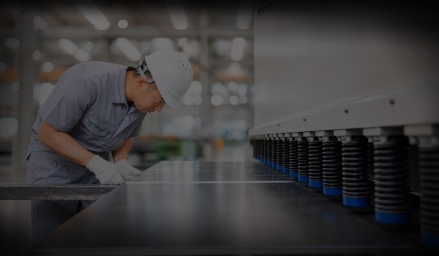
We own two modern intelligent manufacturing bases and operate a strict quality control system. Every piece of equipment meets international first-class standards. The company has passed BV certification, ISO9001 International Quality Management System Certification, European CE Certification, and Swiss SGS Certification, among others.

Excellent after-sales service
After the pellet cooling machine arrives, our professional engineers will assist with installation and commissioning. They will also provide one-on-one operation training until your team can operate it proficiently.
Frequently Asked Questions
Here are some frequently asked questions for your reference. If you have any further questions, please feel free to contact us!
Why must hot granules be cooled after granulation?
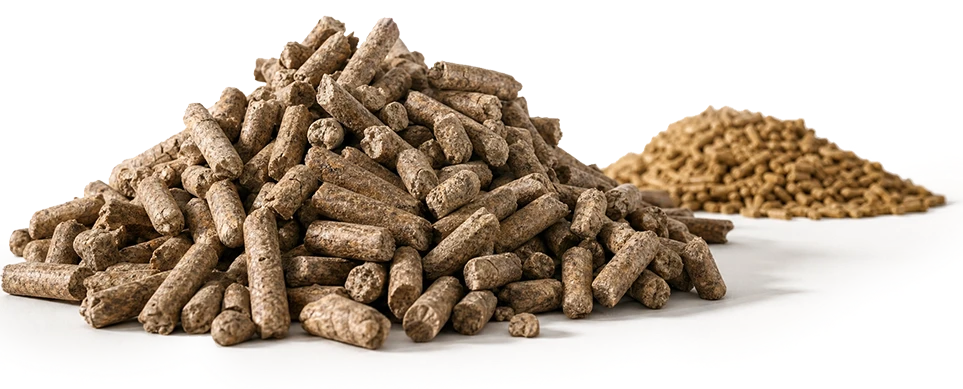
Typically, pellets exiting the pellet mill reach temperatures of 70–110°C and have high moisture content. If packaged and stored immediately, they are prone to deformation, cracking, and mold growth, resulting in a short shelf life. However, a pellet cooling machine removes surface moisture and heat, significantly increasing pellet hardness and making them less susceptible to mold.
Furthermore, cooling prevents the pellets from sticking together, ensuring smoother packaging operations and higher efficiency.
I want to process floating fish feed pellets at a rate of 5 tons per hour, using raw materials with a relatively high oil content. Which type of pellet cooler should I choose?
We recommend using a tipping-discharge counterflow pellet cooler.
When freshly produced high-fat expanded feed enters the cooler, its high fat content makes the pellets soft and sticky, increasing the risk of clumping. During unloading, the flip plate raises one end and disturbs the material layer, breaking up arches and ensuring stable, continuous discharge.
What factors affect the cooling effect?
The efficiency is mainly determined by the following three factors:
- Material level height. The pellet cooler relies on cold air to vertically penetrate the material layer and remove heat. Lowering the material level will make the material layer thinner. Air can penetrate the entire material layer more easily, resulting in a better cooling effect.
- Fan air volume. The more sufficient the fan air volume, the higher the heat exchange efficiency.
- Cabinet cross-sectional area. Under the same airflow, the larger the cabinet cross-sectional area, the lower the air resistance and the more significant the cooling effect.
Does the material level sensor on the cooler require frequent replacement?
No, it is not required. With normal maintenance, it offers stable operation for over two years.
The standard level sensor on the RICHI pellet cooling machine is made of cast aluminum and features integrated cooling fins. It operates within a temperature range of -10°C to 200°C, making it suitable for the high-temperature, hot, and humid environment of the cooling bin.
Additionally, the sensor is equipped with a motor imported from Japan, ensuring a low failure rate and a long service life.
To ensure signal accuracy and facilitate commissioning, the unit is equipped with a microswitch. It also features a dual-tone alert system, allowing for precise monitoring of the equipment’s status and simplifying daily troubleshooting.
What is the warranty period for the pellet cooler?
The equipment comes with a one-year warranty and lifetime technical support. During the warranty period, should you encounter any equipment malfunction not caused by human error, you may contact our after-sales team directly for a prompt solution. For complex issues, we will dispatch professional technicians to your site to troubleshoot and resolve the problem.