

Shatter
Corn Hammer Mill
Production capacity
3–50T/H
Production capacity
37–220KW
The corn hammer mill is a highly efficient crushing machine. It is capable of grinding corn kernels into corn meal or particles ranging from 0.5 to 20 mm in size. With its stable structure and customizable design, it operates reliably for extended periods in feed production, food processing, and agricultural product pretreatment.

Corn Hammer Mill: Balancing Efficiency and Cost
Optimize your feed and grain processing operations with a hammer mill—an efficient, energy-saving solution. Through high-speed impact and secondary grinding, this equipment delivers higher throughput while ensuring a more uniform particle size. We offer customizable solutions tailored to your specific production capacity and budget requirements, suitable for operations of any scale.


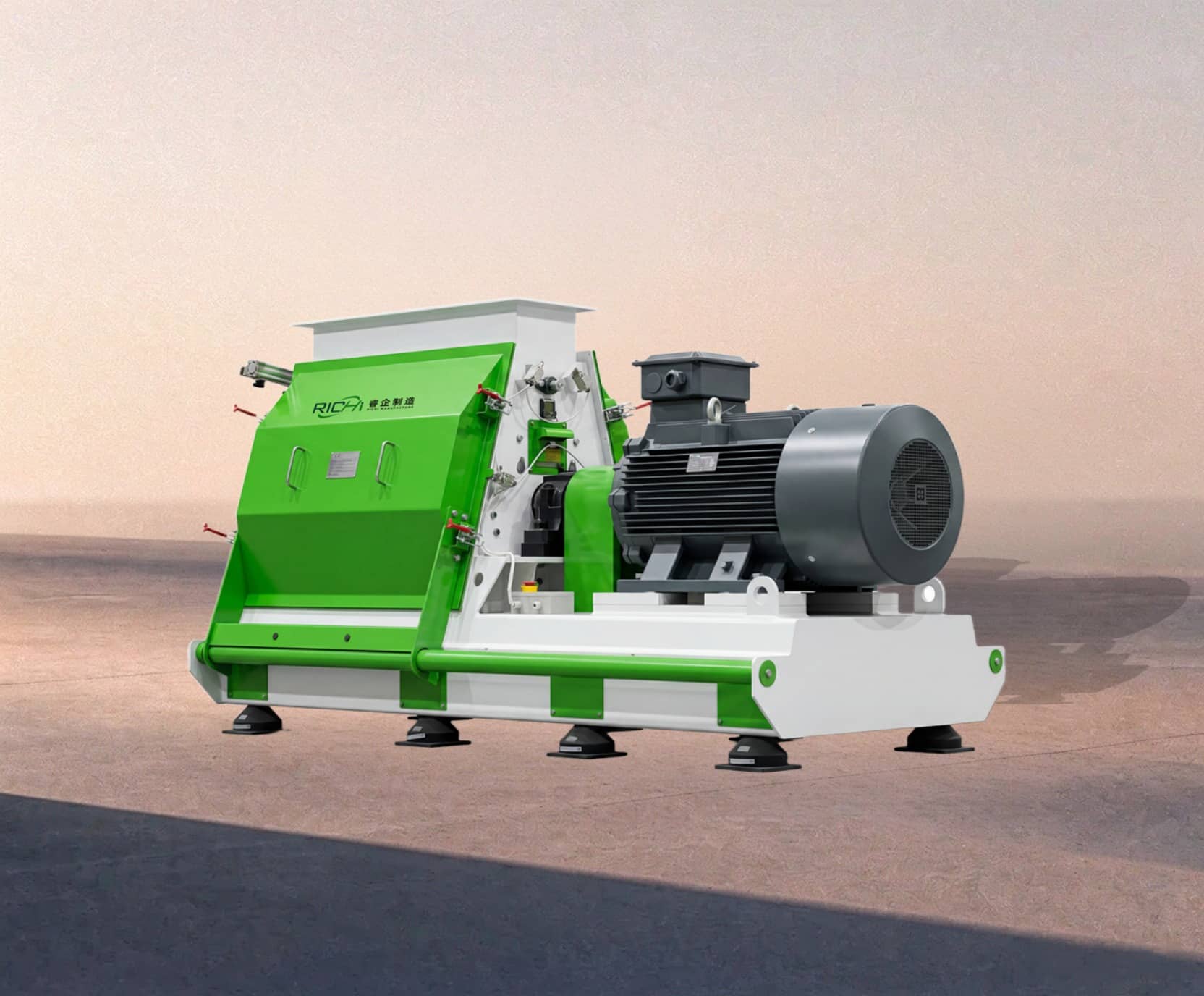
Basic-model maize hammer mill for sale
The basic model utilizes a gravity-fed design, featuring a simple structure and a low initial investment. It can be operated as a standalone unit, making it an ideal solution for small-to-medium-sized farms, feed-mashing lines, and grain processing facilities—enabling them to launch production quickly without a heavy budgetary burden.
Low-budget feed processing
On-site grain grinding
Simple standalone feed line

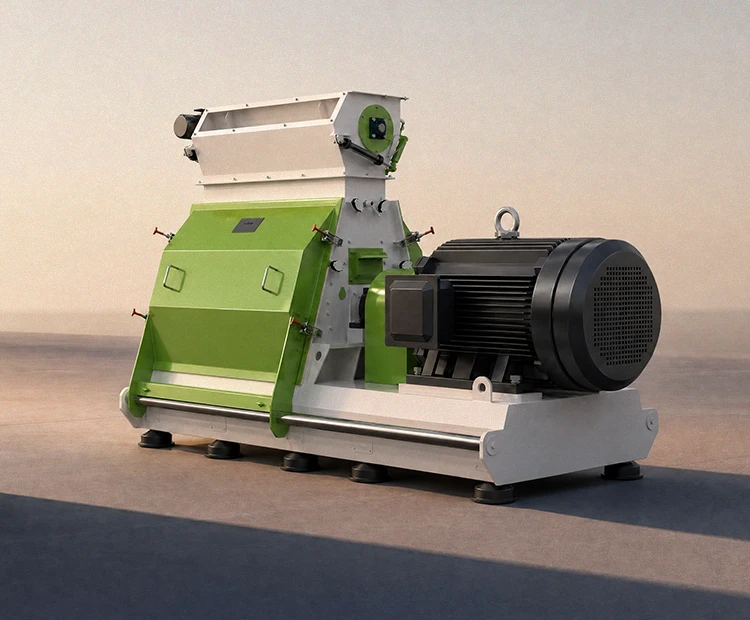
Pro Corn Hammer Mill for Sale
Compared to the base model, the upgraded version is equipped with a variable-frequency impeller feeder, a permanent-magnet iron remover, and a pneumatic gate. It ensures uniform material feeding, operational safety, and a high degree of automation—well-suited for continuous, high-efficiency commercial processing.
Commercial feed mill
Automated Feed Production Line
Continuous grain processing
Take Your Corn Grinding to the Next Level
Looking for a better corn grinding experience? Choose the RICHI corn hammer mill—say goodbye to issues like uneven grinding, inconsistent output, frequent equipment breakdowns, and high costs. With a focus on wear-resistant materials and precision engineering, we make your processing operations more efficient and effortless.

Flexible production
You can customize screens of different sizes, allowing for free switching between 0.5-20mm particle sizes to meet the needs of diversified feed production.
Durable equipment
The equipment utilizes reversible hammers made of high-manganese steel, which can be used on either side. Wear-resistant and durable, with a long service life
Clean and safe
The new-style mesh-clamping device offers excellent sealing performance, helping to reduce dust in the workshop and lower the risk of explosion.
Efficient & Low-Power
We have optimized the hammer layout and the grinding chamber. This allows for precise pulverization of the material, minimizing ineffective impacts and reducing power loss.
Stable operation
Equipped with a vibration-dampening base and a dynamically balanced rotor, the corn hammer mill remains perfectly steady even under heavy-load operating conditions.
Simple to operate
It supports automated feeding and grinding with an electronic control system. Furthermore, the machine features a simple structural design, facilitating routine maintenance.
Precision-Engineered Corn Hammer Mill
Corn has a hard texture and dense structure. To meet these material requirements, we have developed a new-generation corn hammer mill that gradually crushes corn through the high-speed impact of wear-resistant hammers. With multiple precision-engineered components working in coordination, it efficiently produces uniformly sized powder.
Feed structure
- Function: Ensures smooth and clean corn feeding.
- Components: Impeller feeder, iron remover, and feed guide plate.
- Features: The automatic feeding system controls the feed rate to prevent material accumulation. The iron remover effectively eliminates metal impurities from the corn. Finally, the material passes through the feed guide plate and enters the grinding chamber smoothly.
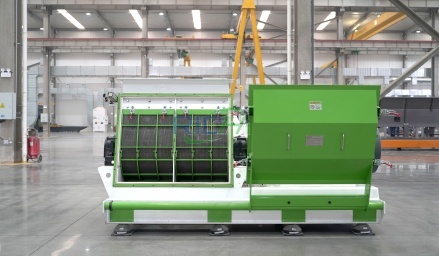
Crushing chamber
- Function: Repeatedly pulverizes raw corn material.
- Components: Double-sided hammers, precision rotor, and customizable screens.
- Advantages: The secondary grinding process ensures high product quality; customizable screens allow for the production of various particle sizes.
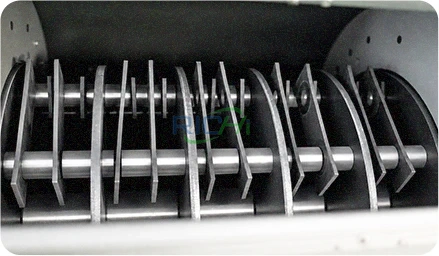
Precision rotor
- Function: High-speed rotation for precise material pulverization.
- Technical Advantage: After fabrication, every rotor undergoes dynamic balancing to ensure that any residual centrifugal force error does not exceed 5 grams. This rigorous testing guarantees smooth machine operation.
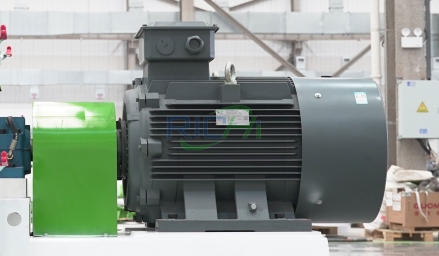
Transmission system
- Advantages: Power transmission efficiency exceeds 95%; offers greater energy savings during long-term, continuous production
- Function: Drives the corn hammer mill for efficient operation
- Components: Siemens motor, coupling, pulley, V-belt, imported bearings
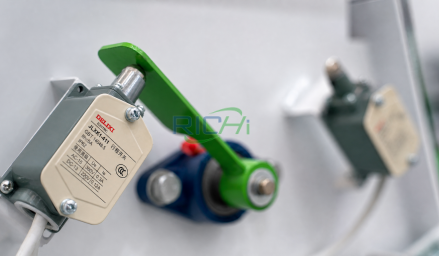
Safety Protection System
- Function: Ensures stable and safe production.
- Components: Reinforced outer casing, pulleys, and a safety access door.
- Key Features: Notably, the access door is equipped with limit switches on both sides. The main power switch will only engage when both sides are fully closed, effectively safeguarding the safety of workers.
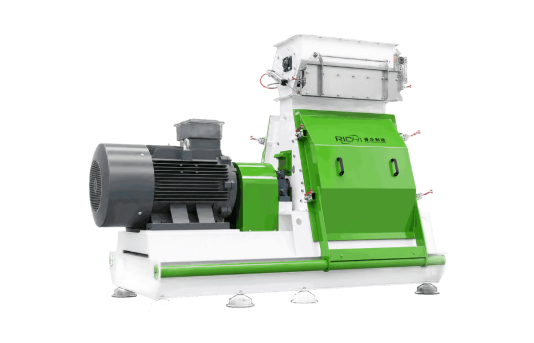
‹
›
Corn Hammer Mill Working Principle
Transforming corn into high-quality powder involves several processing stages, each designed to maximize grinding efficiency while maintaining product quality.
Careful handling begins the moment the corn arrives at the grain hammer mill. Any residual metallic impurities are detected and removed, ensuring a clean and safe grinding process.
The corn then enters the grinding chamber, where hammers repeatedly strike and break down the kernels until the particles are small enough to pass through a screen. Any material that remains too large is subjected to further grinding until it meets the required specifications.
Finally, the material is transported via negative-pressure airflow into a cyclone separator, where it is discharged as the finished product.
Featured Project Videos
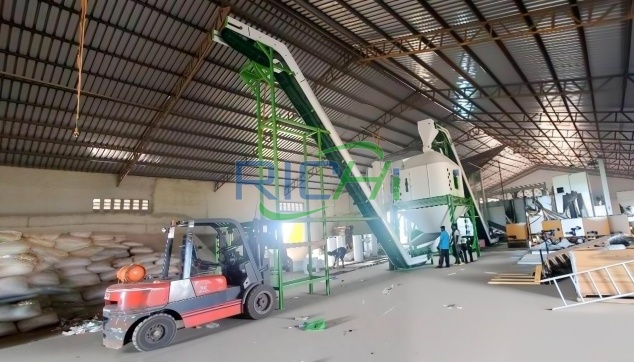
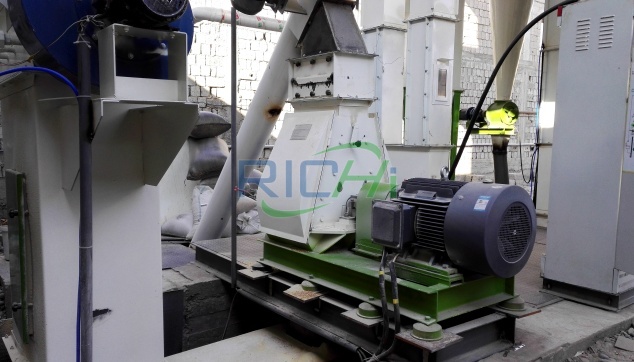
See the corn hammer mill in action on a real-world project, and discover how it maintains efficient, stable operation even in the most demanding environments. You can find more similar videos directly on YouTube.
Watch the Corn Hammer Mill Video
These three videos demonstrate the performance of a hammer mill in a poultry feed production line and a shrimp feed production line, respectively.


‹
›
Corn Hammer Mill Specifications
Review the detailed specifications of our corn hammer mills to see if any of our models meet your specific requirements. We offer not only small hammer mill for corn, but also industrial-grade hammer mill feed grinders designed for continuous production. Furthermore, beyond our standard offerings, you can consult with the expert team at RICH to have a piece of equipment custom-tailored to your needs.
Maize hammer mill price: $5,000–$10,000.
| Model | SFSP56×40 | SFSP66×60 | SFSP66×80 | SFSP66×100 | SFSP66×120 | SFSP66×150 |
| Rotor Diameter (mm) | 560 | 660 | 660 | 660 | 660 | 660 |
| Crushing Chamber Width (mm) | 400 | 600 | 800 | 1000 | 1200 | 1500 |
| Rotating Speed (rpm) | 2980 | 2980 | 2980 | 2980 | 2980 | 2980 |
| Hammer Tip Speed (m/s) | 88 | 103 | 103 | 103 | 103 | 103 |
| Power (kW) | 37 | 55-75 | 90-110 | 132-160 | 185-220 | 220 |
| Capacity (T/H) | 3-5 | 5-7 | 8-12 | 15-22 | 25-32 | 40-50 |
Customer corn grinding success story
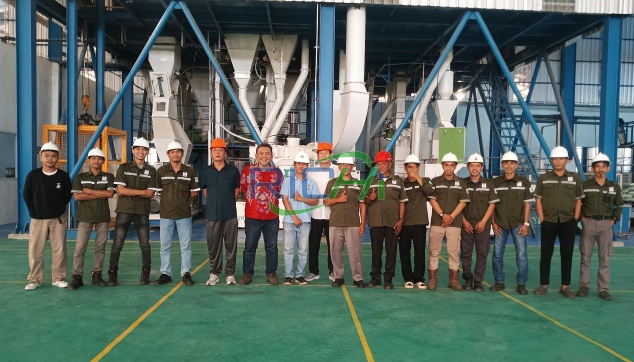
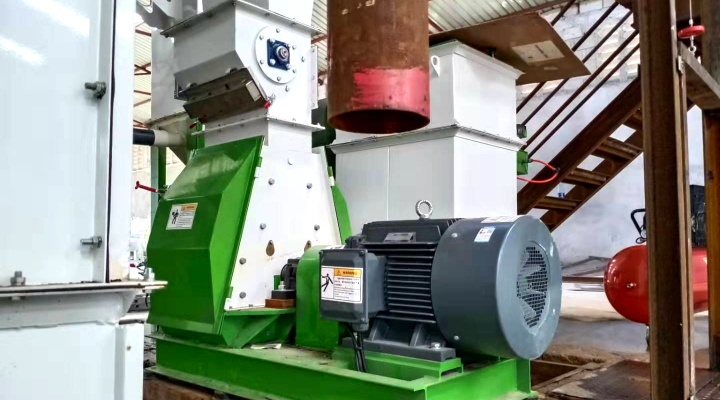
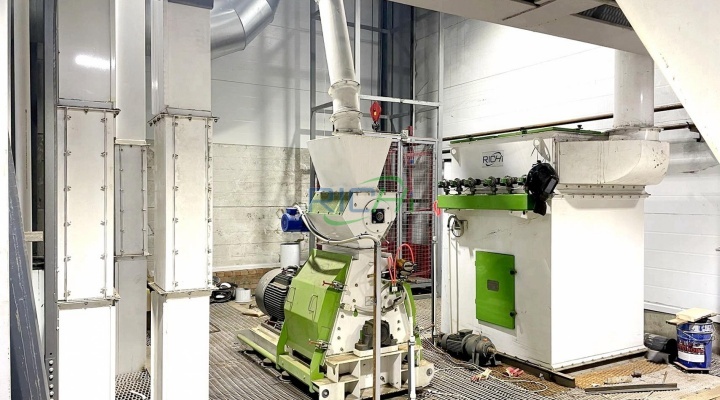
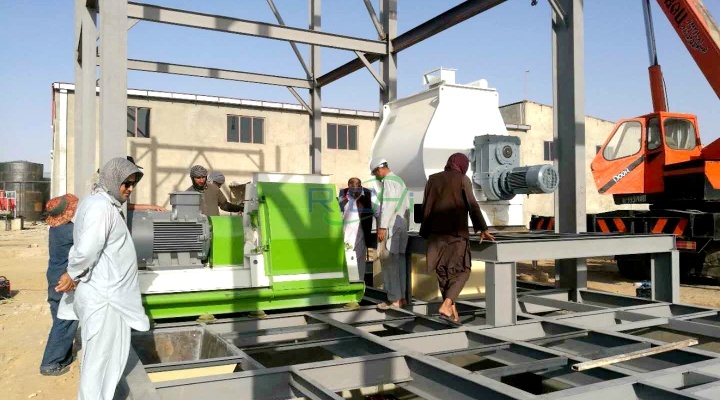
Over the past 30 years, RICHI has deployed its corn hammer mills in more than 2,000 projects across the sectors of feed production, grain processing, and other grain handling operations. The equipment’s mature technology and versatility have earned widespread acclaim from customers, leading to continuous repeat orders.
‹
›
Where can a corn hammer mill be used?
Whatever industry you work in, from feed production to grain processing, RICHI corn hammer mills offer a grinding solution to meet your particle size requirements. With flexible production capacity and a heavy-duty structure, they are built to withstand harsh operating conditions and deliver reliable performance day after day.
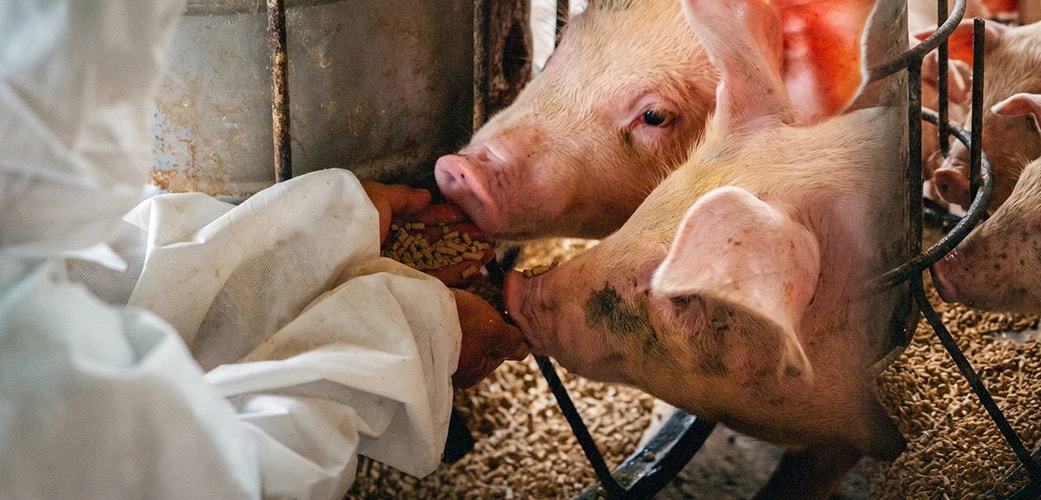
Animal Feed Processing
This equipment can be used either as a standalone unit or as part of a feed production line. It grinds corn, various grains, and fibrous materials into a uniform powder. It is designed for the production of feed for poultry, livestock, and aquaculture—the most well-established application for this type of hammer mill.
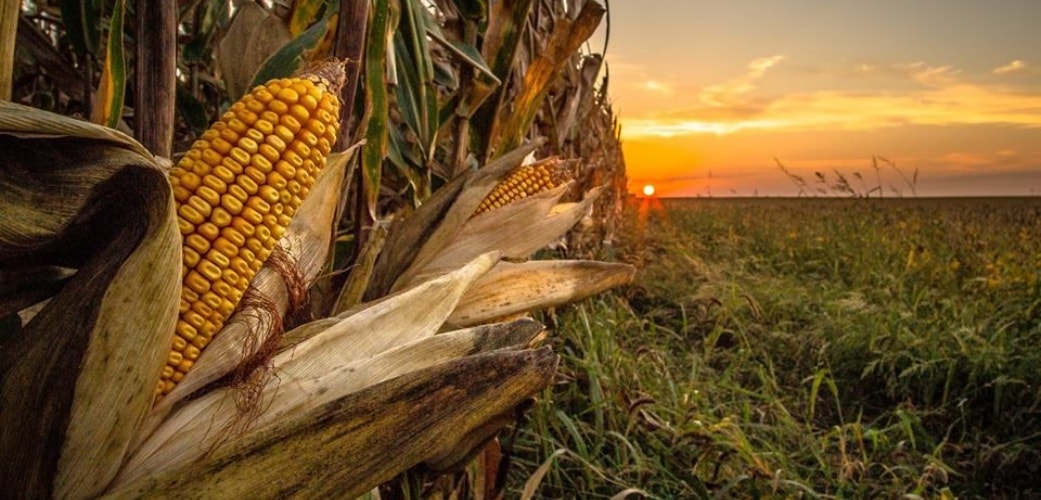
Corn and agricultural by-product processing
It can also be used to process raw materials such as corn and corn stalks, and has applications in emerging sectors—for instance, in the production of cat litter, biomass fuel, and organic fertilizer. In such cases, the equipment is typically fitted with heavy-duty, thickened screens to withstand the wear and tear caused by various high-fiber materials.
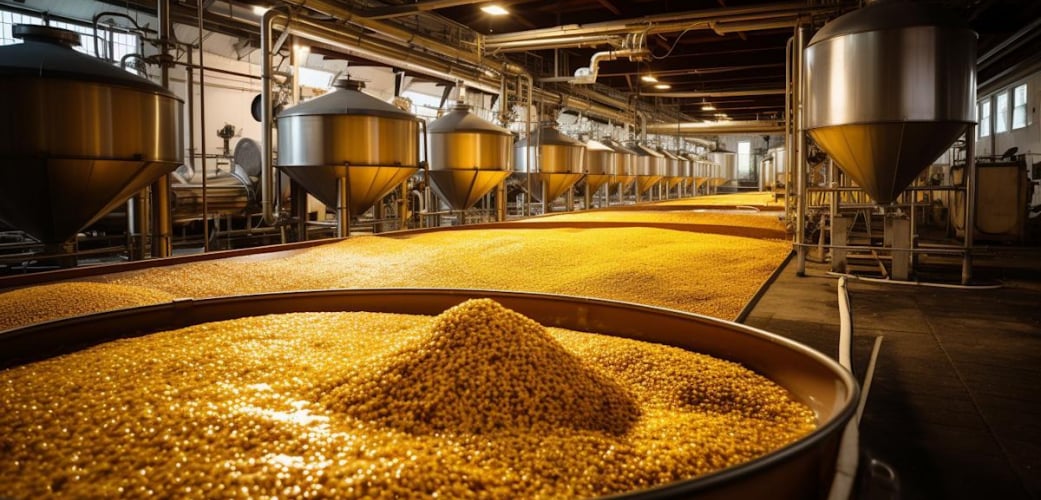
Grain and agricultural product processing
Corn crushers utilize interchangeable screens to flexibly control the particle size of the output, making them suitable for applications such as grinding various grains, pre-processing raw materials for the brewing industry, and processing food ingredients.
How Raw Materials Affect Grinding Results
The performance of a corn hammer mill depends not only on the equipment itself but also, to a significant extent, on the condition of the raw materials. High moisture content, excessive impurities, or inconsistent raw material quality can reduce grinding efficiency, accelerate component wear, and even lead to production interruptions.
RICHI offers raw material testing services to provide more detailed data on your raw materials and help develop solutions for stable production.
Corn moisture
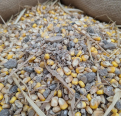
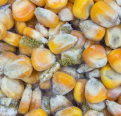
The moisture content of corn affects the grinding process. It is generally recommended to use drying equipment or air-drying to keep the moisture content of the raw material between 10% and 14%. In this state, the machine will not clog due to excessive moisture, nor will it generate dust due to excessive dryness.
Impurity content
Corn may contain foreign objects such as stones or metal fragments, which can damage the crushing equipment. Removing these impurities—using cleaning machinery and iron-removal devices—prior to the crushing process ensures the safe and stable operation of the equipment.
Corn Quality
Before processing, it is crucial to inspect the corn for signs of mold, unusual odors, or dampness. Failure to do so means that any such issues could carry over into the final product during the grinding stage. This serves as a reminder to producers that storage environments must be kept clean and dry.
Why Choose RICHI?
By choosing RICHI Machinery, you work with a manufacturer with over 30 years of experience in equipment production and gain a reliable long-term partner. We provide affordable and transparent pricing, along with efficient and comprehensive after-sales service, so you can carry out your feed production with confidence.

Customized design
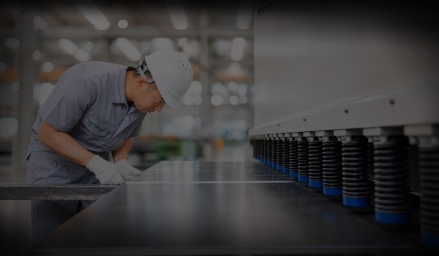
RICHI has a dedicated R&D and design team to provide you with customized services. We will conduct a comprehensive assessment of your requirements regarding raw materials, production capacity, and pellet type to ensure that all equipment configurations and production processes meet your actual needs.
High-quality equipment production
We own two modern intelligent manufacturing bases and operate a strict quality control system. Every piece of equipment meets international first-class standards. The company has passed BV certification, ISO9001 International Quality Management System Certification, European CE Certification, and Swiss SGS Certification, among others.

Excellent after-sales service
After the corn hammer mill arrives, our professional engineers will assist with installation and commissioning. They will also provide one-on-one operation training until your team can operate it proficiently.
More corn processing equipment
As a professional hammer mill supplier, we provide a comprehensive range of machinery covering cleaning, crushing, mixing, drying, granulating, pellet cooling machine, screening, and packaging. You no longer need to worry about equipment incompatibility or after-sales complications that can arise when purchasing units separately. We offer complete turnkey solutions, ensuring long-term, reliable service.
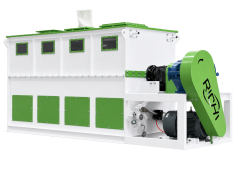
Corn Feed Mixer
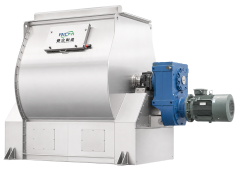
Mix raw materials of various forms until uniform within 1–6 minutes.
Corn Dryer
Effectively reduces corn moisture content, facilitating subsequent storage and processing.
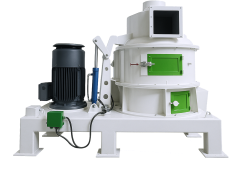
Corn ultrafine pulverizer
Commonly used in the production of feed for young animals, fish, and shrimp. Finished product sizes can range from 60 to 300 mesh.
Corn Feed Pellet Machine
Frequently Asked Questions
Here are some frequently asked questions for your reference. If you have any further questions, please feel free to contact us!
What other raw materials can a corn crusher process?
This equipment has a wide range of applications. In addition to corn, it can process various grains, oilseed meals, and brans, as well as agricultural and forestry waste such as straw, forage, and sawdust. The specific configuration and parameters can be adjusted based on the material being processed.
How to Select the Appropriate Screen Mesh Specification?
The screen is a critical component that determines the final particle size after grinding. Generally, smaller screen apertures result in a finer particle size.
When selecting a screen, consider the following factors:
- Subsequent processing requirements: Particle size requirements vary depending on the type of raw material—for instance, between animal feed and grain processing. Even within the scope of animal feed production, requirements for grind size differ depending on whether the end product is a powder, a pellet, or an extruded (expanded) feed.
- Target particle size: Determine the required fineness of the ground material based on your formula and the specifications for the final product.
Can a corn hammer mill produce corn meal of different particle sizes?
Yes, this is entirely feasible; in fact, it is a common practice in professional feed mills and grain processing plants. You can achieve this simply by selecting and installing the appropriate screens.
However, please note that the actual throughput and the quality of the ground product will depend on factors such as the characteristics of the raw corn and the feed rate. Therefore, we recommend running a test before full-scale production to check the finished particle size and make any necessary adjustments.
How to ensure the crusher is well-matched with the entire feed production line
Grinding is a pivotal process in feed production, serving as a crucial link between upstream and downstream operations. It follows raw material cleaning and precedes the batching, mixing, and pelletizing stages. Consequently, integrating the corn grinder precisely into the production line is of utmost importance.
The key is to ensure that the production capacity and material flow are effectively aligned across all stages. You should take into account factors such as target output, conveying and storage capacity, and the operational rhythm of each piece of equipment.
How to Maintain and Repair a Corn Hammer Mill?
After prolonged operation, components of a hammer mill crusher—such as the hammers, screens, and bearings—will inevitably experience wear. A lack of regular inspection can not only impair grinding efficiency and the consistency of the output particle size but also increase the risk of equipment failure and unplanned downtime. Proper routine maintenance helps extend the service life of the equipment and ensures stable production performance.
- Regularly inspect the hammers and screens for wear.
- Clean out any material residue from the screen apertures on a daily basis.
- Check the bearings and transmission components.
- Keep the feed and discharge openings of the hammer mill clean.

